Перейти к содержанию

Многие покупатели видят туалетную бумагу китайского производства в магазинах, супермаркетах, отелях и других коммерческих объектах по всему миру. В то же время многие люди по-прежнему задаются вопросом, действительно ли эта туалетная бумага произведена в Китае и соответствуют ли китайские товары международным стандартам качества.
Да, значительная часть мирового объема туалетной бумаги производится в Китае. Китай является одним из крупнейших в мире производителей бумажных изделий и выпускает туалетную бумагу как для внутреннего потребления, так и для экспортных рынков в Африке, на Ближнем Востоке, в Европе, Юго-Восточной Азии и многих других регионах.
За последние два десятилетия китайская промышленность по производству бумажных изделий пережила бурный рост. Современные заводы, передовое производственное оборудование, квалифицированные работники и отлаженные цепочки поставок помогли стране стать одним из крупнейших поставщиков туалетной бумаги и бумажных изделий на мировом рынке. Понимание производственных мощностей Китая, его экспортных рынков, преимуществ в области снабжения и стандартов качества может помочь покупателям принимать обоснованные решения о закупках.
Сколько туалетной бумаги производит Китай?
Многие импортеры при выборе поставщика туалетной бумаги беспокоятся о стабильности поставок. Завод может предлагать привлекательные цены, но покупатели часто задаются вопросом, сможет ли он обеспечить выполнение долгосрочных заказов и поставку крупных партий товара.
Китай ежегодно производит миллионы тонн изделий из мягкой бумаги, что делает его одной из крупнейших стран-производителей туалетной бумаги в мире. Продукция страны поставляется как на огромный внутренний рынок, так и растущему числу зарубежных клиентов.

Китайская отрасль производства бумажных салфеток обладает рядом уникальных преимуществ. В стране сформировалась полноценная производственная экосистема, которая обеспечивает крупномасштабное производство при сохранении конкурентоспособных затрат.
Полная производственная цепочка поставок
Одним из основных преимуществ является концентрация смежных отраслей. Поставщики сырья, производители упаковки, типографии, производители оборудования и логистические компании зачастую ведут свою деятельность в пределах одних и тех же промышленных регионов.
Это позволяет создать высокоэффективную производственную среду.
Производители могут быстрее закупать материалы, сокращать транспортные расходы и оперативно реагировать на запросы клиентов.
Современное производственное оборудование
Многие современные фабрики по производству бумаги используют полностью автоматизированные производственные линии. Эти машины выполняют множество задач, в том числе:
- Перемотка бумаги
- Тиснение
- Перфорация
- Резка
- Упаковка
- Контроль качества
Автоматизация повышает эффективность и одновременно способствует поддержанию стабильного качества продукции.
Сравнение масштабов производства
| Производственный фактор | Воздействие |
|---|---|
| Автоматизированное оборудование | Более высокая эффективность |
| Крупные заводы | Увеличение производственных мощностей |
| Квалифицированные операторы | Более стабильное качество |
| Стабильные поставки сырья | Надежное производство |
| Опыт работы в сфере экспорта | Более быстрая обработка заказов |
Высокий внутренний спрос
Большая численность населения Китая обусловливает значительный местный спрос на бумажные изделия.
Домохозяйства потребляют туалетную бумагу ежедневно. Помимо бытового использования, значительные объемы этой продукции также потребляют:
- Отели
- Рестораны
- Больницы
- Школы
- Торговые центры
- Аэропорты
- Офисные здания
Этот постоянный спрос способствует поддержанию стабильной работы завода в течение всего года.
Широкий ассортимент продукции
Китайские производители выпускают не только стандартную туалетную бумагу. Большинство заводов предлагают продукцию из нескольких категорий.
К ним обычно относятся:
- Туалетная бумага
- Туалетная бумага в большом рулоне
- Косметические салфетки
- Коробка с салфетками
- Карманные салфетки
- Кухонные бумажные полотенца
- Салфетки
- Полотенца для рук
- Влажные салфетки
Такая диверсифицированная структура производства помогает предприятиям максимально повысить эффективность и сократить операционные затраты.
Несколько лет назад один из покупателей поинтересовался, сможет ли поставщик обеспечивать ежемесячные поставки в контейнерах в течение всего года. Эта озабоченность была вполне понятна. Сезонные колебания спроса могут создавать трудности в некоторых странах. Крупные китайские производители часто решают эту проблему за счет высокопроизводительных производственных линий и эффективных систем управления запасами.
Способность стабильно производить большие объёмы продукции по-прежнему остаётся одной из главных причин, по которым Китай продолжает доминировать в мировой индустрии производства бумажных салфеток.
Какие страны импортируют китайскую туалетную бумагу?
Многие покупатели знают, что китайская туалетная бумага экспортируется по всему миру. Однако они часто задаются вопросом, какие регионы в наибольшей степени зависят от китайских поставщиков и почему эти рынки продолжают расти.
Китайскую туалетную бумагу импортируют страны Африки, Ближнего Востока, Юго-Восточной Азии, Европы, Северной Америки и Латинской Америки. Покупатели выбирают китайских поставщиков благодаря конкурентоспособным ценам, надежным поставкам, возможностям индивидуализации продукции и высокому производственному потенциалу.
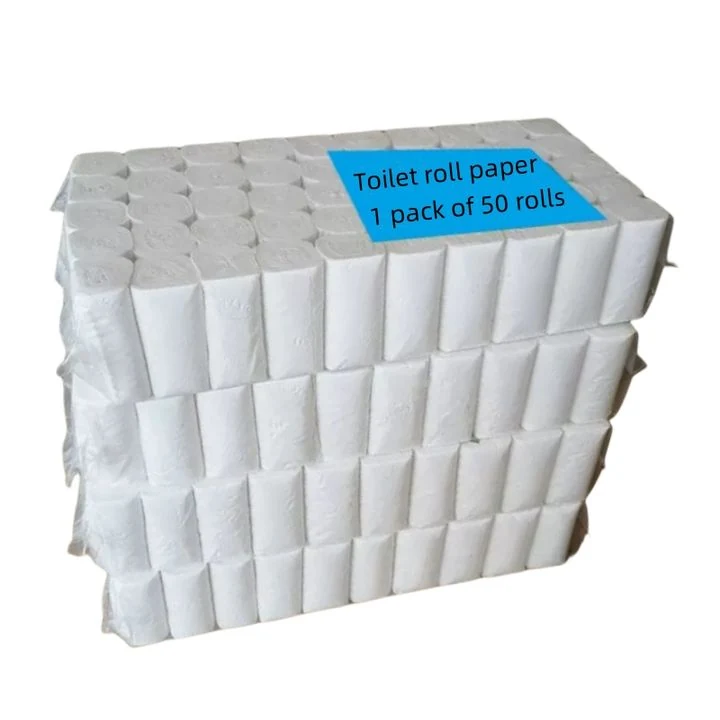
В настоящее время китайская бумажная продукция продается более чем в восьмидесяти странах и регионах. Спрос на экспортную продукцию продолжает расти, поскольку рост населения, урбанизация и расширение розничной торговли открывают новые возможности.
Африка по-прежнему остается одним из основных рынков
Африка стала одним из наиболее быстрорастущих рынков сбыта китайской бумажной продукции.
Многие импортеры, оптовые компании и сети супермаркетов закупают товары напрямую у китайских производителей.
К основным рынкам экспорта относятся:
- Нигерия
- Гана
- Кения
- Египет
- Марокко
- Южная Африка
- Сенегал
Покупатели в этих странах зачастую уделяют особое внимание соотношению цены и качества, эффективности загрузки контейнеров и стабильности поставок.
Растущий спрос на Ближнем Востоке
Ближний Восток также является важным направлением экспорта.
Отели, рестораны, коммерческие объекты и розничные магазины ежегодно потребляют большие объемы бумажных изделий.
Многие покупатели в этом регионе уделяют пристальное внимание следующим аспектам:
- Мягкость изделия
- Качество упаковки
- Имидж бренда
- Стабильность качества продукции
Юго-Восточная Азия и развивающиеся рынки
В ряде стран Юго-Восточной Азии по-прежнему наблюдается быстрый экономический рост.
По мере расширения розничных сетей и повышения уровня жизни растёт и спрос на бумажные изделия.
Многие дистрибьюторы предпочитают импортировать товары из Китая, поскольку транспортные маршруты хорошо налажены, а сроки доставки остаются относительно короткими.
Рыночные предпочтения по регионам
| Регион | Общие предпочтения в отношении продукции |
|---|---|
| Африка | Крупные рулоны и экономичная упаковка |
| Ближний Восток | Превосходная мягкость и упаковка |
| Отели | Большие рулоны и полотенца для рук |
| Розничные сети | Упаковка, готовая к продаже |
| Коммерческие объекты | Оптовая упаковка |
Почему эти рынки выбирают Китай
На разных рынках действуют разные требования, однако некоторые общие факторы, влияющие на принятие решений о закупках, повторяются.
Конкурентоспособные цены
Многим покупателям нужны товары, соответствующие покупательной способности местных потребителей.
Эффективность китайского производства позволяет поставщикам предлагать привлекательные цены.
Стабильные поставки
Розничные продавцы и дистрибьюторы зависят от стабильного уровня запасов.
Перебои в поставках могут привести к потере продаж и недовольству клиентов.
Возможности индивидуального брендинга
Рынок продукции под собственными торговыми марками продолжает расти во всем мире.
Импортеры часто запрашивают:
- Индивидуальные логотипы
- Индивидуальная упаковка
- Конструкции, адаптированные к конкретным рынкам
- Печать на местном языке
Гибкие технические характеристики
В разных странах действуют разные технические требования к продукции.
Производители часто могут настраивать:
- Размер рулона
- Количество простыней
- Плотность бумаги
- Формат упаковки
Эти возможности помогают китайским поставщикам обслуживать самые разные международные рынки.
Почему покупатели закупают туалетную бумагу в Китае?
Выбор поставщика туалетной бумаги — это важное деловое решение. Недостаточно высокая эффективность работы поставщика может привести к задержкам поставок, нестабильному качеству продукции и жалобам со стороны клиентов.
Покупатели закупают туалетную бумагу в Китае благодаря конкурентоспособной себестоимости производства, значительным производственным мощностям, гибким возможностям индивидуализации продукции, надежным системам контроля качества и обширному опыту в сфере экспорта.
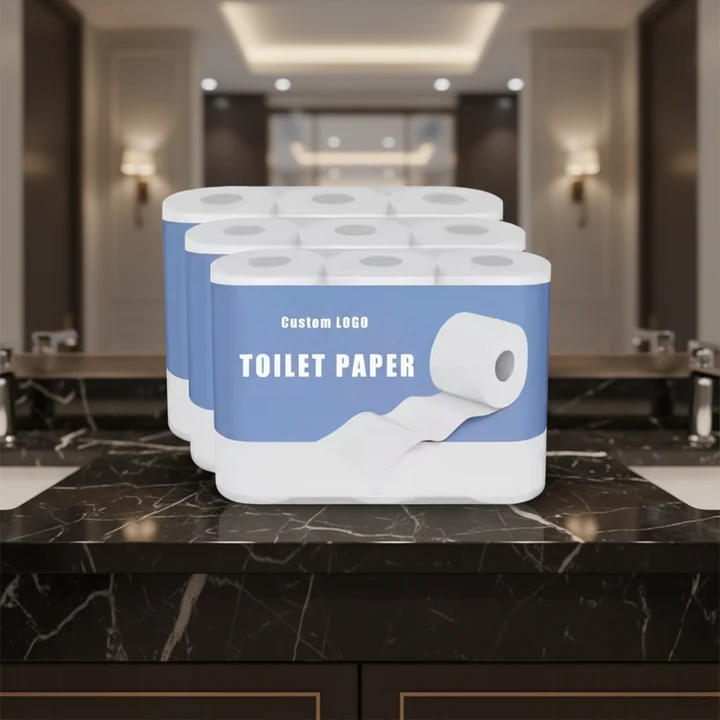
Китай стал предпочтительным источником поставок по целому ряду причин.
Конкурентоспособные производственные затраты
Одним из главных преимуществ является экономическая эффективность.
Промышленная экосистема Китая отличается высоким уровнем развития. Поставщики, сервисные компании и логистические предприятия зачастую располагаются рядом друг с другом.
Это позволяет сократить операционные расходы и повысить эффективность.
В результате импортеры зачастую могут добиться конкурентоспособных цен без ущерба для качества продукции.
Большие производственные мощности
На многих заводах одновременно работают несколько производственных линий.
Это позволяет им обеспечивать поддержку:
- Заказы на полные контейнеры
- Долгосрочные договоры на поставку
- Сезонный рост спроса
- Различные категории товаров
Крупномасштабное производство также способствует повышению надежности поставок.
Возможности настройки
Продукция под собственными торговыми марками становится всё более популярной.
Многие покупатели предпочитают товары, которые укрепляют их собственные бренды, а не продают товары без бренда.
К типичным параметрам настройки относятся:
- Дизайн упаковки
- Печать логотипов
- Узоры тиснения
- Размеры рулона
- Количество листов
- Вес изделия
Такая гибкость позволяет покупателям выгодно отличаться от конкурентов.
Системы контроля качества
Надежные производители понимают, что стабильное качество имеет решающее значение для установления долгосрочных деловых отношений.
Управление качеством часто включает в себя несколько этапов.
Контроль качества сырья
Перед началом производства на заводах проводится оценка поступающей целлюлозы и упаковочных материалов.
Мониторинг в процессе производства
Производственные бригады контролируют показатели производства на всех этапах процесса.
Испытания готовой продукции
Тестирование обычно включает в себя:
- Впитывающая способность
- Сила
- Точность измерения веса
- Согласованность размеров
- Качество упаковки
Опыт в сфере экспорта имеет большое значение
Опытные экспортеры хорошо разбираются в требованиях международной торговли.
Этот опыт помогает снизить частоту возникновения типичных проблем, связанных с:
| Зона обслуживания | Преимущества для покупателя |
|---|---|
| Экспортная документация | Более быстрое таможенное оформление |
| Соответствие требованиям к упаковке | Снижение рисков, связанных с импортом |
| Координация доставки | Более эффективное планирование доставки |
| Индивидуальная настройка продукта | Усиление бренда |
| Управление качеством | Более стабильное качество продукции |
Многие покупатели приходят к выводу, что успех в поиске поставщиков зависит не только от цены.
Поставщик также должен обеспечить надёжную связь, стабильное качество продукции и профессиональную поддержку в сфере экспорта.
Один из проектов по поиску поставщиков был связан с дистрибьютором, который хотел, чтобы товары из нескольких категорий были погружены в один контейнер. Эффективное планирование производства и загрузки контейнеров позволило максимально использовать грузоподъемность контейнера, не нарушая при этом сроки доставки.
Эти эксплуатационные преимущества по-прежнему привлекают покупателей со всего мира.
Соответствуют ли китайские стандарты на туалетную бумагу международным требованиям?
Качество по-прежнему остается одной из главных забот международных покупателей. Многие компании перед размещением крупных заказов хотят получить гарантии того, что продукция соответствует нормативным требованиям.
Многие китайские производители туалетной бумаги соблюдают международно признанные стандарты и сертификаты. Авторитетные предприятия внедряют системы управления качеством, проводят испытания продукции и используют материалы, соответствующие требованиям безопасности и охраны окружающей среды.
Качество бумажной продукции у разных производителей различается. Именно поэтому оценка поставщиков по-прежнему играет важную роль.
Распространенные международные сертификаты
Многие экспортно-ориентированные предприятия стремятся получить сертификаты, подтверждающие их приверженность принципам управления качеством.
К числу распространенных сертификатов относятся:
- ISO 9001
- Проверка SGS
- Сертификация FSC
- Соблюдение требований FDA
- Документация, связанная с CE
- Документация по паспортам безопасности материалов (MSDS)
Эти сертификаты помогают покупателям убедиться в том, что производственные процессы соответствуют задокументированным процедурам.
Соответствие сырья установленным требованиям
Качество начинается с сырья.
Многие производители используют:
- Целлюлоза из первичного сырья
- Бамбуковая целлюлоза
- Бумага из вторичного сырья
Практики ответственного снабжения способствуют обеспечению как качества продукции, так и достижению экологических целей.
Процедуры испытаний продукции
Надежные заводы проводят испытания на всех этапах производства.
Испытания на прочность
Испытания на прочность позволяют оценить, насколько хорошо бумага ведет себя в процессе эксплуатации и транспортировки.
Испытания на впитывающую способность
Впитывающая способность является одним из важнейших показателей качества бумажных изделий.
Проверка размеров
Точные размеры помогают обеспечить стабильность качества между производственными партиями.
Контроль качества упаковки
Упаковка должна обеспечивать защиту продукции на протяжении всего периода международной перевозки и хранения.
Требования к охране окружающей среды продолжают ужесточаться
В настоящее время многие покупатели уделяют больше внимания вопросам экологической устойчивости.
Производители уделяют всё больше внимания соблюдению экологических норм.
| Экологические требования | Цель |
|---|---|
| Ответственное снабжение целлюлозой | Способствует устойчивому лесопользованию |
| Эффективное производство | Сокращает количество отходов |
| Упаковка, пригодная для вторичной переработки | Повышает экологическую устойчивость |
| Документация по обеспечению соответствия | Обеспечивает соблюдение нормативных требований |
Как покупатели могут проверить соответствие требованиям
Перед принятием решений о закупках покупатели должны всегда проводить надлежащую оценку поставщиков.
Рекомендуемые действия включают:
- Запросите документы, подтверждающие сертификацию.
- Изучить аудиторские отчеты.
- Изучите протоколы испытаний.
- Оценить производственные возможности.
- Осмотрите образцы продукции.
- Подтвердите технические характеристики упаковки.
За пределами маркетинговых заявлений
Многие поставщики заявляют о высоком качестве своей продукции в рекламных материалах.
Однако профессиональные покупатели ориентируются на объективные данные.
К полезным методам проверки относятся:
- Аудиты производственных предприятий
- Примеры оценок
- Независимые проверки
- Отчеты об испытаниях продукции
- Обзоры сертификатов
Эти инструменты позволяют получить более четкое представление о фактических показателях производственной деятельности.
Надежные поставщики постоянно совершенствуют оборудование, системы управления и производственные процессы. Эти постоянные инвестиции помогают обеспечить соответствие меняющимся международным требованиям и ожиданиям клиентов.
Заключение
Китай является одним из ведущих мировых производителей и экспортеров туалетной бумаги. Обширные производственные мощности, богатый опыт в сфере экспорта, гибкие возможности индивидуализации продукции и приверженность международным стандартам качества делают эту страну предпочтительным поставщиком для импортеров, оптовиков, розничных продавцов, гостиниц и коммерческих покупателей по всему миру.