Многие покупатели сталкиваются с растущим давлением, требующим снижения воздействия на окружающую среду при одновременном сохранении качества продукции и конкурентоспособных цен. Традиционные материалы зачастую создают трудности, когда компании пытаются найти баланс между целями в области устойчивого развития и показателями эффективности бизнеса.
Изделия из бамбука меняют подход к подбору поставщиков, предлагая возобновляемое сырье, надежные поставки, высокие эксплуатационные характеристики продукции и экологические преимущества. Компании все чаще выбирают бамбук для повышения экологической устойчивости, укрепления ценности бренда и удовлетворения меняющихся ожиданий клиентов.
В последние годы подход к выбору поставщиков претерпел значительные изменения. Заказчики больше не ориентируются исключительно на цену и качество продукции. Важными факторами стали экологическая ответственность, прозрачность цепочки поставок и долгосрочная доступность ресурсов. Изделия из бамбука стали практичным решением, которое позволяет учесть многие из этих аспектов и одновременно открывает новые возможности для предприятий в различных отраслях.
Какие преимущества дают изделия из бамбука при закупках?
Многие менеджеры по закупкам сталкиваются с трудностями при поиске материалов, сочетающих в себе экологичность, доступность и стабильное качество. Традиционное сырье зачастую удовлетворяет одному требованию, но при этом создает проблемы в другой области.
Изделия из бамбука обладают рядом преимуществ с точки зрения поставок, в том числе быстрой возобновляемостью, стабильностью поставок, экологическими преимуществами, универсальностью продукции и растущей популярностью среди потребителей. Эти преимущества делают бамбук привлекательным вариантом для современных стратегий закупок.
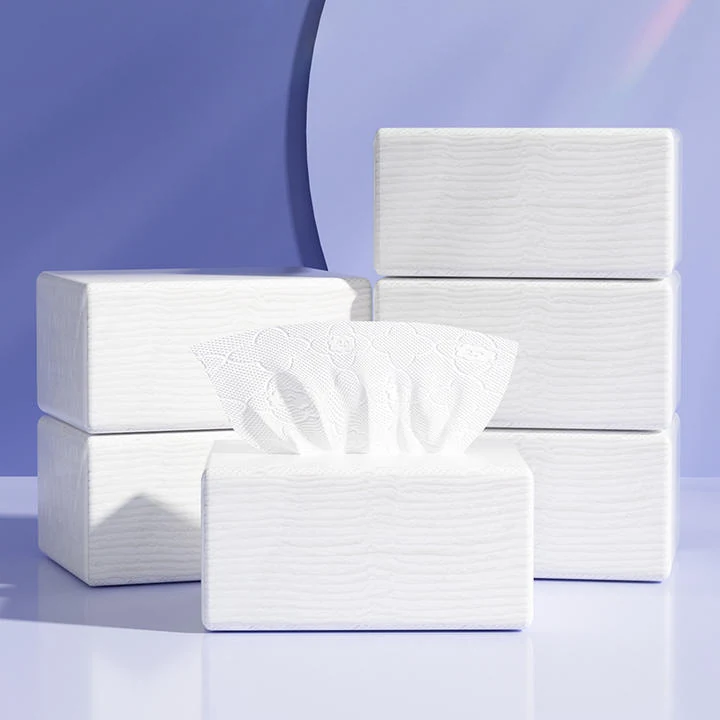
Бамбук привлек к себе внимание, поскольку позволяет одновременно решить сразу несколько распространенных проблем, связанных с поставками. В отличие от многих традиционных материалов, бамбук сочетает в себе экологическую ответственность и коммерческую целесообразность.
Быстрорастущий возобновляемый ресурс
Одно из главных преимуществ бамбука — это скорость его роста.
Многим породам деревьев требуются десятилетия, чтобы достичь зрелости перед заготовкой. Бамбук растёт гораздо быстрее, и его зачастую можно заготавливать уже через несколько лет. Некоторые сорта бамбука в идеальных условиях могут вырасти на несколько футов за один день.
Этот быстрый рост способствует обеспечению стабильных поставок сырья.
Снижение зависимости от традиционных ресурсов
Многие отрасли промышленности в значительной степени зависят от материалов на основе древесины. Растущий спрос оказывает давление на леса и вызывает опасения относительно долгосрочной доступности ресурсов.
Бамбук представляет собой альтернативный источник, который может способствовать снижению зависимости от традиционных лесоматериалов.
Преимущества продукта с точки зрения эксплуатационных характеристик
Современные изделия из бамбука отличаются высокими эксплуатационными характеристиками.
В зависимости от области применения бамбук может обладать следующими свойствами:
- Хорошая прочность
- Высокая впитывающая способность
- Мягкая текстура
- Характеристики, обеспечивающие легкость конструкции
- Естественный вид
Благодаря этим качествам бамбук подходит для изготовления множества товаров широкого потребления и коммерческих изделий.
Основные преимущества в сфере снабжения
| Преимущество | Влияние на бизнес |
|---|---|
| Быстрый цикл роста | Стабильные поставки сырья |
| Возобновляемый ресурс | Повышение устойчивости |
| Широкая доступность | Большая гибкость в выборе поставщиков |
| Высокая эффективность продукта | Повышение уровня удовлетворённости клиентов |
| Положительное восприятие рынка | Улучшение имиджа бренда |
Рост потребительского спроса
Потребители всё больше осознают важность экологических проблем.
Многие покупатели активно ищут товары, изготовленные из возобновляемых материалов. Эта тенденция открыла новые возможности для брендов, которые включают бамбук в свои линейки продукции.
Компаниям, предлагающим изделия из бамбука, зачастую проще донести до клиентов информацию о своих инициативах в области устойчивого развития.
Универсальность во всех категориях продукции
Бамбук может использоваться во многих отраслях промышленности и при производстве самых разных видов продукции.
К примерам относятся:
- Изделия из ткани
- Туалетная бумага
- Косметические салфетки
- Бумажные полотенца
- Упаковочные материалы
- Мебель
- Товары для дома
- Средства личной гигиены
Такая гибкость позволяет покупателям расширять закупки бамбука в различных категориях, а не ограничиваться одной линейкой продукции.
По мере того как принципы устойчивого развития становятся всё более приоритетными для компаний по всему миру, бамбук продолжает привлекать внимание как практичный и коммерчески выгодный вариант сырья.
Как бамбук может повысить экологическую устойчивость цепочки поставок?
Многие компании объявляют о своих целях в области устойчивого развития, однако внедрение существенных улучшений по всей цепочке поставок может оказаться сложной задачей. Заказчикам зачастую трудно определить, какие материалы приносят ощутимую пользу для окружающей среды.
Бамбук способствует повышению экологической устойчивости цепочки поставок за счет снижения нагрузки на естественные леса, содействия рациональному использованию возобновляемых ресурсов, уменьшения воздействия на окружающую среду и оказания помощи компаниям в достижении целей в области устойчивого развития.
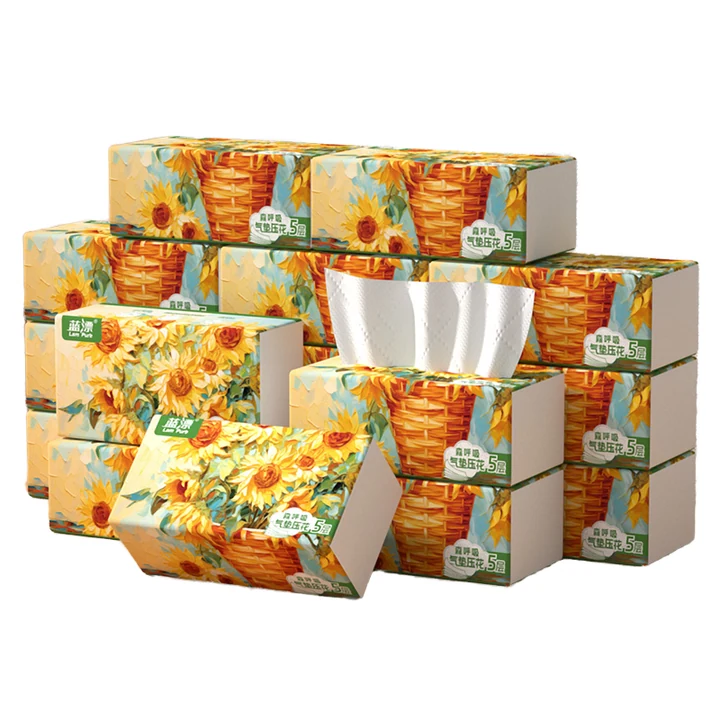
Устойчивое развитие уже не является нишевой темой. Оно стало важной частью стратегий закупок для компаний любого размера.
Управление возобновляемыми ресурсами
Одной из основных проблем в области устойчивого развития является истощение ресурсов.
Традиционные материалы могут требовать длительных циклов роста, прежде чем станет возможной их замена. Быстрая регенерация бамбука способствует созданию более экологичной модели заготовки.
После сбора урожая бамбук продолжает расти из имеющейся корневой системы, и во многих случаях полная пересадка не требуется.
Данная характеристика способствует обеспечению долгосрочной доступности ресурсов.
Снижение нагрузки на лесные ресурсы
Производство многих изделий из бумаги и древесины в значительной степени зависит от лесных ресурсов.
Использование бамбука в качестве альтернативного материала может способствовать диверсификации источников сырья и снижению зависимости от медленнорастущих деревьев.
Преимущества поглощения углерода
Бамбук известен своей способностью поглощать углекислый газ в процессе роста.
Хотя показатели экологической устойчивости варьируются в зависимости от региона и методов производства, выращивание бамбука зачастую рассматривается как фактор, способствующий усилиям по управлению выбросами углерода.
Повышение уровня устойчивого развития по всей цепочке поставок
| Фактор устойчивого развития | Возможная выгода |
|---|---|
| Возобновляемое лесозаготовительство | Долгосрочная стабильность ресурсов |
| Быстрый цикл роста | Непрерывная поставка сырья |
| Снижение зависимости от лесного хозяйства | Диверсификация ресурсов |
| Поглощение углерода | Преимущества для окружающей среды |
| Позиционирование как экологически ответственная компания | Укрепление репутации бренда |
Поддержка целей корпоративной устойчивого развития
В настоящее время многие компании публикуют отчеты об охране окружающей среды и свои обязательства в области устойчивого развития.
Отделы закупок играют ключевую роль в достижении этих целей.
Переход на использование изделий из бамбука может способствовать реализации таких инициатив, как:
- Внедрение возобновляемых материалов
- Программы устойчивых закупок
- Цели экологической отчетности
- Деятельность в области корпоративной социальной ответственности
Оправдание ожиданий клиентов
Клиенты всё чаще ожидают от компаний проявления экологической ответственности.
Эта тенденция влияет как на потребительские решения о покупке, так и на решения о закупках в сфере B2B.
Розничные и оптовые продавцы, гостиницы и институциональные покупатели при выборе поставщиков часто оценивают их показатели в области устойчивого развития.
Долгосрочная устойчивость цепочки поставок
Устойчивое снабжение — это не только экологические преимущества.
Кроме того, это способствует повышению устойчивости цепочки поставок в долгосрочной перспективе.
Диверсификация источников сырья позволяет снизить зависимость от ограниченного числа ресурсов и обеспечивает большую гибкость в условиях колебаний рынка.
Для многих организаций закупка бамбука способствует достижению целей в области устойчивого развития и реализации стратегий управления рисками.
Почему покупатели увеличивают объемы закупок бамбука?
Многие покупатели, которые раньше ориентировались исключительно на стоимость, теперь учитывают в своих решениях о покупке также критерии экологической устойчивости. Этот сдвиг способствовал росту интереса к изделиям из бамбука.
Покупатели увеличивают объемы закупок бамбука в связи с ростом потребительского спроса, целями в области устойчивого развития, давлением со стороны регулирующих органов, возможностями дифференциации бренда, а также улучшением качества продукции из бамбука.
Рост объемов закупок бамбука обусловлен не каким-то одним фактором. Напротив, здесь содействуют несколько рыночных тенденций.
Повышается осведомленность потребителей
Во всем мире продолжает расти осведомленность о проблемах окружающей среды.
В настоящее время многие потребители перед принятием решения о покупке изучают информацию о материалах, из которых изготовлен товар.
Они часто отдают предпочтение товарам, при производстве которых используются возобновляемые ресурсы и экологически безопасные материалы.
В результате розничные сети и бренды расширили ассортимент своей продукции из бамбука.
Устойчивое развитие становится конкурентным преимуществом
Компании всё чаще конкурируют не только по цене.
Клиенты, инвесторы и деловые партнеры часто учитывают экологические показатели при принятии решений.
Компании, которые внедряют в свою продукцию изделия из бамбука, могут укрепить свои позиции на рынке.
Требования регулирующих органов продолжают меняться
Многие правительства приняли меры, направленные на поощрение устойчивых методов ведения бизнеса.
Несмотря на то что нормативные требования различаются в зависимости от страны, соблюдение экологических норм становится всё более важным фактором для отделов закупок.
Использование возобновляемых материалов может помочь предприятиям подготовиться к будущим изменениям в законодательстве.
Основные факторы, способствующие росту закупок бамбука
| Водитель | Влияние на решения о покупке |
|---|---|
| Потребительский спрос | Расширение возможностей сбыта |
| Цели в области устойчивого развития | Улучшение экологических показателей |
| Позиционирование бренда | Более выраженная дифференциация рынка |
| Тенденции в области регулирования | Повышение готовности к соблюдению нормативных требований |
| Инновации в области продукции | Расширенные возможности применения |
Повышение качества продукции
Ранние изделия из бамбука иногда сталкивались с ограничениями в эксплуатационных характеристиках.
Современные производственные технологии позволили значительно повысить качество продукции.
Современные изделия из бамбука часто обладают следующими свойствами:
- Большая мягкость
- Повышенная долговечность
- Повышенная стабильность
- Улучшенный внешний вид
Эти улучшения укрепили доверие покупателей.
Возможности для рассказывания истории бренда
Потребители всё чаще проявляют интерес к брендам, которые рассказывают о значимых экологических инициативах.
Изделия из бамбука являются наглядным примером устойчивого развития на практике.
Маркетинговые команды могут использовать закупку бамбука в рамках более широких стратегий продвижения экологических идей.
Долгосрочные рыночные тенденции
Ряд долгосрочных тенденций свидетельствует о продолжении роста объемов закупок бамбука.
К ним относятся:
- Повышение осведомленности о вопросах устойчивого развития
- Расширение ассортимента экологически чистых товаров
- Усовершенствованная технология производства
- Расширение использования возобновляемых материалов
По мере того как эти тенденции будут сохраняться, бамбук, вероятно, станет всё более важным компонентом глобальных стратегий снабжения.
Какие отрасли получают наибольшую выгоду от использования бамбука?
Многие компании осознают экологические преимущества бамбука, но не уверены, соответствуют ли изделия из бамбука конкретным требованиям их отрасли.
Такие отрасли, как производство бумажных салфеток, гостиничный бизнес, розничная торговля, упаковочная промышленность, средства личной гигиены, общественное питание и производство потребительских товаров, получают значительные преимущества от использования бамбука в качестве сырья благодаря его экологичности, универсальности и положительному восприятию со стороны потребителей.
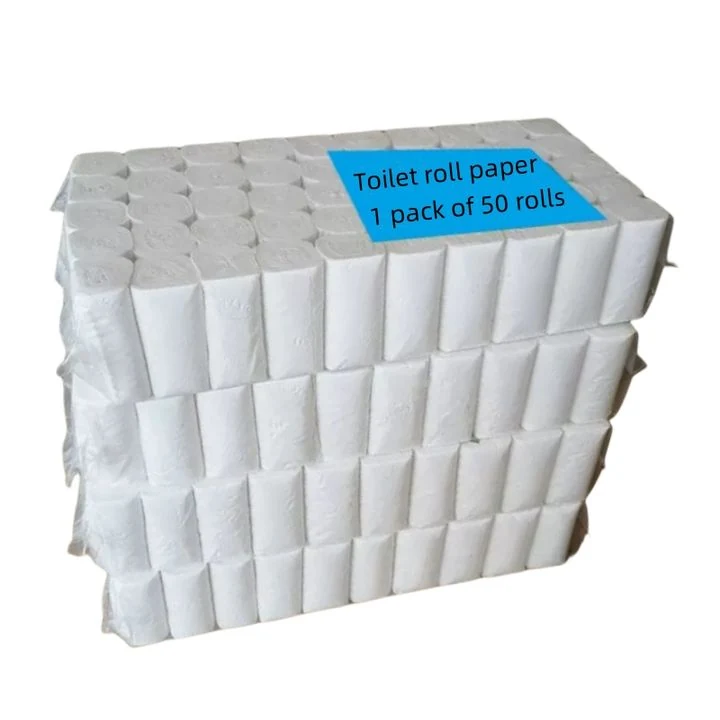
Универсальность бамбука позволяет использовать его в самых разных отраслях и сферах применения.
Изделия из ткани и бумаги
Бумажная промышленность является одним из крупнейших потребителей бамбуковых материалов.
К распространенным изделиям из бамбука относятся:
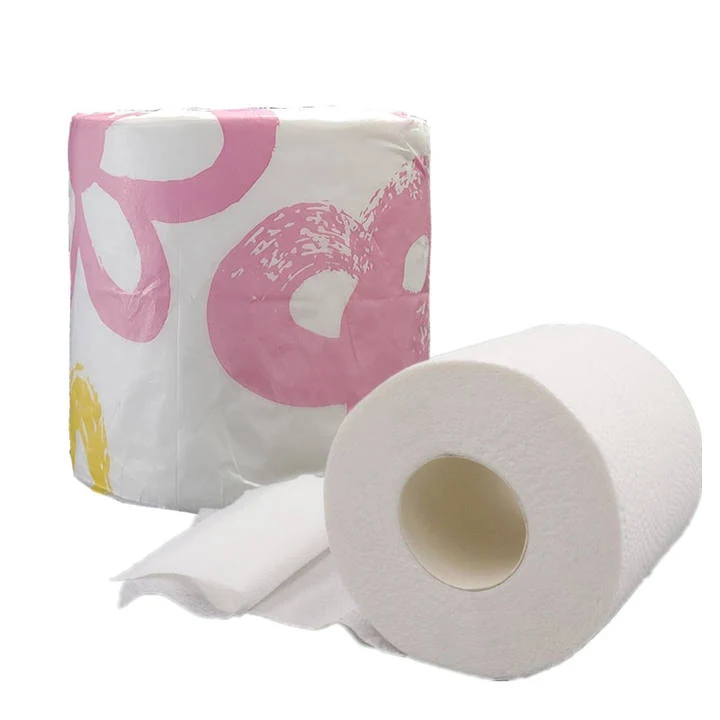
- Туалетная бумага из бамбука
- Бамбуковые салфетки для лица
- Бумажные полотенца из бамбука
- Бамбуковые салфетки
- Бамбуковые полотенца для рук
Эти товары привлекают потребителей, заботящихся об окружающей среде, и при этом сохраняют высокую функциональность.
Индустрия гостеприимства
Отели уделяют всё больше внимания инициативам в области устойчивого развития.
Многие предприятия сферы гостеприимства используют изделия из бамбука в рамках реализации экологических программ.
К примерам относятся:
- Изделия из бамбуковой бумаги
- Туалетные принадлежности из бамбука
- Решения для упаковки из бамбука
Эти продукты помогают отелям донести до гостей свои обязательства в области устойчивого развития.
Розничная торговля и потребительские товары
Розничные продавцы продолжают расширять ассортимент экологически чистых товаров.
Изделия из бамбука часто привлекают покупателей, ищущих экологичные альтернативы.
Эта тенденция способствует развитию как премиального, так и массового сегментов рынка.
Упаковочная промышленность
На предприятия по производству упаковки оказывается всё большее давление с целью снижения воздействия на окружающую среду.
Упаковочные материалы на основе бамбука представляют собой возобновляемые альтернативы, способствующие достижению целей в области устойчивого развития.
Обзор отраслевых применений
| Промышленность | Распространенные изделия из бамбука |
|---|---|
| Производство тканей | Туалетная бумага, салфетки для лица |
| Гостеприимство | Бумажные изделия, туалетные принадлежности |
| Розничная торговля | Товары повседневного спроса |
| Упаковка | Экологичные упаковочные материалы |
| Средства личной гигиены | Гигиенические средства на основе бамбука |
| Общественное питание | Салфетки и одноразовые изделия |
Сектор средств личной гигиены
Бренды средств личной гигиены всё чаще используют материалы из бамбука при разработке своей продукции.
Естественный облик этого материала хорошо вписывается в концепцию многих брендов, ориентированных на здоровый образ жизни и экологическую устойчивость.
Предприятия общественного питания
Рестораны, кафе и компании, занимающиеся организацией питания, часто ищут экологически безопасные одноразовые изделия.
Салфетки из бамбука и сопутствующие товары способствуют достижению этих целей.
Корпоративные и институциональные покупатели
В настоящее время многие корпорации, учебные заведения, больницы и государственные учреждения включают требования в области устойчивого развития в свои политики закупок.
Изделия из бамбука зачастую соответствуют этим требованиям, сохраняя при этом эксплуатационные характеристики.
По мере того как организации продолжают искать практические способы повышения экологической устойчивости, использование бамбука приобретает всё большее значение в растущем числе отраслей.
Заключение
Изделия из бамбука задают новые стандарты в сфере снабжения, сочетая в себе экологическую устойчивость, возобновляемость, высокие эксплуатационные характеристики и растущую популярность среди потребителей. На фоне постоянно растущих экологических требований бамбук предлагает компаниям практичный способ укрепить цепочки поставок, способствовать достижению целей в области устойчивого развития и создавать долгосрочную ценность в различных отраслях.