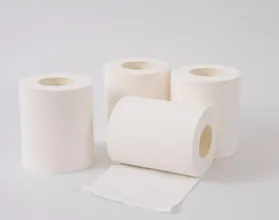
Многие люди стремятся сделать свой дом более экологичным. Однако многие товары повседневного спроса по-прежнему приводят к образованию отходов и чрезмерному потреблению природных ресурсов. Туалетная бумага — один из таких товаров.
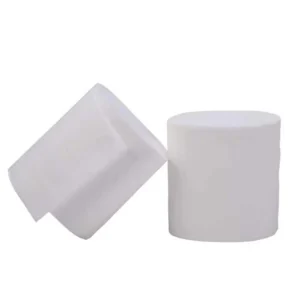
Бамбуковая туалетная бумага — это вид бумаги, изготовленный из бамбуковых волокон вместо традиционной древесной целлюлозы. Она мягкая, прочная, поддается биологическому разложению и производится из быстрорастущего растения. Многие люди выбирают её, поскольку она позволяет снизить нагрузку на леса и способствует ведению более экологичного образа жизни.
В настоящее время многие покупатели перед покупкой сравнивают бамбуковую туалетную бумагу с обычной. Им интересно, как она производится, действительно ли она экологична и обеспечивает ли такой же комфорт и качество. Ответы на эти вопросы не всегда просты. Качество продукции зависит от сырья, методов производства и производственных стандартов. В этом руководстве изложены ключевые факты, которые помогут покупателям принять более обоснованное решение.
Как изготавливается туалетная бумага из бамбука?
Люди часто видят бамбуковую туалетную бумагу на прилавках магазинов, но мало кто знает, что происходит до того, как готовый рулон попадает в продажу.
Бамбуковая туалетная бумага изготавливается следующим образом: бамбук перерабатывается в целлюлозу, волокна очищаются и рафинируются, из них формируются листы бумаги, которые затем сушатся, на их поверхности наносится тиснение, после чего бумага фасуется в готовые рулоны. На современных заводах на каждом этапе производства также проводятся строгие проверки качества.
Производственный процесс начинается со сбора зрелого бамбука. Большинство производителей используют бамбук, выросший в течение трёх–пяти лет, поскольку к этому времени его волокна приобретают достаточную прочность. После сбора бамбук очищают и разрезают на небольшие куски.
Этап 1: Производство бамбуковой целлюлозы
Бамбуковая щепа поступает на этап варки целлюлозы. На этом этапе производители отделяют целлюлозные волокна от лигнина и других природных веществ, содержащихся в растении. Разные заводы используют разные методы варки целлюлозы. Некоторые применяют химическую варку, а другие сочетают механические и химические процессы.
Цель проста. Чистые волокна позволяют изготовить более мягкую и прочную бумагу.
Этап 2: Очистка и доработка волокон
Целлюлоза проходит через несколько систем очистки. Эти системы удаляют примеси и улучшают однородность волокон.
Производители также могут отбеливать целлюлозу, если им требуется ярко-белая бумага. В настоящее время во многих продуктах премиум-класса используются системы отбеливания без элементарного хлора (ECF) или полностью без хлора (TCF), поскольку они оказывают меньшее воздействие на окружающую среду.
Шаг 3: Формирование бумаги
Очищенная целлюлоза смешивается с водой, образуя суспензию.
Крупные бумагоделательные машины наносят эту суспензию на движущиеся сетчатые экраны. Вода стекает, а бамбуковые волокна сцепляются друг с другом и образуют тонкие листы бумаги.
Далее листы проходят через нагретые сушильные цилиндры. Эти установки удаляют влагу, сохраняя при этом мягкость и гибкость бумаги.
Шаг 4: Формирование готовых рулетов
После сушки бумажные рулоны большого формата поступают на перерабатывающие машины.
Эти машины выполняют несколько видов работ:
- Сделать тиснение на бумаге
- Склеивание нескольких слоев
- Проделайте отверстия в каждом листе
- Сверните бумагу в рулоны
- Отрежьте каждый рулон по размеру
- Упаковать готовую продукцию
Группы контроля качества проводят проверку готовых рулонов перед отгрузкой.
Обзор производственного процесса
| Этап производства | Основная цель |
|---|---|
| Сбор бамбука | Сбор зрелых бамбуковых волокон |
| Переработка древесины в целлюлозу | Разделение целлюлозных волокон |
| Уборка | Удалить примеси |
| Формирование бумаги | Создать листы ткани |
| Сушка | Удалить влагу |
| Тиснение | Повысить мягкость и прочность |
| Резка и упаковка | Изготавливать рулеты, готовые к продаже |
На современных заводах часто используются полностью автоматизированные производственные линии. Автоматизация повышает стабильность качества и сокращает количество отходов. Кроме того, она помогает поддерживать стабильное качество продукции при больших объемах производства.
Качество бамбуковой туалетной бумаги зависит не только от самого бамбука. На конечный продукт влияют такие факторы, как подбор волокон, точность оборудования, контроль влажности, рисунок тиснения и окончательный контроль качества. На хорошо организованном производстве можно изготовить бамбуковую туалетную бумагу, которая по мягкости не уступает бумаге премиум-класса из первичной древесной целлюлозы, при этом сохраняя отличную прочность и впитываемость.
Является ли бамбуковая туалетная бумага экологически безопасной?
Многие бренды позиционируют бамбуковую туалетную бумагу как экологически чистую. Тем не менее многие покупатели задаются вопросом, подтверждаются ли эти заявления фактами.
Туалетная бумага из бамбука может быть экологически безопасной, поскольку бамбук растет очень быстро, поглощает углекислый газ, занимает меньше земли, чем многие виды деревьев, и способен восстанавливаться после сбора урожая. Однако общее воздействие на окружающую среду также зависит от методов производства, транспортировки и упаковки.
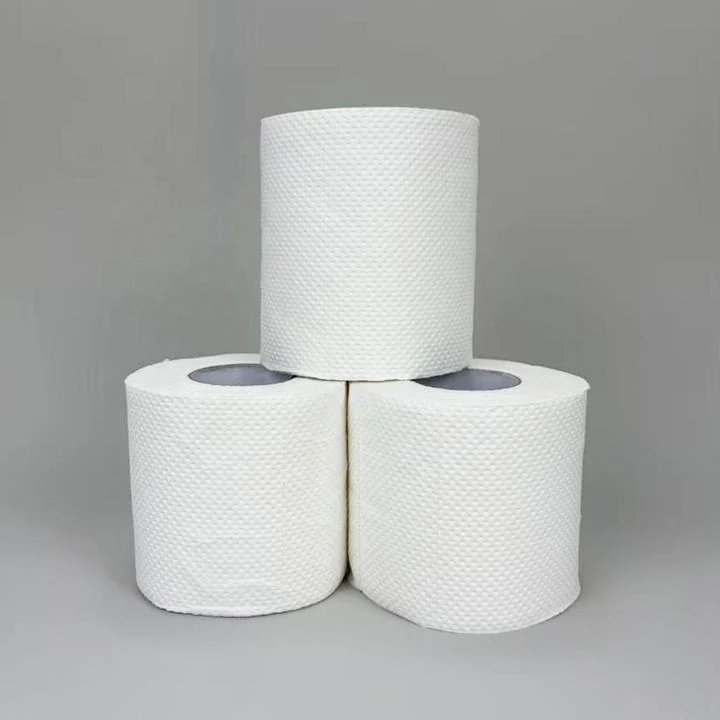
Бамбук обладает рядом природных преимуществ.
В отличие от лиственных деревьев, которым для достижения зрелости могут потребоваться десятилетия, многие виды бамбука растут быстро. Некоторые виды могут достичь полной зрелости всего за несколько лет.
Такой быстрый рост позволяет фермерам собирать урожай бамбука чаще, не вырубая леса.
Бамбук восстанавливается естественным образом
Одно из главных преимуществ заключается в том, что бамбук отрастает за счёт уже имеющейся корневой системы.
Фермерам, как правило, не нужно проводить повторную посадку после каждого сбора урожая. Это позволяет сократить нарушение структуры почвы и снизить затраты на ведение сельского хозяйства.
Снижение давления на леса
Традиционная туалетная бумага часто изготавливается из целлюлозы, полученной из первичной древесины.
Если управление лесным хозяйством организовано ненадлежащим образом, вырубка деревьев может способствовать обезлесению.
Использование бамбука открывает ещё один источник волокна, что позволяет снизить зависимость от медленнорастущих лесов.
Хранение углерода
Растущий бамбук поглощает углекислый газ в процессе фотосинтеза.
Здоровые бамбуковые леса продолжают поглощать углерод, ежегодно давая новые побеги.
Хотя производство по-прежнему сопровождается выбросами, выращивание бамбука дает экологические преимущества на этапе роста.
Сравнение экологических показателей
| Особенность | Туалетная бумага из бамбука | Традиционная туалетная бумага из дерева |
|---|---|---|
| Время роста | 3–5 лет | 20–80 лет |
| Восстанавливается после сбора урожая | Да | Нет |
| Эффективное использование земельных ресурсов | Высокий | Умеренный |
| Возобновляемые ресурсы | Да | Да, если леса управляются грамотно |
| Биоразлагаемый | Да | Да |
Тем не менее, туалетная бумага из бамбука не всегда является идеальным выбором с экологической точки зрения.
Заводы потребляют энергию на этапах производства целлюлозы, сушки и переработки. Транспортировка также приводит к увеличению выбросов углерода, особенно когда продукция перевозится на большие расстояния.
Упаковка тоже имеет значение. Пластиковая упаковка создает больше отходов, чем бумажная упаковка, пригодная для вторичной переработки.
В настоящее время многие производители повышают уровень экологической устойчивости за счет использования возобновляемых источников энергии, повторного использования производственной воды, сокращения объема отходов и получения экологически ответственных сертификатов.
Покупателю важно не ограничиваться маркетинговыми заявлениями. Сертификаты, ответственный подход к закупкам и производственные стандарты являются более убедительным доказательством, чем простые надписи на упаковке.
Экологичность не зависит от какого-то одного материала. Она определяется всей цепочкой поставок — от бамбуковых плантаций до готовой продукции, поставляемой потребителям.
В чём заключаются преимущества бамбуковой туалетной бумаги?
Многие покупатели, приобретающие такую продукцию впервые, задаются вопросом, не уступает ли бамбуковая туалетная бумага по своим характеристикам традиционной бумаге.
Бамбуковая туалетная бумага обладает рядом практических преимуществ, в том числе мягкостью, прочностью, высокой впитывающей способностью, быстрой биологической разлагаемостью, использованием возобновляемого сырья, а также хорошими эксплуатационными характеристиками как для бытового, так и для коммерческого использования.
Современная бамбуковая туалетная бумага значительно улучшилась за последние несколько лет.
Многие люди полагают, что бамбуковые волокна на ощупь шероховаты, поскольку бамбук известен как прочный строительный материал. На самом деле из правильно обработанных бамбуковых волокон можно изготовить ткань, которая на ощупь мягкая и приятная.
Мягкая текстура
Мягкость зависит от степени обработки волокон, рисунка тиснения и структуры слоев.
Высококачественная бамбуковая туалетная бумага по ощущениям часто напоминает бумагу премиум-класса из древесной целлюлозы.
Многие потребители не могут легко заметить разницу при обычном использовании.
Хорошая сила
Прочность — ещё одна важная характеристика.
Прочная туалетная бумага реже рвется при использовании. Производители добиваются этого за счет высокого качества волокон, правильного прессования и контролируемой сушки.
Многослойная конструкция также повышает долговечность.
Превосходная впитывающая способность
Волокна бамбука по своей природе хорошо впитывают влагу.
Благодаря хорошей впитывающей способности пользователям часто требуется меньше прокладок за один раз.
Это способствует повышению удовлетворённости клиентов и одновременно сокращает расход продукции.
Быстрое биологическое разложение
Бамбуковая туалетная бумага быстро разлагается в обычных условиях сточных вод.
При правильном использовании это делает его подходящим для большинства бытовых сантехнических систем.
Быстрое разложение также может способствовать снижению нагрузки на системы очистки сточных вод.
Возобновляемое сырье
Бамбук продолжает расти после сбора урожая.
Этот возобновляемый цикл позволяет обеспечивать производство волокна в долгосрочной перспективе, не вынуждая ждать десятилетиями, пока леса восстановятся.
Подходит для многих рынков
Бамбуковая туалетная бумага предназначена для различных групп потребителей.
К ним относятся:
- Розничные супермаркеты
- Отели
- Рестораны
- Офисные здания
- Больницы
- Школы
- Общественные санузлы
- Потребители, заботящиеся об окружающей среде
Каждый рынок ценит свои особенности.
Отели часто уделяют особое внимание мягкости.
Коммерческие покупатели, как правило, уделяют больше внимания длине рулона, долговечности и экономической эффективности.
Розничные покупатели часто сравнивают экологические преимущества и внешний вид упаковки.
Лучшая бамбуковая туалетная бумага сочетает в себе все эти факторы, а не делает акцент только на одной характеристике.
Многие производители продукции премиум-класса также предлагают международным покупателям индивидуальное тиснение, упаковку под собственной торговой маркой и рулоны различных размеров.
Такая гибкость делает бамбуковую туалетную бумагу привлекательной для оптовиков, дистрибьюторов и частных брендов, которым нужны товары, пользующиеся большим спросом на рынке.
Безопасно ли пользоваться туалетной бумагой из бамбука?
Многие потребители задают вопрос, безопасны ли бамбуковые волокна для ежедневного ухода за телом.
Да. Высококачественная бамбуковая туалетная бумага, как правило, безопасна для повседневного использования, если она произведена в соответствии со строгими стандартами качества с использованием экологически чистого сырья и безопасных технологических процессов. Безопасность продукта в большей степени зависит от качества производства, чем от самого бамбука.
Бамбук сам по себе является природным растением.
После переработки в бумажную массу волокна превращаются в мягкую ткань, пригодную для использования в целях личной гигиены.
В ходе производственного процесса удаляется большая часть природных растительных компонентов, за исключением целлюлозных волокон, из которых изготавливается готовая бумага.
Комфорт для кожи
Мягкий материал снижает трение при повседневном использовании.
Надежные производители тщательно контролируют процесс очистки волокон и тиснения, чтобы повысить уровень комфорта.
Некоторые виды туалетной бумаги из бамбука не содержат добавок в виде ароматизаторов и красителей, благодаря чему они подходят людям с чувствительной кожей.
Химическая безопасность
Потребители иногда беспокоятся по поводу химических веществ, используемых в процессе производства.
Современные производители бумаги часто используют более безопасные технологии отбеливания, такие как процессы ECF или TCF.
Эти методы позволяют уменьшить количество нежелательных химических остатков и одновременно получить чистую белую бумагу.
Производители также проводят лабораторные испытания для проверки безопасности продукции.
Стандарты гигиены
На профессиональных предприятиях на протяжении всего производственного процесса соблюдаются строгие санитарные нормы.
Бумагоделательные машины работают в контролируемых условиях.
Работники соблюдают санитарные нормы на этапах переработки и упаковки.
Готовая продукция проходит контроль качества перед отгрузкой.
Сертификаты на продукцию
Многие покупатели также обращают внимание на наличие признанных сертификатов, прежде чем размещать крупные заказы.
К числу распространенных сертификатов могут относиться:
- ISO 9001
- FSC
- Испытания SGS
- Соответствие требованиям FDA для соответствующих продуктов
- Сертификат CE для соответствующих категорий продукции
- Соответствие требованиям REACH
- Соответствие требованиям RoHS
Эти сертификаты подтверждают, что производители соблюдают признанные системы управления качеством и экологические требования.
Выбор надежного поставщика
Не все поставщики туалетной бумаги из бамбука предлагают одинаковое качество.
Перед покупкой рекомендуется учесть несколько факторов:
- Опыт работы на заводе
- Производственные мощности
- Системы контроля качества
- Источники сырья
- Сертификаты на продукцию
- Процедуры испытаний
- Отзывы клиентов
- Однородность образца
Надежный производитель вкладывает средства в современное оборудование, опытных контролеров качества и стабильные каналы поставок сырья.
Эти факторы зачастую оказывают большее влияние на безопасность, чем просто выбор между бамбуковыми и древесными волокнами.
Для компаний, закупающих товары в больших объемах, выбор поставщика приобретает еще большее значение. Стабильное качество, надежные поставки и полный пакет документации помогают снизить долгосрочные риски, связанные с закупками, и повысить уровень удовлетворенности клиентов.
Заключение
Бамбуковая туалетная бумага — это не только экологичный имидж. При производстве квалифицированными производителями она сочетает в себе возобновляемое сырье с высокими эксплуатационными характеристиками, комфортом и надежной безопасностью. Понимая, как она изготавливается и что влияет на её качество, покупатели могут выбирать продукцию, которая соответствует как экологическим целям, так и повседневным ожиданиям в отношении эксплуатационных характеристик.