Перейти к содержанию
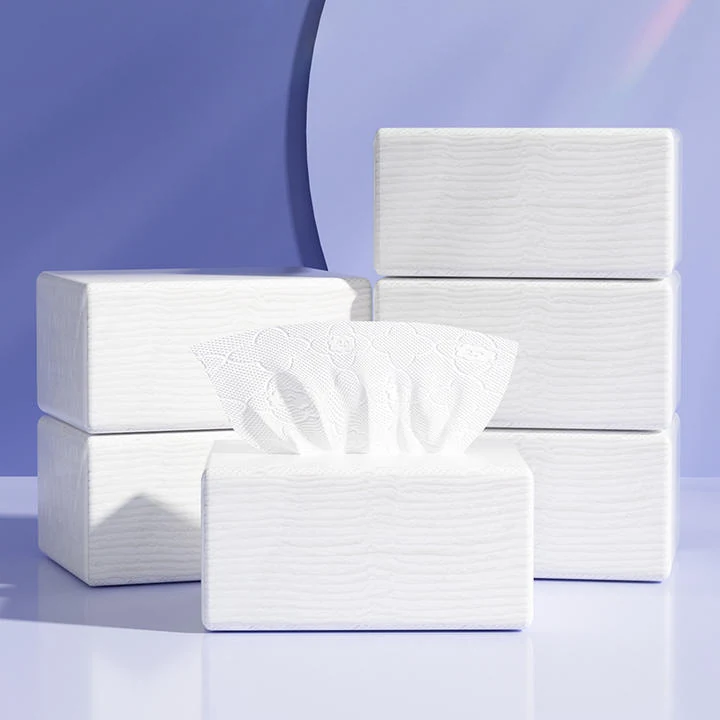
Многие покупатели видят на упаковках туалетной бумаги такие термины, как ECF и TCF, но не знают, что они на самом деле означают. Это может привести к неверным решениям при покупке и ненужным опасениям.
ECF и TCF — это два разных метода отбеливания целлюлозы. При методе ECF вместо элементарного хлора используется диоксид хлора, тогда как при методе TCF не применяются никакие химические вещества на основе хлора. Оба метода позволяют производить безопасную и высококачественную туалетную бумагу при условии соблюдения международных стандартов качества и охраны окружающей среды.
Многие импортеры, оптовики и розничные продавцы интересуются вопросами отбеливания, поскольку покупатели как никогда ранее уделяют внимание вопросам здоровья, экологической устойчивости и качества продукции. Понимание этих стандартов помогает покупателям сравнивать поставщиков, снижать риски при закупках и выбирать продукцию, соответствующую потребностям их рынка.
В чём заключается разница между отбеливанием методами ECF и TCF?
Многие покупатели полагают, что вся отбеленная туалетная бумага производится одинаково. Это не так. Различные методы отбеливания по-разному влияют на окружающую среду, затраты на производство и рыночные позиции.
При отбеливании по технологии ECF (Elemental Chlorine Free) вместо элементарного хлора используется диоксид хлора. При отбеливании по технологии TCF (Totally Chlorine Free) соединения хлора полностью удаляются, а вместо них используются отбеливающие вещества на основе кислорода.
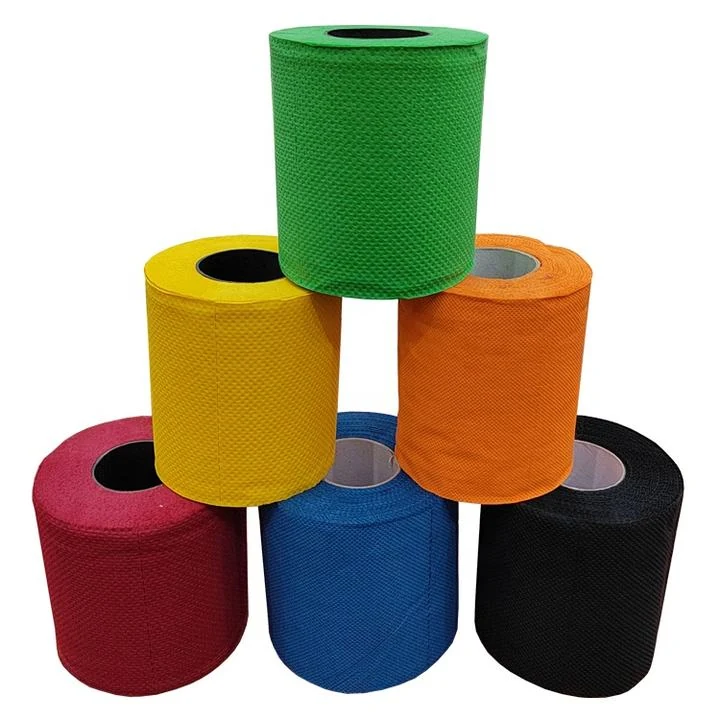
В процессе отбеливания из древесной массы удаляется лигнин. Лигнин придает древесине естественный коричневый цвет. Если лигнин остается в бумаге, изделие выглядит темнее и со временем теряет прочность. Отбеливание придает бумаге ярко-белый вид, которого ожидают многие потребители.
Что нужно знать об отбеливании методом ECF
Аббревиатура ECF означает «без использования элементарного хлора» (Elemental Chlorine Free). При этом методе не используется газообразный элементарный хлор. Вместо этого производители применяют диоксид хлора в процессе отбеливания.
Это изменение было важным, поскольку при производстве элементарного хлора выделялись значительные количества вредных диоксинов. Диоксид хлора позволяет значительно сократить эти выбросы, при этом по-прежнему обеспечивая яркость и прочность бумаги.
Сегодня большая часть первичной целлюлозы, используемой во всем мире, производится по технологии ECF. Она стала отраслевым стандартом, поскольку обеспечивает оптимальный баланс между качеством продукции, эффективностью производства и защитой окружающей среды.
Что такое отбеливание по методу TCF
Аббревиатура TCF означает «полностью без хлора».
В этом процессе используются такие химические вещества, как:
- Кислород
- Озон
- Перекись водорода
Эти химические вещества удаляют лигнин без добавления хлорсодержащих соединений.
Технология TCF пользуется популярностью на некоторых рынках, ориентированных на защиту окружающей среды, особенно в некоторых регионах Европы. Однако она требует более тщательного контроля в процессе производства и может привести к увеличению производственных затрат.
Сравнение «бок о бок»
| Особенность | ECF | TCF |
|---|---|---|
| Использует элементарный хлор | Нет | Нет |
| Использует диоксид хлора | Да | Нет |
| Использует химические вещества на основе кислорода | Иногда | Да |
| Яркость | Очень высокий | Высокий |
| Себестоимость производства | Ниже | Выше |
| Доступность по всему миру | Очень распространенное явление | Реже встречается |
| Положение на рынке | Основной поток | Рынок эко-товаров премиум-класса |
Почему большинство производителей выбирают ECF
Многолетний опыт работы с международными покупателями позволяет сделать один совершенно очевидный вывод. Большинство оптовых покупателей обращают внимание на три вещи:
- Стабильное качество
- Конкурентоспособные цены
- Надежные поставки
ECF отлично отвечает этим требованиям.
Крупные производственные линии позволяют поддерживать стабильную яркость при одновременном контроле затрат. Многие международные сертификаты также признают целлюлозу ECF экологически безопасной, если она производится в соответствии со строгими системами экологического менеджмента.
Именно поэтому супермаркеты, отели, оптовые компании и предприятия по переработке бумаги часто выбирают продукцию ECF для своих основных ассортиментов.
TCF по-прежнему занимает важное место на рынке. Покупатели, работающие с экологически ориентированными брендами или клиентами, придерживающимися строгих экологических требований, могут специально запрашивать целлюлозу TCF. В таких случаях более высокая себестоимость производства становится частью премии за качество продукта, а не его недостатком.
Суть проста. ECF и TCF — это не противопоставление "хорошего и плохого". Это разные решения, разработанные для разных рынков.
Является ли туалетная бумага TCF более безопасной, чем ECF?
Многие потребители считают, что отсутствие хлора автоматически означает большую безопасность. Это звучит логично, но на самом деле ответ на этот вопрос гораздо сложнее, чем многие предполагают.
Современные научные данные свидетельствуют о том, что туалетная бумага как из ECF, так и из TCF считается безопасной при условии, что она производится в соответствии с современными производственными стандартами и нормами качества.
Безопасность зависит от всего производственного процесса в целом, а не только от метода отбеливания.
Почему возник этот вопрос
Много лет назад отбеливание с использованием элементарного хлора создавало серьезные экологические проблемы. В результате этого процесса образовывались опасные диоксины, что вызвало обеспокоенность во всем мире.
Современная технология ECF позволила в значительной степени решить эту проблему за счет замены элементарного хлора на диоксид хлора.
В результате на современных заводах ECF объем образования нежелательных побочных продуктов крайне низок.
На чем сосредоточены международные стандарты
В ходе проверок качества обычно проверяются:
- Химические остатки
- Тяжёлые металлы
- Микробное загрязнение
- Чистота продукции
- Переносимость кожей
Если продукт проходит эти проверки, он считается безопасным для использования потребителями независимо от того, получена ли целлюлоза методом отбеливания ECF или TCF.
Что на самом деле влияет на безопасность
Многие покупатели обращают внимание исключительно на отбеливание. На самом деле гораздо большее значение имеют несколько других факторов.
Качество сырья
Целлюлоза из первичного сырья, как правило, отличается высокой степенью чистоты.
Вторичная целлюлоза требует тщательной очистки и сортировки перед началом производства.
Контроль производства
На современных заводах осуществляется мониторинг:
- Качество воды
- Чистота оборудования
- Дозировка химических веществ
- Температура сушки
- Окончательная проверка
Эти параметры напрямую влияют на конечный продукт.
Сертификаты
Надежные поставщики, как правило, имеют сертификаты, подтверждающие качество продукции и эффективность управления производством.
К примерам относятся:
- ISO 9001
- FSC
- Испытания SGS
- Соответствие требованиям FDA для соответствующих продуктов
Распространенные заблуждения покупателей
| Миф | Реальность |
|---|---|
| TCF всегда безопаснее | Как ECF, так и TCF являются безопасными при условии их надлежащего производства. |
| ECF по-прежнему использует газообразный хлор | В системе ECF не используется газообразный элементарный хлор. |
| Белая бумага всегда содержит вредные химические вещества | Современные методы отбеливания оставляют после стирки и обработки практически никаких химических остатков. |
| Коричневая бумага всегда полезнее для здоровья | Один только цвет не определяет безопасность продукта. |
При обсуждении вопросов отбеливания с зарубежными покупателями разговор часто переходит от вопросов безопасности к вопросам маркетинга.
Некоторые розничные продавцы стремятся продвигать продукцию с маркировкой "Полностью без хлора", поскольку экологически сознательные потребители обращают внимание на эту маркировку.
Другие покупатели уделяют особое внимание стоимости, стабильности поставок и стабильному качеству. Для этих компаний ECF по-прежнему остается предпочтительным вариантом, поскольку демонстрирует отличные показатели при сохранении конкурентоспособных цен.
Оба варианта могут оказаться успешными, если они соответствуют ожиданиям клиентов.
Какой метод отбеливания является более экологичным?
В настоящее время многие отделы закупок учитывают аспекты устойчивого развития при оценке поставщиков. Технологии отбеливания играют определенную роль, но это лишь одна из составляющих гораздо более широкой экологической картины.
При TCF полностью исключается использование химикатов на основе хлора, в то время как при ECF обеспечиваются превосходные экологические показатели при меньшем энергопотреблении во многих производственных системах. Выбор более экологичного варианта зачастую зависит от всего производственного процесса в целом, а не только от самого процесса отбеливания.
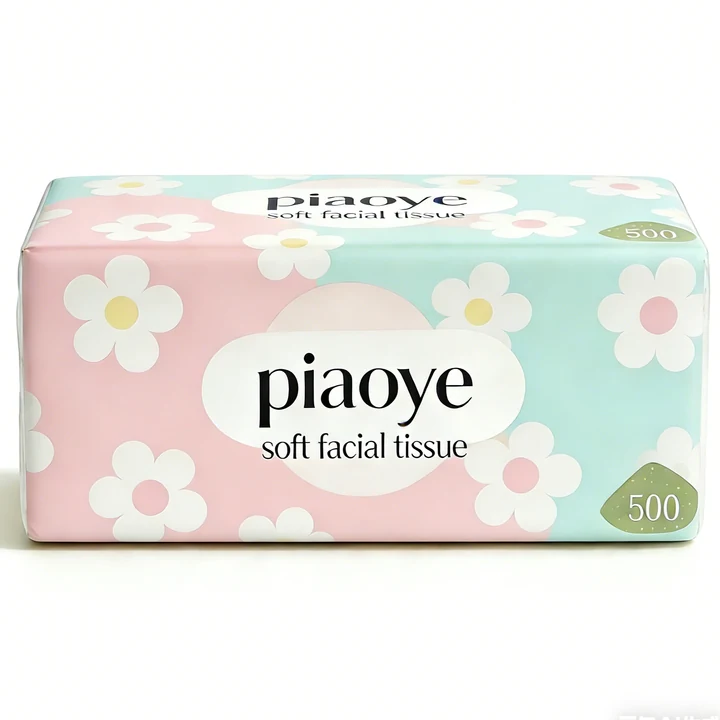
Воздействие на окружающую среду следует оценивать на протяжении всей производственной цепочки.
Взгляд за пределы отбеливания
Ответственное производство бумаги включает в себя:
- Устойчивое лесопользование
- Эффективная очистка воды
- Потребление энергии
- Сокращение объема отходов
- Транспорт
- Упаковка
- Переработка отходов
Завод, использующий возобновляемые источники энергии, может оказывать меньшее воздействие на окружающую среду, чем другой завод, применяющий отбелку методом TCF, но работающий на устаревшем оборудовании.
Вопросы лесопользования
Многие ответственные производители закупают целлюлозу из сертифицированных лесов.
Эти леса:
- Заменить срубленные деревья
- Защищайте дикую природу
- Сократить масштабы незаконной вырубки лесов
- Обеспечение долгосрочного благополучия лесов
Сертификация лесов зачастую приносит большую экологическую пользу, чем просто выбор метода отбеливания.
Управление водными ресурсами
Современные целлюлозные заводы вкладывают значительные средства в очистку сточных вод.
Современные системы удаляют загрязняющие вещества до того, как вода возвращается в окружающую среду.
Как на заводах ECF, так и на заводах TCF можно обеспечить отличные показатели очистки сточных вод при использовании современных технологий очистки.
Энергоэффективность
Отбеливание методом TCF иногда требует дополнительных этапов обработки.
Эти показатели могут увеличиться:
- Потребление электроэнергии
- Использование Steam
- Производственные затраты
Современные системы ECF зачастую работают очень эффективно, поскольку благодаря многолетним разработкам этот процесс был оптимизирован.
Это объясняет, почему сравнения показателей устойчивого развития редко бывают простыми.
Углеродный след
Транспорт также влияет на устойчивое развитие.
Поставщик, расположенный поблизости и располагающий эффективной логистикой, может обеспечить меньший объем выбросов углерода, чем при импорте продукции премиум-класса из ТКФ на большие расстояния.
В настоящее время многие покупатели оценивают общий объем выбросов по всей цепочке поставок, а не сосредотачиваются исключительно на процессе отбеливания.
При оценке поставщиков полезно задавать более общие вопросы, например:
- Откуда берется целлюлоза?
- Лес сертифицирован?
- Как происходит очистка сточных вод?
- Сокращает ли завод выбросы?
- Используется ли возобновляемая энергия?
- Можно ли переработать упаковку?
Эти вопросы позволяют составить гораздо более четкое представление об экологической ответственности, чем простое изучение маркировок ECF или TCF.
Лучшие поставщики постоянно совершенствуют все этапы производства, а не полагаются на одно-единственное заявление об экологичности.
Какие стандарты отбеливания должны знать покупатели?
Импортеры часто получают технические характеристики продукции, изобилующие техническими терминами. Без понимания этих терминов сравнивать поставщиков становится сложно.
Покупатели должны понимать разницу между методами отбеливания, экологическими сертификатами, источниками целлюлозы и системами управления качеством на предприятиях. В совокупности эти факторы дают гораздо более полное представление о качестве продукции, чем одни только стандарты отбеливания.
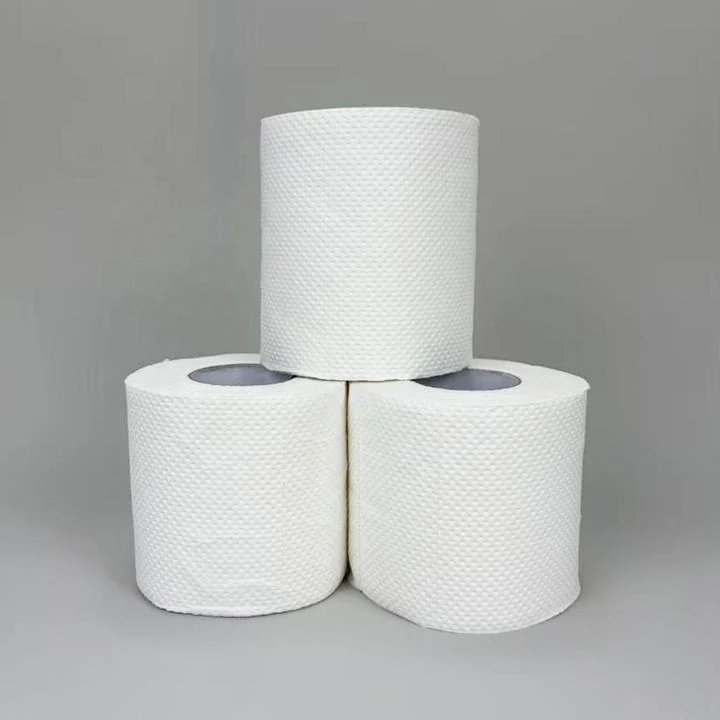
Принимать решения о покупке становится гораздо проще, когда покупатели знают, какая информация действительно важна.
Важные термины, связанные с отбеливанием
К распространенным терминам относятся:
- ECF
- TCF
- Необработанная целлюлоза
- Вторичная целлюлоза
- Яркость
- Белизна
- Целлюлоза, сертифицированная по стандарту FSC
Каждый из них описывает отдельный аспект продукта.
Вопросы, которые стоит задать поставщикам
Вместо того чтобы спрашивать только о том, является ли бумага ECF или TCF, покупатели должны также задать следующие вопросы:
- Какая целлюлоза используется?
- Какие сертификаты можно получить?
- Как проводится контроль качества?
- Какие экологические стандарты соблюдает завод?
- Можно ли предоставить лабораторные отчеты?
- Проводятся ли партийные проверки перед отгрузкой?
Эти вопросы помогают найти надежных партнеров-производителей.
Почему документация имеет значение
Профессиональные поставщики должны предоставлять подтверждающие документы по запросу.
К примерам относятся:
- Отчеты о проверке качества
- Технические характеристики материалов
- Заверенные копии
- Протоколы испытаний
- Технические паспорта продукции
Документация помогает покупателям проверить достоверность заявлений перед размещением крупных заказов.
Установление долгосрочных отношений с поставщиками
Во многих проектах по закупкам закупщики приходят к выводу, что стабильное качество имеет большее значение, чем выбор между ECF и TCF.
Надежные поставщики, как правило, демонстрируют:
- Стабильное производство
- Четкое общение
- Стабильные поставки
- Прослеживаемое сырье
- Полный контроль качества
Эти преимущества позволяют снизить риски, связанные с закупками, на долгие годы.
Стандарты отбеливания по-прежнему играют важную роль, поскольку покупатели всё чаще задают вопросы об экологичности и безопасности продукции. Однако успешный подбор поставщиков всегда зависит от совокупности целого ряда факторов.
При принятии взвешенного решения о закупке учитываются такие факторы, как эксплуатационные характеристики продукции, ожидания клиентов, экологическая ответственность, стабильность производства, наличие сертификатов и способность обеспечить поставки в долгосрочной перспективе.
Когда покупатели понимают, как показатели ECF и TCF вписываются в общую картину, сравнение поставщиков становится более объективным. Вместо того чтобы сосредотачиваться на одном техническом термине, специалисты по закупкам могут оценивать производственную систему в целом и выбирать решение, которое наилучшим образом способствует достижению их бизнес-целей.
Заключение
И ECF, и TCF — это современные методы отбеливания, позволяющие производить безопасную туалетную бумагу высокого качества. Оптимальный выбор зависит от вашего рынка, ожиданий потребителей, целей в области устойчивого развития и бюджета. Учет сертификатов, качества производства и ответственного подхода к закупкам всегда поможет принять более взвешенное решение о закупках, чем сосредоточение внимания исключительно на методе отбеливания.