Skip to content

Choosing a toilet paper manufacturer can feel simple at first. But poor quality, weak supply, and late delivery can quickly create serious problems for buyers.
The top toilet paper manufacturers in the USA include Procter & Gamble, Kimberly-Clark, Georgia-Pacific, Essity, Clearwater Paper, Sofidel America, Kruger Products, First Quality Tissue, Cascades, and Resolute Tissue. They serve retail, commercial, private-label, and institutional markets.
Each company has a different position in the market. Some focus on famous household brands. Some produce private-label toilet paper for supermarket chains. Others mainly serve hotels, hospitals, offices, schools, airports, and public buildings. Understanding these differences helps buyers compare suppliers in a more practical way.
Who Are the Largest Toilet Paper Manufacturers in the USA?
Large manufacturers can appear similar from the outside. But their brands, target markets, factory systems, and supply models are often very different.
The largest toilet paper manufacturers in the USA include Procter & Gamble, Kimberly-Clark, Georgia-Pacific, Essity, Clearwater Paper, Sofidel America, Kruger Products, First Quality Tissue, Cascades, and Resolute Tissue. Their operations cover branded products, private labels, commercial tissue, and large-volume supply.
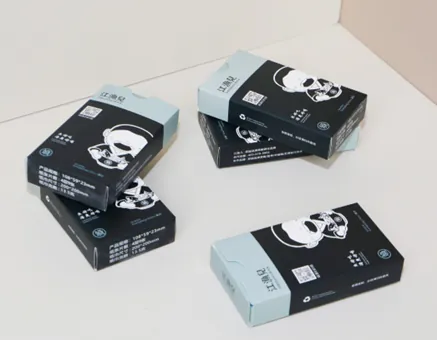
The US toilet paper market includes several types of manufacturers. Some companies manage well-known consumer brands. Some act as major private-label producers. Some focus on away-from-home tissue used in hotels, restaurants, schools, hospitals, factories, offices, and transport hubs.
A large company is not always the best supplier for every buyer. A supermarket chain may need stable retail packaging and regular restocking. A hotel supplier may care more about jumbo rolls, dispenser fit, paper strength, and carton loading. An importer may need private labeling, flexible specifications, and clear export documents.
Top 10 Major Toilet Paper Manufacturers
| Manufacturer | Main Brand or Product Focus | Main Customer Group |
|---|---|---|
| Procter & Gamble | Charmin toilet paper | Household retail customers |
| Kimberly-Clark | Cottonelle and Scott | Retail and commercial buyers |
| Georgia-Pacific | Angel Soft and Quilted Northern | Supermarkets and household users |
| Essity | Tork commercial tissue | Hotels, offices, and public facilities |
| Clearwater Paper | Private-label tissue | Retail chains and store brands |
| Sofidel America | Consumer and private-label tissue | Retailers and distributors |
| Kruger Products | White Cloud and private labels | Retail and wholesale markets |
| First Quality Tissue | Branded and private-label products | Retailers and institutional buyers |
| Cascades | Recycled and commercial tissue | Businesses and public facilities |
| Resolute Tissue | Retail and private-label tissue | Retailers and distributors |
Procter & Gamble
Procter & Gamble is widely known for Charmin. The brand focuses heavily on household consumers and offers several product types. These include soft, strong, standard, and large-roll options. The company uses strong marketing, wide retail access, and large-scale production to keep its position in the market.
For a buyer, brand power is one of the main advantages. Consumers already know the product. However, this type of supplier may not be suitable for a small private-label project. Large brand owners usually follow their own product and distribution systems.
Kimberly-Clark
Kimberly-Clark produces Cottonelle and Scott products. Cottonelle often serves buyers looking for a softer and more premium product. Scott is known for practical use, high sheet counts, and broad household and commercial demand.
The company serves more than one market level. This gives distributors and retailers access to different price points. It also shows why one manufacturer may use several brands instead of forcing one product to serve every customer.
Georgia-Pacific
Georgia-Pacific is connected with Angel Soft and Quilted Northern. These brands cover value, mid-range, and premium retail positions. The company also has experience in commercial tissue and related paper products.
This broad product range matters because the needs of a household buyer are not the same as those of a hotel group or office supply company. A large manufacturer can separate products by softness, ply, roll size, sheet count, packaging, and price.
Essity
Essity is strongly linked with the commercial tissue market through Tork. Its products are often used in offices, restaurants, hotels, hospitals, schools, factories, and other public places.
Commercial buyers usually care about cost per use, dispenser systems, refill speed, storage, and cleaning efficiency. They may care less about colorful retail packaging. This makes the commercial market very different from the supermarket market.
Clearwater Paper
Clearwater Paper has been an important producer of private-label tissue products. Private-label manufacturing allows stores to sell toilet paper under their own brand names.
For retailers, this model gives more control over pricing, packaging, shelf position, and customer loyalty. It can also improve profit margins. However, private-label buyers must manage quality standards carefully because the retailer’s name appears on the package.
Sofidel America
Sofidel America is part of a large tissue manufacturing group. It produces household and private-label tissue products. The company has invested in production capacity and modern tissue operations in the US market.
Its position shows that the American market includes both domestic companies and international groups with US manufacturing facilities. Buyers should not judge a supplier only by its country of ownership. Factory location, capacity, service, and product fit are often more important.
Kruger Products
Kruger Products supplies tissue products in North America and is connected with brands such as White Cloud. It also has experience with private-label manufacturing.
Retailers often compare suppliers like Kruger based on roll size, softness, sheet count, package design, transport cost, and shelf price. These details have a direct effect on how the product competes in stores.
First Quality Tissue
First Quality Tissue produces household paper products for branded and private-label markets. The company serves large retail and institutional customers.
A manufacturer in this category needs strict process control. Even small differences in roll diameter, sheet width, paper weight, or perforation can create complaints across thousands of retail packages.
Cascades
Cascades is well known for recycled fiber products and commercial tissue solutions. It serves buyers who want products for offices, institutions, public buildings, and other away-from-home settings.
Recycled tissue can support environmental goals, but product performance still matters. Buyers need to check softness, strength, dust levels, absorbency, and dispenser compatibility instead of choosing a product based only on its environmental message.
Resolute Tissue
Resolute Tissue produces tissue products for retail and private-label customers. It operates in a market where stable supply and cost control are very important.
Private-label buyers often need a supplier that can follow exact product specifications for long periods. A small change in color, embossing, roll length, or packaging can affect customer trust. This makes process stability a key part of the supplier relationship.
Large manufacturers lead the market because they combine production scale, distribution, equipment, quality systems, and customer access. Still, size alone does not guarantee a good sourcing result. The right choice depends on the buyer’s order size, target market, packaging needs, quality level, and delivery plan.
Which Toilet Paper Brands Are Made in America?
A familiar brand name does not always explain where every roll is produced. Factory locations, product types, and supply plans can differ within the same company.
Several major toilet paper brands are produced in US manufacturing facilities, including Charmin, Cottonelle, Scott, Angel Soft, Quilted Northern, and many store-brand products. Production location can vary by product line, factory capacity, and regional supply needs.

Many buyers use the phrase “made in America” as a simple quality signal. However, the real situation is more detailed. A company may own several factories. One product may be made in one state, while another product from the same brand may come from a different facility. Packaging material, pulp, chemicals, and machine parts may also come from several sources.
Well-Known Brands in the US Market
Charmin is one of the most recognized toilet paper brands in the country. It is sold in many package sizes and product grades. The brand often focuses on softness, strength, and larger rolls.
Cottonelle is another major household brand. Its products are often positioned around cleaning performance and softness. Scott serves both practical household use and commercial demand. Its high-sheet-count products appeal to buyers who focus on value and longer use.
Angel Soft often competes in the value and mid-range market. Quilted Northern usually has a stronger premium position. White Cloud has also appeared in the retail tissue market through different supply and distribution arrangements.
Private-Label Toilet Paper
A large share of toilet paper is sold under supermarket, warehouse club, pharmacy, and discount-store names. Customers may not know the actual factory behind these products.
Private-label toilet paper can be produced by large tissue manufacturers with the equipment and capacity to follow a retailer’s specifications. The retailer may choose the number of plies, sheet size, roll diameter, embossing pattern, paper softness, pack count, and package design.
Private-label supply gives retailers several benefits. It gives them more control over their price position. It also helps them build loyalty around their own store name. In some cases, it allows them to offer a product that looks different from national brands.
However, a store brand also creates risk. Customers blame the retailer when the product has weak paper, loose winding, damaged packaging, poor perforation, or changing quality. The retailer must choose a manufacturer with strong quality control.
What “Made in America” Means for Buyers
Domestic production can shorten transport distance within the country. It can also make replenishment easier when demand rises quickly. Buyers may have fewer ocean freight risks, customs delays, and import document problems.
Still, domestic production does not always mean fast delivery. A large factory may have full production schedules. A well-known manufacturer may give priority to major accounts. Smaller buyers may face high minimum orders or limited customization.
Imported toilet paper can also remain competitive. Overseas factories may offer more flexible private-label packaging, lower minimum order levels, and a wider choice of specifications. The final decision should include total landed cost, not only the factory price.
Total landed cost includes the product, packaging, inland transport, ocean freight, customs charges, storage, inspection, and possible damage. A low unit price can become expensive when carton size wastes container space or packaging fails during transport.
Brand Name Versus Manufacturer Ability
A famous brand gives customers confidence, but it does not always give a wholesale buyer flexibility. A private-label buyer often needs direct control over product details.
The buyer may need custom embossing, a printed logo, special roll sizes, a certain sheet count, bilingual packaging, or carton marks. A large consumer brand normally does not change its standard product for one distributor.
This is why buyers should separate two questions. The first question is which brands are made in America. The second question is which manufacturers can meet a specific business need. These questions can lead to very different answers.
At JIEDA, we often see buyers compare domestic brands with OEM supply. The strongest purchasing plan usually starts with the target customer. A premium supermarket product needs a different specification from an economical hotel roll. Product design should follow real use, shelf price, and supply conditions.
How Do Toilet Paper Manufacturers Produce Paper?
A finished toilet roll looks simple. But poor control at one stage can cause weak sheets, rough paper, loose rolls, bad perforation, or damaged packaging.
Manufacturers produce toilet paper by preparing fiber pulp, forming a thin wet sheet, removing water, drying and creping the paper, and converting large parent rolls into small finished rolls. The rolls are then cut, inspected, packed, stored, and prepared for delivery.

Toilet paper production has two main parts. The first part is tissue paper making. The second part is converting. Some factories handle both parts. Other factories buy large parent rolls from paper mills and convert them into finished toilet paper.
Step 1: Choosing Raw Materials
Manufacturers can use virgin wood pulp, recycled fiber, bamboo pulp, or a blend of fibers. Each choice affects cost, softness, color, strength, dust, and environmental performance.
Virgin wood pulp often produces clean, soft, and consistent tissue. Recycled fiber can reduce the use of new wood resources, but it needs careful cleaning and processing. Bamboo pulp is used in some products because bamboo grows quickly and can support a different environmental position.
The best material depends on the market. A premium retail brand may focus on softness and appearance. A public facility may focus on strength, roll length, and cost per use. A buyer should not pay for a high-end material when the final customer only needs a basic commercial roll.
Step 2: Preparing the Pulp
The fiber is mixed with a large amount of water. The mixture is cleaned and refined to create a smooth pulp. The factory may add approved chemicals to improve strength, softness, or wet performance.
Good pulp preparation is important because uneven fiber can create holes, dust, rough areas, or weak sheets. The factory must control the mixture so each production batch stays consistent.
Step 3: Forming the Tissue Sheet
The wet pulp mixture is spread onto a moving forming fabric. Water drains away, and the fibers begin to form a thin paper web.
The paper is very weak at this stage. The machine must move it carefully through the next steps. Speed, fiber balance, water removal, and machine settings all affect the final product.
Step 4: Pressing, Drying, and Creping
The wet sheet is pressed and dried on a large heated cylinder. A blade then removes the paper from the cylinder. This action is called creping.
Creping creates the soft and flexible feel of tissue. It also adds bulk. Poor creping can make the paper too hard, too dusty, or too weak.
The factory must balance softness and strength. Very soft paper may break too easily. Very strong paper may feel rough. A good product reaches the right balance for its target market.
Step 5: Creating Parent Rolls
After drying, the tissue is wound into very large rolls. These are often called parent rolls or jumbo rolls. A parent roll is much wider and heavier than the toilet paper rolls seen in stores.
Factories inspect these large rolls before conversion. They may test paper weight, moisture, strength, softness, color, and visual defects.
Step 6: Embossing and Ply Bonding
During converting, the factory may combine one, two, three, or more layers. These layers are called plies. Embossing rollers press patterns into the paper.
Embossing is not only decorative. It can increase bulk, improve the hand feel, and help the plies stay together. Some products also use glue between layers.
The embossing design must match the paper. A deep pattern may look attractive, but too much pressure can weaken the sheet.
Step 7: Perforating and Rewinding
The paper passes through perforation knives that create tear lines. It is then wound around a cardboard core or made as a coreless roll.
The rewinding machine controls sheet count, roll length, winding tension, and diameter. Poor tension can create a loose roll or a roll that feels hard and compact. Wrong perforation can make the paper difficult to tear.
Step 8: Cutting and Packaging
The long toilet paper logs are cut into individual rolls. The rolls are then packed in plastic film, paper wrapping, or cartons.
Retail products need clear printing, barcodes, product details, and attractive package design. Commercial products may use simpler packaging because they are sold by the carton.
The factory also needs to think about transport. Large packs can look impressive, but they may waste container space. Strong carton design and good loading plans help reduce damage and lower freight cost per roll.
Quality Checks During Production
| Quality Check | What the Factory Measures | Why It Matters |
|---|---|---|
| Basis weight | Paper weight per area | Controls cost and product feel |
| Tensile strength | Resistance to breaking | Reduces tearing during use |
| Absorbency | Speed and amount of liquid uptake | Shows paper performance |
| Sheet size | Width and length of each sheet | Keeps product specifications stable |
| Roll diameter | Finished roll size | Affects packaging and dispenser fit |
| Perforation | Ease and accuracy of tearing | Improves user experience |
| Ply bonding | Strength between paper layers | Prevents layers from separating |
| Packaging seal | Strength of the package | Reduces damage and contamination |
A stable production process needs trained workers, modern equipment, clear standards, and regular inspection. Machines improve speed, but people still need to review data, solve problems, and approve finished products.
We use several checks because one test cannot show the full quality of toilet paper. A roll may look large but contain less paper because of loose winding. A soft sheet may feel good but fail a strength test. Buyers should compare complete specifications instead of judging only by appearance.
What Makes a Toilet Paper Manufacturer Reliable?
Low prices can attract attention, but one late shipment or one weak batch can remove the savings from an entire purchasing order.
A reliable toilet paper manufacturer has stable production capacity, clear quality standards, tested raw materials, accurate specifications, professional communication, and dependable delivery. The supplier should also support inspections, provide complete documents, solve problems quickly, and maintain consistent quality across repeat orders.
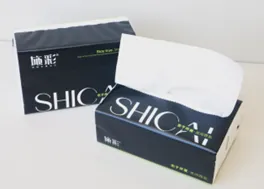
Reliability is not a single certificate or promise. It is the result of systems that work together. A buyer should review the factory, product, people, documents, production plan, and past performance.
Stable Production Capacity
A manufacturer should have enough capacity to handle the order without harming quality. Buyers should ask about monthly output, number of production lines, machine types, normal lead time, and peak-season schedules.
A large stated capacity does not always mean the full capacity is available. The factory may already have long-term orders. Buyers should ask how much open capacity exists during the planned production month.
Backup equipment also matters. One machine problem can delay an order when the factory has no alternative line. A reliable supplier has a maintenance plan and clear steps for unexpected production stops.
Clear Product Specifications
A professional quotation should include more than a price. It should show ply, material, paper weight, sheet size, sheet count, roll diameter, core size, embossing, pack count, carton details, and loading quantity.
Unclear specifications create disputes. For example, two suppliers may both quote a two-ply roll, but one roll may use less paper, fewer sheets, or a smaller sheet size.
Samples should match the written specification. The mass production order should also match the approved sample. A reliable factory keeps records so workers can repeat the same settings.
Strong Quality Control
Quality control should begin before production. The factory should inspect raw material, packaging film, cores, cartons, and printing materials.
Workers should also inspect the product during production. They should check roll weight, diameter, width, perforation, winding, embossing, and package seals.
Final inspection should happen before shipment. The inspection team can use a sampling plan to check random cartons from the finished batch. Buyers may also use a third-party inspection company.
Certifications and Test Reports
Certificates can support supplier review, but buyers should read them carefully. The company name, factory address, product scope, issuing body, and expiry date should be correct.
Common documents may include quality management certificates, responsible forestry certificates, safety information, product test reports, and material compliance records.
A certificate does not replace product inspection. It only shows that part of the company or product has passed a certain review. Buyers still need to confirm that the actual order meets the agreed requirements.
Communication and Problem Solving
Good communication is a practical part of quality. A supplier should answer questions clearly and provide realistic information.
A reliable sales team does not hide production delays. It reports the problem early and offers a workable solution. It also confirms artwork, package text, shipping marks, carton size, and order details before production.
Fast replies are useful, but accurate replies are more important. A quick promise that cannot be kept creates more harm than a careful answer based on factory data.
Packaging and Container Loading
Toilet paper takes up a lot of space compared with its weight. Container loading has a major effect on landed cost.
A reliable manufacturer should calculate package size, carton size, container quantity, and loading method before the order begins. The team should use space well without crushing the rolls.
Poor loading can create damaged cartons, deformed rolls, and wasted container space. This is a major concern for importers because freight may represent a large part of the final cost.
Our experience with wholesale buyers shows that a good loading plan can be as important as a small unit-price difference. A cheaper roll may not be cheaper after transport when its packaging uses too much space.
Delivery and Supply Stability
A professional supplier gives a production schedule and follows it. The schedule should include material preparation, printing, production, inspection, packing, and loading.
The buyer should also check the supplier’s access to pulp, packaging, cores, and cartons. A factory with weak material planning may stop production even when its machines are available.
Long-term buyers may ask for annual pricing, safety stock, repeat-order plans, or reserved production capacity. These tools can reduce risk during peak seasons.
Warning Signs Buyers Should Notice
A buyer should be careful when a supplier gives a very low price without full specifications. The product may use lower paper weight, fewer sheets, smaller rolls, or weak packaging.
Frequent changes in product details are another warning sign. A reliable supplier should not change materials or dimensions without approval.
The buyer should also question unclear factory information, expired certificates, copied test reports, poor sample quality, and slow responses to technical questions.
The best supplier is not always the cheapest or largest company. The best supplier is the one that can produce the required product, keep the quality stable, load it safely, deliver it on time, and communicate honestly when a problem appears.
Conclusion
The leading US toilet paper manufacturers serve different retail, private-label, and commercial markets. Buyers should compare more than brand size. Product specifications, production systems, quality control, packaging, delivery, and communication all matter when selecting a dependable long-term toilet paper supplier.