Skip to content
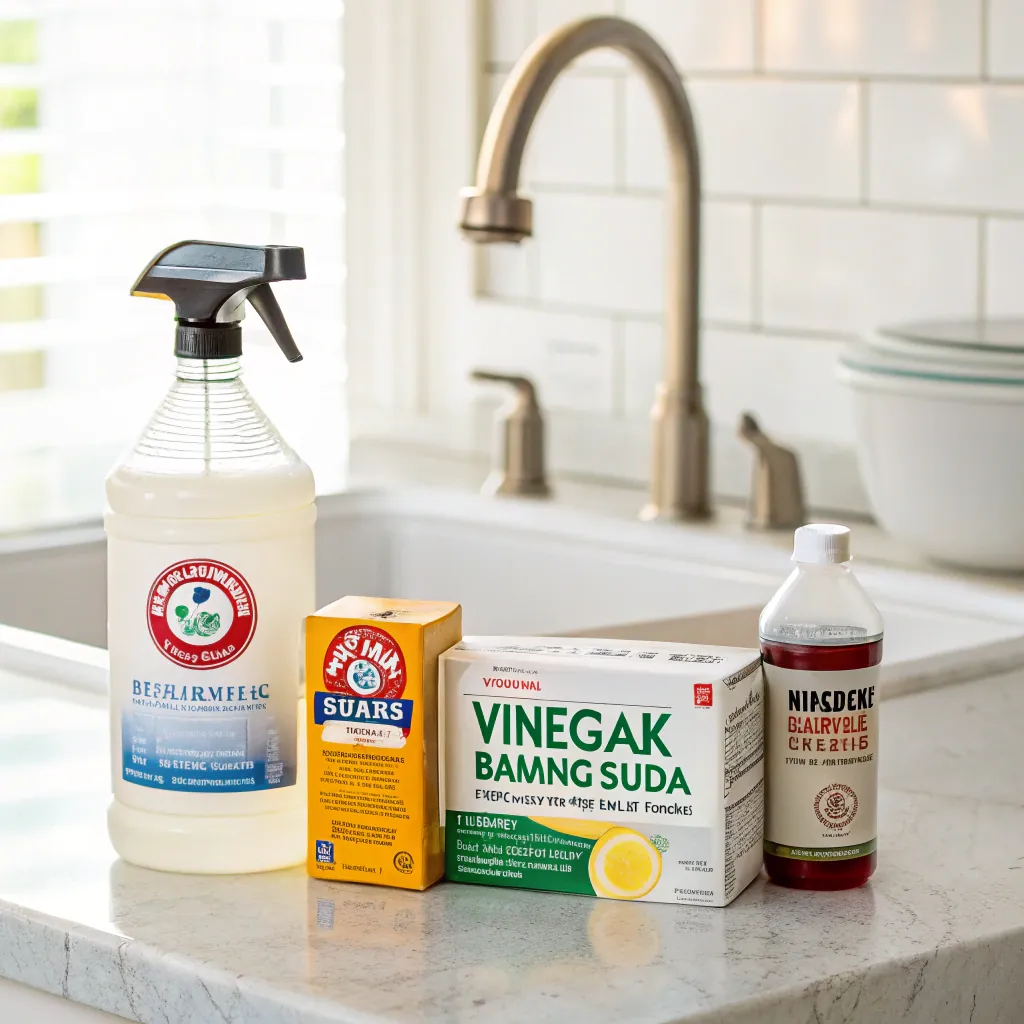
Toilet paper clogs are a common household issue. It’s frustrating when the toilet backs up, and we need to know what will help dissolve toilet paper quickly. So, how do we tackle this problem effectively?
Hot water, enzymes, and certain household products can help dissolve toilet paper, but the success of each method depends on the type of clog and the tools available at hand.
We’ve all been there – toilet paper causing a clog in the pipes. It can be a huge inconvenience, and figuring out what works to break down toilet paper can save you a lot of time. Whether you're dealing with a minor blockage or a stubborn clog, it's good to know which methods you can use to solve the problem.
Do hot water and enzymes help dissolve toilet paper?
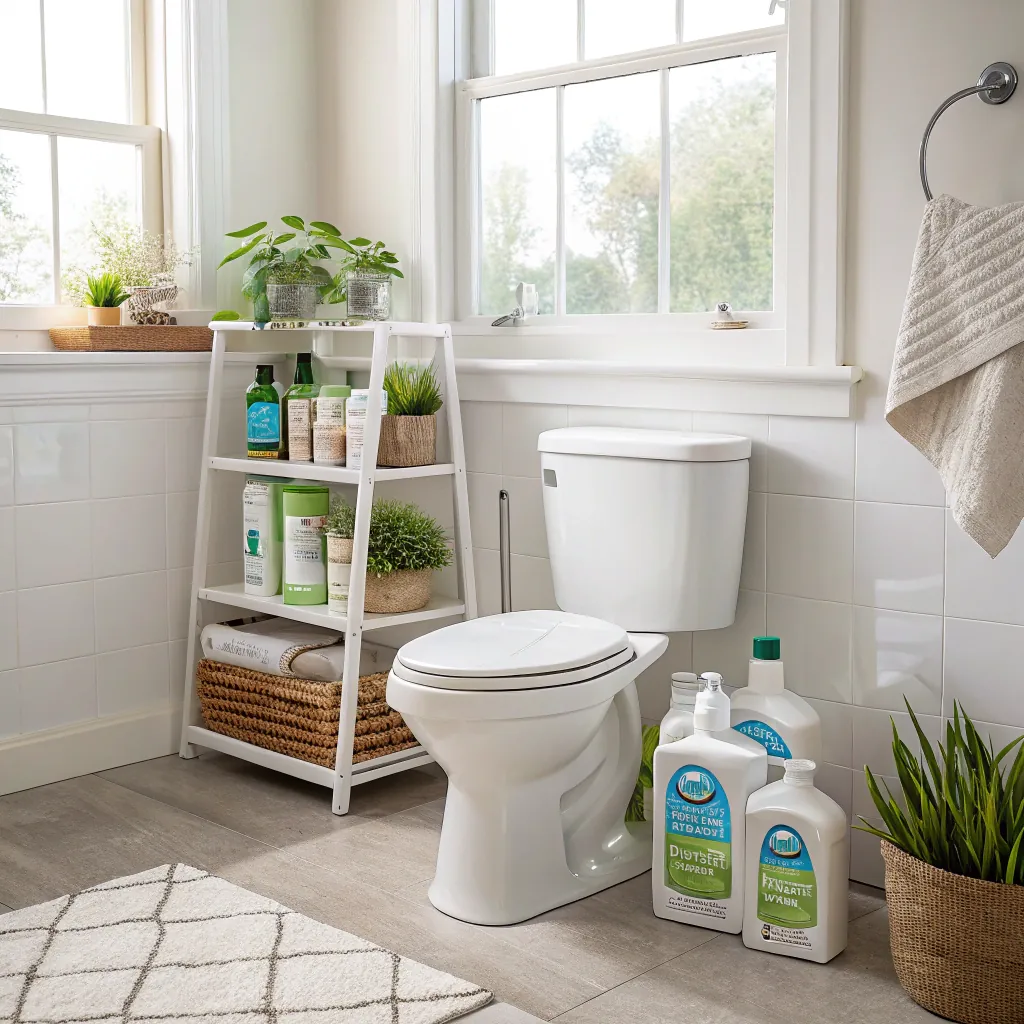
Yes, hot water and enzyme-based cleaners can help break down toilet paper. These methods are effective at dissolving toilet paper without damaging plumbing, and they work best for softer, less severe clogs.
Hot water is a simple yet effective tool for dissolving toilet paper. When you pour hot water into a clogged toilet or drain, it softens the paper, which makes it easier to break down. The heat helps loosen the fibers, allowing the water to dissolve the paper gradually.
Enzymatic cleaners, on the other hand, contain enzymes that specifically break down organic materials like toilet paper. They help decompose the fibers in the paper, speeding up the process. These cleaners are non-toxic and safe for pipes, making them a great option if you're concerned about harsh chemicals.
How hot water works
When hot water is introduced into the toilet or drain, it raises the temperature of the paper fibers. The heat makes the fibers more flexible and easier to break apart. Over time, this process can help break down the paper, allowing it to be flushed away.
How enzymes help
Enzymes are biological catalysts that break down complex organic compounds. Enzyme cleaners contain these specific enzymes that target the cellulose in toilet paper. Once they break down the cellulose, the paper becomes more soluble in water, allowing it to dissolve naturally.
Can household products speed up decomposition?
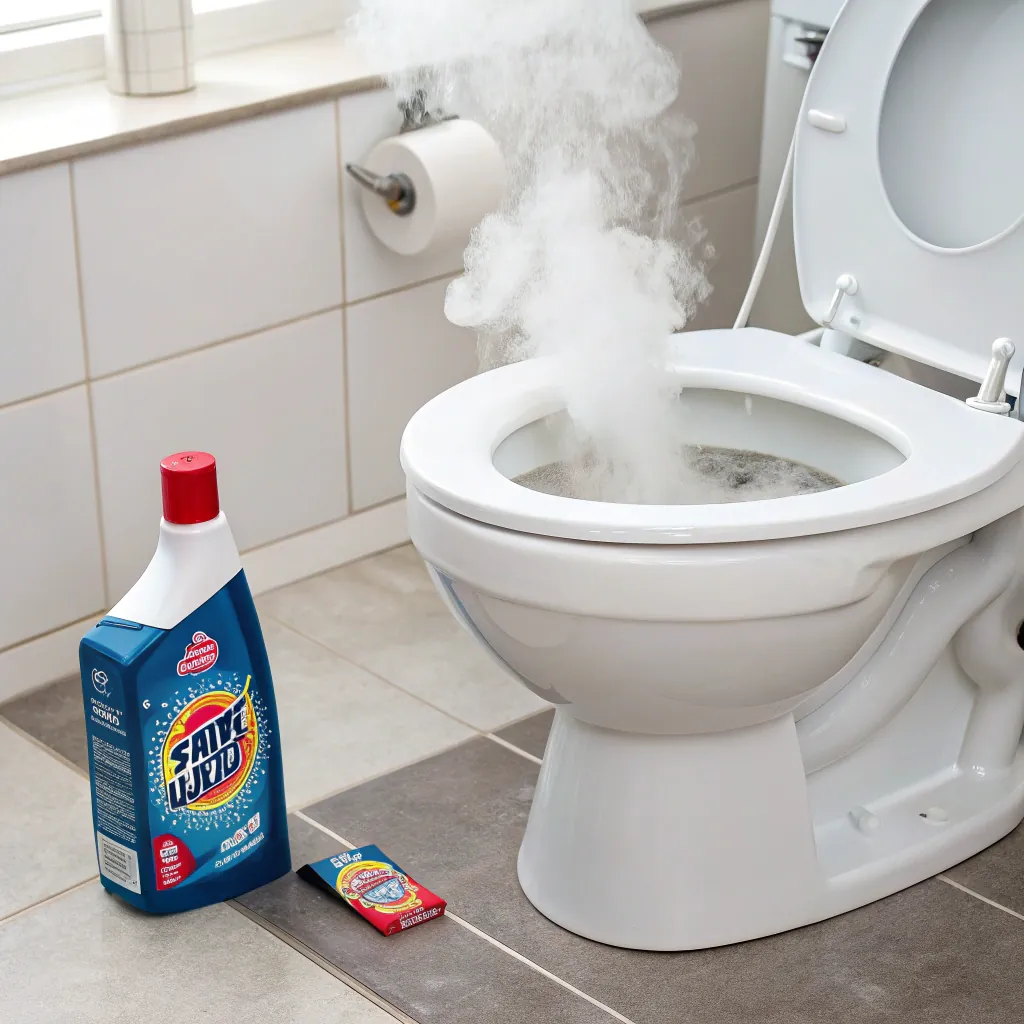
Yes, household products like vinegar, baking soda, and dish soap can all help speed up the decomposition of toilet paper. These common products are easy to use and can help prevent blockages.
Using household products is an affordable and accessible way to tackle toilet paper clogs. Products like vinegar, baking soda, and dish soap have natural properties that can help break down the paper and improve drainage. When combined with hot water, these products work even more effectively.
How vinegar and baking soda work together
Vinegar and baking soda are a classic combination for dissolving clogs. When combined, they create a fizzing reaction that helps break down organic materials like toilet paper. The acidity in vinegar weakens the paper fibers, while baking soda helps to neutralize odors and clean the pipes. The bubbling reaction can also help push through any small clogs.
How dish soap helps
Dish soap is a great option for loosening up paper clogs. It acts as a lubricant, helping to break apart the paper fibers and making it easier for water to carry them away. Dish soap also helps prevent the paper from sticking to the pipes, reducing the risk of further blockages.
What chemicals are safe for unclogging paper?
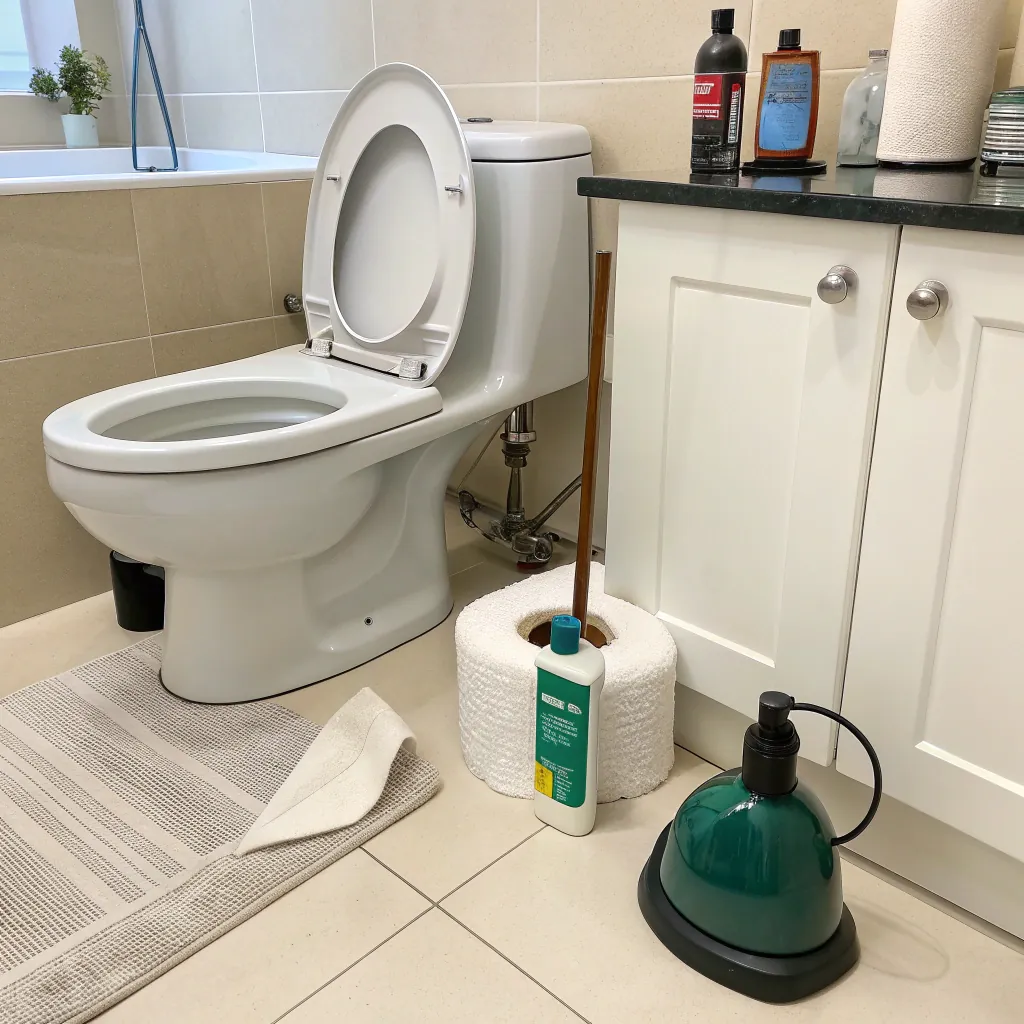
When it comes to chemicals, it's important to choose products that are safe for your plumbing and the environment. Opt for enzyme-based cleaners or milder drain cleaners to effectively dissolve toilet paper.
Using harsh chemicals like bleach or strong acids can damage your pipes and pose environmental risks. If you choose to use chemicals, make sure to pick those that are biodegradable and specifically designed for unclogging toilets. Many enzyme-based cleaners and oxygen bleach options are safe and effective without harming your plumbing.
Safe chemical options
There are several safe chemical options for dissolving toilet paper, such as enzyme-based cleaners or oxygen bleach. Enzyme-based cleaners use natural enzymes to break down paper, making them a safer alternative to harsh chemicals. Oxygen bleach works similarly by breaking down the paper fibers and lifting the clog.
What to avoid
Avoid using strong acids like sulfuric acid, as they can corrode your pipes and cause long-term damage. Similarly, avoid using bleach in excess, as it can weaken plumbing materials and pose a danger to the environment. Always opt for safer, eco-friendly products that are specifically designed for use in toilets.
Are there natural solutions for dissolving toilet paper?
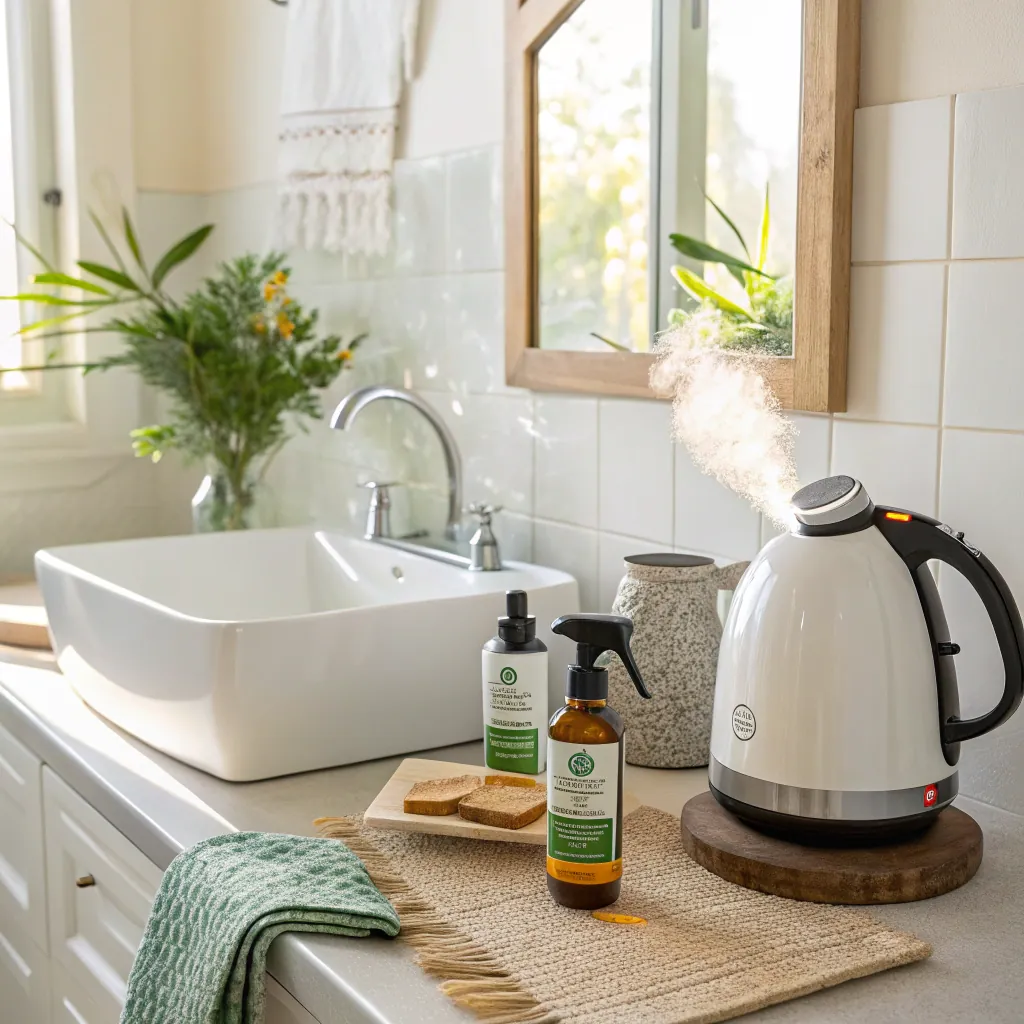
Yes, natural solutions like enzyme cleaners, hot water, and simple household ingredients are effective for dissolving toilet paper. These methods are eco-friendly and safe for your plumbing.
If you're looking for a natural approach to dissolving toilet paper, several options work just as well as chemical products. Hot water, enzyme cleaners, and even some natural household items can help dissolve toilet paper and clear blockages without introducing harsh chemicals into your home.
Natural methods in action
Enzyme cleaners are perhaps the most natural option for breaking down toilet paper. These cleaners are made from natural ingredients that specifically target organic materials like toilet paper, making them an excellent choice for a green solution. Hot water is also a key natural method—using hot water to soften and loosen the paper fibers is an old but reliable trick.
The benefits of natural methods
Natural methods are often more gentle on your pipes and less damaging to the environment than chemical solutions. They are safe to use, especially for those who are sensitive to strong cleaning agents. Additionally, natural methods are typically less expensive and readily available in most homes.
Conclusion
In summary, dissolving toilet paper effectively can be done using a variety of methods like hot water, enzyme-based cleaners, and simple household products. Whether you prefer chemical or natural solutions, there are options available to tackle your toilet paper clogs without damaging your plumbing.