Skip to content
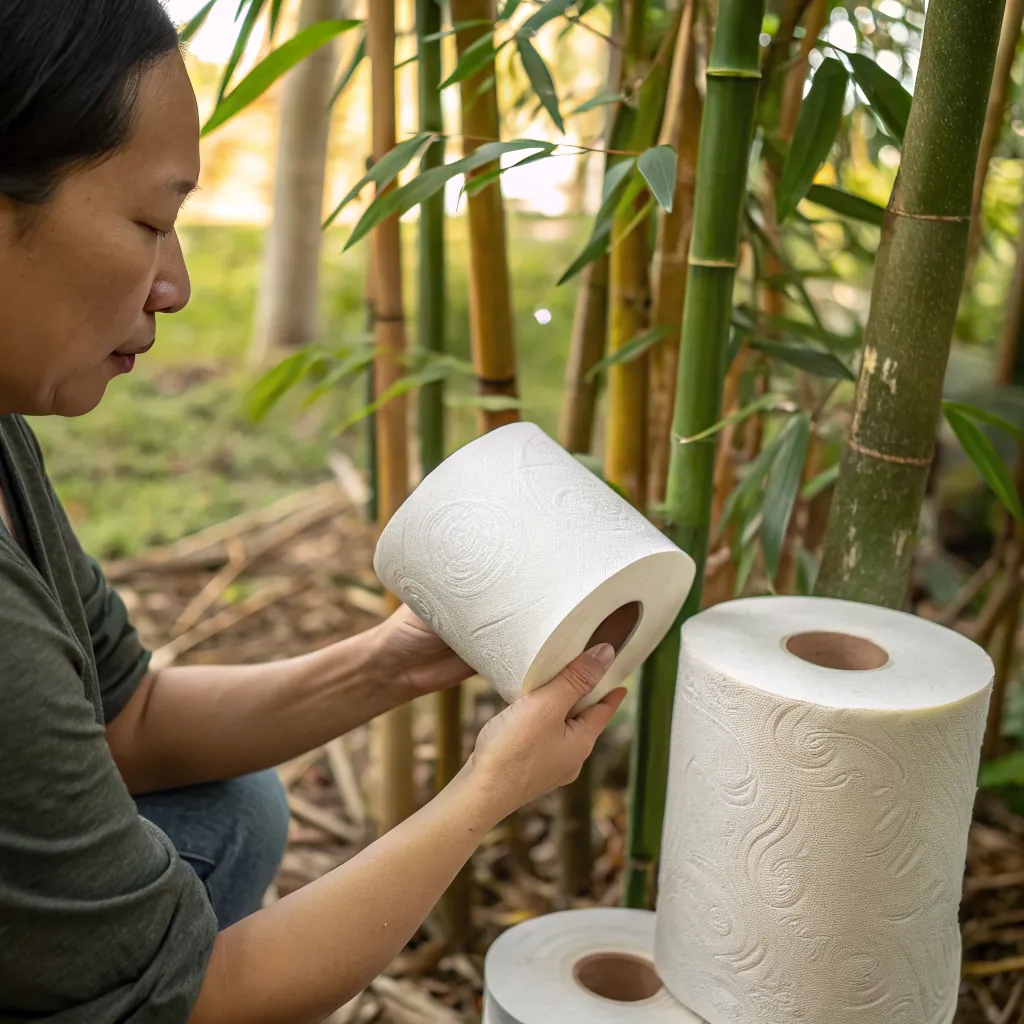
Paper choices feel simple. But many buyers now worry about cost, quality, and the planet. Regular toilet paper raises questions about trees, waste, and long-term impact.
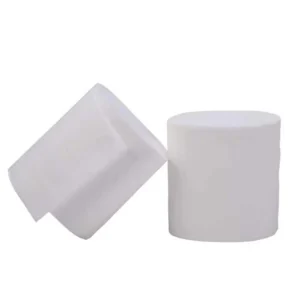
Bamboo toilet paper is made from fast-growing bamboo fibers instead of traditional wood pulp. It offers a renewable, strong, and often softer alternative with lower environmental impact.
This topic matters more than ever. Buyers, wholesalers, and brands want better products that balance price, quality, and sustainability. Let’s break it down step by step.
How is bamboo toilet paper different from regular?
People often assume all toilet paper is the same. That belief can lead to poor buying decisions, especially for bulk importers and retailers.
Bamboo toilet paper differs from regular toilet paper mainly in raw materials, growth speed, production process, and environmental impact. Bamboo grows faster and needs fewer resources than trees.
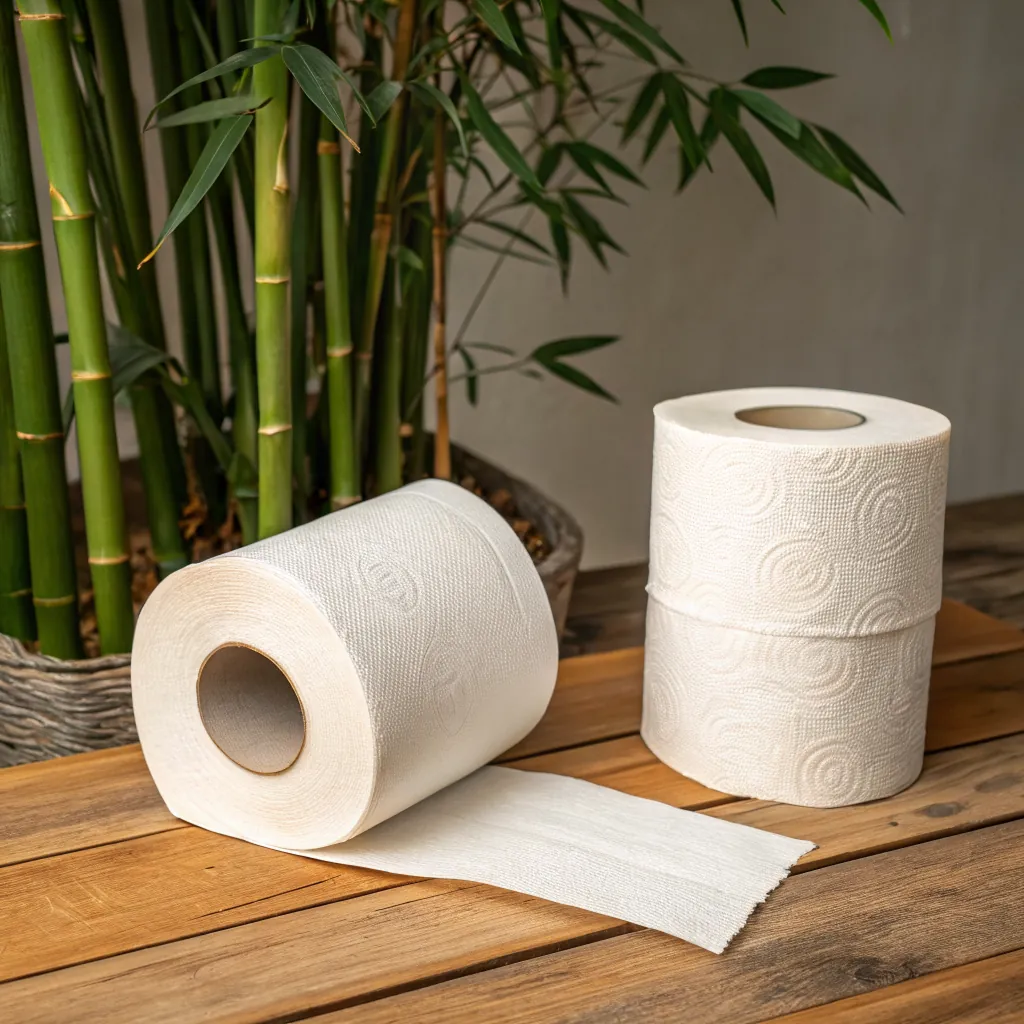
Raw Material Source
The biggest difference starts with the source.
| Feature | Bamboo Toilet Paper | Regular Toilet Paper |
|---|---|---|
| Material | Bamboo pulp | Virgin wood pulp or recycled paper |
| Growth Cycle | 3–5 years | 20–30 years |
| Land Use | Low | High |
Bamboo regenerates naturally after cutting. Trees do not. This alone changes the long-term supply stability.
Production Process
The process looks similar at first. Both use pulping, pressing, and drying. But there are key differences.
- Bamboo fibers are naturally shorter and softer
- Less bleaching is often needed
- Many bamboo products avoid chlorine
This means fewer chemicals can be used if the factory follows eco standards.
Strength and Performance
From experience working with bulk buyers, strength matters more than people expect.
Bamboo fibers create strong interlocking structures. This leads to:
- Better wet strength
- Less breakage during use
- Lower consumption per use
Supply Chain Impact
For importers like those in Africa or the Middle East, supply stability is critical.
Bamboo offers:
- Faster raw material renewal
- More predictable pricing
- Lower risk of raw material shortages
This is important when managing large monthly orders.
Is bamboo toilet paper more eco-friendly?
Many brands claim to be eco-friendly. But buyers need clear facts, not just marketing words.
Yes, bamboo toilet paper is generally more eco-friendly because bamboo grows quickly, requires less water, and absorbs more carbon compared to traditional trees.
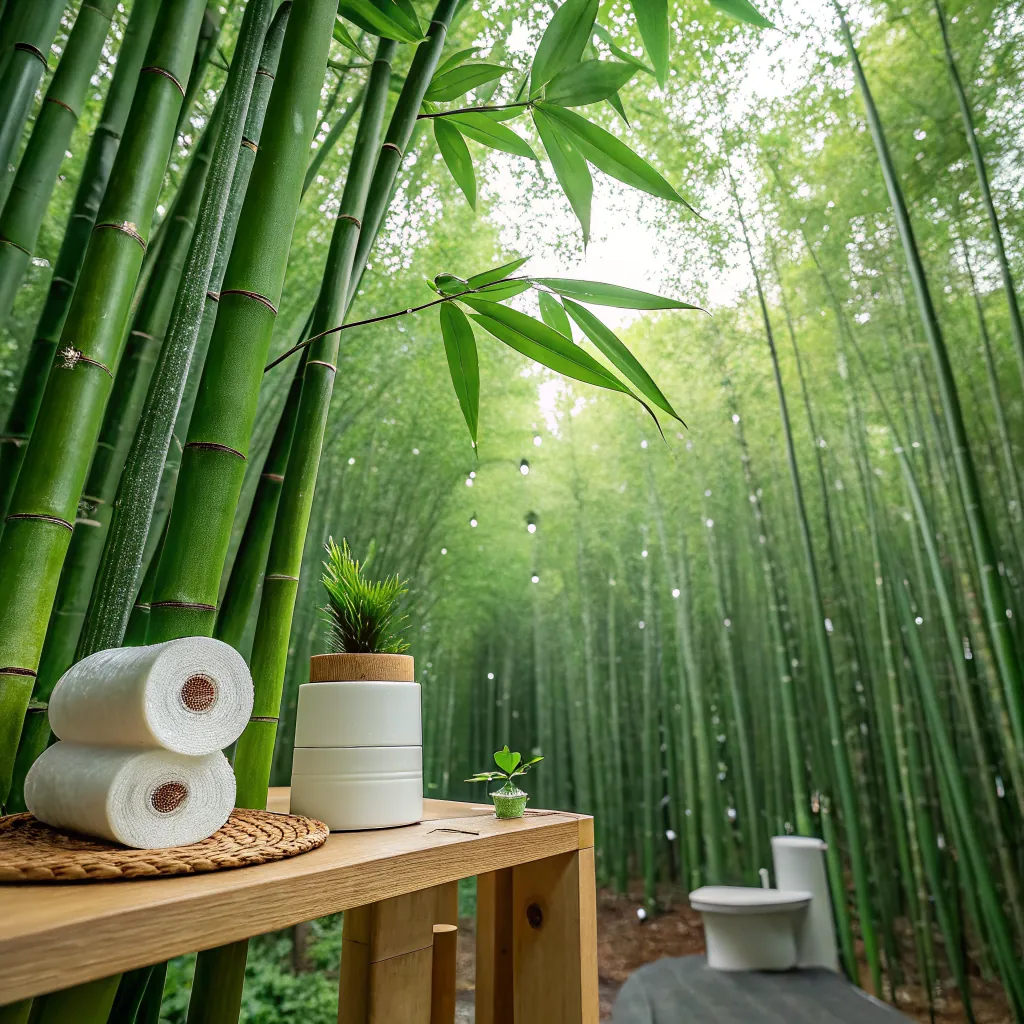
Growth Efficiency
Bamboo is one of the fastest-growing plants on earth.
- It can grow up to 1 meter per day
- It reaches maturity in 3–5 years
- It regrows without replanting
Trees, in contrast, take decades.
Resource Consumption
Let’s compare key environmental factors:
| Factor | Bamboo | Trees |
|---|---|---|
| Water usage | Low | High |
| Fertilizer need | Minimal | Moderate |
| Pesticides | Rarely needed | Often needed |
| Regrowth | Natural | Requires replanting |
This directly reduces farming impact.
Carbon Footprint
Bamboo absorbs more CO₂ than many tree species. It also releases more oxygen.
From a manufacturing point of view:
- Shorter growth cycles reduce long-term emissions
- Local sourcing reduces transport costs
- Efficient pulping reduces waste
Waste and Decomposition
Bamboo toilet paper is biodegradable.
It breaks down quickly in water systems. This reduces:
- Plumbing issues
- Septic tank overload
- Environmental residue
Real-World Buyer Concerns
In real supply cases, eco-friendly also means:
- Meeting import regulations
- Passing certifications (FSC, ISO)
- Supporting brand marketing claims
Bamboo products help brands position themselves as sustainable without major cost increases.
Does bamboo toilet paper feel softer or rougher?
Many buyers worry about one thing: comfort. No one wants a product that feels harsh.
Bamboo toilet paper is usually soft and smooth. High-quality bamboo tissue can feel equal to or even softer than standard premium toilet paper.
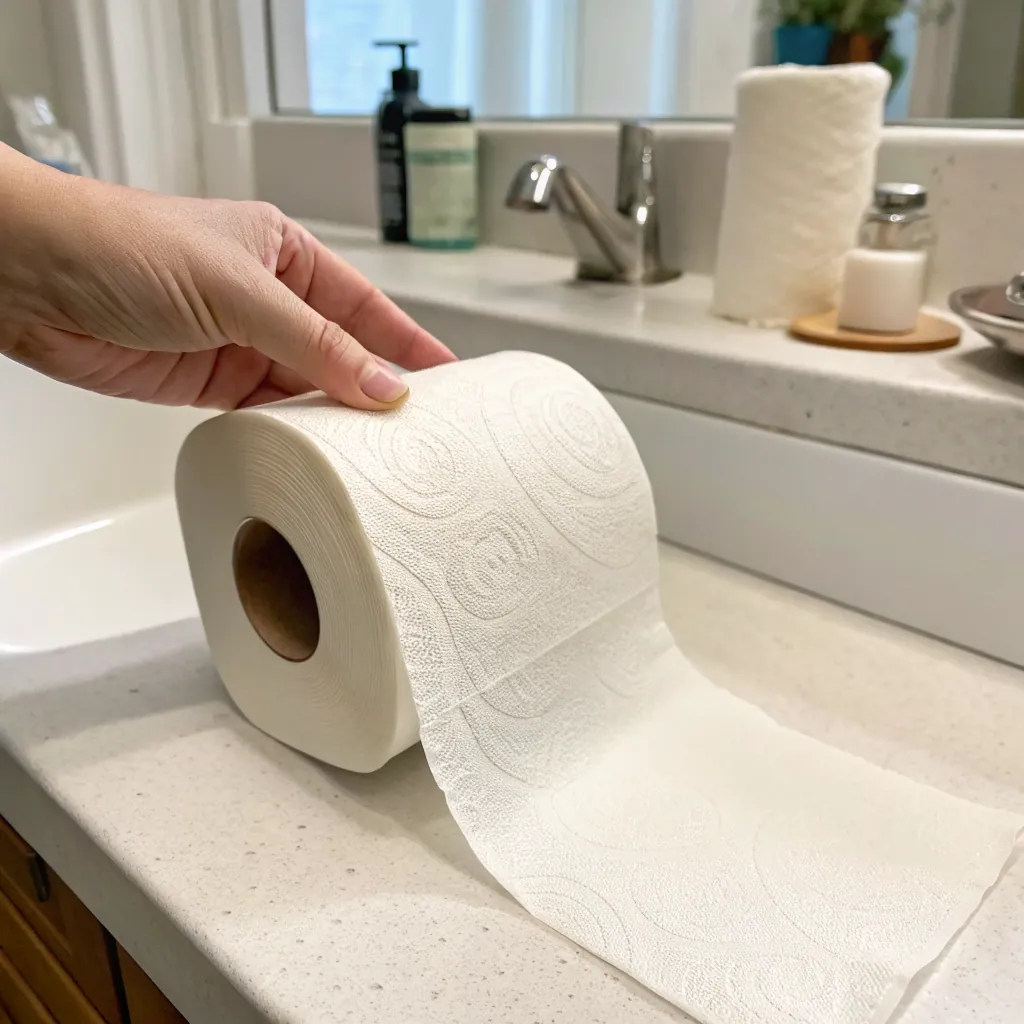
Fiber Structure
Bamboo fibers are naturally round and fine. This affects texture.
- Less sharp edges compared to wood pulp
- Better layering ability
- Smooth surface feel
Quality Depends on Processing
Not all bamboo toilet paper feels the same.
Key factors include:
- Ply count (2-ply, 3-ply, etc.)
- Embossing patterns
- Pulp refinement level
A poorly processed bamboo roll can feel rough. A well-made one feels premium.
Softness vs Strength Balance
There is always a trade-off between softness and strength.
From production experience:
- More softness = slightly less strength
- More strength = slightly firmer feel
The best factories balance both.
Market Feedback
From wholesalers and hotel suppliers:
- Customers rarely complain about softness
- Many users cannot tell the difference
- Some prefer bamboo for its clean feel
Positioning Strategy
For retailers:
- Bamboo can be marketed as “soft + eco”
- Premium packaging increases perceived value
- Target mid-to-high-end consumers
This helps improve margins.
What are the benefits of using bamboo toilet paper?
Choosing the right product is not just about cost. It is about long-term value, brand image, and customer satisfaction.
Bamboo toilet paper offers benefits like sustainability, strength, softness, fast renewability, and strong market appeal for eco-conscious consumers.
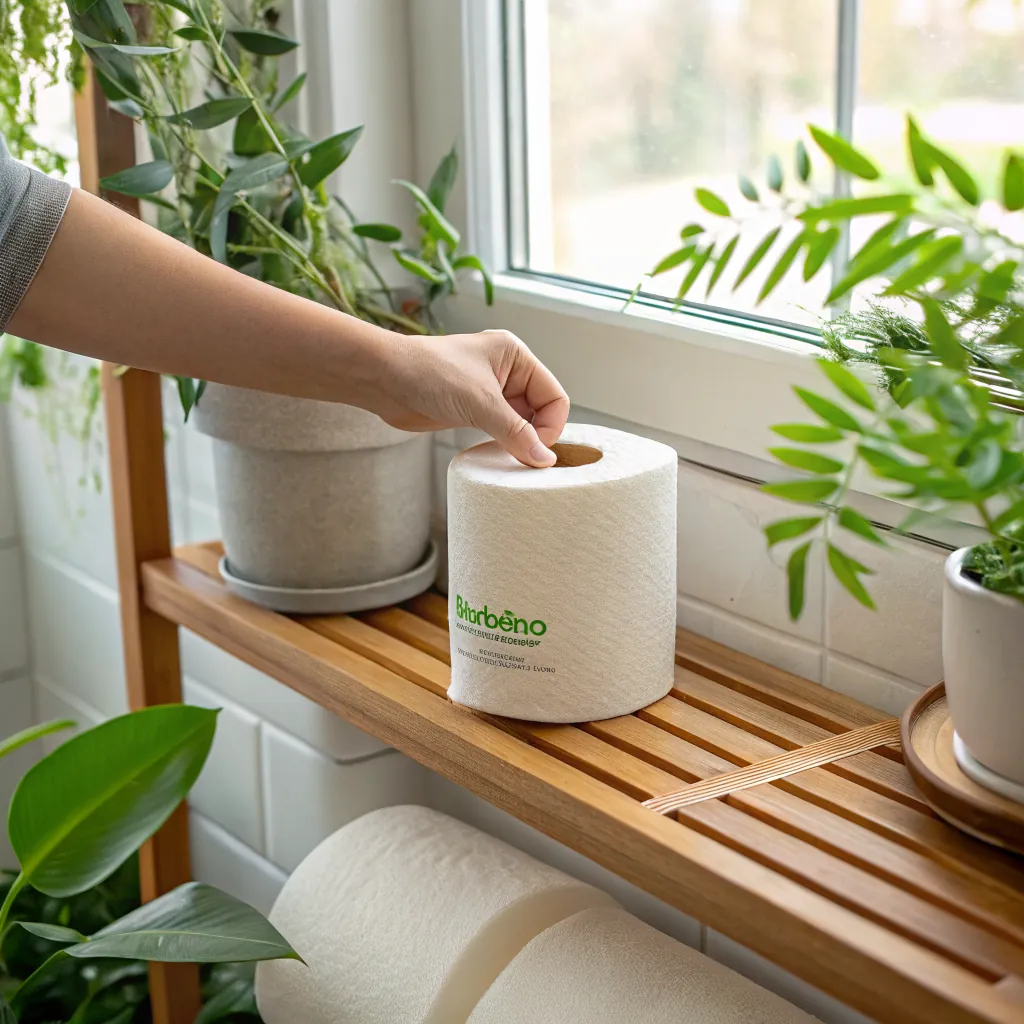
Key Benefits Overview
| Benefit | Explanation |
|---|---|
| Sustainable | Fast-growing renewable resource |
| Strong | High wet strength |
| Soft | Comfortable for daily use |
| Biodegradable | Breaks down easily |
| Marketable | Eco-friendly branding advantage |
Business Advantages
From a B2B point of view, bamboo toilet paper creates new opportunities.
1. Better Branding
Eco products sell better today.
- Easier to enter premium markets
- Supports private label growth
- Fits global sustainability trends
2. Stable Supply
Factories using bamboo often provide:
- Faster lead times
- Flexible MOQ
- Consistent raw material access
This reduces risk for importers.
3. Cost Efficiency Over Time
At first glance, bamboo may seem slightly higher in cost.
But in real use:
- Stronger paper = less usage
- Better packaging = higher retail price
- Eco branding = higher margins
4. Wide Application
Bamboo pulp is not limited to toilet paper.
It can be used for:
- Facial tissue
- Kitchen towels
- Napkins
- Wet wipes
This allows product line expansion.
5. Compliance and Certification
Many bamboo products meet:
- FSC certification
- ISO standards
- Environmental regulations
This is important for exporting to strict markets.
Practical Buyer Insight
From working with large importers:
- Hotels prefer strong and reliable rolls
- Supermarkets prefer balanced price and softness
- Distributors prefer high container loading efficiency
Bamboo products can meet all three when designed correctly.
Conclusion
Bamboo toilet paper is a smart alternative. It combines sustainability, performance, and market value, making it a strong choice for both consumers and bulk buyers worldwide.