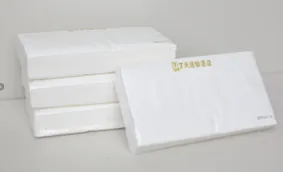
Many people worry about the environmental impact of daily tissue products. Traditional paper products can create waste problems when they are not made with responsible materials.
Biodegradable toilet paper is toilet paper designed to break down naturally after disposal. It uses materials that can decompose through natural processes, reducing long-term waste impact.
As more consumers and businesses look for sustainable products, biodegradable toilet paper has become a popular choice. Buyers now consider not only softness and price but also materials, production methods, and environmental responsibility.
How Long Does Biodegradable Toilet Paper Take To Decompose?
Many buyers want to know how quickly biodegradable toilet paper disappears after disposal. The answer depends on the paper materials, environment, moisture, and disposal conditions.
Biodegradable toilet paper usually decomposes faster than many non-biodegradable materials, but the exact time depends on the product structure and the surrounding conditions. In natural environments, decomposition can range from weeks to months.
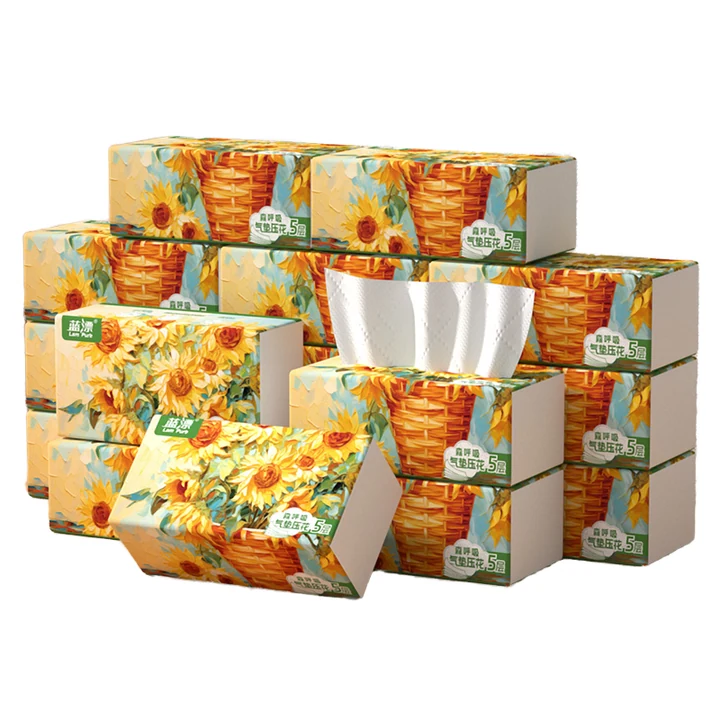
The decomposition process happens when natural microorganisms break down the paper fibers. Water, oxygen, temperature, and bacteria all influence how quickly this process happens.
Factors That Affect Decomposition Speed
Different biodegradable toilet paper products can have different breakdown speeds. Buyers should understand the main factors that affect performance.
| Factor | How It Affects Decomposition |
|---|---|
| Raw materials | Natural fibers usually break down more easily |
| Paper thickness | Thicker paper may need more time |
| Moisture level | Water helps fibers separate |
| Temperature | Warm conditions often support faster breakdown |
| Environment | Soil, water, and waste systems affect speed |
A thin biodegradable toilet paper made from natural fibers may break down faster than a thicker premium product. This does not mean thinner paper is always better. Buyers still need to balance durability and environmental goals.
Why Material Selection Matters
The raw materials used in toilet paper production directly affect decomposition.
For example, bamboo pulp and recycled paper are often selected for sustainable tissue products because their fibers can naturally break down.
Virgin wood pulp can also create biodegradable toilet paper when it is produced without harmful additives. The production process and chemical treatment are important factors.
Biodegradable Toilet Paper In Different Environments
The breakdown speed changes depending on where the product goes after use.
| Environment | Expected Breakdown Condition |
|---|---|
| Composting environment | Usually faster because microorganisms are active |
| Septic systems | Depends on system conditions and paper structure |
| Soil environment | Depends on moisture and temperature |
| Landfill | May take longer because oxygen is limited |
Buyers should remember that biodegradable does not mean instant disappearance. The product still needs suitable conditions to break down naturally.
For businesses that sell tissue products, explaining this difference helps customers understand the real value of biodegradable toilet paper.
Is Biodegradable Toilet Paper Better For The Environment?
Many consumers choose biodegradable toilet paper because they want to reduce their environmental impact. However, buyers should look at the complete product life cycle instead of only one feature.
Biodegradable toilet paper can be better for the environment because it is designed to break down naturally and can reduce long-term waste accumulation when compared with materials that decompose slowly.
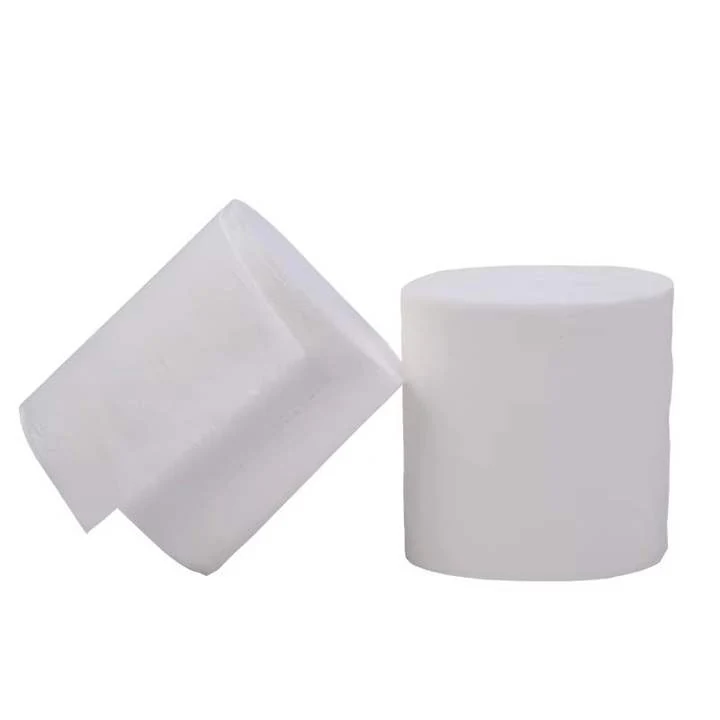
Environmental benefits depend on many factors, including raw materials, production methods, packaging, and transportation.
Lower Long-Term Waste Impact
Traditional waste materials can remain in the environment for long periods. Biodegradable toilet paper is designed to return to natural systems more easily.
The main environmental advantage is faster natural breakdown.
This can help:
- Reduce waste accumulation
- Support cleaner waste management
- Lower pressure on disposal systems
Sustainable Raw Material Choices
Many biodegradable toilet paper products use renewable materials.
Common choices include:
- Bamboo pulp
- Recycled paper
- Responsibly sourced wood pulp
These materials can support more sustainable production when they come from responsible supply chains.
Energy And Production Considerations
A product’s environmental impact does not only come from disposal. Manufacturing also matters.
Responsible manufacturers focus on:
- Efficient production lines
- Reduced material waste
- Better energy management
- Environment-friendly packaging
A biodegradable product with poor production practices may not provide the expected environmental benefits.
Biodegradable Toilet Paper vs Regular Toilet Paper
| Feature | Biodegradable Toilet Paper | Regular Toilet Paper |
|---|---|---|
| Breakdown ability | Designed for faster natural decomposition | Depends on materials |
| Material options | Often uses sustainable fibers | Usually focuses on general paper fibers |
| Environmental focus | Higher | Standard |
| Customer appeal | Eco-conscious buyers | General buyers |
For many modern buyers, biodegradable toilet paper provides additional value because customers increasingly care about sustainability.
However, the best product choice depends on market needs. Some customers focus mainly on price, while others are willing to pay more for environmentally responsible products.
What Materials Make Toilet Paper Biodegradable?
The materials inside toilet paper decide how the product performs after disposal. Buyers who understand materials can make better purchasing decisions.
Biodegradable toilet paper is usually made from natural fiber materials such as bamboo pulp, recycled paper, or responsibly sourced wood pulp. These materials allow microorganisms to break down the paper more easily.
A professional buyer should look beyond the product name. The material source, production method, and added ingredients all influence biodegradability.
Bamboo Pulp Toilet Paper
Bamboo pulp is becoming a popular material for sustainable tissue products.
Bamboo grows quickly and can provide a renewable fiber source. Bamboo pulp toilet paper can offer:
- Soft texture
- Good strength
- Natural fiber benefits
- Sustainable product positioning
Many eco-conscious consumers recognize bamboo products as environmentally friendly choices.
Recycled Paper Toilet Paper
Recycled paper is another common material.
It uses recovered paper fibers and helps reduce the demand for new raw materials.
Benefits include:
- Reduced resource consumption
- Support for recycling systems
- Lower dependence on virgin materials
However, recycled fibers may have different softness and strength compared with some virgin pulp products. Manufacturers need good technology to create balanced quality.
Virgin Wood Pulp Toilet Paper
Virgin wood pulp remains one of the most common materials in tissue production.
When sourced responsibly, it can also support biodegradable toilet paper production.
The important factors include:
- Responsible forestry practices
- Quality fiber processing
- Environmental certifications
Material Comparison
| Material | Main Advantage | Common Market Position |
|---|---|---|
| Bamboo pulp | Renewable and eco-friendly image | Premium sustainable products |
| Recycled paper | Supports recycling | Eco-focused markets |
| Virgin wood pulp | Softness and strength | Mainstream products |
Choosing the right material depends on customer expectations. A premium eco-brand may prefer bamboo pulp, while a large-volume buyer may choose recycled or wood pulp products.
Can Biodegradable Toilet Paper Be Flushed Easily?
Many buyers worry that environmentally friendly toilet paper may not work well after flushing. They want a product that protects plumbing while maintaining comfort.
Biodegradable toilet paper can usually be flushed easily when it is designed with proper fiber structure and water breakdown ability. A good product should provide daily comfort while separating effectively after flushing.
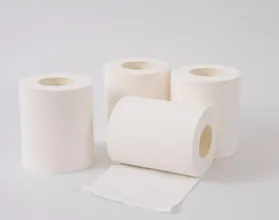
Flush performance is an important quality factor for both household users and commercial buyers.
What Makes Toilet Paper Flush-Friendly?
Several product features affect flushing performance.
Fiber Structure
Paper fibers need to separate after contacting water. This helps the toilet paper move through plumbing systems.
Paper Thickness
Very thick products may need more time to break down. Manufacturers need to balance softness with dissolving performance.
Production Technology
Modern production methods can improve both strength and breakdown speed.
Biodegradable Toilet Paper For Different Users
Different users have different requirements.
| User Type | Important Product Features |
|---|---|
| Household users | Comfort and easy flushing |
| Hotels | Reliable performance and customer satisfaction |
| RV users | Fast breakdown for limited waste systems |
| Public facilities | Cost control and stable supply |
Commercial buyers should test products before large purchases. A small sample order can help confirm product performance.
How Buyers Can Choose The Right Product
Before selecting biodegradable toilet paper, buyers should check:
- Material information
- Product certifications
- Paper strength
- Absorption performance
- Flush testing results
- Supplier production ability
Price is important, but quality consistency is also necessary. A low-cost product that creates customer complaints may increase business problems.
For wholesalers and retailers, biodegradable toilet paper can become a valuable product category. More customers now want products that combine daily comfort with environmental responsibility.
Conclusion
Biodegradable toilet paper uses natural materials that can break down more easily after disposal. The best products balance environmental benefits, flushing performance, comfort, and reliable quality for different users.