Skip to content
GSM affects how toilet paper feels, absorbs, and performs. Many buyers choose products without knowing this key factor, which can lead to poor quality and wrong purchasing decisions.
GSM in toilet paper means grams per square meter, which shows the weight and density of the paper material. A higher GSM usually means thicker and stronger toilet paper, while a lower GSM means lighter and thinner paper.
Understanding GSM helps buyers compare different toilet paper products and choose the right balance between softness, strength, absorption, and cost.
When I evaluate toilet paper quality, GSM is one of the basic factors that helps me understand the product structure. However, GSM is not the only factor that decides whether a toilet paper product is good. Fiber quality, production process, and paper layers also affect the final experience.
Why Is GSM Important For Toilet Paper Quality?
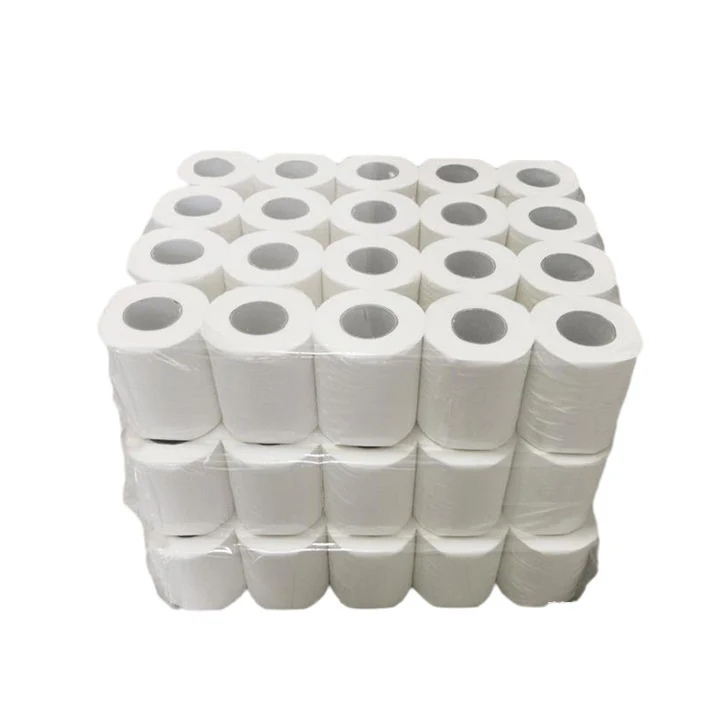
GSM is important for toilet paper quality because it directly influences paper thickness, strength, softness, and absorbency. A suitable GSM helps create a better user experience while controlling production costs.

GSM gives buyers a simple way to understand toilet paper weight and structure. It helps manufacturers and customers compare different products based on measurable data instead of only appearance.
When I look at toilet paper production, GSM is an important technical standard because it connects material usage with product performance. A toilet paper roll with a higher GSM normally contains more paper fiber in each square meter. This creates a stronger paper structure that can handle moisture and pressure better.
However, GSM does not work alone. A toilet paper manufacturer needs to combine GSM with fiber selection and manufacturing technology. For example, recycled paper and virgin wood pulp can have different performance levels even when they have similar GSM values.
How GSM Affects Toilet Paper Performance
The GSM value can influence several important features:
| GSM Level | Common Features | Typical Use |
|---|---|---|
| Low GSM | Light, thin, lower material cost | Economy toilet paper |
| Medium GSM | Balanced softness and strength | Household daily use |
| High GSM | Thick, strong, premium feeling | Luxury and commercial use |
A low GSM product can still work well when the paper uses good fibers and proper processing methods. Some customers prefer lighter toilet paper because it reduces cost and allows more sheets per roll.
A medium GSM product usually provides a good balance. Many household users choose this type because it offers enough softness and strength without increasing the price too much.
A high GSM product creates a more premium feeling. The paper feels thicker and stronger when users touch it. Hotels, offices, and high-end facilities often prefer this type because customers usually connect thickness with quality.
Why Buyers Should Understand GSM Before Purchasing
Many buyers focus only on price when they purchase toilet paper. However, price alone does not show the real value of a product.
A cheaper toilet paper roll may have a lower GSM, which means customers may need to use more sheets each time. A slightly more expensive product with better GSM can sometimes provide better value because it offers stronger performance.
For wholesale buyers, GSM also helps with product positioning. Importers can select different GSM levels for different market groups.
For example:
| Customer Type | Recommended GSM Focus | Reason |
|---|---|---|
| Discount retailers | Lower to medium GSM | Need competitive pricing |
| Supermarkets | Medium GSM | Need balanced quality |
| Hotels and premium stores | Medium to high GSM | Need better customer experience |
GSM is also useful during supplier communication. When buyers request customized toilet paper from manufacturers, they can use GSM as one clear product requirement. This reduces misunderstandings and helps factories produce products that match market expectations.
What GSM Is Best For Toilet Paper?

The best GSM for toilet paper depends on the target market, usage environment, and customer expectations. Most household toilet paper products use a medium GSM range because it provides a good balance between softness, strength, and price.

There is no single GSM value that is perfect for every toilet paper product. Different markets have different needs, so manufacturers usually create products with different GSM options.
When I discuss toilet paper specifications with buyers, I first ask about their target customers. A product designed for a budget supermarket should have different GSM requirements from a premium hotel product.
Common GSM Choices For Toilet Paper
Different GSM levels create different product experiences.
| Product Position | Approximate GSM Range | Main Advantage |
|---|---|---|
| Economy toilet paper | Low GSM | Lower cost and higher price competitiveness |
| Standard household toilet paper | Medium GSM | Good balance of comfort and performance |
| Premium toilet paper | Higher GSM | Better softness and stronger feeling |
For many daily-use toilet paper products, medium GSM is often the most practical choice. It provides enough thickness while keeping production costs reasonable.
Premium toilet paper usually uses higher GSM because customers expect a softer and more comfortable experience. The thicker structure can also improve absorption.
GSM Selection Depends On Market Needs
A common mistake is thinking that higher GSM always creates a better product. In reality, the right GSM depends on customer expectations.
In some developing markets, buyers may prefer lower GSM because affordability is more important. Retailers need products that can compete on price while still meeting basic quality requirements.
In mature markets, customers may care more about comfort and environmental factors. They may accept a higher price for better softness, stronger sheets, and improved packaging.
Manufacturers also need to consider shipping costs. A higher GSM product uses more raw material, which increases product weight. For international trade, heavier products can affect container loading and transportation costs.
A professional supplier needs to balance product quality and logistics.
Factors That Work Together With GSM
GSM should be evaluated together with other product features:
- Fiber material
- Number of layers
- Embossing design
- Moisture absorption
- Softness treatment
- Production technology
A two-ply toilet paper with moderate GSM may provide better performance than a single-ply product with similar GSM.
This is why experienced buyers do not judge toilet paper quality only by one number. GSM is an important reference, but the complete product design creates the final result.
How Do You Measure Toilet Paper GSM?
To measure toilet paper GSM, manufacturers calculate the weight of a specific paper area. The process requires accurate weighing equipment and measurement methods to ensure product consistency.
The basic GSM measurement method is simple. The manufacturer cuts a paper sample with a known area, weighs the sample, and calculates the weight per square meter.
Basic GSM Measurement Process
The standard process includes several steps:
- Take a representative toilet paper sample.
- Measure the length and width of the sample.
- Calculate the sample area.
- Use a precise scale to measure the weight.
- Convert the result into grams per square meter.
For example, if a paper sample weighs 1 gram and the sample area represents 0.01 square meters, the GSM value is calculated based on that relationship.
Factories usually perform multiple tests because paper materials can have small differences during production.
Why Accurate GSM Testing Matters
Accurate GSM testing helps manufacturers maintain stable quality. If GSM changes too much between production batches, customers may notice differences in softness, thickness, and strength.
Quality control teams usually test GSM together with other factors:
| Testing Item | Purpose |
|---|---|
| GSM test | Checks paper weight and thickness |
| Absorption test | Checks liquid holding ability |
| Strength test | Checks durability |
| Softness test | Checks user comfort |
For export suppliers, consistent testing is especially important. International buyers expect products to match approved samples. If mass production quality is different from samples, it can affect long-term cooperation.
GSM Control In Toilet Paper Manufacturing
Modern factories use production systems that monitor paper weight during manufacturing. Operators adjust raw materials, machine settings, and production speed to keep GSM within the required range.
A reliable manufacturer does not only test finished products. The factory also controls quality during the production process.
This approach helps reduce problems such as uneven thickness, weak sheets, and customer complaints.
For wholesale buyers, asking about GSM testing methods can help identify professional suppliers. A supplier that understands GSM control usually has stronger quality management systems.
Does Higher GSM Mean Better Toilet Paper?
Higher GSM does not always mean better toilet paper. A higher GSM can improve thickness and strength, but the final quality depends on many other factors such as fiber type, softness, and product design.
Many customers believe thicker toilet paper automatically means better quality. This idea is understandable because thicker paper often feels more comfortable. However, professional evaluation requires a wider view.
A high GSM product uses more material, which can create a stronger structure. This is useful for users who want better durability and absorption. Premium hotels and commercial facilities often prefer thicker toilet paper because it creates a better impression.
However, high GSM can also create disadvantages. The product may cost more because it requires more raw materials. It may also increase transportation costs because the total shipment weight becomes higher.
Quality Depends On Balance
A good toilet paper product needs balance between several features.
| Quality Factor | Effect On Product |
|---|---|
| GSM | Controls weight and thickness |
| Fiber quality | Influences softness and strength |
| Layers | Improves comfort and durability |
| Manufacturing process | Controls consistency |
A product with extremely high GSM but poor fiber quality may not provide a better experience. On the other hand, a medium GSM product made with high-quality fibers can feel soft and strong.
Choosing The Right GSM For Different Applications
Different users need different products.
Households may prefer comfortable and affordable toilet paper. Offices may need products that provide stable performance with reasonable cost. Hotels may choose premium products because customer experience is a priority.
For manufacturers and distributors, the best approach is to understand the target market before selecting GSM.
A successful toilet paper product is not always the thickest one. It is the product that matches customer needs, market expectations, and business goals.
GSM remains an important technical measurement, but it should be considered together with the complete product solution.
Conclusion
GSM helps buyers understand toilet paper weight, thickness, and performance. The best GSM depends on market needs. Higher GSM can improve quality, but balance with fiber, design, and cost creates the best product.