Skip to content
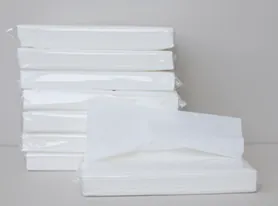
Many people never measure toilet paper, yet roll size affects daily use and packaging efficiency. Misjudging it can lead to waste or storage problems.
The circumference of a toilet paper roll is the distance around the outer edge of the roll, calculated using the roll's diameter. It directly determines how much paper is on a roll and influences packaging, storage, and user experience.
Understanding roll circumference helps manufacturers, retailers, and even consumers optimize supply and reduce unnecessary waste. Let's explore the calculations, standards, and reasons circumference matters.
How Do You Calculate Toilet Paper Roll Circumference?
To measure circumference, you need the diameter of the roll. The math is simple but important for accurate production or inventory management.
Circumference is calculated using the formula: C = π × D, where C is the circumference and D is the diameter of the roll. This formula applies to any circular roll, including toilet paper.

Step-by-Step Calculation
- Measure the diameter: Use a ruler or caliper to measure the roll from one edge to the opposite edge.
- Apply the formula: Multiply the diameter by π (approximately 3.1416).
- Result is circumference: The distance around the roll in the same units used for the diameter.
For example, if a roll has a diameter of 10 cm:
C = 3.1416 × 10 cm ≈ 31.42 cm
This simple calculation helps estimate the amount of paper wrapped around the core.
Why Accuracy Matters
Even small differences in measurement can affect production calculations. For manufacturers producing thousands of rolls daily, errors in circumference measurement can lead to inconsistent roll lengths or improper packaging.
Accurate circumference measurement also helps predict how many sheets are on a roll, which affects pricing and shelf life.
Real-World Considerations
- Core diameter: The cardboard tube in the center reduces effective paper circumference.
- Paper thickness: Thicker sheets increase the outer diameter and circumference without changing sheet count.
- Compression during packaging: Rolls may compress slightly, affecting circumference.
These factors highlight the importance of measuring rolls consistently in real-world conditions.
Does Circumference Affect How Much Paper Is on a Roll?
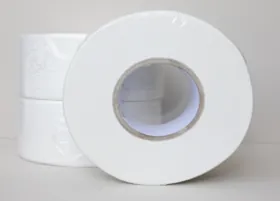
Circumference is directly related to the total paper on a roll. Larger circumference generally means more paper, assuming sheet thickness and length are constant.
Yes, a larger roll circumference allows more paper to be wound around the core, increasing the total number of sheets and extending usage before replacement.
How Circumference Influences Sheet Count
The number of sheets is determined by:
- Roll circumference
- Sheet thickness
- Sheet length
A bigger circumference allows more layers of paper. Conversely, a small roll may run out quickly, requiring frequent replacement.
Consumer Implications
Consumers often choose rolls based on size:
- Large rolls reduce replacement frequency.
- Small rolls save storage space or fit compact holders.
Understanding circumference helps shoppers make informed decisions.
Industrial Perspective
Manufacturers calculate circumference to balance production efficiency with consumer needs. Too large, and rolls may not fit standard holders. Too small, and customer satisfaction may decline.
Calculation Example
Suppose a toilet paper roll has:
- Core diameter: 4 cm
- Outer diameter: 10 cm
- Sheet thickness: 0.1 mm
Number of layers = (Outer radius – Core radius) / Sheet thickness
Outer radius = 10 ÷ 2 = 5 cm
Core radius = 4 ÷ 2 = 2 cm
Layer count = (5 – 2) ÷ 0.01 cm = 300 layers
Total sheets = 300 × π × average radius / sheet length
This demonstrates the direct relationship between circumference and paper quantity.
Is Roll Circumference Standard Across Brands?
Not all toilet paper rolls have the same circumference. Differences occur between household, commercial, and jumbo rolls.
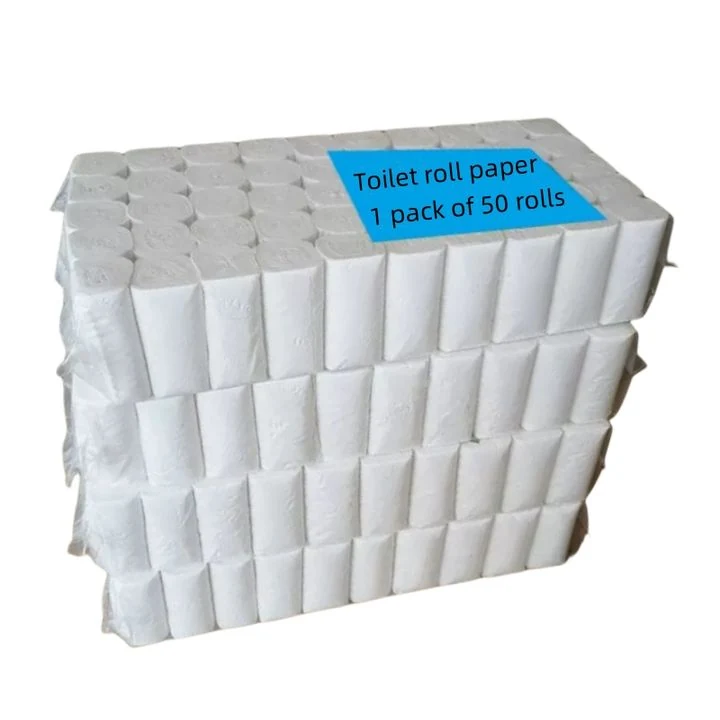
No, roll circumference varies across brands, product lines, and intended use. Household rolls are smaller, while jumbo rolls for commercial use can be several times larger.
Typical Household Roll
| Brand Type | Average Outer Diameter | Circumference |
|---|---|---|
| Standard household | 10–12 cm | 31–38 cm |
| Premium soft | 11–13 cm | 34–41 cm |
| Eco-friendly | 9–11 cm | 28–34 cm |
Commercial and Jumbo Rolls
Commercial rolls used in offices, hotels, and public restrooms have much larger diameters:
| Roll Type | Outer Diameter | Circumference |
|---|---|---|
| Jumbo roll | 20–28 cm | 63–88 cm |
| Coreless jumbo | 22–30 cm | 69–94 cm |
| Twin pack rolls | 15–18 cm | 47–57 cm |
Factors Affecting Variation
- Sheet thickness
- Roll density
- Brand design and marketing
- Holder compatibility
This explains why consumers may notice differences when switching brands.
Implications for Buyers
Retailers and consumers must consider roll circumference when:
- Selecting holders and dispensers
- Planning inventory
- Managing storage space
Even a slight difference can affect dispenser compatibility and shelf arrangements.
Why Does Circumference Matter in Packaging?
Proper packaging depends on roll size and circumference. Efficient packaging reduces shipping costs, prevents damage, and improves shelf presentation.
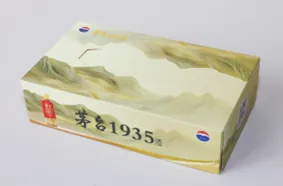
Circumference matters because it determines roll dimensions, packing density, shipping volume, and the stability of stacked products. Larger circumference rolls require stronger packaging and more space.
Packaging Considerations
- Box size: The circumference directly affects box dimensions and overall packaging footprint.
- Stacking stability: Rolls with larger circumference need reinforced cartons to avoid deformation.
- Transport efficiency: Smaller, standard rolls allow more units per pallet, reducing shipping costs.
- Retail display: Uniform roll size ensures tidy presentation on store shelves.
Table: Circumference vs Packaging Needs
| Circumference | Recommended Packaging | Notes |
|---|---|---|
| <35 cm | Standard box | Fits most household packs |
| 35–50 cm | Reinforced carton | Suitable for premium or jumbo household rolls |
| 50–90 cm | Heavy-duty packaging | Used for commercial jumbo rolls |
| 90+ cm | Palletized shipping | Coreless or industrial rolls |
Cost and Sustainability Implications
Efficient use of packaging material saves cost and reduces environmental impact. Optimizing circumference allows brands to:
- Minimize waste
- Reduce shipping volume
- Improve supply chain efficiency
Consumer Experience
Even on the consumer side, circumference affects packaging:
- Compact packages are easier to carry
- Clear labeling of roll size helps selection
- Properly packaged rolls maintain shape and softness
Production Planning
Manufacturers plan machine settings based on roll circumference:
- Winding speed
- Paper tension
- Layer distribution
- Perforation spacing
Accurate circumference measurement ensures each roll meets quality standards and fits packaging design.
Summary
Circumference influences nearly every aspect of toilet paper production, from the amount of paper per roll to storage, shipment, and consumer satisfaction. Small changes in diameter or thickness have measurable impacts on cost, usability, and market appeal.
Conclusion
The circumference of a toilet paper roll is more than a number—it affects sheet count, usability, packaging, and storage. Accurate measurement and understanding of roll size help manufacturers, retailers, and consumers make better decisions, ensuring efficiency and satisfaction for all.