Skip to content
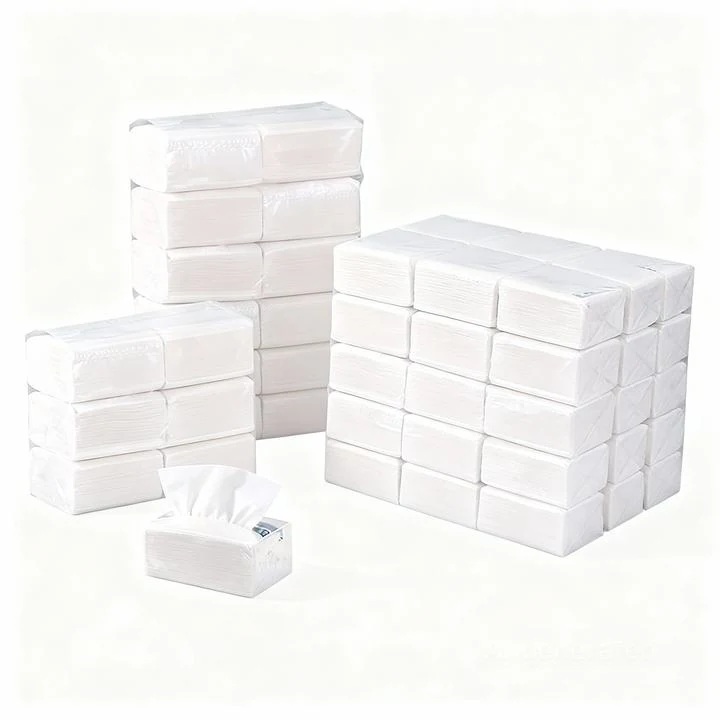
Toilet paper looks like a simple daily product, but its environmental cost can be easy to miss. Fiber, water, energy, packaging, transport, and daily use can all increase its impact.
The most eco friendly toilet paper is usually made from recycled fiber or responsibly sourced bamboo, with efficient production and minimal packaging. The best option also uses fewer chemicals, performs well with fewer sheets, and reduces transport waste through efficient roll and carton design.
There is no single toilet paper material that wins in every situation. Recycled paper can reduce demand for new wood fiber. Bamboo can provide a fast-growing renewable source. Even certified virgin pulp can perform differently based on how forests and factories are managed. So, I prefer to compare the complete product instead of trusting one green claim.
What Makes Toilet Paper Eco Friendly?
Many toilet paper packs use green colors, leaves, and words such as "natural." These signs can attract buyers, but they do not tell us how sustainable the product really is.
Eco friendly toilet paper uses recycled or responsibly sourced renewable fiber and limits unnecessary water, energy, chemicals, and packaging. It should also provide good strength and usable paper per roll. Reliable certifications, efficient manufacturing, compact transport, and lower paper consumption can further reduce its environmental impact.
The Fiber Source Matters First
When I evaluate toilet paper, the fiber source is one of the first things I check. Most toilet tissue is made from virgin wood pulp, recycled fiber, bamboo pulp, or a mix of these materials. Each choice has benefits and limits.
Virgin wood pulp gives manufacturers clean and strong fibers. It can help create soft tissue with good strength. But it also requires new wood to enter the production system. The environmental impact can become much higher when the wood comes from poorly managed forests.
Recycled fiber follows a different path. It uses paper that has already served another purpose. This reduces the need to depend only on new plant fiber. Still, recovered paper must be collected, sorted, cleaned, and processed. These steps need water and energy.
Bamboo has also become popular. Bamboo grows fast, and many types can regrow after harvesting without being replanted. This makes bamboo an attractive renewable source for toilet paper. But bamboo still needs industrial processing before it becomes soft tissue.
So, no raw material should receive an automatic "green" label.
Production Changes the Environmental Result
The production process matters almost as much as the raw material.
A tissue mill needs water, electricity, heat, and processing chemicals. Then converting machines turn large parent rolls into finished toilet rolls. These machines may emboss, perforate, cut, rewind, and package the paper.
Factories with modern equipment can control these steps more accurately. Better process control can reduce paper loss and rejected products. It can also improve consistency, which matters because poor-quality tissue often creates waste later.
Bleaching is another factor. Buyers often expect bright white toilet paper, so pulp may go through whitening processes. A very white roll is not automatically bad for the environment, but extra processing should still be considered when comparing products.
Packaging also matters. Small packs can use more wrapping material for the same amount of toilet paper. Individual wrapping can add even more material.
| Factor | Lower-Impact Direction | What I Check |
|---|---|---|
| Fiber | Recycled or responsibly sourced fiber | Source and traceability |
| Forestry | Controlled forest management | Reliable certification |
| Production | Lower waste and efficient equipment | Factory process |
| Chemicals | Necessary processing only | Bleaching and additives |
| Packaging | Less material per roll | Plastic and carton use |
| Transport | Higher loading efficiency | Rolls per carton and container |
| Performance | Fewer sheets needed | Strength and sheet size |
Good Performance Is Part of Sustainability
A roll still has to work.
If weak toilet paper makes people use twice as many sheets, a low grammage alone does not make it environmentally better. Strength, softness, absorbency, ply, sheet dimensions, and roll length need to work together.
This point becomes more important for hotels, offices, airports, shopping centers, hospitals, schools, and other high-traffic locations. Small changes in paper use become large changes when thousands of people use the product every day.
Large commercial rolls can also reduce the number of cores and packages needed for the same amount of paper. They can reduce replacement frequency as well.
So, I treat eco friendly toilet paper as a complete system. The raw material matters, but production efficiency, packaging, logistics, and real consumption matter too.
Is Bamboo Toilet Paper The Greenest Choice?
Bamboo toilet paper is often marketed as the green answer to traditional tissue. Bamboo does have clear benefits, but its fast growth does not automatically make every bamboo roll sustainable.
Bamboo toilet paper can be one of the greenest choices because bamboo grows quickly and can regenerate after harvesting. But its real impact depends on farming, pulp production, chemical use, factory energy, packaging, certification, and shipping. A responsibly sourced bamboo roll can be excellent, but bamboo alone does not guarantee sustainability.
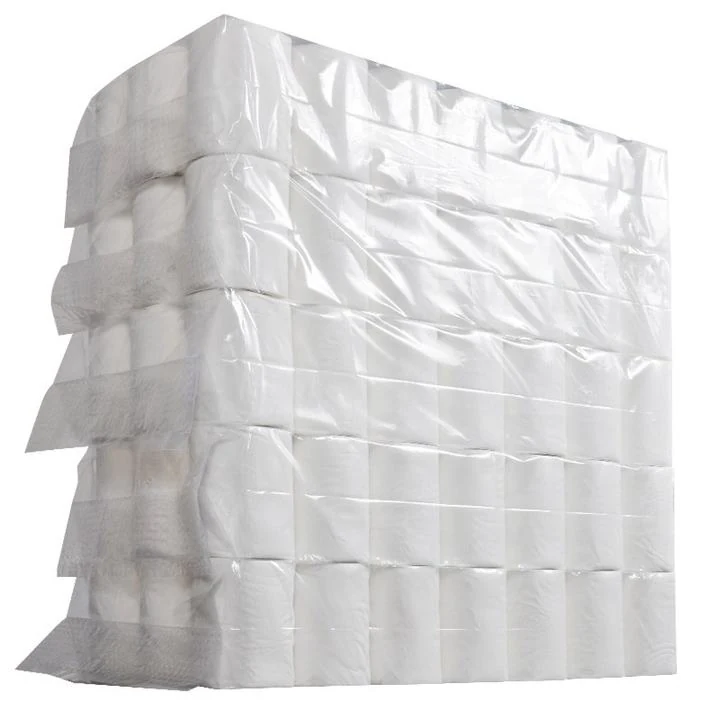
Why Bamboo Looks So Attractive
Bamboo has a simple advantage that buyers can understand: it grows fast.
Trees used for pulp can take years to mature. Many bamboo species grow much faster. Bamboo can also regenerate from an established root system after harvesting. This reduces the need for repeated planting in suitable production systems.
The plant can provide useful cellulose fibers for tissue products. With the right pulp and production process, bamboo toilet paper can offer a good balance of softness and strength.
This makes bamboo more than a marketing idea. It is a real alternative raw material.
Still, I would never judge a toilet roll from the word "bamboo" alone.
Bamboo has to move through several stages before it reaches a bathroom. It must be grown, harvested, transported, processed into pulp, made into tissue, converted into rolls, packed, stored, and shipped to customers.
Every stage uses resources.
Bamboo Processing Still Has an Impact
Raw bamboo cannot simply be cut into thin toilet paper sheets. The plant material needs to be broken down so manufacturers can separate useful cellulose fibers.
That process needs industrial equipment. It also uses water, energy, and chemicals.
This means two bamboo toilet paper products can have very different environmental footprints. One may come from a well-managed supply chain and an efficient factory. Another may use inefficient processing, excessive chemicals, heavy packaging, or long transport routes.
Energy source can also affect the result. A mill that uses cleaner energy can have a different footprint from a mill that depends heavily on high-emission energy.
Wastewater treatment is another important point. Pulp and paper manufacturing uses water, so responsible treatment and reuse systems can reduce environmental pressure.
Bamboo Versus Recycled Toilet Paper
Recycled paper has an advantage that bamboo cannot copy. It gives existing paper fiber another useful life.
That can reduce demand for fresh plant material.
But recycled fiber is not free from environmental costs. Used paper needs collection and transportation. It must be sorted and cleaned. Printed material may require de-inking. The fibers can also become shorter after repeated recycling.
Bamboo starts with fresh plant fiber. This can help manufacturers produce strong and soft tissue. But it means new biological material still needs to be harvested and processed.
So, the greener option depends on the whole supply chain.
I would compare fiber sourcing, factory efficiency, water use, energy, packaging, transport distance, product strength, and actual consumption. I would also ask for evidence behind environmental claims.
A certified, efficiently produced bamboo toilet paper may be a very strong choice. A locally produced recycled roll may have an even lower impact in another market.
The fiber name gives us a starting point. It does not give us the final answer.
How Do You Choose Sustainable Toilet Paper?
Sustainable toilet paper can be difficult to compare because almost every package makes a positive claim. Buyers need a simple method that separates useful evidence from marketing language.
Choose sustainable toilet paper by checking fiber source, recycled content, certifications, manufacturing, packaging, roll size, shipping efficiency, and product performance. Do not judge sustainability from one claim alone. A good product should reduce resource use while still giving enough strength, softness, and usable paper for its intended market.
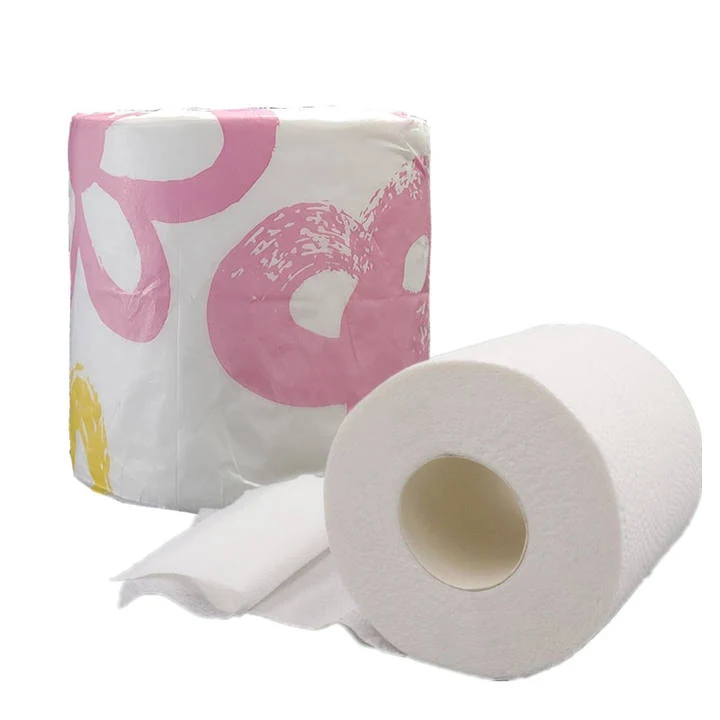
Start With Information You Can Check
Package design should not be the first reason to choose a sustainable product.
Brown paper, green leaves, and words such as "eco," "natural," or "planet friendly" can support branding. They do not prove how a product was made.
I start with the raw material.
A buyer should know whether the product contains virgin wood pulp, recycled fiber, bamboo pulp, or a blend. The supplier should also be able to explain the source of that material.
Certifications can add useful evidence. For forest-based materials, FSC certification can help buyers check whether the fiber is connected to a controlled sourcing system.
Certification should still be treated as one part of the decision. It does not tell buyers everything about factory energy, water use, packaging, freight, or consumer behavior.
Compare Paper Instead of Roll Count
Roll count is one of the easiest numbers to understand, but it can also be misleading.
A pack with 24 rolls is not always better than a pack with 12 rolls. The 12-roll pack may contain much longer rolls.
For a useful comparison, I look at sheet count, sheet dimensions, roll length, ply, grammage, and total usable paper. These figures show what the buyer is actually receiving.
The same idea applies to commercial jumbo rolls. Two rolls may look similar from the outside, but their length and paper weight can be very different.
Longer rolls can reduce replacement frequency. They may also reduce the number of cores and packages needed for the same amount of usable tissue.
This can create both environmental and business benefits.
Use Practical Questions When Comparing Products
A clear purchasing process makes green claims easier to test.
| Question | Why It Matters | Better Sign |
|---|---|---|
| What fiber is used? | Raw material affects the footprint | Recycled or responsible renewable fiber |
| Can the source be verified? | Claims need evidence | Clear traceability |
| Is certification available? | It supports sourcing claims | Recognized certification |
| How much paper is on each roll? | Roll count can hide differences | Clear length and sheet data |
| How strong is the tissue? | Weak paper may increase use | Good wet and dry strength |
| How is it packaged? | Extra wrapping creates waste | Less packaging per unit |
| How many cartons fit in shipping? | Freight adds impact | Efficient loading |
| Is quality consistent? | Rejected products create waste | Stable production and QC |
Match the Product to Its Real Use
A household, hotel, supermarket, and airport do not need exactly the same toilet paper.
Household customers may focus on softness and convenient pack sizes. Hotels may need a balance between guest comfort, cost, and replacement frequency. Public facilities may need high-capacity jumbo rolls. Retailers may need attractive packaging and a price that works for local consumers.
So, sustainable buying should include the use case.
A thin one-ply roll can look efficient because it uses less material per sheet. But users may take more sheets each time. A stronger two-ply product may use more material per sheet but less paper per visit.
Packaging follows the same logic. A very large package can reduce packaging per roll, but it only makes sense when customers can store and use it.
Transport should also be considered. Toilet paper takes up a lot of space compared with its weight. Roll diameter, core size, pack design, carton dimensions, and compression can affect how much useful paper fits into a truck or container.
For large buyers, I would request full specifications instead of only product photos. Material information, sheet size, roll length, grammage, carton dimensions, loading quantities, certifications, and quality records provide a much clearer picture.
Sustainability works best when the environmental choice also works during normal use. A product that reduces waste, performs well, ships efficiently, and meets the buyer's price range has a better chance of becoming a long-term choice.
What Toilet Paper Has The Lowest Environmental Impact?
Finding the lowest-impact toilet paper is harder than choosing a fiber label. One roll may reduce new wood use but require more processing, while another may use renewable fiber but travel much farther.
Toilet paper with the lowest environmental impact is generally made from recycled or responsibly sourced fast-growing fiber, produced with efficient water and energy use, packed with minimal material, and shipped efficiently. Recycled tissue often performs strongly overall, while well-sourced bamboo can also provide a low-impact alternative.
Recycled Fiber Is a Strong Starting Point
Recycled toilet paper deserves serious attention when reducing demand for new fiber is the main goal.
Its fiber has already been used in another paper product. Instead of immediately becoming waste, that material enters another production cycle.
This can reduce pressure on virgin fiber sources.
However, recycled toilet paper still needs manufacturing. Recovered paper has to be collected, transported, sorted, cleaned, and processed. Some material may need de-inking. Contaminants must also be removed.
These steps require energy and water.
The final environmental result depends on how efficient the recycling system is. A modern mill using efficient equipment and good water management may perform very differently from an old and inefficient operation.
For this reason, "100% recycled" is useful information, but it should not be the only information a buyer checks.
Bamboo Can Also Have a Low Impact
Bamboo provides another strong route.
Its growth speed is attractive because the raw material can regenerate much faster than many tree species. Bamboo can also provide fresh cellulose fiber that performs well in soft tissue products.
A strong bamboo product should combine responsible growing practices with efficient pulping and tissue production.
It should also avoid unnecessary packaging.
Transport needs attention too. If bamboo tissue travels across several countries before reaching the consumer, freight becomes part of the environmental equation.
This does not remove bamboo's benefits. It simply means those benefits should be measured as part of the whole product.
Virgin Wood Pulp Needs More Context
Virgin wood pulp is often treated as the least sustainable choice. The concern makes sense because fresh wood must enter the production process.
Still, not every virgin pulp supply chain is the same.
Wood from responsibly managed forests is different from wood connected to destructive forest practices. Traceability and forest certification can help buyers understand this difference.
Virgin pulp can also make strong tissue. Good strength can reduce the number of sheets needed during use.
That does not erase the environmental cost of new fiber. It simply shows why product comparisons need several factors.
Transport Can Change the Answer
Logistics is one of the most overlooked parts of toilet paper sustainability.
Toilet tissue is bulky. Much of the volume inside a roll and package can be air. As a result, inefficient product design can increase the number of cartons, trucks, or shipping containers required.
Core diameter can affect this. Roll diameter can affect it. Pack arrangement and carton dimensions can affect it too.
For international orders, I would compare how much usable paper fits into each container rather than only checking how many individual rolls fit.
A larger roll may use fewer cores. A compact pack may reduce wrapping per unit. Better carton design may put more product into the same shipping space.
These improvements can reduce freight cost at the same time.
Look at the Whole Life Cycle
The lowest-impact toilet paper is not defined by one magic raw material.
The full system matters.
The raw material should come from a responsible source. The factory should control water, energy, chemicals, and waste. Packaging should protect the product without using unnecessary material. Logistics should move as much usable paper as possible in each shipment. The finished tissue should also perform well enough that users do not need excessive sheets.
The best answer can therefore change from one market to another.
A locally produced recycled toilet paper may be a strong choice where high-quality recovered fiber is widely available. Certified bamboo toilet paper may be better in a supply chain close to responsible bamboo resources. A commercial building may lower its total material use by replacing small household rolls with longer jumbo rolls.
Scale also changes the importance of small improvements.
A household may use a few packs each month. A hotel group, supermarket chain, airport, hospital network, or national distributor can handle millions of rolls. A small reduction in packaging per roll becomes significant at that volume.
The same is true for transport. Better container loading can reduce the number of shipments needed for a large order. Better paper strength can reduce consumption across thousands of washrooms.
When I compare low-impact toilet paper, I therefore ask a simple question: how many resources are needed to deliver the amount of usable tissue that people actually need?
That question includes raw fiber, water, energy, chemicals, packaging, shipping, strength, and consumption.
It also prevents one attractive claim from controlling the whole purchasing decision.
A toilet roll should not be called the greenest simply because it is bamboo, recycled, unbleached, plastic-free, or certified. Each of those features can help. But the strongest environmental choice combines several of them with good manufacturing and good product performance.
Conclusion
The most eco friendly toilet paper usually combines recycled or responsibly sourced bamboo fiber with efficient production, minimal packaging, smart transport, and reliable performance. Instead of trusting one green label, compare the whole life cycle. The best choice uses fewer resources while still providing the quality users need.