Skip to content
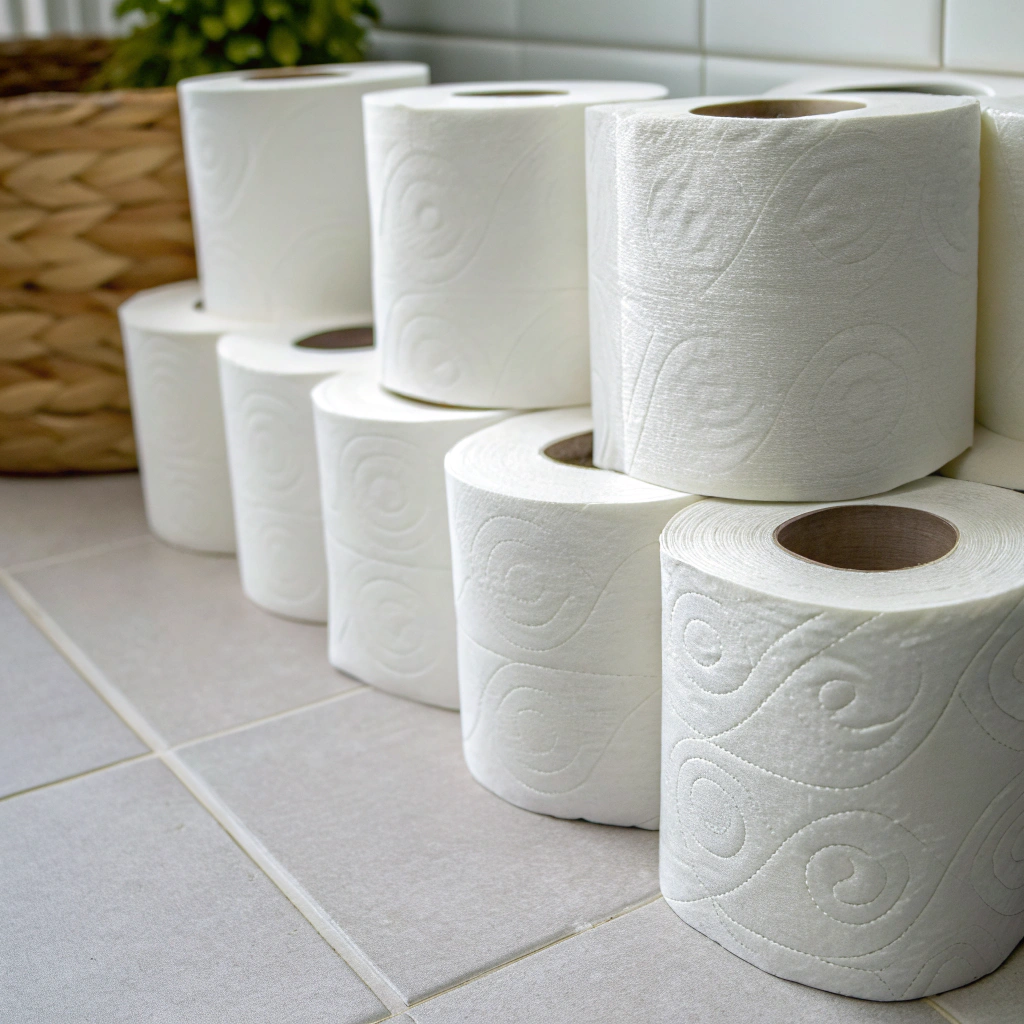
Toilet paper rolls look the same at first glance, but problems appear when storage runs out or a roll does not fit a holder. These issues feel small, yet they affect homes, hotels, warehouses, and shipping costs every day.
A toilet paper roll usually measures 9–11 cm in width and 10–13 cm in outer diameter, but the exact size depends on region, ply count, and paper length.
Once this baseline is clear, the real complexity begins. Roll size is shaped by culture, cost control, logistics, and user habits. Understanding these details helps buyers avoid waste and plan space better.
How do toilet paper sizes vary globally?
Roll size is not universal. It changes based on region, habits, and infrastructure.
Toilet paper sizes vary globally because of differences in bathroom design, storage space, paper usage habits, and cost sensitivity.

Regional habits shape roll size
Different regions use toilet paper differently. Some use more sheets per visit. Others combine paper with water cleaning.
This directly affects roll length and diameter.
- North America prefers larger rolls for fewer changes
- Europe favors balanced size and density
- Asia often uses compact rolls due to space limits
- Africa and the Middle East often choose high-grammage rolls for durability
Bathroom and holder design
Older buildings and apartments often have smaller holders. This limits outer diameter.
In contrast, modern homes and commercial spaces can handle larger rolls. This allows brands to increase roll size without changing width.
Sheet length and roll diameter
Two rolls with the same diameter may contain very different paper lengths. Thinner paper allows more sheets without increasing size.
This is why diameter alone does not tell the full story.
Global size comparison table
| Region | Typical Width | Typical Diameter | Common Roll Length |
|---|---|---|---|
| North America | 9.8–10 cm | 11–13 cm | Long |
| Europe | 9.5–10 cm | 10.5–12 cm | Medium |
| Asia | 9–9.8 cm | 9.5–11 cm | Medium |
| Africa | 9.5–10 cm | 11–13 cm | Long |
These ranges reflect habits more than technical limits.
Why global consistency is rare
Brands adjust roll size to reduce cost complaints and improve shelf fit. Changing size is easier than changing user behavior. This keeps global variation alive.
Does ply count affect roll size?
Ply count is one of the most misunderstood factors in roll size.
Yes, ply count directly affects roll size because more layers increase thickness, which increases outer diameter for the same paper length.
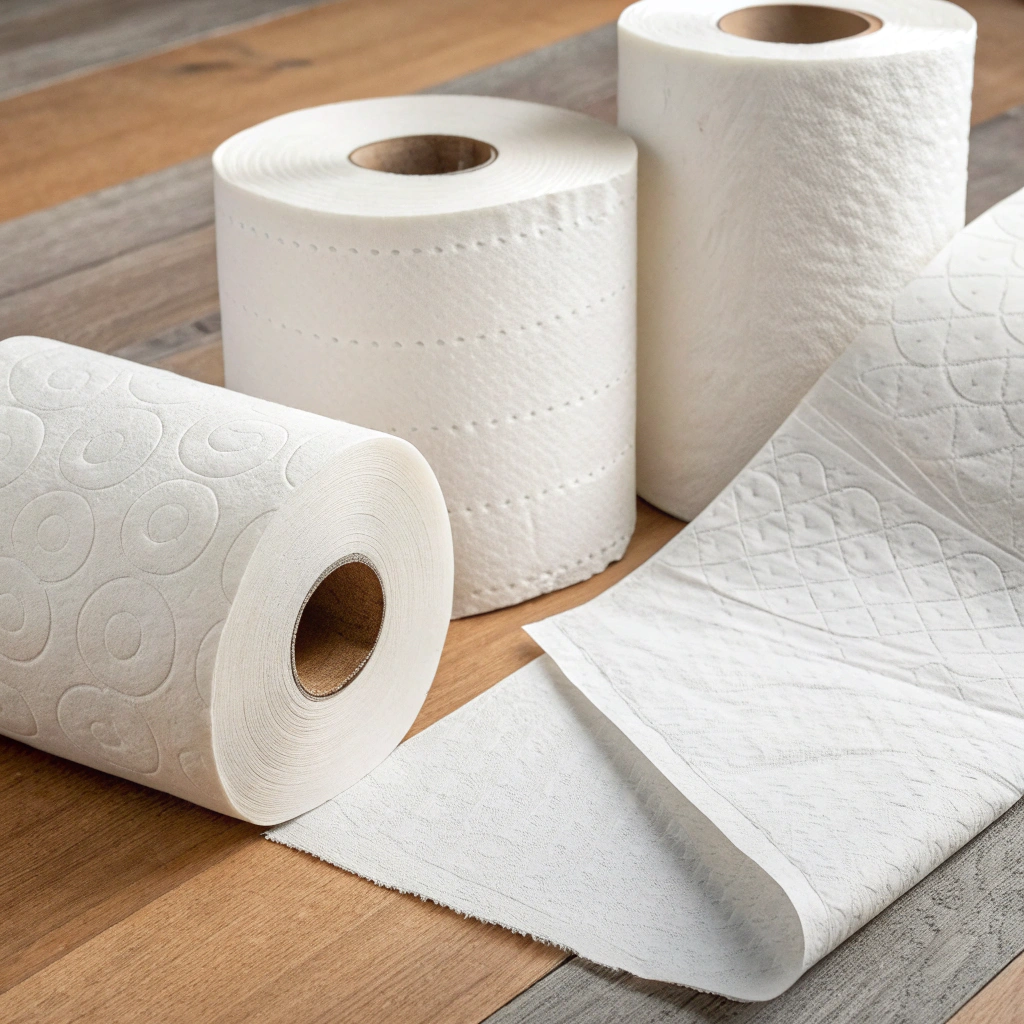
What ply really means
Ply refers to the number of paper layers pressed together. One-ply uses a single layer. Two-ply uses two thinner layers bonded together.
More ply improves softness and strength but increases bulk.
Ply vs paper length trade-off
For the same outer diameter:
- One-ply rolls can hold more paper
- Two-ply rolls hold less paper
- Three-ply rolls hold even less
This is a basic physical limit.
Visual size differences
A two-ply roll often looks bigger than a one-ply roll with more sheets. This can mislead buyers.
Retail packaging often highlights roll diameter instead of sheet count.
Ply impact comparison table
| Ply count | Thickness | Sheets per roll | Visual size |
|---|---|---|---|
| 1-ply | Thin | High | Smaller |
| 2-ply | Medium | Medium | Larger |
| 3-ply | Thick | Low | Largest |
This explains why larger rolls do not always last longer.
Buyer mistakes caused by ply confusion
Many buyers compare rolls by size only. This leads to wrong cost calculations.
In bulk supply projects, switching ply without adjusting roll diameter causes storage and dispenser issues. This mistake appears often in first-time imports.
Are there standardized roll dimensions?
The industry has shared rules, but no single global standard.
There is no strict global standard for toilet paper roll size, but most manufacturers follow common dimension ranges to ensure compatibility.
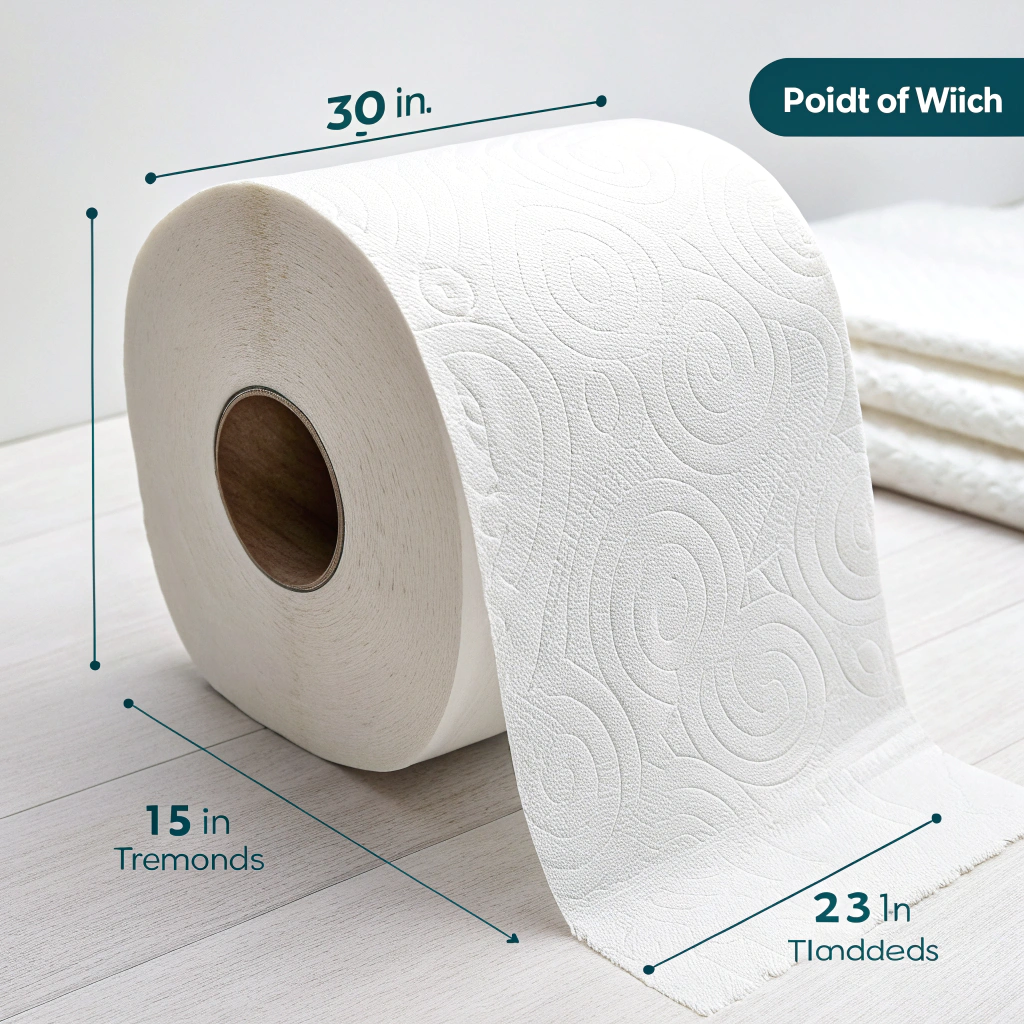
Common width standards
Roll width is the most consistent measurement.
Most rolls fall between:
- 9–10 cm for household use
- 9.5–10.2 cm for commercial use
This fits most holders and dispensers.
Diameter tolerance ranges
Outer diameter varies more because it depends on:
- Paper thickness
- Ply count
- Sheet count
- Winding tension
Manufacturers usually keep diameter within a safe range to avoid complaints.
Core size consistency
Core diameter is more standardized than roll diameter. Most household rolls use a similar core to fit holders.
This consistency protects compatibility even when roll size changes.
Typical dimension range summary
| Dimension type | Common range |
|---|---|
| Roll width | 90–102 mm |
| Outer diameter | 95–130 mm |
| Core diameter | 40–41 mm |
These ranges act as informal standards.
Why full standardization never happened
Bathroom fixtures differ widely across countries. Full standardization would limit design freedom.
Instead, the industry prefers flexible standards with shared expectations.
Can roll size impact storage space?
This issue becomes serious at scale.
Yes, roll size strongly impacts storage space because larger diameters reduce carton efficiency and increase warehouse volume needs.
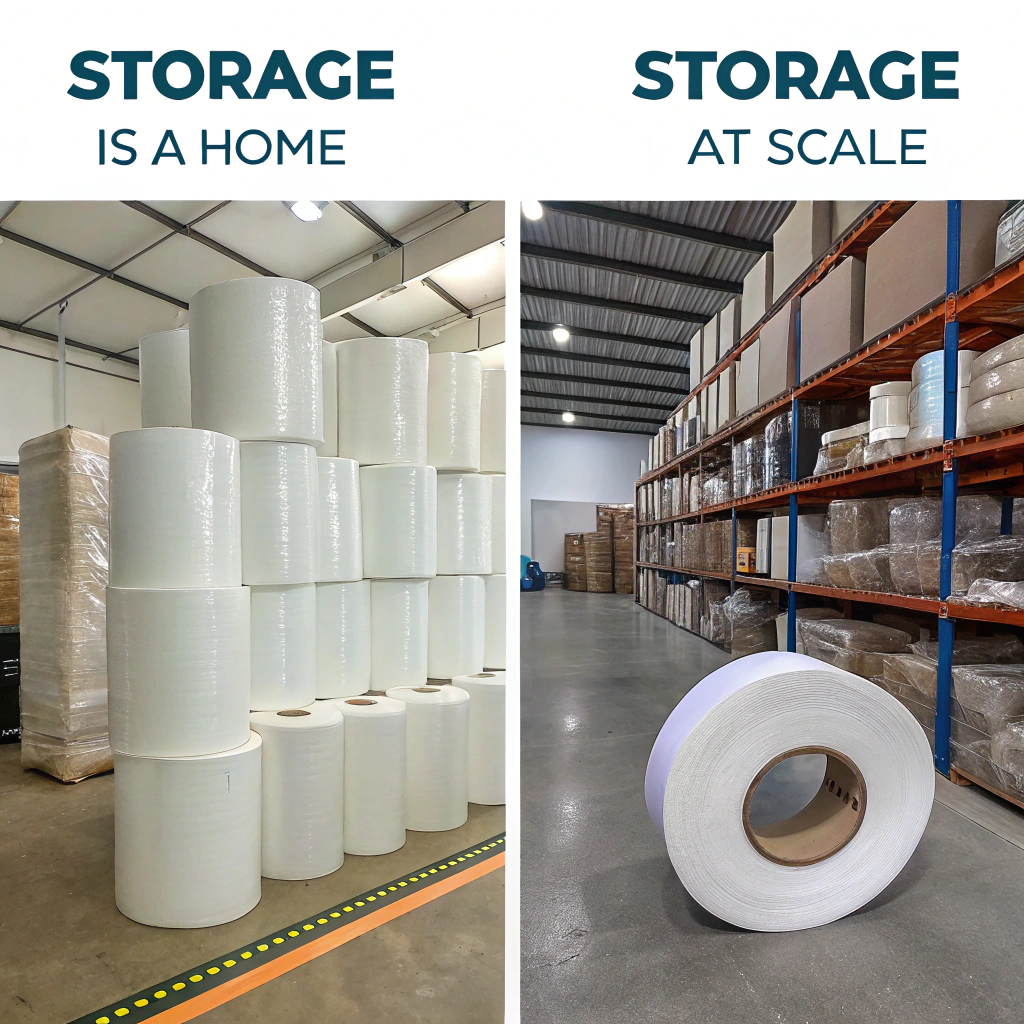
Storage at home vs storage at scale
At home, a few centimeters feel minor. In warehouses, they multiply fast.
A larger roll means:
- Fewer rolls per carton
- Fewer cartons per pallet
- Higher storage cost per sheet
Shipping and container loading
Roll diameter affects how cartons stack. Small changes in size can reduce container utilization.
In large shipments, this raises freight cost per unit.
Shelf space in retail
Retail shelves have fixed depth. Oversized rolls may stick out or require fewer units per shelf.
This lowers sales efficiency.
Storage efficiency comparison
| Roll diameter | Rolls per carton | Storage efficiency |
|---|---|---|
| 10 cm | High | Very good |
| 11.5 cm | Medium | Average |
| 13 cm | Low | Poor |
This is why many buyers prefer compact rolls with high sheet count.
Lessons from real supply planning
In past supply planning, reducing roll diameter by 1 cm increased container loading by several percent. That change lowered total cost without reducing paper length.
This shows how roll size affects more than comfort.
Conclusion
The size of a toilet paper roll depends on region, ply count, and design choices. While width stays fairly consistent, diameter varies widely. These differences affect comfort, storage, shipping, and cost. Understanding roll size helps buyers make smarter decisions beyond what looks big on the shelf.