Skip to content
Many buyers sell toilet paper every day, but few really know what is inside each roll. This gap causes confusion, wrong sourcing choices, and quality problems that hurt trust and profit.
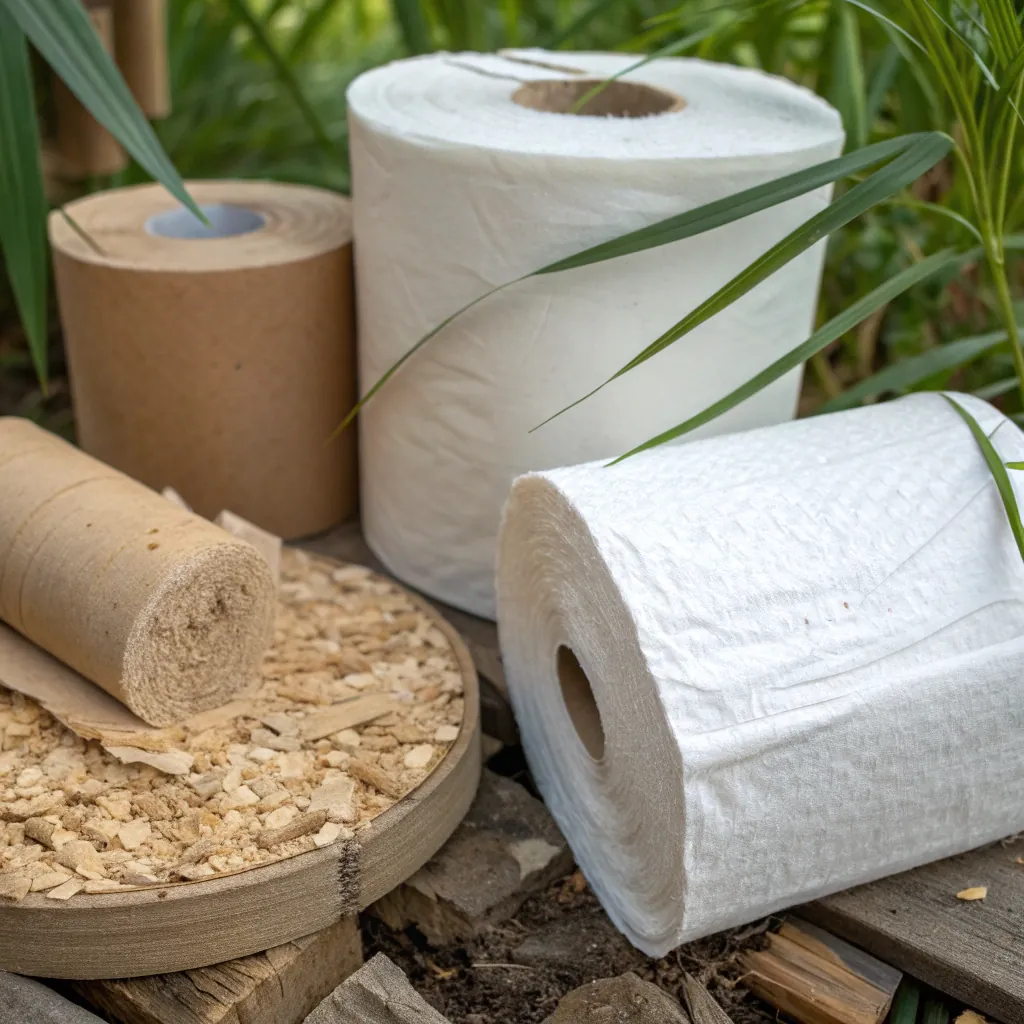
Toilet paper is mainly made from plant-based fiber, usually wood pulp, recycled paper pulp, or bamboo pulp. The exact material affects softness, strength, safety, cost, and environmental impact.
Once this basic idea is clear, the real value comes from understanding how each material works, why factories choose it, and how it fits different markets and use cases.
Is toilet paper made from virgin or recycled materials?
Most toilet paper in the global market is made from either virgin pulp or recycled pulp, and each option serves a clear purpose depending on price, regulations, and customer expectations.
Toilet paper can be made from virgin pulp, recycled pulp, or a mix of both, and the choice directly affects softness, hygiene level, strength, and cost.
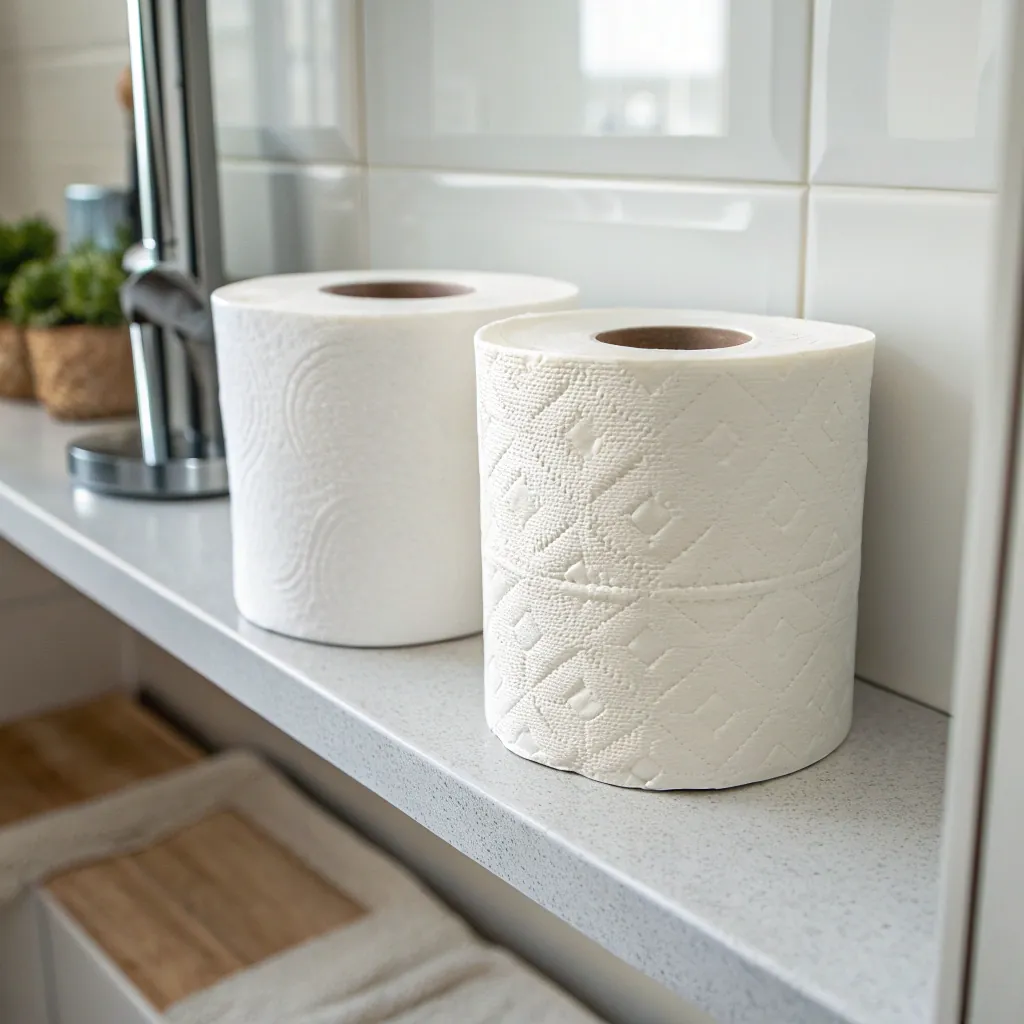
Virgin pulp comes from fresh plant fiber. It has not been used before. This type of pulp produces paper that is whiter, softer, and more uniform. It is often used in household toilet paper, premium brands, hotels, and baby-care products. Recycled pulp comes from used paper, such as office paper or cartons. It is processed, cleaned, and reused. This option lowers cost and reduces waste, so it is common in commercial and industrial toilet paper.
How virgin pulp toilet paper is made
Virgin pulp usually starts with softwood or hardwood trees. The wood is chipped and cooked to separate fibers. These fibers are washed and refined. This process removes lignin and impurities. The result is clean, strong fiber that bonds well during paper forming.
Because the fiber is long and intact, the final paper feels softer and breaks less during use. This matters for home users and for places like hotels, where comfort affects brand image.
How recycled pulp toilet paper is made
Recycled pulp uses collected waste paper. The paper is mixed with water and broken down into fibers. Ink, glue, and plastic are removed through screening and flotation. The pulp is then bleached or brightened if needed.
This process saves trees and energy. But fiber length is shorter because paper fibers weaken each time they are reused. This is why recycled toilet paper often feels rougher and has lower wet strength.
Practical comparison for buyers
| Item | Virgin Pulp Toilet Paper | Recycled Pulp Toilet Paper |
|---|---|---|
| Softness | High | Medium to low |
| Strength | Strong fiber bonding | Weaker fiber |
| Hygiene level | Very high | Controlled by process |
| Cost | Higher | Lower |
| Typical use | Home, hotel, premium retail | Public toilets, factories |
From my experience working with buyers in Africa and the Middle East, most importers use both types. Virgin pulp works well for retail shelves. Recycled pulp works better for bulk and institutional supply. The key is matching material to end use, not chasing the lowest price blindly.
What trees are commonly used for toilet paper?
The trees used for toilet paper are selected for fiber length, growth speed, and processing efficiency, not for furniture or construction quality.
Toilet paper is commonly made from fast-growing softwood and hardwood trees, chosen for their fiber structure and renewability.
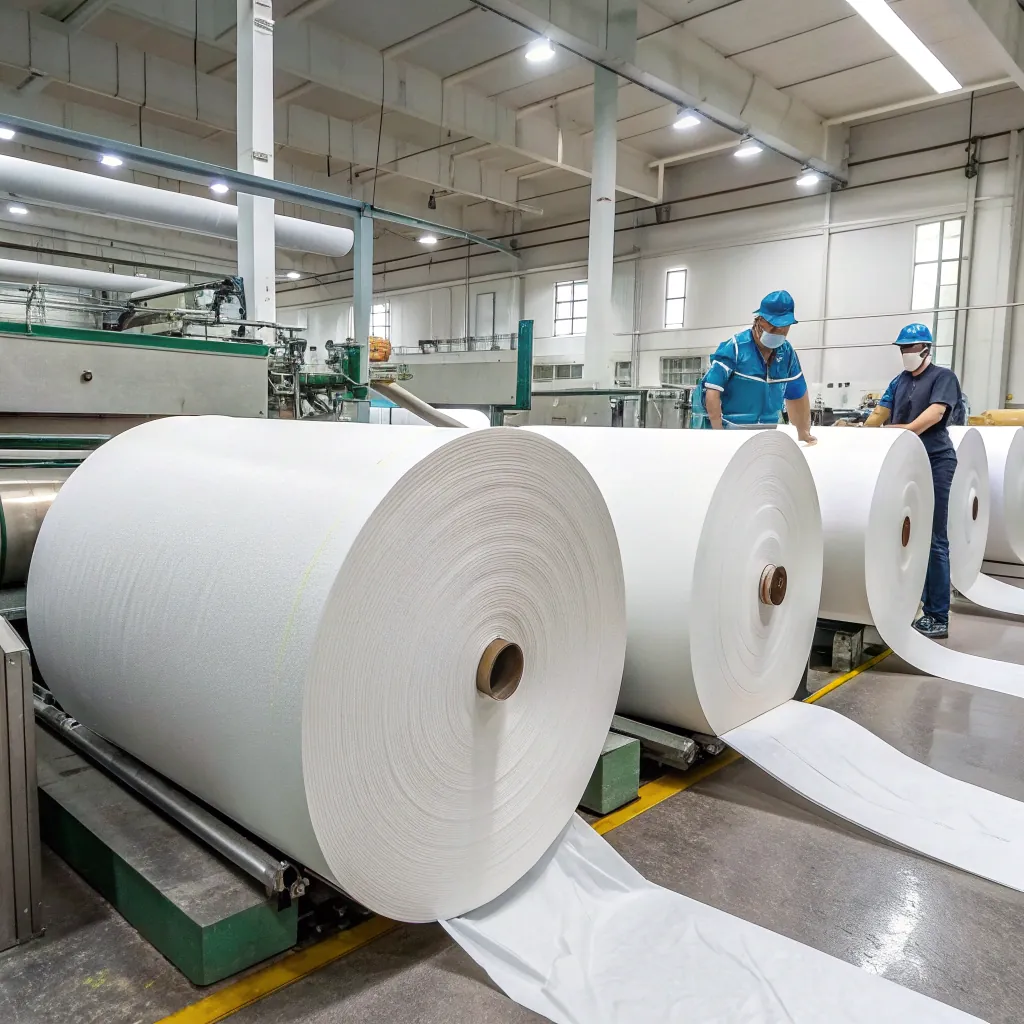
Softwood trees have long fibers. Hardwood trees have shorter fibers. Most toilet paper uses a blend of both to balance softness and strength.
Common softwood sources
Softwood trees grow faster and provide long fibers. These fibers improve tensile strength and tear resistance. Common softwood sources include pine and spruce. These trees are often grown in managed plantations.
Softwood pulp helps toilet paper stay intact when wet. This is important for jumbo rolls and commercial products that face heavy use.
Common hardwood sources
Hardwood trees provide shorter fibers. These fibers improve surface smoothness and softness. Eucalyptus is one of the most common hardwood sources. It grows fast, uses less land, and works well for tissue products.
Eucalyptus pulp is popular in many exporting countries because it offers stable quality and good brightness with lower energy use.
Fiber blending in production
Most factories do not rely on a single tree type. They blend fibers to achieve target performance. A simple blend example looks like this:
| Fiber Type | Main Role in Toilet Paper |
|---|---|
| Softwood fiber | Strength and durability |
| Hardwood fiber | Softness and smooth feel |
This blending approach allows factories to adjust quality for different markets. For example, a hotel-grade roll may use more hardwood pulp. A public restroom jumbo roll may use more softwood pulp.
I once worked with a buyer who requested extra softness without raising cost too much. Adjusting the hardwood ratio solved the problem without changing the selling price. Material knowledge creates flexibility like this.
Are there chemicals added during production?
Many people worry about chemicals in toilet paper, especially for skin contact products. This concern is valid, but the reality is more controlled than most assume.
Yes, some chemicals are used during toilet paper production, but reputable factories use them in safe, regulated amounts to improve cleanliness, strength, and appearance.
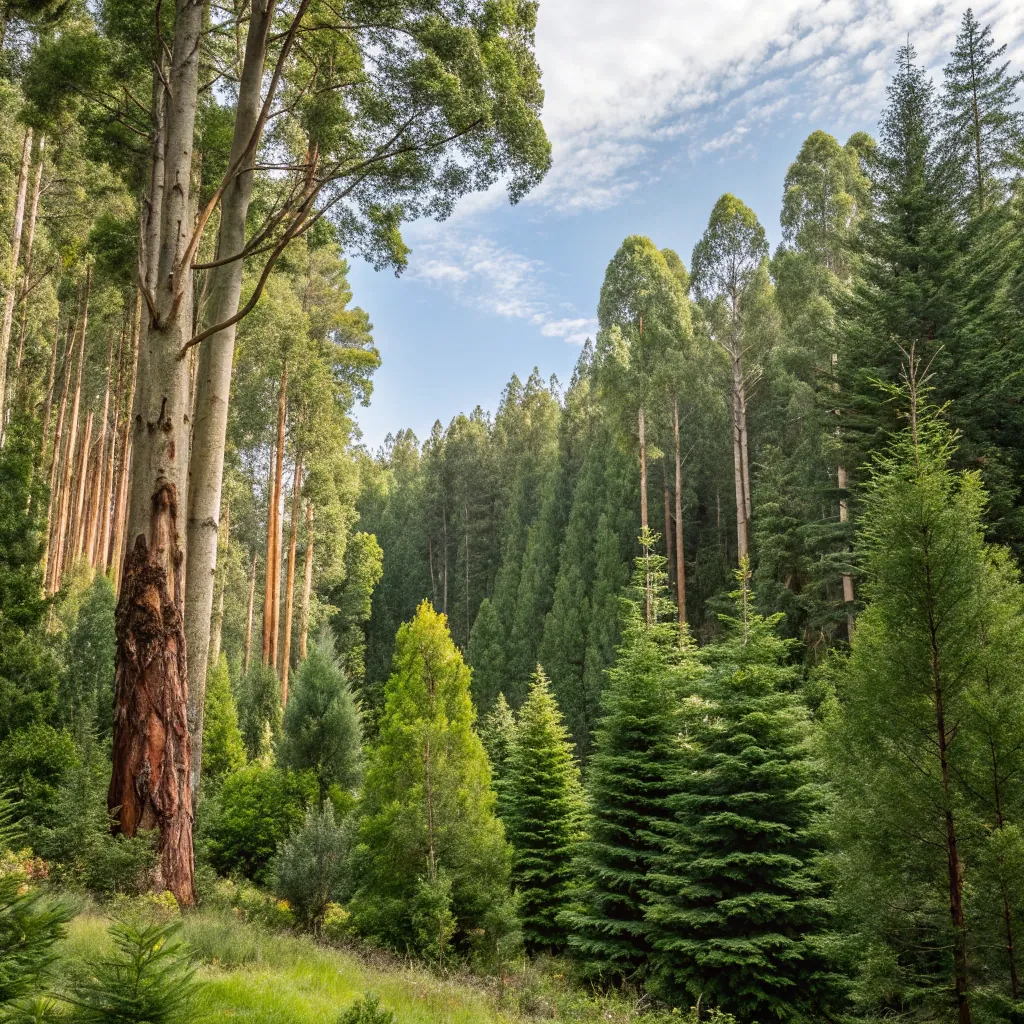
Chemicals are used at different stages, and each has a clear purpose.
Bleaching and whitening agents
Bleaching removes natural color from pulp. Modern factories avoid elemental chlorine. Instead, they use oxygen-based or chlorine-free systems. These methods reduce harmful residues and meet export regulations.
Whiteness matters because customers associate white paper with cleanliness. But excessive bleaching is not needed for functional quality.
Strength and bonding aids
Some additives help fibers bond better. These improve wet strength and reduce paper breakage during use. Without these aids, toilet paper would tear too easily when wet.
These chemicals are tightly controlled. They do not remain active in the final product.
Hygiene and safety treatments
For recycled pulp, extra cleaning agents remove ink and contaminants. Some products also include light antibacterial treatment, especially for commercial and medical use.
Chemical use overview
| Chemical Type | Purpose | Safety Control |
|---|---|---|
| Bleaching agents | Improve color | Chlorine-free systems |
| Bonding aids | Increase strength | Low residue |
| Cleaning agents | Remove ink and waste | Washed out during process |
In real production, the biggest risk is not chemical use itself. The risk comes from poor process control. Factories without testing systems may leave residues. This is why certifications and inspection matter more than marketing claims.
How is toilet paper material sourced sustainably?
Sustainability is no longer a slogan. It affects regulations, buyer trust, and long-term supply stability.
Sustainable toilet paper sourcing focuses on renewable fiber, responsible forestry, recycled material use, and efficient manufacturing systems.
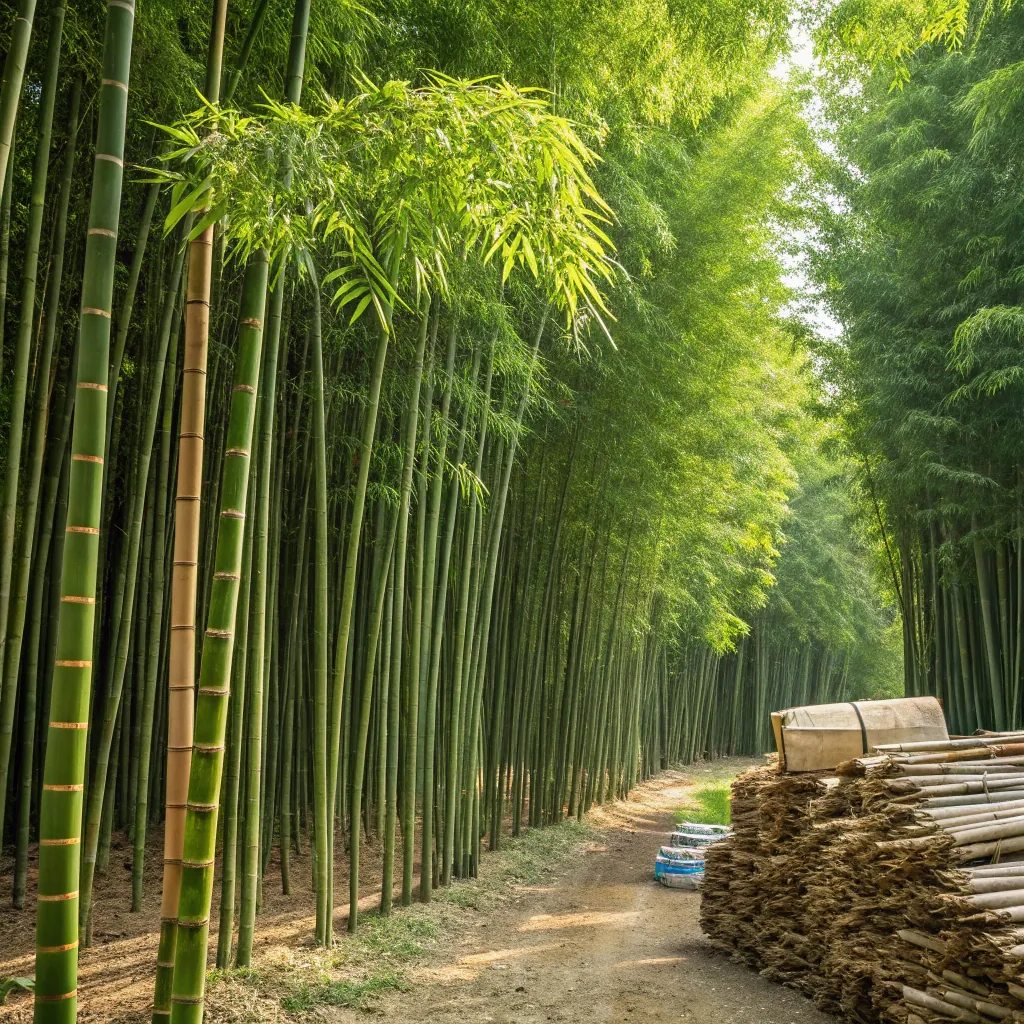
Responsible forestry practices
Many pulp suppliers use plantation-grown trees. These forests are planted, harvested, and replanted on fixed cycles. This reduces pressure on natural forests.
Traceability is key. Buyers should ask where the pulp comes from and how often forests are replanted.
Use of recycled fiber
Recycled pulp plays a major role in sustainability. It reduces landfill waste and lowers demand for new trees. When processed correctly, it meets safety standards for non-direct food or baby contact use.
Many public facilities prefer recycled toilet paper for this reason.
Alternative fiber sources
Bamboo pulp is gaining attention. Bamboo grows fast and regenerates without replanting. It requires less water and fewer chemicals. This makes it attractive for eco-focused brands.
However, bamboo pulp costs more and needs stable supply chains. It is not suitable for every market.
Sustainable sourcing comparison
| Source Type | Renewability | Cost Level | Common Use |
|---|---|---|---|
| Virgin wood pulp | High (plantation-based) | Medium to high | Home, hotel |
| Recycled pulp | Very high | Low | Commercial |
| Bamboo pulp | Very high | High | Eco brands |
From a business view, sustainability also means supply stability. A material that cannot be delivered on time is not sustainable, no matter how green it sounds. Smart buyers balance environmental goals with logistics and cost control.
Conclusion
Toilet paper is made from carefully selected plant fibers, processed with controlled methods to balance comfort, strength, safety, and cost. Understanding materials helps buyers choose better products, avoid quality risks, and build stable long-term supply chains.