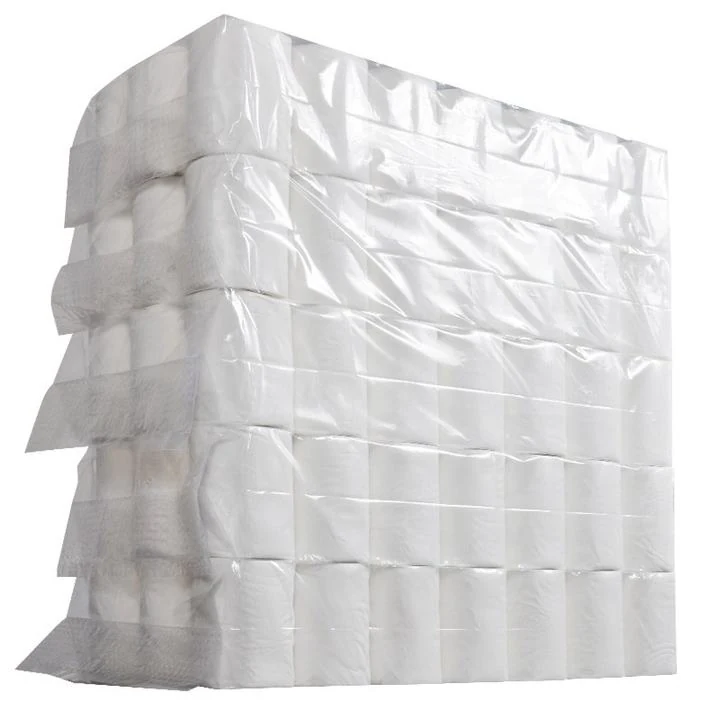
I know many homeowners worry about choosing the wrong toilet paper. A bad choice can create slow drains, blockages, and expensive septic problems.
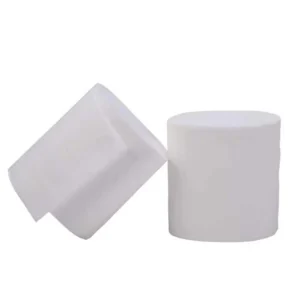
Septic safe toilet paper is toilet paper that breaks down quickly in water and moves easily through septic systems without creating heavy waste buildup.
I have learned that toilet paper quality is not only about softness. For septic owners, the paper structure, fiber type, and dissolving speed are also important. A good product should give users comfort while protecting the septic tank.
Which Toilet Paper Is Best For Septic Systems?
Many septic owners ask me this question because they want comfort without risking their plumbing. The market has many options, but not every soft roll is a good choice.
The best toilet paper for septic systems is usually a fast-dissolving, biodegradable toilet paper with short fibers and good breakdown performance.
I often explain that septic systems work through natural bacteria. These bacteria need time to break down waste materials. When toilet paper dissolves slowly, it can stay in the tank longer and increase the chance of problems. The right toilet paper should disappear quickly after contact with water.
What Features Make Toilet Paper Septic Safe?
I look at several points when I evaluate toilet paper for septic systems. The paper should have a balance between strength and easy breakdown.
| Feature | Why It Matters |
|---|---|
| Fast dissolving speed | Helps paper move through pipes and septic tanks |
| Short fiber structure | Allows bacteria and water to break the paper down faster |
| Moderate thickness | Reduces the chance of waste buildup |
| Biodegradable material | Supports better septic system performance |
I find that many people choose toilet paper only by softness or thickness. However, thicker paper often uses more layers and stronger bonding methods. These features can improve comfort, but they may slow down the breakdown process.
I usually recommend looking at product descriptions carefully. Terms like septic safe, biodegradable, and fast dissolving can provide useful information. However, I also check whether the manufacturer has real testing data because marketing words alone do not always show actual performance.
Why Fiber Material Changes Septic Performance
The raw material of toilet paper affects how quickly it breaks apart. Paper made from high-quality pulp can still be septic friendly when the structure is designed correctly.
| Material Type | Septic Performance |
|---|---|
| Virgin wood pulp | Good when fibers are designed for quick breakdown |
| Recycled paper | Often breaks down well because fibers are shorter |
| Bamboo pulp | Can provide good softness and natural fiber performance |
I have seen that many customers now prefer eco-friendly materials because they care about both household use and environmental impact. Bamboo pulp and recycled paper products are becoming more popular because they can provide comfort while supporting easier decomposition.
When I develop or select paper products, I focus on practical use. A septic safe product should not only feel good in the hand. It should also work well after flushing. The paper needs enough strength during use but should separate quickly when it enters water.
A good septic toilet paper is not always the thickest or most expensive option. In many cases, a simple two-ply product with the right fiber design can perform better than a very thick luxury product.
How Can You Test Toilet Paper Dissolvability?
Many people want a simple way to check toilet paper before using it in their homes. I understand this concern because product labels do not always explain the real breakdown speed.
You can test toilet paper dissolvability by placing a few sheets in water, mixing gently, and checking how quickly the paper separates into small pieces.
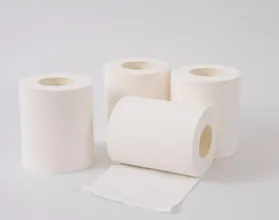
I use simple tests to understand how paper reacts with water. These tests cannot replace professional laboratory testing, but they can help homeowners compare different products before making a choice.
A Simple Home Dissolving Test
I suggest using a clear glass or bowl. This method helps people see the paper change after entering water.
- Take the same number of sheets from each toilet paper product.
- Put the paper into a container with clean water.
- Wait for a short period.
- Move the water gently.
- Check whether the paper breaks into smaller pieces.
A septic friendly toilet paper should lose its original shape quickly. It should not remain as one large wet sheet after several minutes.
What I Check During Testing
I usually focus on three simple questions:
| Testing Point | Good Result |
|---|---|
| Does the paper separate? | The paper breaks into smaller pieces |
| Does the paper become soft? | The fibers absorb water quickly |
| Does the paper move easily? | The material does not form large lumps |
I also remind people that home testing has limits. Septic systems are complex. The tank contains bacteria, wastewater, and different conditions. A short water test only shows one part of the product performance.
Why Dissolving Speed Matters For Septic Tanks
A septic tank depends on natural treatment processes. Wastewater enters the tank, solids settle, and bacteria help break down organic materials. Toilet paper becomes part of this process.
If paper breaks down slowly, it can add more solid material inside the tank. This does not mean one slow-dissolving sheet will immediately cause damage. However, daily use over many years can create additional pressure on the system.
I believe users should choose toilet paper based on their own situation. A small household with a modern septic system may have different needs from a large family using an older tank. The best choice should match the home environment.
Manufacturers also have a responsibility to provide reliable information. Good suppliers should test paper strength, absorbency, and breakdown performance. These tests help buyers make better decisions and reduce future plumbing issues.
Does Soft Toilet Paper Work With Septic Tanks?
Many customers ask me if they must give up softness when they have a septic system. Comfort is important, and people want products that feel pleasant during daily use.
Soft toilet paper can work with septic tanks if it is designed to dissolve quickly and does not create heavy waste buildup.
I understand why people connect softness with thickness. Many soft toilet papers use extra layers and special surface treatments. These features improve the user experience, but they can also affect how quickly the paper breaks apart.
The Difference Between Softness And Thickness
I often explain that softness does not always mean a product is septic friendly. Paper engineers can create comfortable toilet paper by changing fiber structure, embossing methods, and material selection.
A good balance includes:
- Comfortable surface feeling
- Enough strength for daily use
- Quick separation after flushing
- Suitable fiber design
I have found that two-ply toilet paper is often a practical choice for many septic households. It can provide enough comfort while keeping the paper volume under control.
Why Luxury Toilet Paper May Create Problems
Some premium toilet papers focus heavily on thickness. Three-ply and four-ply products can feel very soft, but they may contain more material per use.
| Toilet Paper Type | Possible Septic Impact |
|---|---|
| One-ply paper | Usually breaks down quickly but may feel less comfortable |
| Two-ply paper | Often provides a good balance |
| Thick multi-ply paper | May dissolve more slowly |
I do not believe all premium toilet paper is unsuitable for septic tanks. The actual design matters more than the price. A well-designed thick paper may perform better than a poorly designed thin paper.
How I Balance Comfort And Septic Safety
When I choose toilet paper for septic environments, I think about daily habits. A family using normal amounts of paper may have no issues with a comfortable septic safe product. Problems usually appear when people use too much paper or choose products that are not made for easy breakdown.
I also consider commercial users such as hotels, offices, and restaurants. These locations often have higher paper consumption. They need products that provide reliable performance because septic problems can interrupt business operations.
For these customers, I usually focus on stable supply, consistent quality, and tested product performance. Toilet paper is a simple daily product, but its design can influence maintenance costs and user satisfaction.
What Toilet Paper Should Septic Owners Avoid?
Many septic owners only think about what they should buy. I also think it is important to understand which products may create risks.
Septic owners should avoid toilet paper that dissolves slowly, uses excessive layers, or is designed mainly for strength instead of quick breakdown.
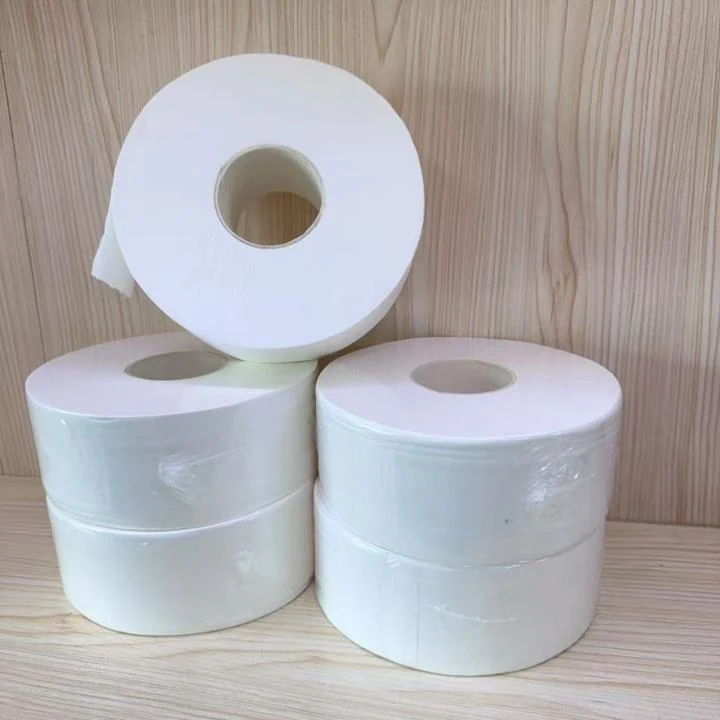
I have noticed that many problems come from choosing products based only on appearance. A thick and expensive roll may look high quality, but it may not match the needs of a septic system.
Toilet Paper Features I Usually Avoid
I pay attention to several warning signs when reviewing toilet paper options.
| Feature To Avoid | Reason |
|---|---|
| Very thick multi-layer design | More material may remain in the system |
| Slow dissolving structure | Can increase solid waste buildup |
| Heavy chemical treatments | May affect product breakdown |
| Non-biodegradable materials | May create long-term waste problems |
I also suggest avoiding products that are not clearly described. A reliable manufacturer should explain the paper material, production process, and testing methods.
Other Paper Products That Should Not Enter Septic Systems
Some people flush items that are not designed to break down easily. These products can create much bigger problems than normal toilet paper.
Common examples include:
- Paper towels
- Facial tissues
- Wet wipes
- Cleaning wipes
- Baby wipes
I know many wipes are labeled as flushable, but septic owners should be careful. Many wipes are stronger than toilet paper because they are designed to stay together when wet.
How Septic Owners Can Make Better Choices
I believe choosing toilet paper is part of a larger septic care plan. Good habits can help protect the system.
Homeowners should:
- Choose tested septic safe toilet paper
- Avoid flushing unsuitable products
- Use a reasonable amount of paper
- Maintain the septic tank regularly
I have learned that small daily choices can influence long-term system performance. Toilet paper is only one part of septic care, but it is a product people use every day.
When customers ask me about septic safe paper, I focus on balance. The goal is not to find the thickest roll or the cheapest roll. The goal is to find a product that works well with the septic system, provides comfort, and supports reliable daily use.
Conclusion
Choosing septic safe toilet paper means finding the right balance between comfort, strength, and fast breakdown. I believe a well-designed, tested toilet paper product can protect septic systems while meeting daily household needs.