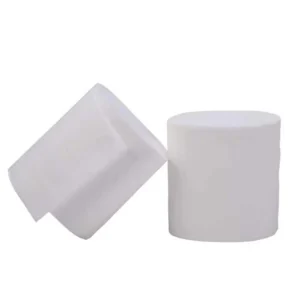
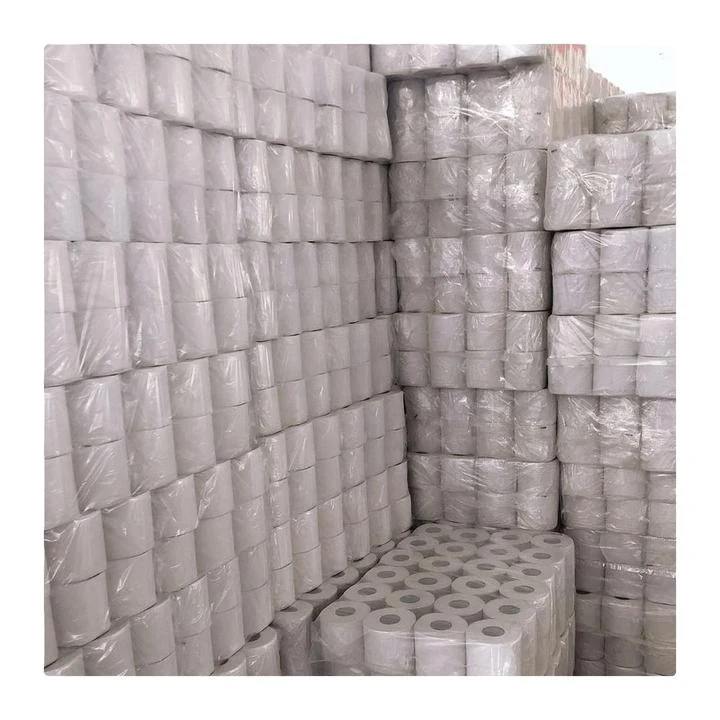
Many buyers now pay more attention to what is inside daily products. Toilet paper looks simple, but some people worry about hidden chemicals that may affect health and the environment.
PFAS are a group of chemicals that can appear in many consumer products. Some tissue products may contain PFAS because these chemicals can provide water resistance and other performance benefits. However, more buyers are now asking for safer and cleaner alternatives.
The tissue industry is changing because consumers, retailers, and importers want better product transparency. Understanding PFAS helps buyers make better decisions when choosing toilet paper products for homes, businesses, and large projects.
Are PFAS Found In Toilet Paper?
PFAS can be found in some toilet paper products, but the level and use depend on the manufacturing process, raw materials, and product requirements. Many manufacturers are now working to reduce or remove PFAS from tissue products.
PFAS stands for per- and polyfluoroalkyl substances. These chemicals are a large family of compounds that have been used in many industries because they can resist water, oil, and stains. In some applications, PFAS help products perform better.
For toilet paper, PFAS are not usually a main ingredient. However, some studies have raised questions about possible contamination from production materials, recycled fibers, packaging, or processing aids.
Modern tissue manufacturers pay more attention to raw materials and production control. Many companies are improving their processes to meet growing demand for PFAS-free and environmentally friendly products.
Why PFAS May Appear In Tissue Products
PFAS may enter tissue products through different ways:
| Possible Source | Explanation |
|---|---|
| Raw materials | Some recycled materials may contain unwanted chemicals |
| Manufacturing process | Certain processing materials may introduce chemicals |
| Packaging materials | Some packaging treatments may include PFAS |
| Factory environment | Cross-contact may happen without strict control |
The possibility of PFAS in toilet paper does not mean all toilet paper contains harmful levels. Different manufacturers use different methods, and product safety depends on quality control systems.
Many professional tissue factories now test their products carefully. They check raw materials, production conditions, and final products before shipping. These steps help reduce risks and improve customer confidence.
Buyers who purchase toilet paper in large quantities should ask suppliers about product standards. Importers, distributors, and retailers need clear information because customers increasingly want to understand product safety.
The demand for PFAS-free products is also connected to the wider movement toward clean and sustainable products. People are not only looking at price anymore. They also consider materials, environmental impact, and manufacturing responsibility.
For suppliers, this trend creates both challenges and opportunities. Manufacturers need better testing systems and clearer communication. Companies that can provide safe, transparent, and reliable products can build stronger relationships with global buyers.
PFAS awareness is still developing in many markets. As consumers learn more about chemicals in daily products, the demand for safer tissue solutions will likely continue to increase.
Why Are PFAS A Concern In Tissue Products?
PFAS are a concern in tissue products because some of these chemicals can remain in the environment for a long time. Buyers worry about possible effects on human health, ecosystems, and long-term sustainability.
PFAS are sometimes called “forever chemicals” because many types of PFAS break down very slowly. This long-lasting nature creates concerns about accumulation in water, soil, and living organisms.
Toilet paper is a daily-use product. Because people use it frequently, customers want to know whether unwanted chemicals could be present. This concern has encouraged many brands to improve product testing and supply chain management.
Main Reasons Buyers Pay Attention To PFAS
The concern about PFAS comes from several areas:
| Concern Area | Why Buyers Care |
|---|---|
| Health questions | Consumers want safer personal care products |
| Environmental impact | Persistent chemicals may affect ecosystems |
| Brand reputation | Companies need customer trust |
| Regulations | Markets may introduce stricter chemical rules |
The tissue industry faces pressure from both consumers and businesses. Retailers want products that match customer expectations. Hotels, offices, and commercial buyers also want safe products because their purchasing decisions influence many users.
Manufacturers need to balance product performance and chemical safety. Traditional product improvements sometimes focus on softness, strength, and durability. Today, companies also need to consider cleaner production methods.
How Tissue Manufacturers Respond To PFAS Concerns
Professional manufacturers use several methods to reduce risks:
- They select better raw materials.
- They improve factory management.
- They test products regularly.
- They follow customer and market requirements.
The role of quality control is very important. A reliable tissue factory does not only focus on producing large quantities. It also controls every step from material selection to final inspection.
For international buyers, supplier evaluation becomes a key step. A buyer should not only ask about price and delivery time. The buyer should also understand how the supplier manages product safety.
PFAS concerns also influence packaging decisions. Many consumers prefer simple packaging with fewer unnecessary treatments. Brands are exploring recyclable and cleaner packaging options to match sustainability goals.
The market is moving toward more responsible manufacturing. Companies that ignore customer concerns may lose trust. Companies that provide clear information can create stronger brand value.
However, buyers should also avoid unnecessary fear. Not every chemical concern means every product is unsafe. Good purchasing decisions require accurate information, supplier communication, and proper testing.
The best approach is to choose suppliers that focus on transparency. Manufacturers that can explain their materials, production process, and quality standards are more likely to provide dependable products.
PFAS awareness has changed the tissue market. It encourages manufacturers to improve, helps buyers ask better questions, and pushes the industry toward cleaner production.
How Can Buyers Avoid PFAS In Toilet Paper?
Buyers can avoid PFAS in toilet paper by choosing reliable suppliers, checking product information, and requesting quality documents. A careful purchasing process helps businesses find safer and more transparent products.
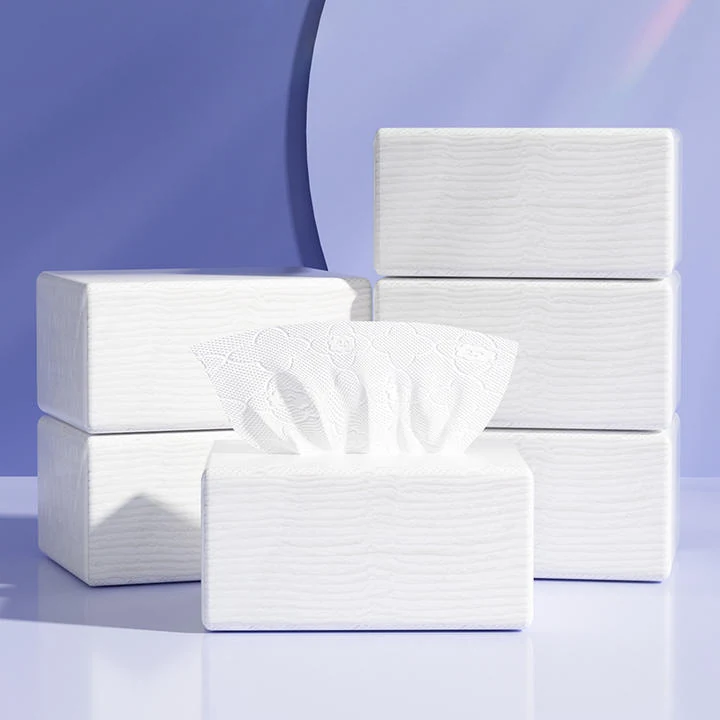
Many consumers only see the final product on a store shelf. However, professional buyers need to understand the complete supply chain. The factory, raw materials, production methods, and testing process all influence product quality.
Important Steps For Buyers
Buyers can follow these steps:
- Choose suppliers with strong quality systems.
- Ask for product testing information.
- Check whether the supplier supports PFAS-free requirements.
- Review production standards before placing large orders.
For importers and distributors, supplier selection is one of the most important decisions. A low-cost supplier may not always provide the best long-term value. Product problems can create customer complaints and damage business reputation.
A professional supplier should be able to answer questions about materials and manufacturing. Buyers can ask about pulp sources, chemical controls, packaging materials, and quality inspection procedures.
The following comparison shows what buyers should consider:
| Buying Method | Result |
|---|---|
| Choosing only the lowest price | May increase quality risks |
| Checking supplier documents | Helps understand product safety |
| Requesting samples | Allows product evaluation before orders |
| Building long-term supplier relationships | Creates more stable cooperation |
Buyers should also understand market requirements. Different countries and regions may have different expectations for tissue products. A supplier with export experience can help customers meet local standards.
Samples are useful before large orders. Buyers can test softness, strength, packaging quality, and product information. They can also request third-party testing when necessary.
Communication is another important factor. Clear communication helps prevent misunderstandings about product specifications. Buyers should explain their requirements early, especially when they need special features such as PFAS-free production.
Private label buyers need extra attention. When a company sells products under its own brand, product safety directly affects brand image. A responsible supplier becomes an important business partner.
Technology also helps improve transparency. Some manufacturers provide digital documents, test reports, and production information to support buyer confidence.
The future of tissue purchasing will focus more on responsibility. Buyers will continue to look beyond appearance and price. They will evaluate whether products match their values and customer expectations.
Avoiding PFAS concerns is not only about one chemical. It is about building a better purchasing system with trusted suppliers, clear information, and strong quality management.
Are PFAS Free Toilet Papers Available?
PFAS-free toilet papers are available in the market, and demand for these products is increasing. Many manufacturers now produce tissue products that focus on cleaner materials, safer production, and environmental responsibility.
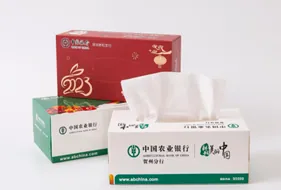
More brands are promoting PFAS-free options because customers want simple and trustworthy products. These products are especially popular among families, eco-friendly consumers, retailers, and businesses that care about sustainability.
PFAS-free toilet paper does not mean the product loses quality. Modern manufacturing technology allows companies to produce soft, strong, and comfortable tissue without depending on unnecessary chemicals.
Features Of PFAS-Free Toilet Paper
Common features include:
- Careful selection of raw materials.
- Strong production quality control.
- Cleaner manufacturing processes.
- Transparent product information.
- Environment-friendly packaging options.
Many bamboo toilet paper products are also connected with the PFAS-free trend. Bamboo is often promoted as a renewable material, and some manufacturers combine bamboo fibers with cleaner production methods to create sustainable tissue products.
However, buyers should check supplier information carefully. A product description alone may not provide enough proof. Reliable manufacturers should support their claims with testing reports and clear production information.
For businesses, PFAS-free toilet paper creates new market opportunities. Retailers can attract customers who prefer sustainable products. Hotels and commercial projects can improve their environmental image by choosing responsible supplies.
Why The Market Is Moving Toward PFAS-Free Products
The market change comes from several factors:
- Consumers want safer daily products.
- Retailers want stronger brand trust.
- Businesses want sustainable purchasing choices.
- Manufacturers want to meet future market needs.
Suppliers that invest in cleaner production can build stronger advantages. They can support private label projects, international distribution, and long-term partnerships.
The demand for PFAS-free toilet paper shows that product quality now includes more than softness and price. Customers care about the full story behind a product, including materials, production, and environmental impact.
As awareness grows, PFAS-free toilet paper will likely become a more common choice in many markets. Buyers who understand this trend early can make better purchasing decisions and create stronger connections with customers.
Conclusion
PFAS concerns are changing how buyers evaluate toilet paper products. Choosing reliable suppliers, checking quality information, and selecting PFAS-free options can help businesses provide safer and more trusted tissue products.