Skip to content
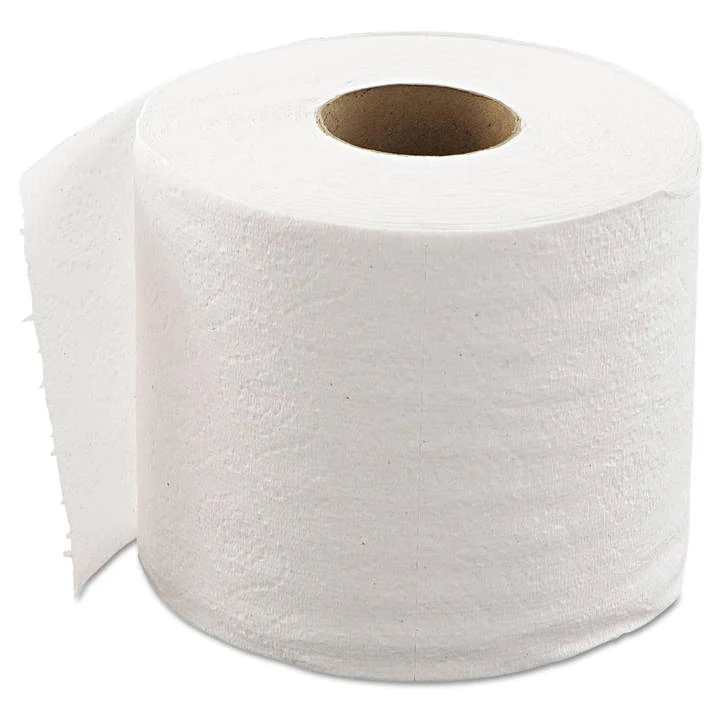
Many buyers choose the wrong toilet paper size. This causes storage problems, dispenser issues, and higher shipping costs. A small detail like roll diameter can create big problems later.
The standard diameter of a toilet paper roll is usually between 4 and 5 inches for household use. Commercial jumbo rolls are much larger and can reach over 12 inches in diameter depending on paper length and dispenser type.
Many importers and wholesalers focus only on paper quality and price. Yet roll diameter also affects packaging, transport, shelf space, and user experience. This guide explains how toilet paper roll diameter works and why it matters in real business situations.
What is the standard diameter of a toilet roll?
Small differences in toilet roll size often create problems during packing, storage, or dispenser matching. Many buyers only notice these issues after products arrive at the warehouse.
The standard diameter of a household toilet paper roll is commonly 4 to 5 inches. Most standard rolls fit universal home dispensers and contain 200 to 500 sheets depending on ply and embossing.

The diameter of a toilet roll means the distance from one side of the roll to the other side through the center core. This measurement changes based on paper thickness, sheet count, core size, and winding tension.
Common Household Roll Sizes
Most household toilet paper products follow similar size standards. This helps products fit standard bathroom holders around the world.
| Roll Type | Typical Diameter | Common Usage |
|---|---|---|
| Standard Roll | 4–5 inches | Home bathrooms |
| Double Roll | 5–5.5 inches | Family use |
| Mega Roll | 5.5–6 inches | Long-lasting home use |
| Compact Roll | 3.5–4 inches | Travel or budget products |
Why Diameter Matters
Roll diameter affects much more than appearance. In wholesale business, it directly impacts logistics and customer satisfaction.
Storage Efficiency
Larger rolls need more carton space. A small increase in diameter can reduce container loading quantity. This matters for importers who buy full containers.
For example, one African distributor once reduced roll diameter by only 0.3 inches. That small change allowed nearly 8% more products inside a shipping container. The freight savings became very important during periods of high ocean shipping costs.
Dispenser Compatibility
Standard household dispensers are designed for common roll sizes. Oversized rolls may rub against walls or dispenser covers. This creates poor user experience.
Consumer Expectations
Many retail customers judge value by roll size. A bigger roll often looks more premium. Yet larger diameter does not always mean more usable tissue because embossing and winding methods also affect roll appearance.
Core Size Also Matters
Diameter alone does not tell the full story. The inner core diameter changes total paper capacity too.
Most household toilet paper cores are around 1.5 to 2 inches. A larger core reduces paper quantity unless the outer diameter also increases.
Factors That Affect Final Diameter
Several production details change the final roll size:
- Ply count
- Paper GSM
- Embossing depth
- Sheet count
- Core diameter
- Winding pressure
- Moisture content
Factories carefully control these details during production. Even small errors can create size inconsistency.
Standard Diameter by Region
Different markets sometimes prefer different sizes.
| Market | Preferred Diameter |
|---|---|
| United States | 4.5–5 inches |
| Europe | 4–4.7 inches |
| Africa | 4.5–5.5 inches |
| Middle East | 4–5 inches |
In many African markets, buyers often prefer larger-looking rolls because they appear more economical to end users.
Do commercial rolls have larger diameters?
Many business buyers wonder why commercial toilet rolls look much bigger than household products. The answer comes from usage frequency and maintenance needs.
Yes, commercial toilet paper rolls usually have much larger diameters. Jumbo rolls can range from 8 to 14 inches because they contain far more paper and reduce replacement frequency in public washrooms.
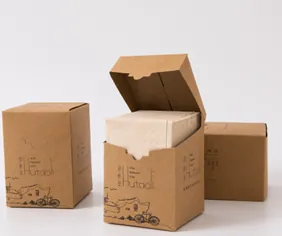
Commercial toilet paper is designed for airports, malls, hotels, office buildings, hospitals, and factories. These locations need high-capacity products because washrooms receive heavy daily traffic.
Common Commercial Roll Types
Commercial rolls come in several categories.
| Roll Type | Diameter Range | Application |
|---|---|---|
| Mini Jumbo Roll | 7–9 inches | Restaurants, offices |
| Jumbo Roll | 9–12 inches | Shopping malls |
| Maxi Jumbo Roll | 12–14 inches | Airports, stadiums |
| Coreless Roll | Varies | High-efficiency systems |
Why Bigger Rolls Matter
Lower Maintenance
Large rolls reduce refill frequency. Staff spend less time replacing empty rolls.
This matters greatly in large buildings. One hotel supplier explained that switching from standard rolls to jumbo rolls reduced restroom maintenance time by almost half during peak tourist season.
Reduced Theft
Large commercial rolls are harder to remove and steal. This helps reduce operating costs in public facilities.
Better Cost Efficiency
Commercial buyers usually focus on cost per meter rather than roll count. Jumbo rolls often provide lower long-term cost.
Dispenser Design Changes Roll Diameter
Commercial dispensers are built around specific roll diameters.
A mini jumbo dispenser cannot hold a maxi jumbo roll. Because of this, wholesalers must confirm dispenser compatibility before exporting products.
Commercial Roll Materials
Commercial products also vary by material type:
- Virgin wood pulp
- Recycled pulp
- Bamboo pulp
- Mixed pulp
Different materials change paper thickness and winding density, which affects final diameter.
Transportation Considerations
Larger rolls create special logistics challenges.
Carton Optimization
Factories must arrange rolls carefully to maximize container loading.
Compression Risks
Very soft jumbo rolls may deform during shipping if cartons stack too high.
Humidity Issues
High humidity can slightly expand paper rolls during sea transport. Strong packaging becomes very important for tropical regions.
Commercial Buyers Often Prioritize Diameter
Many wholesale buyers first ask about:
- Roll diameter
- Core size
- Paper length
- GSM
- Carton quantity
This happens because these factors directly affect dispenser fit and operational costs.
How is toilet roll diameter measured?
Many buyers assume roll diameter measurement is simple. Yet inaccurate measurement often creates disputes between suppliers and importers.
Toilet roll diameter is measured by calculating the distance across the center of the roll from one outer edge to the opposite outer edge. Factories usually use calipers or measuring rulers during quality inspections.

Factories measure toilet roll diameter during production and before shipment. Accurate measurement helps maintain product consistency.
Basic Measurement Method
The most common method uses a ruler or caliper.
Step 1: Place Roll on Flat Surface
The roll must stay stable without compression.
Step 2: Measure Through Center
The measurement goes from one outside edge directly through the core center to the opposite edge.
Step 3: Record Maximum Diameter
Factories usually record the widest point.
Professional Factory Inspection
Large manufacturers use stricter systems.
| Inspection Tool | Purpose |
|---|---|
| Vernier Caliper | High precision measurement |
| Diameter Gauge | Fast production checks |
| Laser Measurement | Automated inspection |
| Manual Ruler | Basic sampling |
Why Measurement Accuracy Matters
Small diameter differences can create serious problems.
Packaging Problems
Cartons designed for 5-inch rolls may not fit 5.3-inch products properly.
Dispenser Failure
Oversized rolls may jam inside dispensers.
Customer Complaints
Retail buyers often compare actual product size with packaging claims.
Diameter Tolerance Standards
Factories usually allow small production tolerance ranges.
Common tolerance:
- ±2 mm
- ±3 mm
- Sometimes ±5 mm for jumbo products
Better factories maintain tighter control using automated rewinding systems.
Roll Compression Affects Measurement
Soft tissue compresses easily. This creates measurement variation.
For example:
- Tight winding reduces diameter
- Loose winding increases diameter
- Soft embossing increases bulk appearance
Because of this, professional factories use standard pressure during testing.
Humidity Can Change Roll Size
Paper absorbs moisture from air. This slightly changes diameter.
In humid regions:
- Rolls may expand
- Cartons may deform
- Product weight may increase
This becomes important during international shipping.
Importance for OEM Buyers
OEM customers usually request detailed specifications including:
| Specification | Importance |
|---|---|
| Outer Diameter | Dispenser fit |
| Core Diameter | Machine compatibility |
| Roll Width | User comfort |
| Sheet Count | Cost calculation |
| GSM | Quality level |
Accurate specifications help avoid disputes after delivery.
Does roll diameter vary with ply count?
Many people think all toilet rolls have the same structure. In reality, ply count changes the entire roll design and directly affects diameter.
Yes, toilet roll diameter often changes with ply count. Higher ply paper is thicker, so rolls usually become larger unless sheet count or winding density is adjusted during production.

Ply count means the number of paper layers in each sheet. Common options include 1-ply, 2-ply, 3-ply, and 4-ply products.
How Ply Changes Thickness
Each additional layer increases paper thickness.
For example:
| Ply Count | Thickness Level | Typical Diameter Trend |
|---|---|---|
| 1-Ply | Thin | Smaller |
| 2-Ply | Medium | Standard |
| 3-Ply | Thick | Larger |
| 4-Ply | Extra Thick | Largest |
Factories Balance Diameter and Sheet Count
Manufacturers often adjust sheet quantity to keep roll diameter within market standards.
A 3-ply roll may contain fewer sheets than a 2-ply roll while maintaining similar outer diameter.
Embossing Also Changes Roll Bulk
Embossing creates air pockets between layers. This increases softness and visual thickness.
Deep embossing can make a roll appear larger without greatly increasing actual paper quantity.
Consumer Psychology
Many shoppers associate larger diameter with better value.
Because of this:
- Premium products often use thicker embossing
- Retail brands may enlarge roll appearance
- Commercial products focus more on total length
Ply Count and Shipping Efficiency
Higher ply rolls usually occupy more space.
This affects:
- Carton size
- Container loading
- Freight cost
- Warehouse storage
Importers often compare:
- Cost per roll
- Cost per sheet
- Cost per meter
- Container efficiency
Different Markets Prefer Different Ply Counts
Market demand varies by region.
| Region | Popular Ply Count |
|---|---|
| Africa | 1–2 Ply |
| Europe | 2–3 Ply |
| North America | 2–4 Ply |
| Hotels | 2–3 Ply |
| Industrial Use | 1–2 Ply |
Softness vs Efficiency
Higher ply products feel softer but reduce loading efficiency.
Large commercial buyers sometimes prefer:
- Lower ply count
- Longer rolls
- Smaller diameter increase
Retail buyers often prefer:
- Thicker rolls
- Softer texture
- Premium appearance
Production Machines Must Match Ply Design
Different ply counts require different machine settings.
Factories adjust:
- Rewinding tension
- Glue amount
- Embossing pressure
- Cutting accuracy
Without proper adjustment, rolls may become loose or uneven.
Why OEM Buyers Study Ply Carefully
OEM customers usually customize:
- Ply count
- Roll diameter
- Core size
- Packaging style
These details help products match local market demand and pricing targets.
Conclusion
Toilet paper roll diameter affects far more than product appearance. It impacts dispenser fit, transport cost, storage efficiency, and customer experience. Understanding roll diameter helps wholesalers, importers, and retailers choose products that better match their market needs.