Skip to content
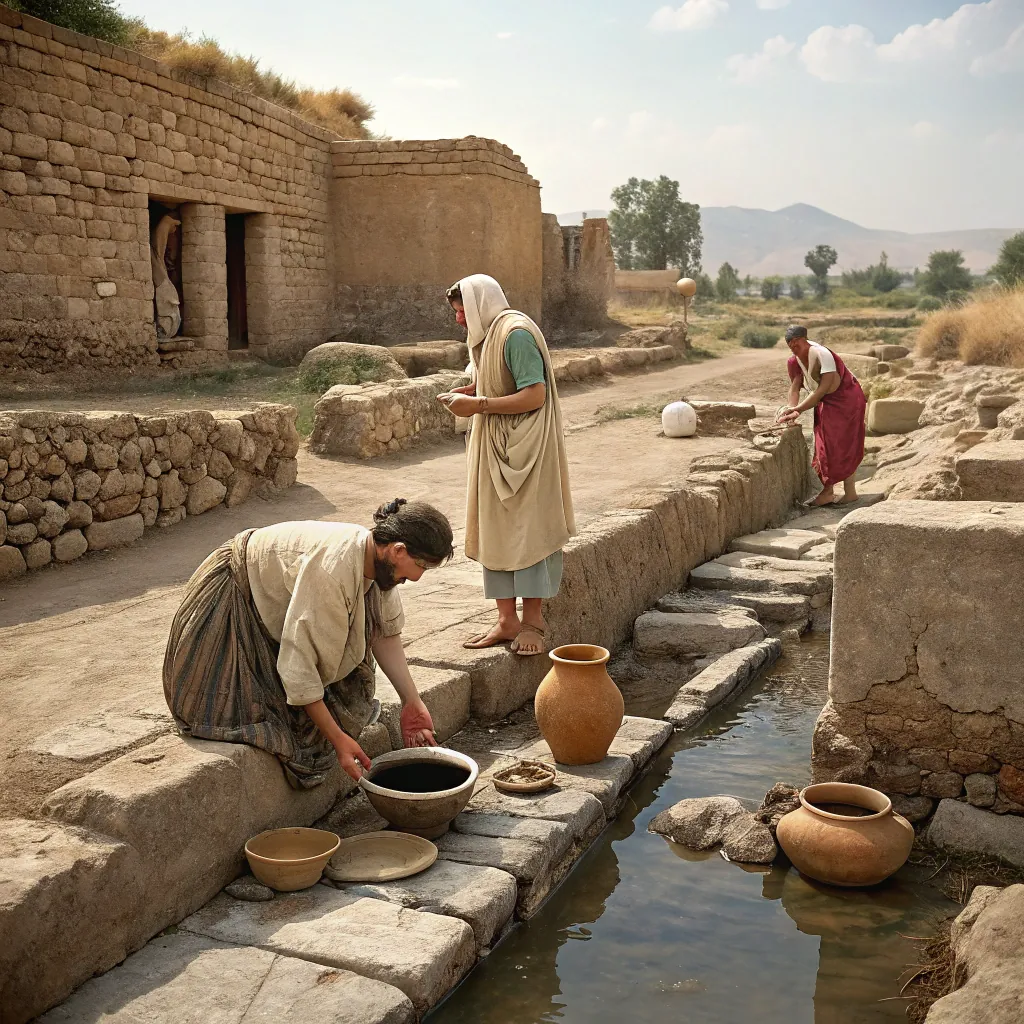
Most people never question toilet paper because it feels basic and permanent. Yet this simple product is very new in human history. For thousands of years, people lived without it, often facing discomfort, poor hygiene, and disease without clear solutions.
Toilet paper was created as a dedicated hygiene product in the mid-19th century, but the idea of using paper for sanitation appeared much earlier in ancient civilizations.
Once this timeline is clear, the details become more interesting. Toilet paper is not just a product. It reflects how societies think about privacy, health, technology, and daily comfort.
Who first invented modern toilet paper?
The origin of modern toilet paper is tied to one person and one moment in history.
Modern toilet paper was first invented in 1857 by Joseph Gayetty, who sold packaged paper sheets designed specifically for personal hygiene use.

Hygiene before it became a business
For centuries, hygiene was personal and local. There was no market for wiping products. People used what they had, and no one expected comfort.
As cities grew in the 1800s, waste problems became visible. Disease outbreaks forced people to think about cleanliness in new ways. Still, wiping methods remained ignored.
Joseph Gayetty’s motivation
Joseph Gayetty believed that rough wiping materials caused medical problems. He saw hygiene as a health issue, not just a habit.
He created flat paper sheets infused with aloe. These sheets were sold in packs and marketed as a medical aid. Each sheet had his name printed on it.
This product was not a roll. It looked more like writing paper.
Public reaction and resistance
Many people felt embarrassed buying toilet paper. Talking about bathroom habits in public felt improper.
Other problems also slowed adoption:
- Paper was expensive
- Indoor plumbing was rare
- Reusable cloth felt more familiar
Gayetty’s idea was ahead of its time.
Impact despite low sales
Even though sales were limited, Gayetty proved a key idea. Paper could be made soft enough for the body and sold for hygiene.
This changed how later inventors thought about sanitation products.
Early timeline overview
| Year | Event | Importance |
|---|---|---|
| 1857 | Gayetty introduces hygiene paper | First purpose-made toilet paper |
| 1860s | Medical marketing grows | Hygiene linked to health |
| Late 1800s | Paper costs fall | Wider access possible |
This small start laid the foundation for a global industry.
How was hygiene handled before toilet paper?
Before toilet paper, people relied on their environment and traditions.
Before toilet paper, hygiene was handled using natural materials, reusable objects, or water-based cleaning, depending on culture and location.

Natural materials across regions
Different regions used different materials based on climate and resources:
- Leaves and moss in forests
- Sand or stones in dry areas
- Corn cobs in farming regions
- Snow in cold climates
None of these options were soft or consistent.
Reusable materials and health risks
Cloth was common in wealthier homes. It was washed and reused many times. This saved cost but increased health risks.
Without proper cleaning methods, bacteria spread easily. Skin irritation and infection were common.
Shared tools in public spaces
In some ancient cities, public toilets used shared wiping tools. These tools were rinsed but not disinfected.
This practice spread illness quickly, though people did not understand why.
Cultural differences in hygiene
Some cultures used water instead of dry materials. This method reduced irritation but required access to clean water.
Cultural habits shaped hygiene more than science.
Comparison of pre-toilet paper methods
| Material used | Comfort level | Hygiene risk | Reusability |
|---|---|---|---|
| Leaves | Low | Medium | No |
| Stones | Very low | High | No |
| Cloth | Medium | High | Yes |
| Water | High | Low | Yes |
This table shows why people accepted discomfort as normal for so long.
When did toilet paper become mass produced?
An invention only matters when people can afford it.
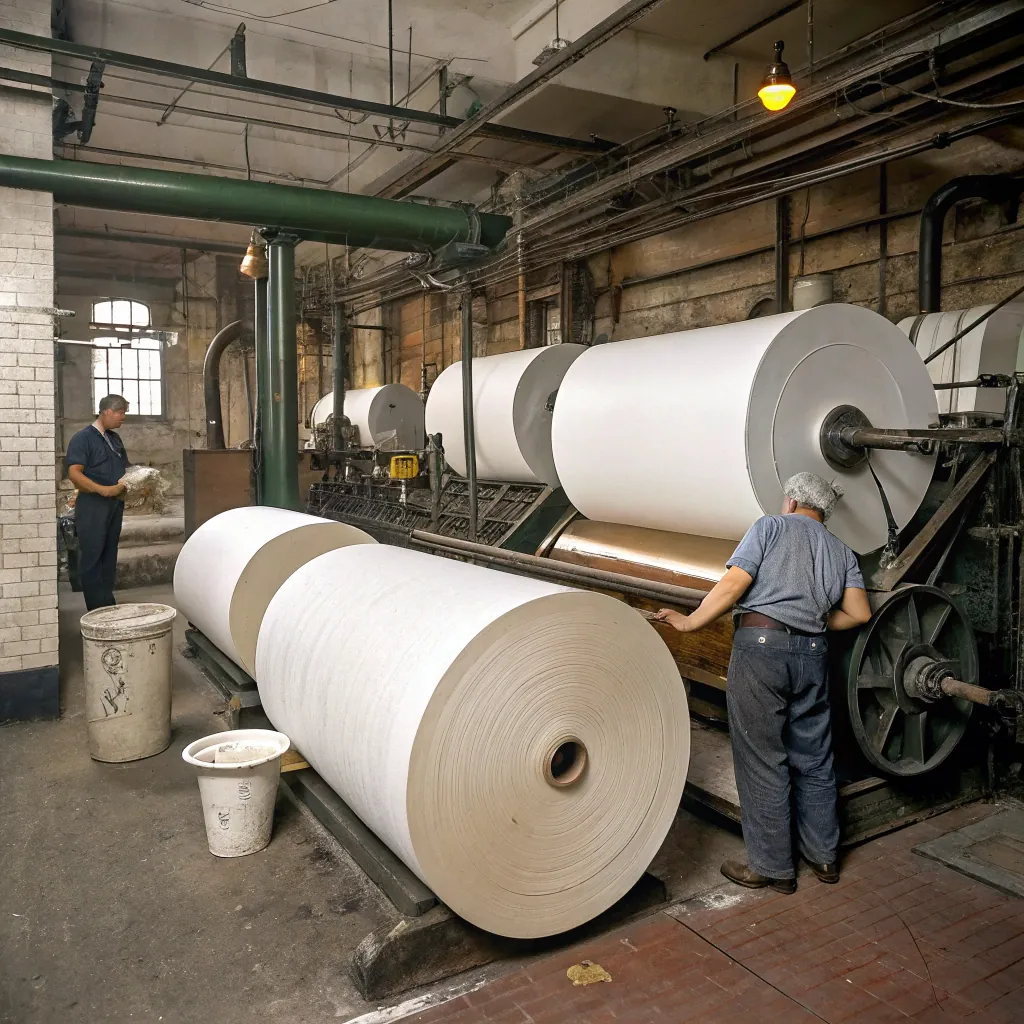
Toilet paper became mass produced in the late 19th and early 20th centuries as industrial paper mills and indoor plumbing spread.
From sheets to rolls
Early toilet paper came as loose sheets. Rolls appeared later because they were easier to store and use.
The roll design also protected paper from dirt and moisture.
Industrial changes in paper making
Paper mills improved production in several ways:
- Faster pulp processing
- Better fiber control
- Softer textures
- Lower cost per unit
These changes made disposable hygiene paper practical.
Plumbing pushed demand
Indoor toilets created a new problem. Old wiping materials clogged pipes.
Paper that dissolved in water solved this issue. This pushed both households and businesses toward toilet paper.
Early 20th century expansion
By the early 1900s:
- Urban homes used toilet paper regularly
- Hotels adopted it as a standard
- Offices and factories followed
- Rural areas changed more slowly
Wars also improved logistics and paper supply chains.
Mass production milestones
| Period | Change | Result |
|---|---|---|
| 1890s | Roll format introduced | Easier use |
| 1900–1920 | Plumbing expands | Higher demand |
| 1920s | Branding grows | Consumer trust |
Standardization during this time still shapes today’s products.
What was the earliest use of paper for sanitation?
Paper hygiene did not start in the modern era.
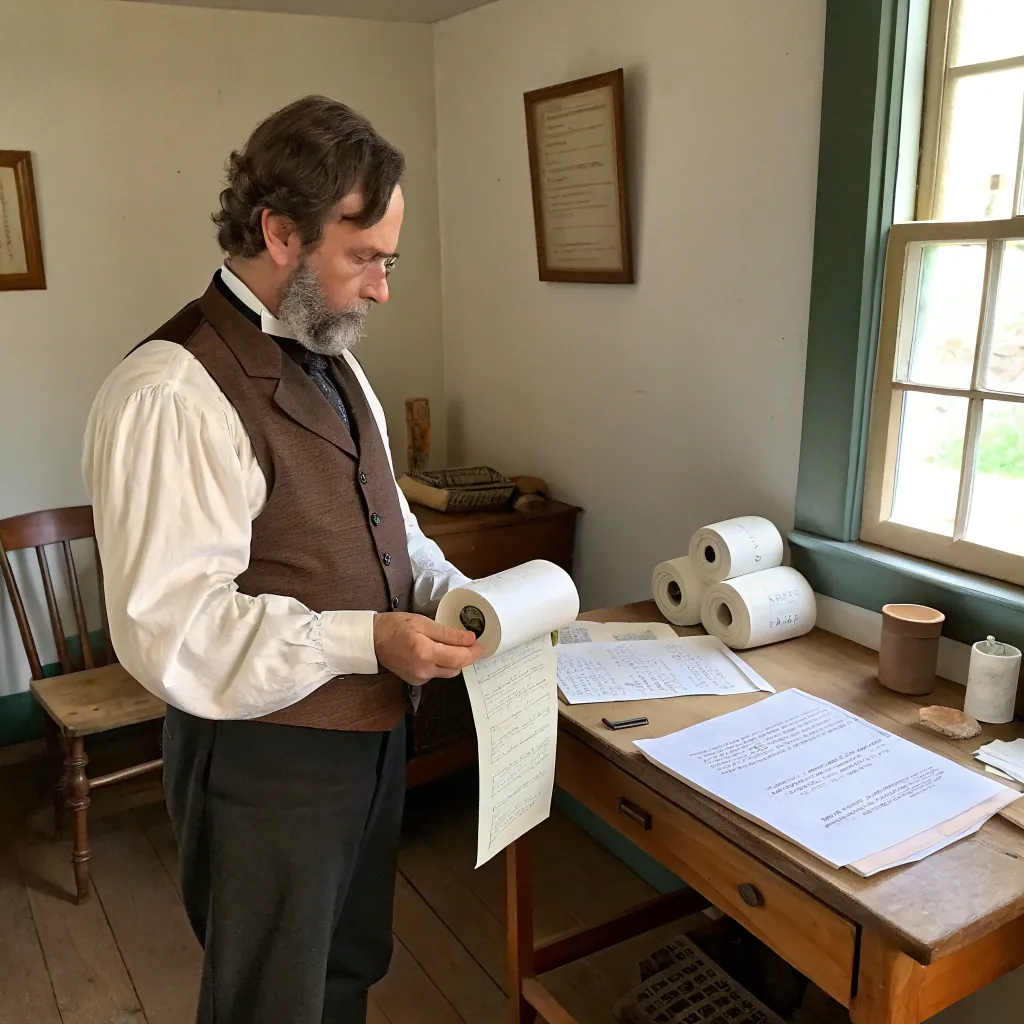
The earliest known use of paper for sanitation occurred in ancient China, where paper was used for wiping more than a thousand years ago.
Early paper availability
China invented paper centuries before Europe. Once paper production increased, it became affordable for non-writing uses.
Historical records describe large amounts of paper made for hygiene in royal households.
Quality of early paper
Early paper was thick and rough. It was not soft by modern standards, but it was better than stones or wood.
Over time, papermaking techniques improved.
Limited access and class divide
Only wealthy groups used paper for hygiene. Most people continued using traditional materials.
This created a gap between invention and mass adoption.
Slow spread of ideas
Even though paper hygiene existed, the idea did not travel quickly. Trade focused on luxury goods, not daily habits.
Cultural habits change slowly, especially private ones.
Long-term evolution summary
| Era | Hygiene method | Access level |
|---|---|---|
| Ancient China | Paper | Elite only |
| Medieval period | Natural materials | General public |
| 19th century | Paper sheets | Urban users |
| 20th century | Rolled toilet paper | Global |
This long path shows how simple ideas can take centuries to become normal.
Conclusion
Toilet paper feels ordinary today, but it has a long and uneven history. From ancient paper use to 19th-century invention and 20th-century mass production, progress was slow. Behind every roll is a story of culture, technology, and changing views on hygiene.