Skip to content

Cottonelle is a familiar name in many homes, but few people know where it is really made. This lack of clarity can cause doubt, especially for buyers who care about origin, quality, and supply stability.
Cottonelle toilet paper is mainly made in the United States, with production also supported by facilities in other countries to serve global markets and keep supply stable.
Many shoppers ask this question because the place of production often affects trust, pricing, and product quality. To understand the full picture, it helps to look at who makes Cottonelle, where its factories are located, and how its materials are sourced.
What company manufactures Cottonelle toilet paper?
Cottonelle toilet paper is not made by a small or unknown factory. It is produced by a large, well-established paper products company with decades of experience in hygiene paper manufacturing. This matters because toilet paper is not a simple product. It requires stable raw materials, strong quality control, and consistent production systems.
Many consumers assume Cottonelle is a standalone brand. In reality, it is part of a larger corporate structure that manages multiple tissue and hygiene brands. This structure allows Cottonelle to benefit from shared technology, research, and large-scale production capacity.
A brand backed by large-scale manufacturing
Cottonelle is manufactured by a global paper products company that focuses on personal care and hygiene items. This company operates many tissue mills and converting plants. These facilities are designed for high-volume output and strict quality standards.
Large manufacturers usually follow a layered production model:
- Pulp preparation and paper making
- Tissue converting and embossing
- Cutting, rolling, and packaging
- Quality inspection and logistics
This model allows the company to control each step instead of outsourcing key processes. For toilet paper, this control is important because softness, strength, and absorbency all depend on precise settings during production.
Why the manufacturer matters to buyers
For buyers, especially bulk buyers and retailers, the manufacturer behind a brand affects long-term supply and consistency. A large manufacturer can:
- Maintain steady output during demand spikes
- Invest in automation and efficiency
- Meet regulatory and safety standards
- Support wide distribution networks
This is one reason Cottonelle is widely available in supermarkets, online stores, and wholesale channels. The manufacturing company has the scale needed to support national and international distribution.
Manufacturing responsibility and quality control
Large tissue manufacturers usually run internal quality systems. These systems track:
- Paper thickness and grammage
- Tensile strength and wet strength
- Sheet count accuracy
- Roll diameter and core size
Testing happens during production and before shipment. This reduces variation between batches. For everyday consumers, this means the Cottonelle roll bought today should feel similar to one bought months ago.
Brand focus versus factory focus
Cottonelle itself focuses on brand positioning, comfort, and user experience. The manufacturing company focuses on machinery, raw materials, and efficiency. This division of roles allows the brand to grow while production remains stable.
Below is a simple overview of how brand and manufacturer roles differ.
| Aspect | Brand Role | Manufacturer Role |
|---|---|---|
| Product image | Marketing and packaging | Technical execution |
| User comfort | Design goals | Process control |
| Supply stability | Demand planning | Production capacity |
| Quality | Standards definition | Testing and inspection |
Understanding who manufactures Cottonelle helps explain why the product remains consistent across many regions and sales channels.
Where in the U.S. is Cottonelle mainly produced?
Many consumers want to know if Cottonelle is truly made in the United States or only packaged there. The answer is that a large portion of Cottonelle toilet paper is produced in the U.S., using domestic tissue mills and converting plants.
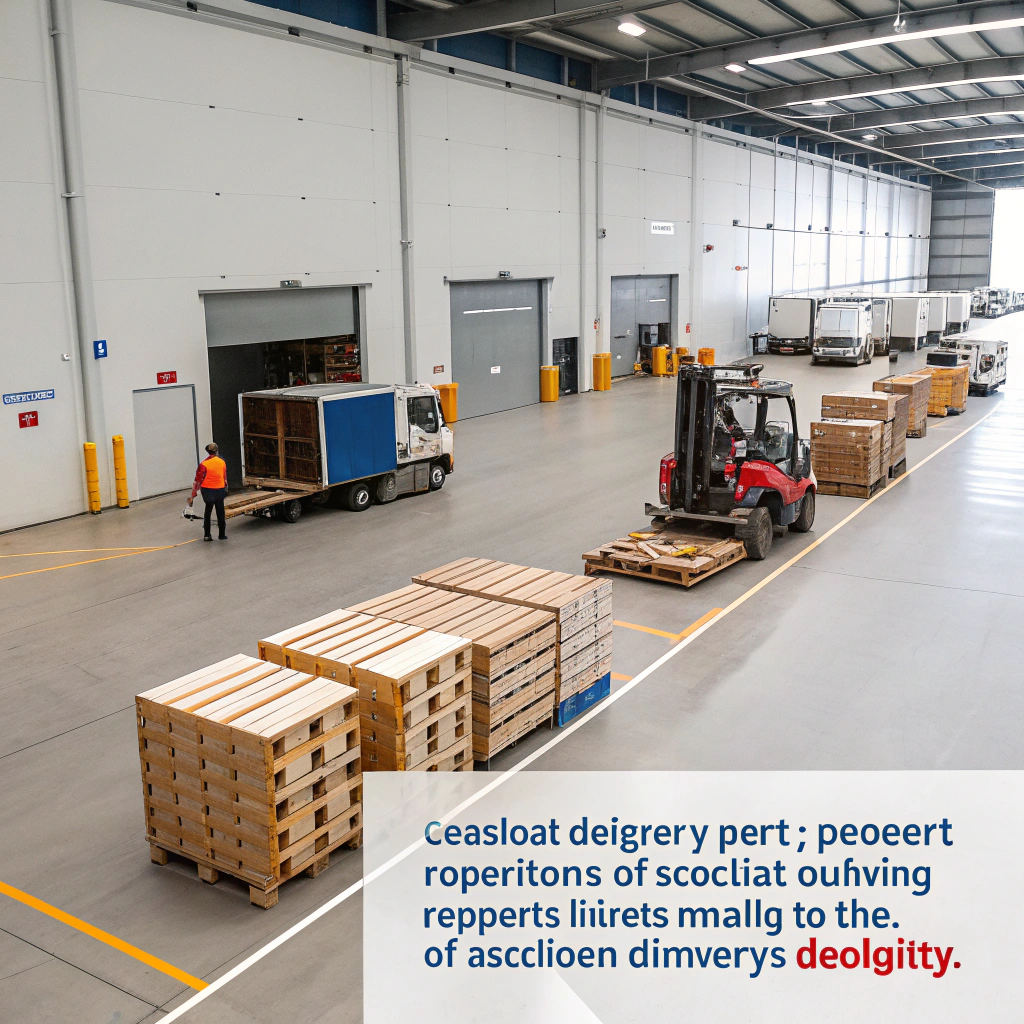
The U.S. has a long history of tissue paper manufacturing. This history includes strong infrastructure, skilled labor, and access to raw materials. Cottonelle benefits from all three.
Key U.S. production regions
Cottonelle production is spread across several U.S. states rather than one single location. This multi-location strategy reduces risk and shortens delivery times.
Common characteristics of U.S. tissue production sites include:
- Proximity to pulp suppliers
- Access to rail and highway transport
- Availability of industrial utilities
- Experienced workforce
Southern and central U.S. regions are often preferred because they are close to forest resources and logistics hubs. These regions allow faster shipping to both coasts.
Why multiple factories are used
Using multiple factories offers several advantages:
- Faster delivery to different regions
- Reduced impact from local disruptions
- Flexible production scheduling
- Lower transportation costs
If one plant slows down, another can increase output. This flexibility became especially important during periods of panic buying and supply chain stress.
Domestic production and consumer trust
Many U.S. consumers prefer products made domestically. Domestic production is often associated with:
- Clear regulatory oversight
- Shorter supply chains
- Stable labor standards
By producing a significant share of Cottonelle toilet paper in the U.S., the brand can label and market the product as domestically produced when applicable. This builds trust with buyers who value local manufacturing.
Environmental and efficiency factors
Modern U.S. tissue plants are highly automated. Automation helps reduce waste and improve consistency. Many plants also invest in:
- Water recycling systems
- Energy efficiency upgrades
- Reduced packaging waste
These efforts do not eliminate environmental impact, but they help lower it. Domestic plants are also easier to audit and upgrade over time.
Production scale in the U.S.
U.S.-based tissue plants often run large machines capable of producing thousands of tons of paper each month. These machines operate continuously, with planned maintenance cycles.
The table below shows a simplified comparison of domestic production advantages.
| Factor | U.S. Production |
|---|---|
| Lead time | Short |
| Quality control | High |
| Regulatory oversight | Strong |
| Logistics cost | Lower for U.S. market |
| Supply stability | High |
This structure explains why the U.S. remains a core production base for Cottonelle toilet paper.
Is Cottonelle toilet paper made in other countries?
While much of Cottonelle toilet paper is made in the United States, not all production is limited to one country. Like many global brands, Cottonelle also relies on international manufacturing to serve markets outside the U.S.
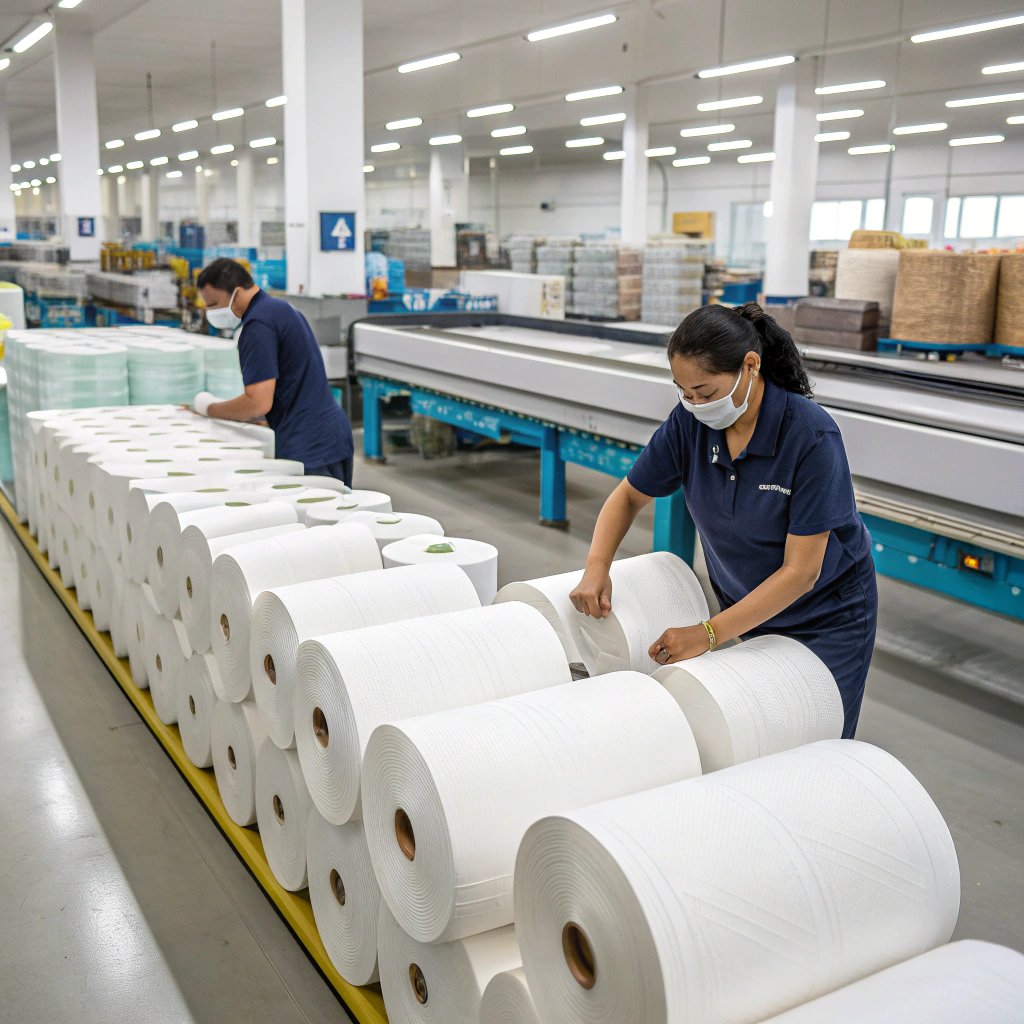
Global production does not mean lower quality. Instead, it reflects how large brands manage logistics, tariffs, and regional demand.
Why international production is necessary
Shipping bulky items like toilet paper over long distances is expensive. Rolls take up space and weigh relatively little. This makes long-distance shipping inefficient.
To solve this problem, brands often:
- Produce closer to the end market
- Use regional factories for regional sales
- Adjust product specs to local preferences
For example, sheet size, roll length, and packaging style can differ by country.
Regional manufacturing strategy
Cottonelle’s international production supports:
- Latin American markets
- Parts of Asia
- Other regions with local demand
These factories often use similar machines and quality systems as U.S. plants. The goal is to deliver a consistent experience, even if the product is made in a different country.
Quality consistency across borders
Large tissue manufacturers use standardized procedures. These include:
- Unified machine settings
- Shared testing methods
- Centralized product specifications
This approach reduces variation. A roll made abroad should still meet the same performance expectations for softness and strength.
Labeling differences
Products made outside the U.S. usually carry different origin labels. Buyers may see wording such as:
- “Made in X country”
- “Made with domestic and imported materials”
These labels follow local laws and help consumers make informed choices.
Cost and supply chain balance
International production also helps control costs. Labor, energy, and raw material costs vary by country. By balancing production locations, the brand can:
- Keep prices competitive
- Avoid shortages
- Respond faster to regional demand
This balance is common across global household paper brands.
Below is a simple comparison of domestic and international production roles.
| Aspect | U.S. Production | International Production |
|---|---|---|
| Main market | United States | Local regional markets |
| Shipping distance | Short | Short within region |
| Cost structure | Higher | Often lower |
| Customization | Limited | More regional |
| Supply resilience | High | High |
International manufacturing is not a replacement for U.S. production. It is a support system that helps the brand operate globally.
Does Cottonelle use domestic or imported materials?
Another common question is about raw materials. Many consumers want to know whether Cottonelle toilet paper is made from domestic pulp, imported pulp, or a mix of both.
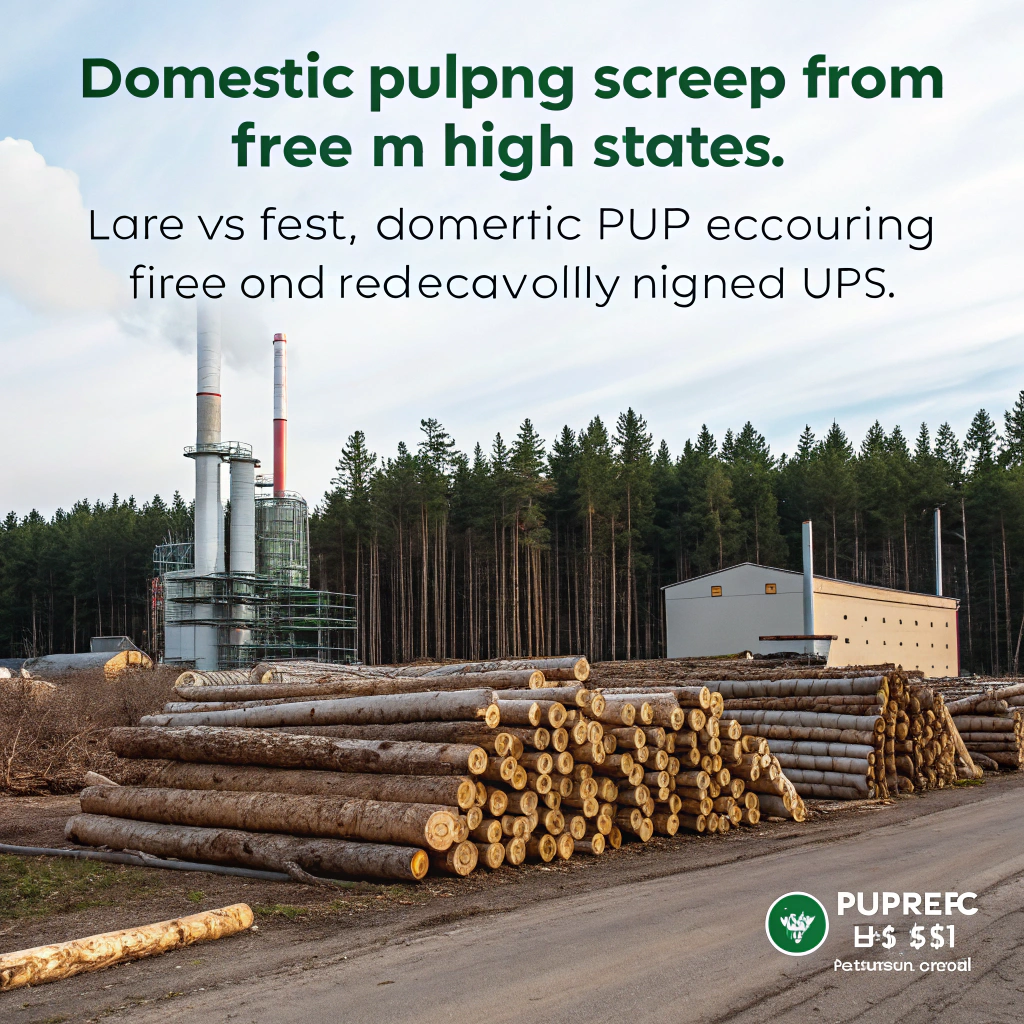
The answer is not simple because material sourcing depends on location, availability, and cost at a given time.
Types of raw materials used
Toilet paper is mainly made from pulp. This pulp can come from:
- Virgin wood pulp
- Recycled paper pulp
- A blend of both
Cottonelle products are generally known for softness, which often requires a higher share of virgin pulp. Virgin pulp fibers are longer and smoother than recycled fibers.
Domestic pulp sourcing
In the United States, pulp is widely available. Large forest resources and pulp mills support domestic supply. Using domestic pulp offers benefits such as:
- Shorter transport distances
- Stable quality standards
- Easier traceability
Many U.S.-made Cottonelle products rely heavily on domestic pulp for these reasons.
Imported pulp and global supply
Even with strong domestic supply, imported pulp is sometimes used. Reasons include:
- Price fluctuations in pulp markets
- Temporary shortages
- Specific fiber characteristics
Imported pulp may come from regions known for fast-growing trees. These fibers can add softness or strength when blended correctly.
Sustainability considerations
Large tissue manufacturers often set sustainability goals. These may include:
- Responsible forestry sourcing
- Certified pulp suppliers
- Reduced environmental impact
Using a mix of domestic and imported materials allows flexibility while still meeting these goals. The focus is usually on fiber quality and responsible sourcing rather than country alone.
Material transparency and labeling
Packaging sometimes states whether products are made from virgin fibers or recycled content. However, exact pulp origin is rarely listed in detail.
For buyers, the most practical indicators are:
- Product performance
- Brand consistency
- Published sustainability statements
These factors give more useful information than country of origin alone.
How material sourcing affects the final product
Material choice directly affects:
- Softness
- Strength when wet
- Absorbency
- Roll durability
This is why manufacturers carefully test blends before mass production. The goal is to keep the user experience stable even when sourcing changes.
The table below summarizes material sourcing factors.
| Factor | Domestic Materials | Imported Materials |
|---|---|---|
| Availability | Stable | Variable |
| Cost | Moderate | Can be lower or higher |
| Fiber quality | Consistent | Can add softness |
| Transport | Short | Long |
| Flexibility | Lower | Higher |
In practice, Cottonelle uses a balanced approach. Materials are chosen based on performance, supply stability, and long-term planning rather than a single-source rule.
Conclusion
Cottonelle toilet paper is mainly made in the United States, supported by international production and flexible material sourcing. This layered approach helps ensure stable quality, wide availability, and consistent performance for consumers across different markets.