Skip to content
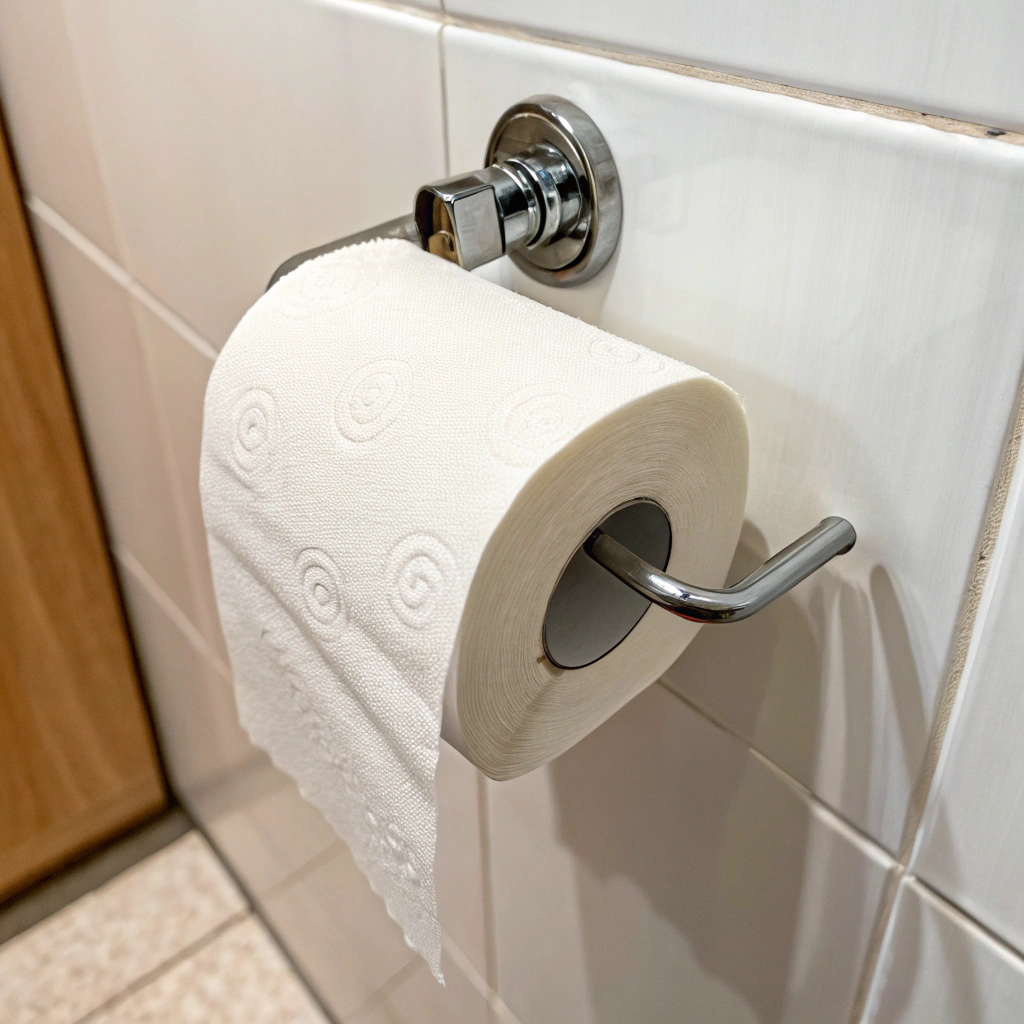
The toilet paper holder seems simple. But many people place it wrong. This small mistake can make daily bathroom use feel awkward, slow, and uncomfortable.
The toilet paper holder should be placed within easy reach while seated, usually 8–12 inches in front of the toilet bowl and 26 inches above the floor. This position reduces body strain and keeps the bathroom clean and practical.
Many homes ignore this detail. That is why it is worth taking time to understand correct placement. A few inches can change comfort, hygiene, and long-term use.
How far should toilet paper holder be from the toilet?
The distance between the toilet and the paper holder affects comfort every single day. If it is too far, users must stretch. If it is too close, it feels crowded.
The ideal distance is 8–12 inches from the front edge of the toilet bowl. This range allows natural hand movement without twisting or leaning.
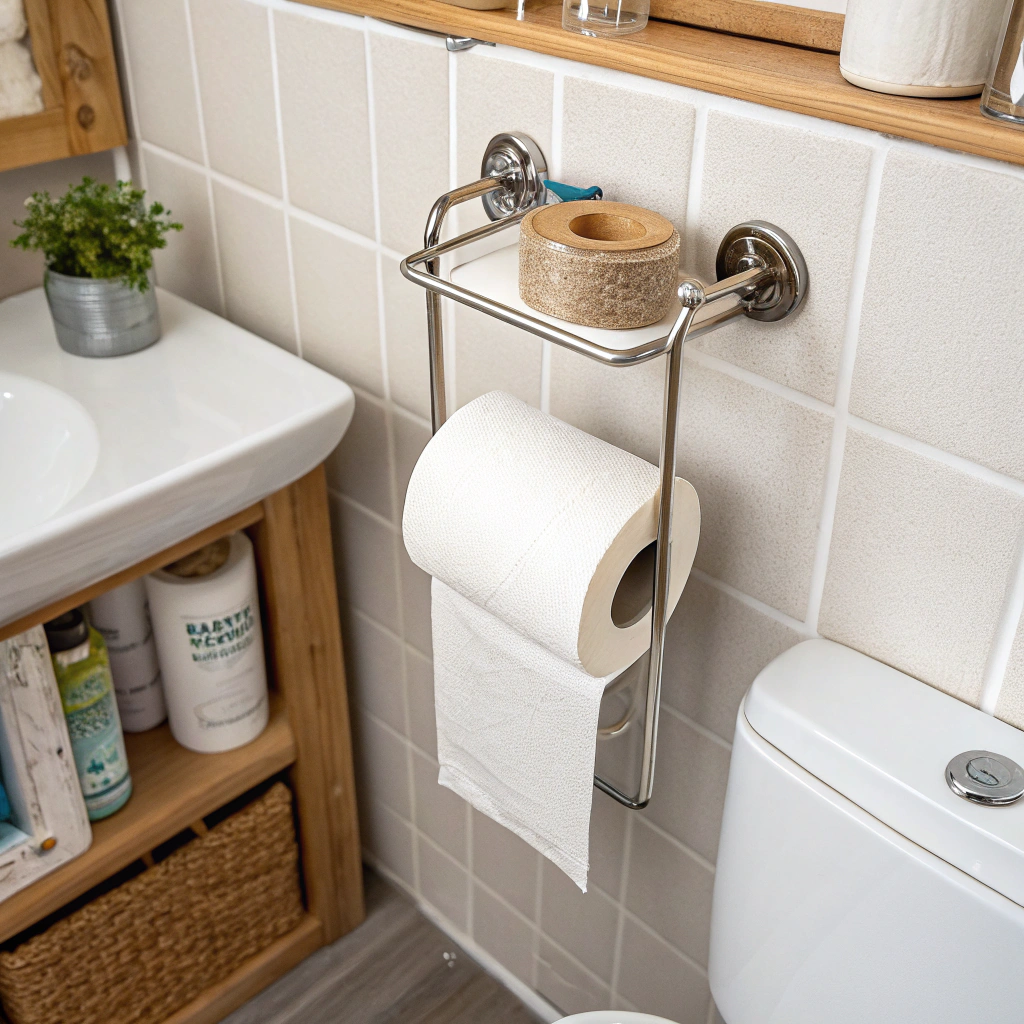
Standard measurement guidelines
Most bathroom design guides follow similar numbers. These are based on body movement and daily habits, not style trends.
- Horizontal distance: 8–12 inches from the toilet bowl front
- Vertical height: 26 inches from the finished floor
- Position: Slightly forward of the seated user, not behind
This setup allows the arm to move forward and down in one smooth motion. There is no need to turn the torso or shift weight.
Why arm movement matters
When a person sits on a toilet, the body stays still. Only the arm should move. If the holder is too far back, the shoulder rotates. If it is too high, the elbow lifts. Over time, this causes discomfort.
In public restrooms and hotels, poor placement often leads to complaints. At home, people adapt. But the habit is never ideal.
Differences between left and right side placement
The holder can be on either side. The key is consistency and clearance.
- Right-handed homes often prefer right-side placement
- Left-handed users may prefer left-side placement
- The wall must allow enough space for roll replacement
If the bathroom is small, wall-mounted placement usually works better than cabinet mounting. It keeps the roll visible and reachable.
Commercial vs residential bathrooms
Commercial bathrooms sometimes place holders farther away to prevent vandalism or misuse. Residential bathrooms should focus on comfort first.
Below is a simple comparison table:
| Bathroom Type | Distance from Toilet | Height from Floor | Main Priority |
|---|---|---|---|
| Residential | 8–12 inches | 26 inches | Comfort |
| Hotel | 9–13 inches | 26–28 inches | Standard use |
| Public | 10–15 inches | 28–30 inches | Durability |
Residential spaces benefit most from following the lower end of these ranges.
Small bathrooms need extra care
In small bathrooms, every inch matters. Sometimes the holder ends up behind the toilet because there is no wall space. This should be avoided when possible.
If behind placement is the only option, the holder should still be within arm reach without twisting the body. Test the position by sitting down before drilling any holes.
Good distance is not about rules. It is about natural movement and ease.
Why is the placement of toilet paper holders important?
Many people think toilet paper holder placement is a minor detail. In daily use, it becomes one of the most repeated movements in the bathroom.
Proper placement improves comfort, hygiene, and long-term usability, while poor placement causes strain, mess, and frustration. This affects both home users and guests.
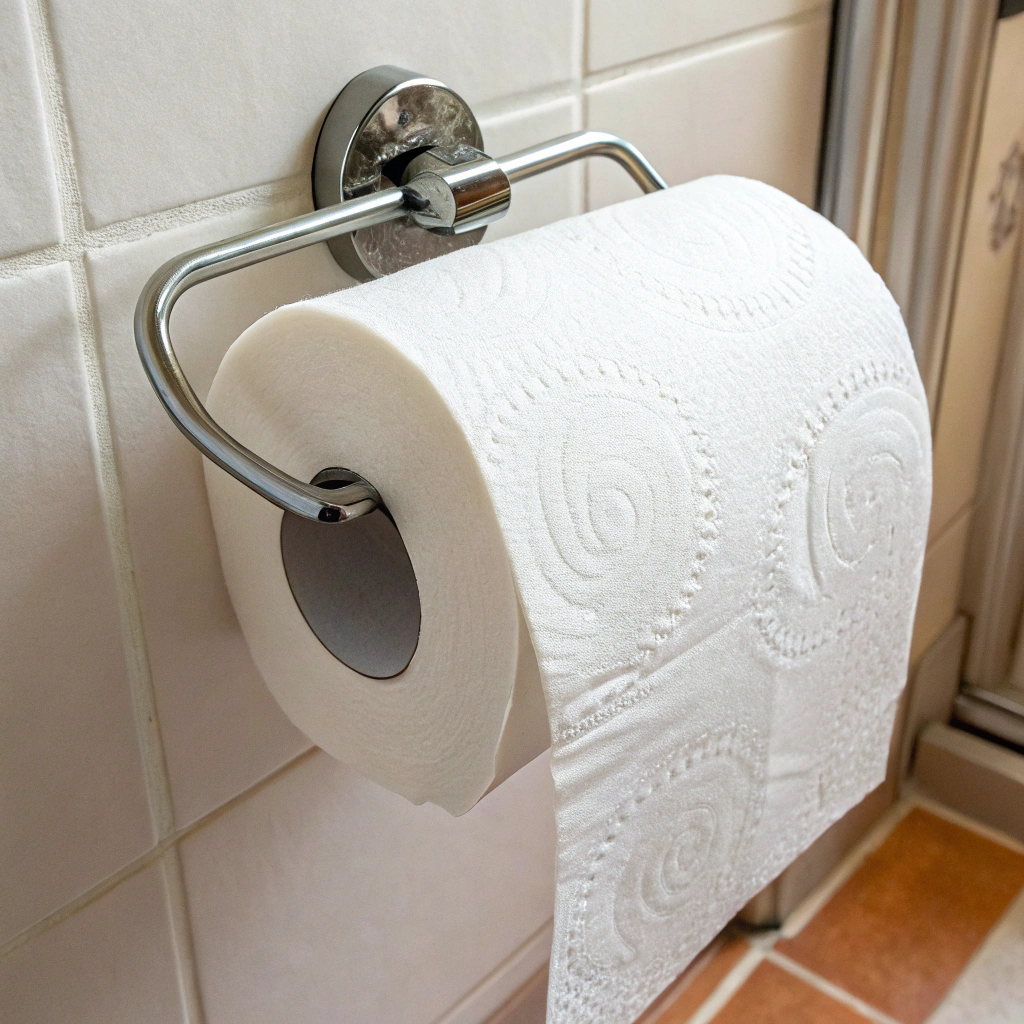
Comfort during daily use
Comfort is the first reason. A well-placed holder allows easy access without bending or stretching.
Poor placement often causes:
- Shoulder strain
- Awkward twisting
- Slow and uncomfortable movement
These issues may feel small at first. Over months and years, they add up.
Hygiene and cleanliness
When the holder is too far, users may touch walls, cabinets, or other surfaces while reaching. This spreads germs.
When it is too close, the roll may brush against clothing or skin. This can also reduce cleanliness.
Good placement keeps the roll clean, dry, and easy to use. This matters even more in shared bathrooms.
Accessibility for different users
Bathrooms are used by people of different ages and abilities. Children, elderly users, and people with limited mobility need clear access.
Correct placement:
- Reduces fall risk
- Allows one-handed use
- Supports seated balance
This is why accessibility guidelines often include strict holder placement rules. Even in private homes, these ideas improve safety.
Long-term habit formation
People adapt to poor design. They twist, reach, and adjust. But habits formed in one bathroom follow users elsewhere.
Good design teaches good habits. It makes bathroom use feel natural. Guests notice this comfort, even if they do not say it.
Impact on bathroom layout planning
The toilet paper holder also affects how other items are placed. Towel bars, shelves, and cabinets must work around it.
If the holder is placed without planning, other items may block access. This leads to cluttered walls and wasted space.
Good placement acts as an anchor point. Other accessories align around it.
Cost of fixing mistakes later
Fixing holder placement later often means:
- Drilling new holes
- Patching tiles or walls
- Replacing damaged surfaces
These costs are small but annoying. Proper planning from the start avoids them.
Placement is not just about looks. It is about how the bathroom works every single day.
What are common mistakes when placing toilet paper holders?
Many bathrooms repeat the same placement errors. These mistakes come from guessing, copying photos, or ignoring real use.
The most common mistakes include placing the holder too far back, too high, or in hard-to-reach locations. These errors reduce comfort and usability.
Placing the holder behind the toilet
This is one of the most frequent errors. It happens when wall space is limited or when installers follow convenience instead of function.
Problems caused:
- Requires twisting the torso
- Increases risk of losing balance
- Feels unnatural for most users
Behind placement should only be used when no side wall exists.
Installing the holder too high
Some holders are placed near tank height or even higher. This often comes from visual symmetry, not use.
When the holder is too high:
- The elbow lifts awkwardly
- The arm movement feels forced
- Children struggle to reach it
The correct height supports a relaxed arm position.
Placing the holder too close to the toilet
While closeness is important, too close creates other issues.
- Roll touches clothing
- Limited hand space
- Difficult roll replacement
A few extra inches make a big difference. The holder should feel present, not intrusive.
Ignoring roll direction and clearance
Some holders are installed without checking roll rotation. This causes the roll to rub against walls or cabinets.
Always check:
- Enough clearance for roll spin
- Easy paper tear direction
- Space for larger rolls
Modern jumbo rolls need more space than older designs.
Following style photos instead of real use
Design photos often show holders placed for symmetry. These images are staged, not tested.
Bathrooms should be designed for daily use, not photos. Sitting down and testing reach is more important than matching a picture.
Inconsistent placement across bathrooms
In some homes, each bathroom has a different holder position. This creates confusion, especially for guests.
Consistency helps users feel comfortable quickly. Similar height and distance across bathrooms is best.
Below is a table summarizing mistakes and solutions:
| Common Mistake | Result | Better Choice |
|---|---|---|
| Too far back | Body twist | Side wall placement |
| Too high | Arm strain | 26-inch height |
| Too close | Crowded use | 8–12 inch distance |
| Poor clearance | Roll jams | Test with full roll |
Avoiding these mistakes makes the bathroom feel thoughtful and easy to use.
Can toilet paper holders be mounted on cabinets?
Many modern bathrooms use vanities and cabinets instead of open walls. This raises a common question about holder mounting.
Yes, toilet paper holders can be mounted on cabinets, but only if height, distance, and cabinet strength are carefully considered. Not all cabinets are suitable.
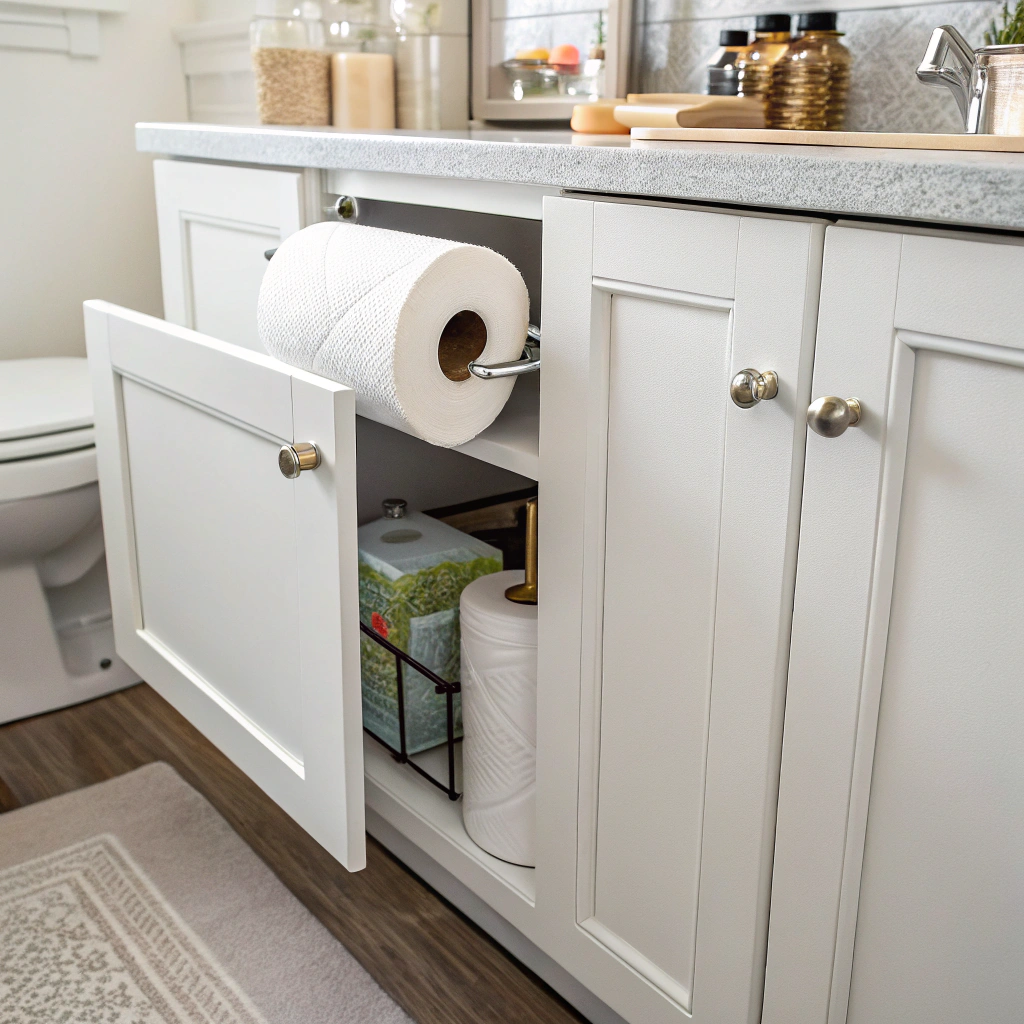
When cabinet mounting makes sense
Cabinet mounting works best in small bathrooms where wall space is limited. It can also look clean and integrated.
Good conditions include:
- Solid wood or reinforced cabinet panels
- Proper distance from toilet bowl
- Enough clearance for roll movement
Thin particle board cabinets may loosen over time.
Height and distance still apply
Mounting surface does not change placement rules. The holder should still sit around 26 inches from the floor and 8–12 inches from the toilet front.
Cabinet doors and drawers must open freely. The holder should not block handles or hinges.
Structural concerns
Cabinets are not always designed to hold repeated pulling force. Each paper tear applies stress to screws.
To reduce damage:
- Use internal backing plates
- Avoid hollow panels
- Check screw length carefully
Loose holders are common when these steps are skipped.
Cleaning and maintenance issues
Cabinet-mounted holders sit closer to storage areas. This can trap dust and moisture.
Bathrooms with high humidity need extra care. Moisture can weaken cabinet material over time.
Visual balance and design
Cabinet mounting can look neat when aligned with cabinet lines. It should look intentional, not like an afterthought.
The holder finish should match cabinet hardware. This creates a unified look.
Wall mounting is still preferred
When wall space exists, wall mounting is usually better. Walls provide stronger support and easier replacement.
Cabinet mounting should be a solution, not the default choice.
Before drilling into a cabinet, test the position by taping the holder in place and using it for a day. This simple step prevents regret.
Conclusion
Toilet paper holder placement is not trivial. Correct distance, height, and location improve comfort, hygiene, and daily ease. Small adjustments make a big difference. Thoughtful placement turns a basic bathroom detail into a smooth, natural experience.