Skip to content
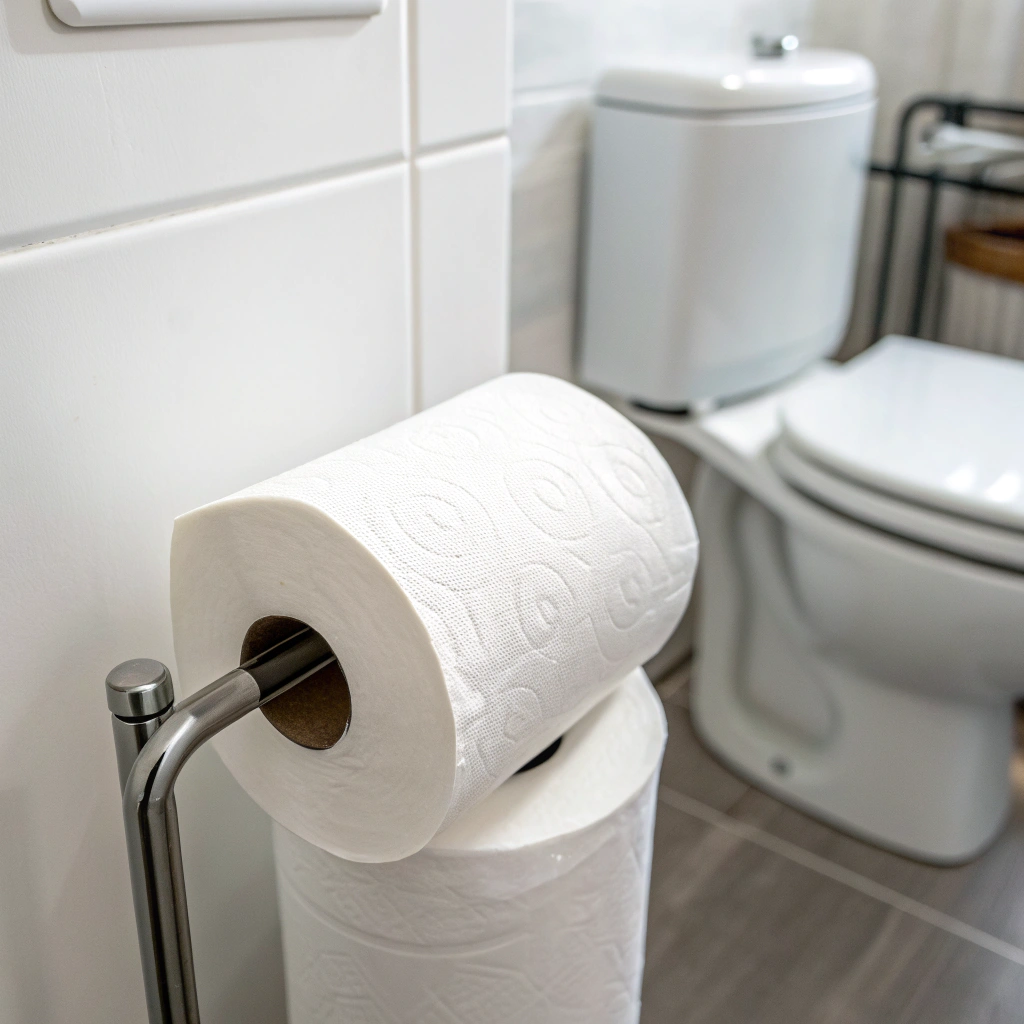
For many visitors, the color of toilet paper in France feels strange. It creates doubt. People wonder if it is old fashion, unsafe, or linked to culture.
Pink toilet paper in France exists because of habit, history, and supply choices, not because of hygiene rules or health benefits. The color stayed because people accepted it, factories kept making it, and stores kept selling it.
The topic sounds small, but it opens a larger story. It connects culture, industry, habits, and how daily products stay the same for decades. To understand it, we need to look outside France, then go back in time, and finally look at how people think today.
Is pink toilet paper common outside France?
Many buyers assume pink toilet paper is everywhere in Europe. This idea often comes from travel photos or old stories. In reality, pink toilet paper is rare outside a few markets.
Pink toilet paper is not common worldwide and is mostly limited to France and a few nearby regions. Most countries now sell white toilet paper as the main option because it looks clean and neutral.
Outside France, white dominates shelves. In North America, white toilet paper has been the standard for decades. In the UK, Germany, and Nordic countries, white paper is seen as modern and safe. In Asia, white is also preferred, especially for hotel and urban use. Colored paper exists, but it is niche.
There are several reasons for this difference.
Cultural expectations of cleanliness
In many countries, white means clean. Hospitals, hotels, and restaurants use white paper because stains are visible. This gives people a sense of control. Colored paper hides stains, and that makes some users uncomfortable.
France developed a different mindset. Cleanliness was linked more to smell and texture than to color. Because of this, pink did not create fear or distrust.
Manufacturing and retail habits
Once factories invest in one product, they tend to keep it. French paper mills already had pink paper lines running for years. Retailers knew customers would buy it. There was no strong reason to stop.
In contrast, other countries upgraded machines later and moved directly to white-only production.
Market comparison table
| Region | Main Toilet Paper Color | Pink Availability | Reason |
|---|---|---|---|
| France | White + Pink | Common | Habit and tradition |
| USA | White | Rare | Hygiene perception |
| UK | White | Very rare | Hotel standards |
| Germany | White | Rare | Industrial norms |
| Japan | White | Almost none | Minimalist design |
Pink paper still appears in some parts of Southern Europe and older residential areas. However, it is not growing. Younger consumers often choose white, even in France.
From my experience visiting wholesalers, pink rolls often sit next to white ones, but the shelf space is shrinking. This shows how habits last, but also how they slowly change.
What is the history of pink toilet paper in France?
Many people think pink toilet paper is a modern design trend. This is not true. The story starts much earlier.
Pink toilet paper in France began after World War II, when paper shortages and recycling needs made colored paper more practical. The color later became normal and stayed.
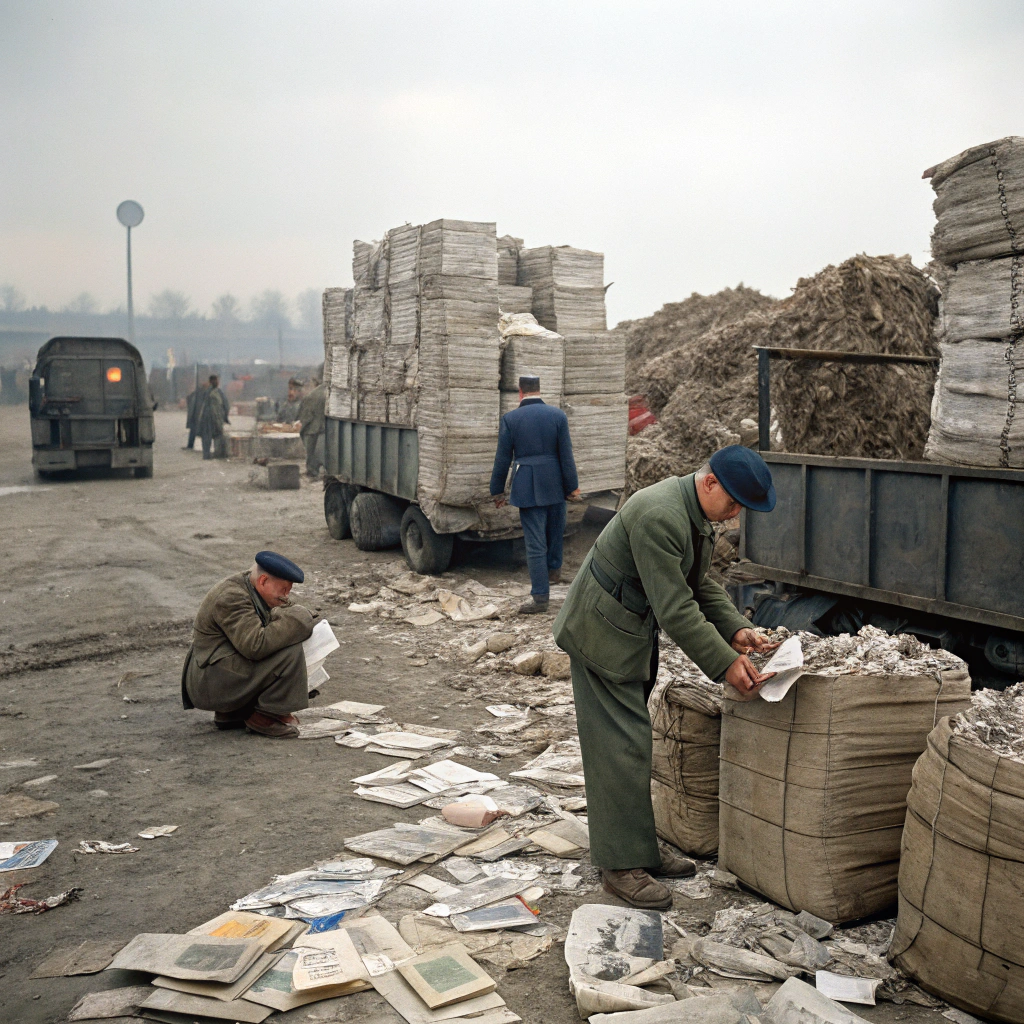
After the war, Europe faced material shortages. Paper was recycled heavily. Recycled pulp often had a gray or brown tone. To make it look nicer, factories added dye. Pink was a popular choice because it softened the rough look of recycled paper.
Why pink and not other colors
Pink dye was cheap and stable. It did not react badly with recycled pulp. Blue and green were harder to control. Yellow looked dirty. Pink felt warm and acceptable.
At the same time, bathroom design in France favored soft colors. Tiles, sinks, and bathtubs often came in pastel shades. Pink paper matched the room.
The role of mass housing
In the 1950s and 1960s, France built large housing blocks. These homes needed affordable supplies. Pink toilet paper became part of the standard supply list. Once installed, habits formed.
Children grew up with pink paper. Adults did not question it. When white paper entered the market later, it felt new and unnecessary to some people.
Timeline overview
| Period | Key Event | Impact |
|---|---|---|
| 1940s | Paper shortages | Use of recycled pulp |
| 1950s | Dye added to pulp | Pink becomes common |
| 1960s | Mass housing | Habit spreads |
| 1980s | White paper appears | Pink remains |
| 2000s | Eco debates | Both colors exist |
This history explains why pink paper feels normal to many French users. It is not a fashion choice. It is memory and routine.
I once spoke with a retired factory manager who said, “We never asked why pink. We just kept making what people bought.” That simple idea explains a lot.
Do French consumers prefer colored toilet paper?
Preference is a tricky word. It suggests strong emotion. In reality, most people do not care deeply about toilet paper color.
French consumers do not strongly prefer pink toilet paper, but many accept it because it feels familiar and available. Habit matters more than taste.
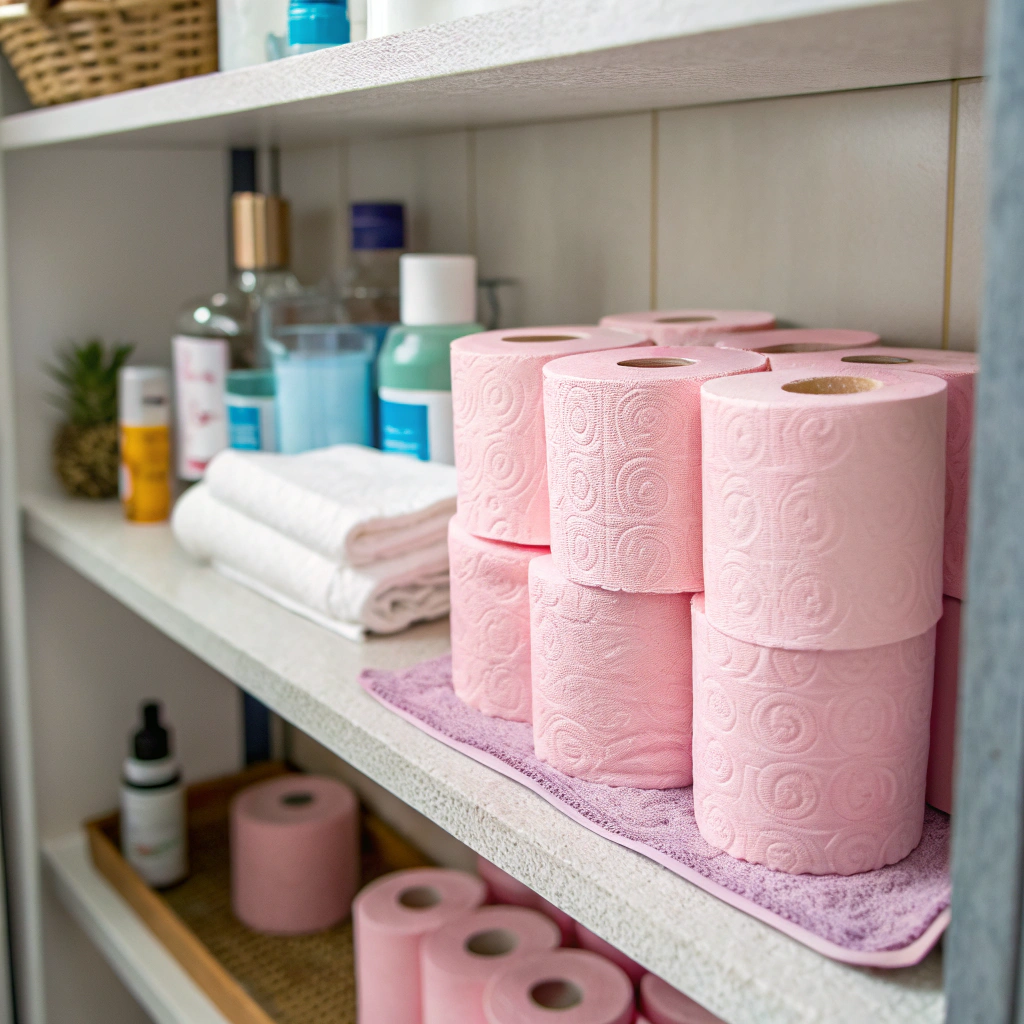
In surveys, many French shoppers say they choose paper based on price, softness, and strength. Color comes later. Older consumers are more open to pink. Younger buyers often choose white, especially in cities.
Familiarity vs choice
When pink and white sit side by side, people often grab what they know. This is not loyalty. It is speed. Shopping is fast. Toilet paper is boring. People avoid thinking.
Hotels and offices mostly use white paper. This slowly changes expectations. When people move or travel, they adapt quickly.
Emotional neutrality of pink
Pink toilet paper does not signal luxury. It does not signal low quality either. It sits in the middle. Because of this, it avoids rejection. White paper can feel too plain to some. Pink adds a soft tone without being bold.
Consumer behavior breakdown
| Factor | Importance Level |
|---|---|
| Price | High |
| Softness | High |
| Strength | Medium |
| Roll size | Medium |
| Color | Low |
This table shows why pink survives. No one fights it. No one loves it deeply. It just stays.
In conversations with buyers, I often hear the same line. “If it works, why change?” This mindset is common in daily-use goods.
Change happens slowly. As new homes use white paper, pink fades. But fading is not the same as disappearing.
Is pink toilet paper better for the environment?
Some people believe pink toilet paper is worse for nature because of dye. Others think recycled pink paper is greener. The truth sits in between.
Pink toilet paper is not automatically better or worse for the environment; impact depends on pulp source, dye type, and production process.
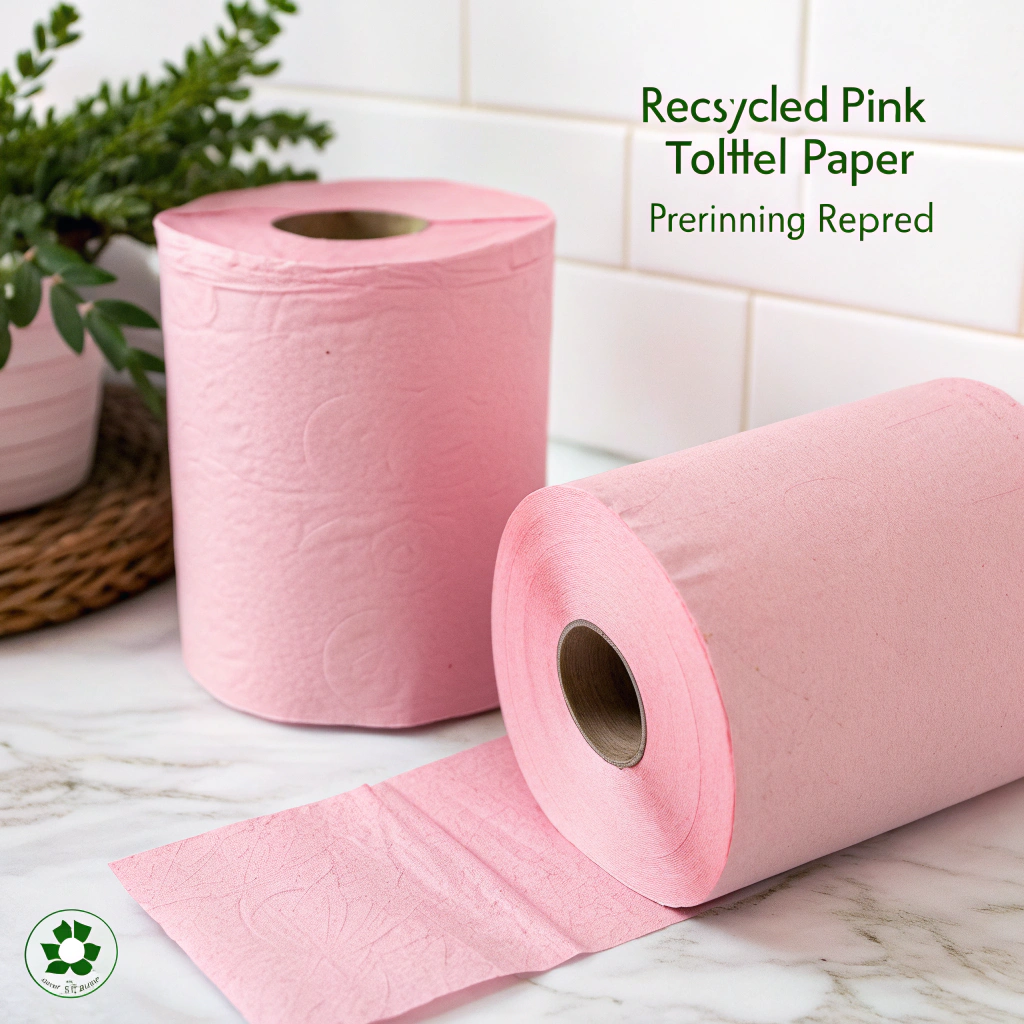
Color alone does not decide sustainability. A white roll made from virgin pulp can be worse than a pink roll made from recycled fiber.
Dye and safety
Modern dyes used in Europe must meet safety rules. They are tested for skin contact and wastewater impact. Old dyes were harsher, but most factories upgraded long ago.
The real issue is water use and pulp source.
Key environmental factors
- Recycled vs virgin pulp
- Energy use during drying
- Wastewater treatment
- Packaging material
Color is a small part of this list.
Environmental comparison table
| Feature | Pink Paper | White Paper |
|---|---|---|
| Dye use | Yes | No |
| Recycled pulp | Often | Sometimes |
| Bleaching | Less | More |
| Water use | Similar | Similar |
White paper often needs bleaching to reach its color. Bleaching uses chemicals. Pink paper can avoid some of this if recycled pulp is used.
However, if pink paper uses virgin pulp and added dye, the benefit disappears.
From factory audits I have seen, the best option is unbleached or lightly processed paper, no matter the color. Pink can fit this model, but it does not guarantee it.
Environmental choice depends on transparency, not appearance.
Conclusion
Pink toilet paper in France is the result of history, habit, and industry choices. It is not strange once you know the story. Over time, habits change, but small daily items often last longer than we expect.