Opening a new roll and wondering how many sheets it has can be surprisingly tricky. Most people assume it’s standard, but it varies a lot.
On average, a household roll contains between 150 to 500 sheets, depending on the brand, roll size, and ply. Larger rolls or premium brands often have more sheets, while smaller or budget rolls have fewer.
Yet, the story doesn’t end here. Different factors like roll size, ply, and packaging can change the total sheet count, so it’s worth exploring the details before stocking up.
What is the average sheet count for household rolls?
Household rolls are not all the same. Some small rolls might have 150 sheets, while larger “mega rolls” can reach 500 sheets or more.
Most regular household rolls fall between 200 to 400 sheets. The exact number depends on the brand, thickness of paper, and how tightly the paper is rolled.
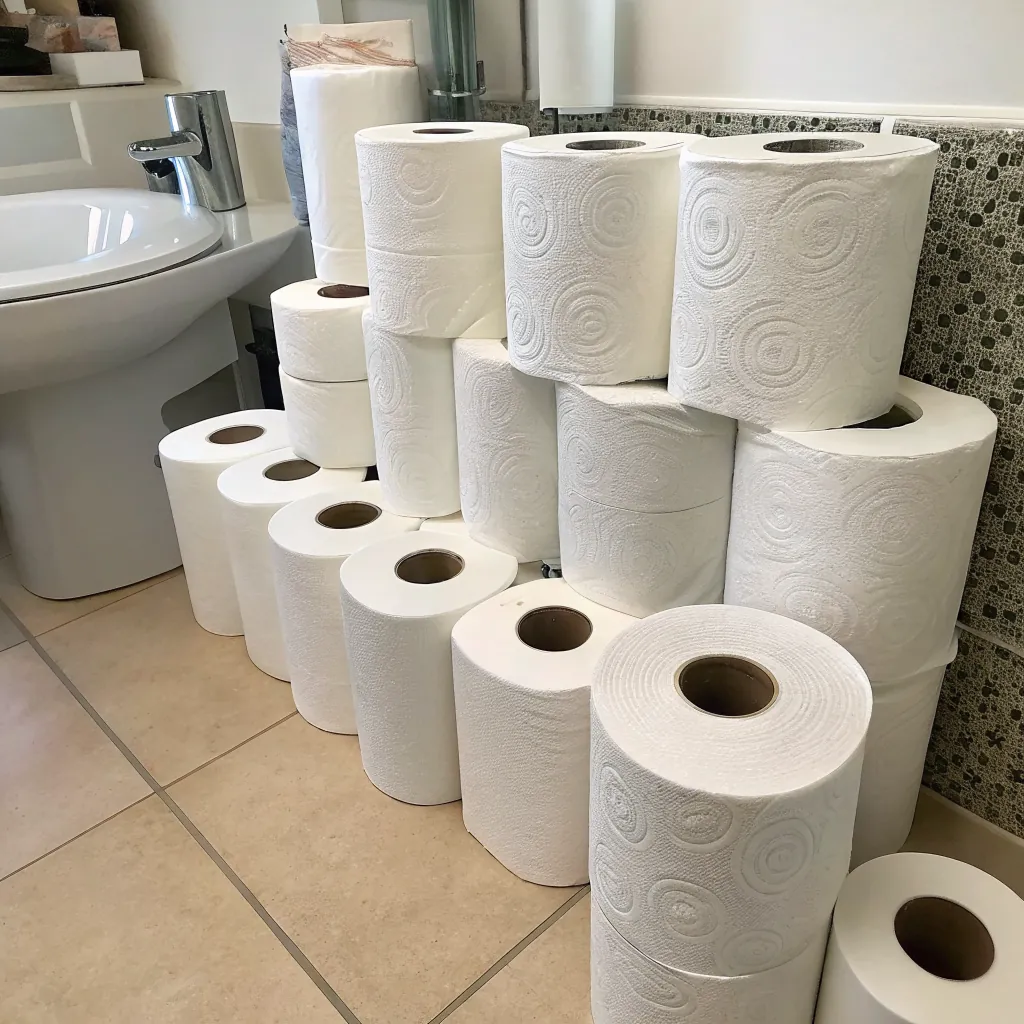
Many people don’t realize that sheet count can vary even within the same brand. A "double roll" might have twice the sheets of a standard roll, but it might also be slightly thinner. It helps to check the label for sheet count, especially if you need a specific quantity for your household or business.
Factors That Affect Household Sheet Count
| Factor | Impact on Sheet Count |
|---|---|
| Roll Diameter | Larger diameter means more sheets |
| Paper Thickness | Thicker paper uses more space, fewer sheets per roll |
| Roll Length | Longer rolls naturally have more sheets |
| Brand & Type | Premium or eco-friendly brands may vary in sheet numbers |
In practical terms, counting sheets is not necessary for most home users. However, if you are managing a hotel, restaurant, or office supply, knowing the exact sheet count helps in planning inventory and estimating how long rolls will last under regular use.
Do ply levels affect sheet count?
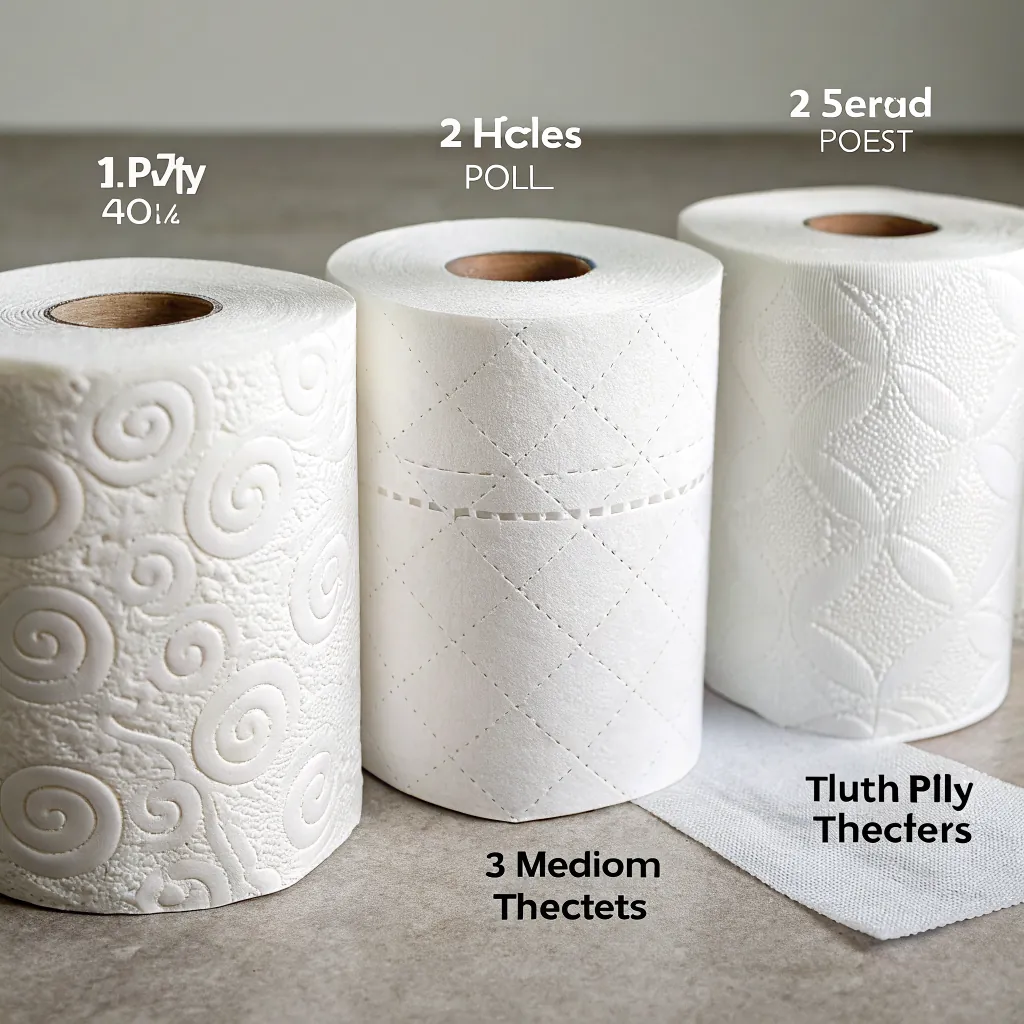
Ply refers to the number of layers in a sheet of toilet paper. Common options are 1-ply, 2-ply, and 3-ply. The higher the ply, the thicker each sheet, which changes how many sheets fit on a roll.
Yes, ply affects sheet count. A 1-ply roll will have more sheets than a 2-ply roll of the same size because each sheet is thinner.
Understanding Ply and Sheet Numbers
1-ply toilet paper is simple and thin. It offers more sheets per roll but less comfort. 2-ply is standard for most households, balancing thickness and number of sheets. 3-ply rolls are luxurious, thicker, and softer, but each roll has fewer sheets.
How Ply Changes Practical Usage
| Ply Level | Sheet Thickness | Approximate Sheets per Standard Roll |
|---|---|---|
| 1-ply | Thin | 400–500 |
| 2-ply | Medium | 250–350 |
| 3-ply | Thick | 200–250 |
Even though 1-ply rolls have more sheets, they can run out faster in real life because people often use more sheets per bathroom visit for comfort. This subtle difference means you can’t only look at sheet count—ply quality matters for actual usage.
Is sheet count regulated by packaging laws?
Toilet paper packaging often shows the number of sheets. Consumers assume it is accurate, but are there rules to ensure this?
Yes, there are packaging laws in some regions, but they vary. Manufacturers must generally provide truthful information, but small variations are allowed.

How Sheet Count Regulation Works
Regulation mostly falls under consumer protection laws. Authorities require that product labels not mislead buyers. Manufacturers usually measure sheet count from production, but small discrepancies happen due to roll tension or paper thickness.
Some countries or regions enforce stricter rules. For instance, a roll labeled 300 sheets must be within 5–10% of that number. Less regulated areas may not monitor rolls as closely, leaving room for variation between brands.
Practical Impact on Consumers
Even with regulations, actual sheets may differ slightly. For businesses buying in bulk, this can affect inventory planning. Retailers or hotels often monitor consumption and adjust orders based on observed use rather than relying only on the label.
Can I trust the sheet count on the label?
Seeing "500 sheets" printed on a roll suggests accuracy, but reality can differ. Factors like manufacturing tolerance, ply, and roll compression play a role.
Generally, the sheet count is a reliable guide, but minor differences are normal. For critical uses, always verify with a test roll or buy from reputable brands.
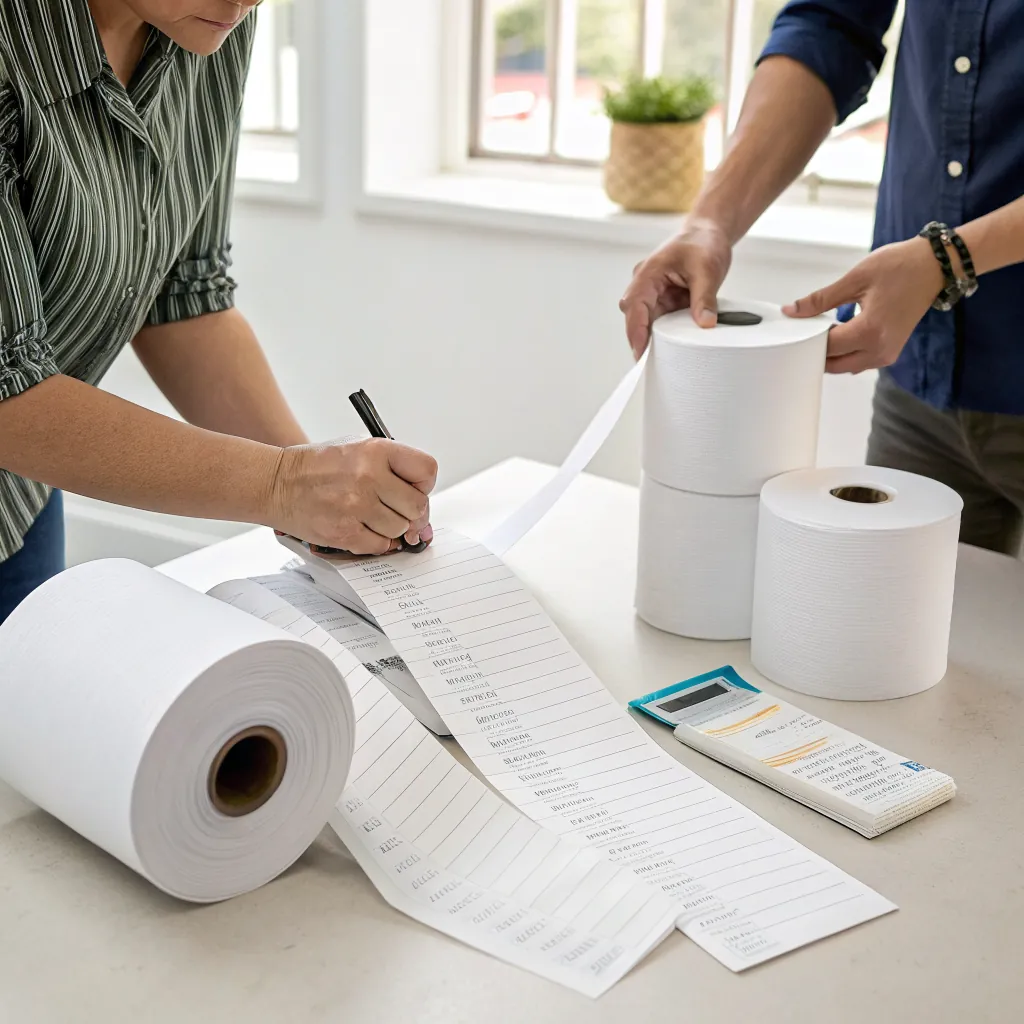
Tips to Evaluate Sheet Count
- Check Brand Reputation: Well-known brands usually maintain accuracy.
- Consider Ply and Thickness: A higher-ply roll may have fewer sheets but more comfort.
- Test Roll if Needed: For hotels or restaurants, counting sheets in a few rolls can confirm real numbers.
Table: How to Verify Sheet Count
| Step | Action | Purpose |
|---|---|---|
| 1 | Unroll a small section | Estimate sheet length per roll |
| 2 | Compare with label | Check manufacturer accuracy |
| 3 | Average multiple rolls | Confirm consistency |
| 4 | Adjust orders if necessary | Avoid shortages or waste |
Even minor differences can add up for large purchases. For example, a hotel using 100 rolls per week could end up with hundreds of sheets less if rolls are shorter than labeled. Taking a few minutes to verify saves potential problems later.
Real-World Considerations
Some buyers, like wholesalers in Africa, prefer full-container shipments and consistent sheet counts. They have seen containers with underfilled rolls from less professional factories. Trustworthy suppliers maintain sheet counts consistently, making planning simpler and reducing the risk of complaints.
In short, the label is a guide, but observation and experience are also valuable. Over time, knowing which brands deliver as promised becomes part of smart purchasing.
Conclusion
Sheet count varies by roll size, ply, and brand. Labels generally guide usage, but actual sheets may differ slightly. Checking rolls and understanding ply can help households and businesses plan better. Knowing these factors ensures no surprises and smoother management of toilet paper inventory.