Skip to content
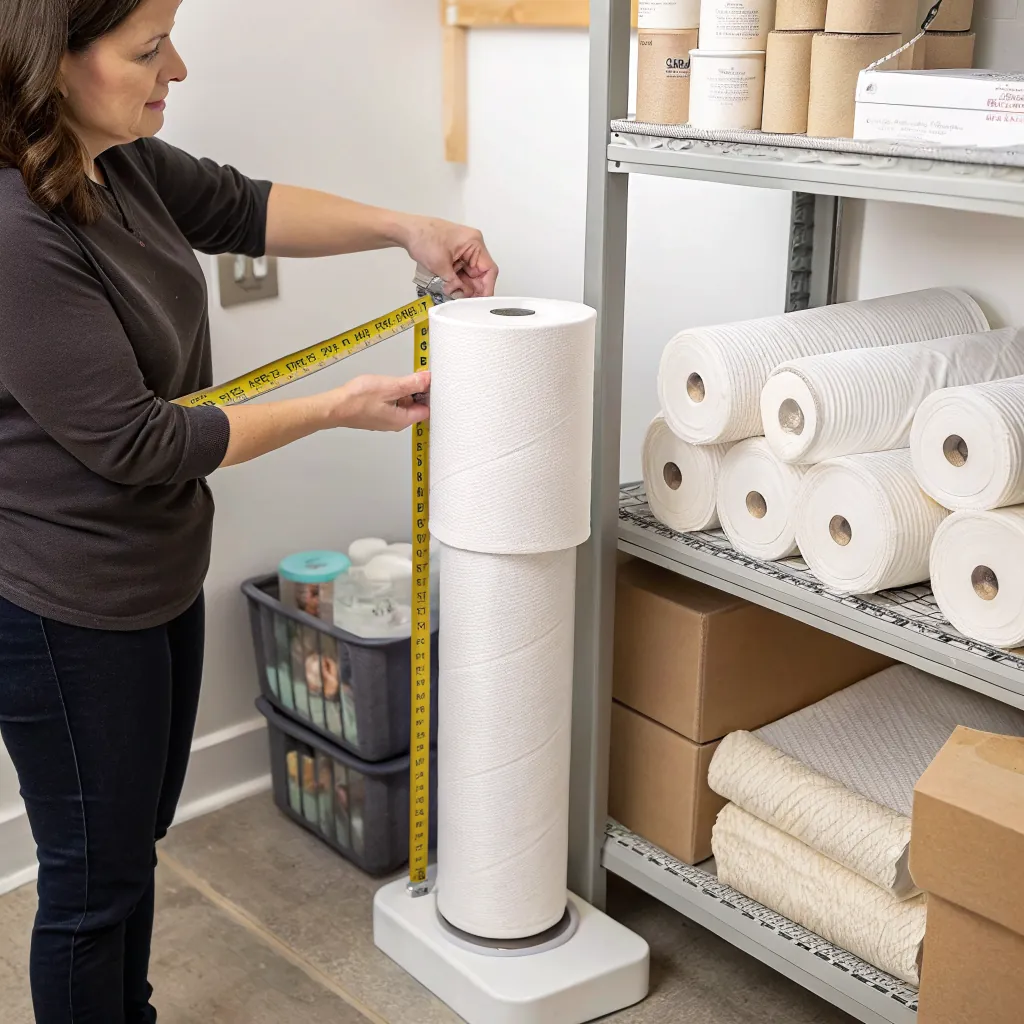
Many buyers ignore the core size. Later, rolls do not fit dispensers or packing plans fail. This creates waste, delay, and extra cost.
A standard toilet paper tube is usually about 4 inches (10 cm) long, with a diameter around 1.5–2 inches (3.8–5 cm). Small variations exist by region and product type.
This simple detail links to packaging, transport, and user experience. Once I started checking tube size early, many downstream problems became easier to control.
What is the typical length of a toilet paper core?
Short specs look simple. But unclear standards cause mismatch with dispensers and cartons. Many buyers only notice after arrival.
Most toilet paper cores are about 4 inches (10 cm) in length. Diameter is often 1.5–2 inches. Jumbo and commercial rolls use longer and wider cores.

Core length basics
The core is the cardboard tube at the center of the roll. It defines how the paper winds and how the roll sits on holders. In retail home rolls, length stays close to 4 inches. This aligns with common holders used in homes and hotels.
Typical size ranges
| Roll Type | Core Length | Core Diameter | Notes |
|---|---|---|---|
| Standard household | 3.9–4.1 in | 1.5–1.7 in | Fits most home holders |
| Premium soft rolls | ~4.0 in | 1.6–1.9 in | Slightly wider for softness |
| Compact rolls | ~4.0 in | 1.3–1.6 in | Tighter winding, more sheets |
| Jumbo commercial | 4.5–6.0 in | 2.3–3.3 in | For public dispensers |
| Coreless systems | 0 in | N/A | No tube, special dispensers |
Why this size became common
First, holder design drove standard length. Second, packing efficiency improved when brands aligned to similar widths. Third, converting machines were built around these ranges. Over time, the supply chain locked into this size.
Practical checks before buying
- Confirm core length tolerance (±0.5 mm helps avoid issues).
- Match dispenser width in your market.
- Verify inner diameter for spindle fit.
- Ask for samples and test on-site.
When I handle bulk orders, I always request a simple spec sheet. It includes length, inner diameter, wall thickness, and crush strength. This small step prevents returns and saves freight cost.
Is tube length consistent across brands?
Buyers expect uniformity. In reality, small differences appear between brands, regions, and product lines. These differences can affect compatibility.
Tube length is mostly consistent near 4 inches for standard rolls, but brands may vary slightly due to machine settings, market needs, and product positioning.
Where variation comes from
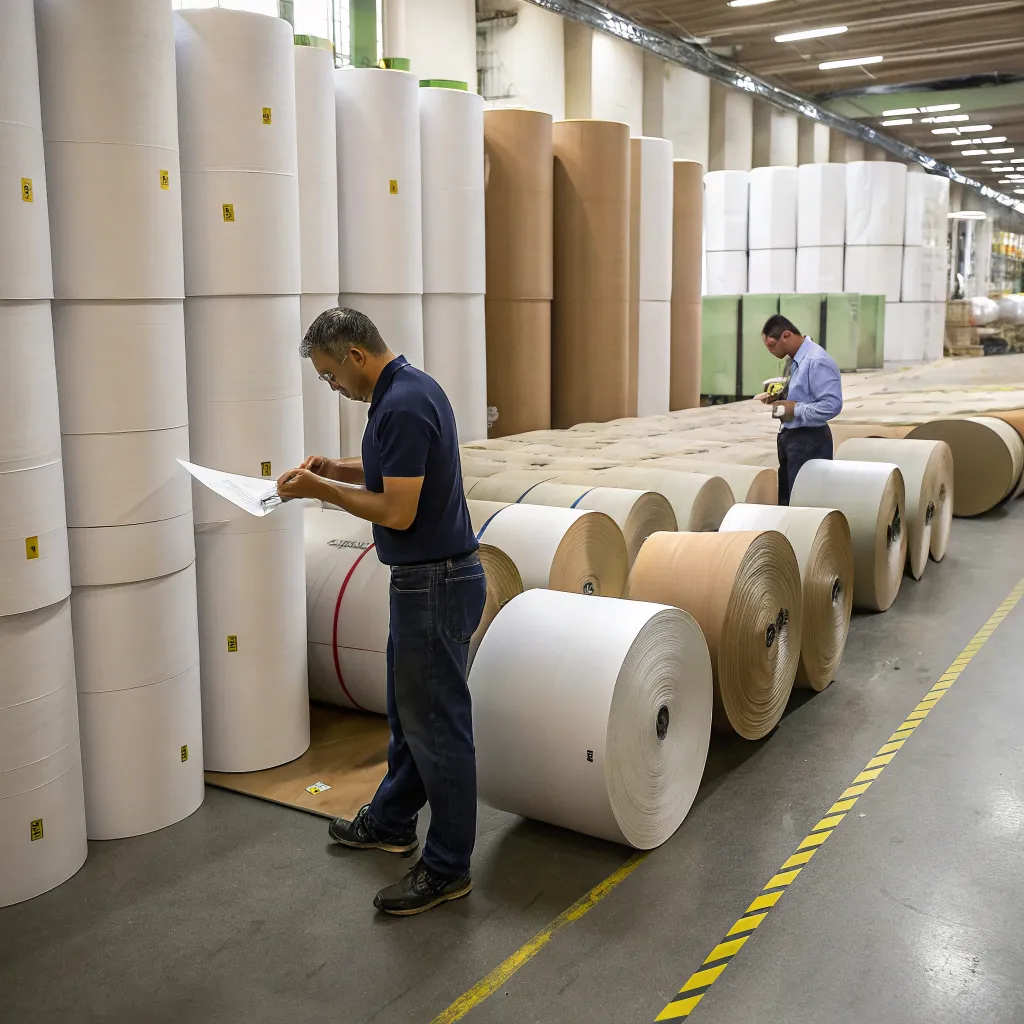
Different factories use different mandrels and cutters. Even with similar targets, actual output may vary by a few millimeters. Paper thickness and winding tension also change the final feel and size.
Regional preferences
In some regions, consumers prefer thicker, softer paper. This can push brands to adjust core diameter rather than length. In commercial markets, longer cores are common to fit large dispensers and reduce refill frequency.
Brand positioning
Premium brands often keep strict tolerances to ensure a stable feel. Value brands may allow wider tolerance to reduce cost. Private label products can follow the retailer’s dispenser system, which may differ from common retail standards.
What matters in procurement
| Factor | Why it matters | What to check |
|---|---|---|
| Length tolerance | Ensures holder fit | ±0.5–1.0 mm stated on spec |
| Inner diameter | Spindle compatibility | 38–50 mm for standard, larger for jumbo |
| Wall thickness | Strength during transport | Crush test data or GSM of core board |
| Moisture resistance | Storage in humid climates | Coating or board quality |
| Consistency per batch | Stable packing and loading | Sampling plan and AQL level |
Field experience
In one shipment, a 2–3 mm increase caused rolls to rub against dispenser covers. This led to tearing complaints. Since then, I always align core length + roll width + dispenser clearance together, not in isolation.
Does tube length affect roll design?
Many think only the paper matters. In fact, the tube sets the base for the whole roll system. It affects winding, softness, sheet count, and packing.
Yes, tube length directly affects roll stability, winding efficiency, dispenser fit, and final user experience. It is a core parameter in roll design.
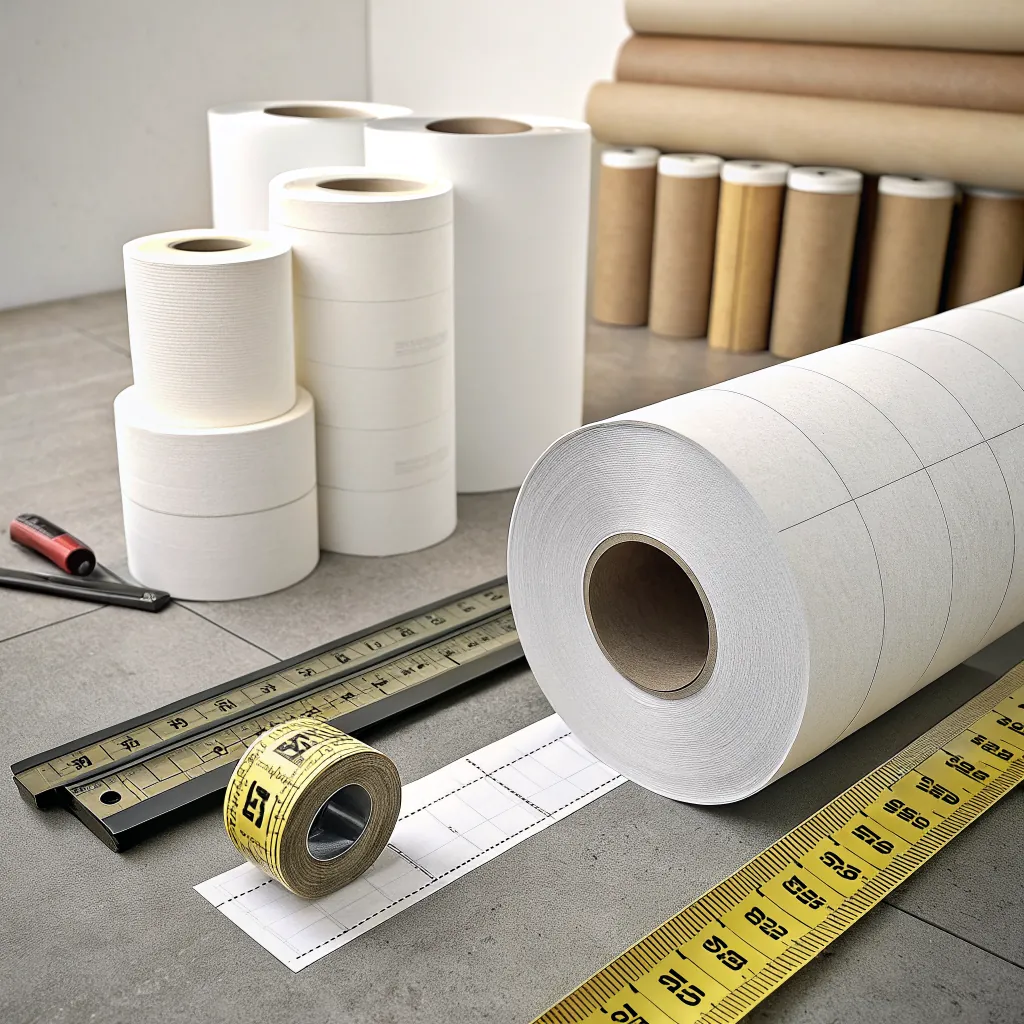
Design relationships
The tube length works with roll width. If the core is shorter than the paper width, edges can deform. If longer, it wastes space and affects packing.
Winding and softness
A larger diameter core allows looser winding. This can increase perceived softness. A smaller core packs more sheets into the same outer diameter, which is good for value packs.
Dispenser compatibility
Public facilities use specific dispensers. These require exact core dimensions. If the length is off, installation becomes hard or unsafe.
Packaging and logistics
Longer cores may reduce the number of rolls per carton if the roll width increases. This affects container loading and cost per unit.
Design trade-offs
| Goal | Core choice | Result |
|---|---|---|
| Max sheets per roll | Smaller diameter core | Denser roll, lower softness |
| Premium softness | Larger diameter core | Fluffier feel, fewer sheets |
| Universal compatibility | Standard 4 in length | Fits most holders |
| Commercial efficiency | Longer, wider cores | Fewer refills, higher upfront size |
| Eco approach | Coreless or reduced core thickness | Less material, needs special system |
How I approach it
I start from the end use. For home retail, I keep standard length and tune diameter and ply. For hotels and airports, I match the dispenser first, then design the roll. This sequence reduces risk.
Can longer tubes hold more paper?
It sounds logical that a longer tube means more paper. But capacity depends on diameter and winding, not just length.
A longer tube alone does not hold more paper. Paper capacity mainly depends on roll diameter, core diameter, and winding tightness.

What really controls capacity
- Outer diameter: Larger roll means more layers.
- Core diameter: Smaller core leaves more space for paper.
- Paper thickness (GSM and ply): Thicker paper uses more space.
- Winding tension: Tighter winding packs more sheets.
Length vs capacity
Tube length aligns with roll width. If you increase length without increasing width, capacity does not change. You only change how the roll sits on the holder.
Simple comparison
| Scenario | Core Length | Core Diameter | Outer Diameter | Sheet Count Impact |
|---|---|---|---|---|
| Standard retail | ~4 in | 1.6 in | 4.5–5.0 in | Baseline |
| Same length, smaller core | ~4 in | 1.3 in | 4.5–5.0 in | More sheets |
| Same length, larger outer roll | ~4 in | 1.6 in | 5.5–6.0 in | More sheets |
| Longer core, same diameters | 5–6 in | same | same | No real increase |
| Jumbo system (bigger everything) | 5–6 in | 2.5–3.0 in | 8–12 in | Much more sheets |
When longer cores make sense
In jumbo systems, longer and wider cores support large rolls. These reduce refill frequency in high-traffic areas. But this is a system change, not just a core length change.
Practical takeaway
If the goal is to increase sheets, adjust outer diameter and core diameter first. Keep length aligned with holder standards. This keeps compatibility while improving value.
Conclusion
Core length is simple but important. It affects fit, design, and logistics. Standard is about 4 inches, with small variations. Capacity depends more on diameter than length. Choosing the right specs early prevents costly issues later.