Skip to content
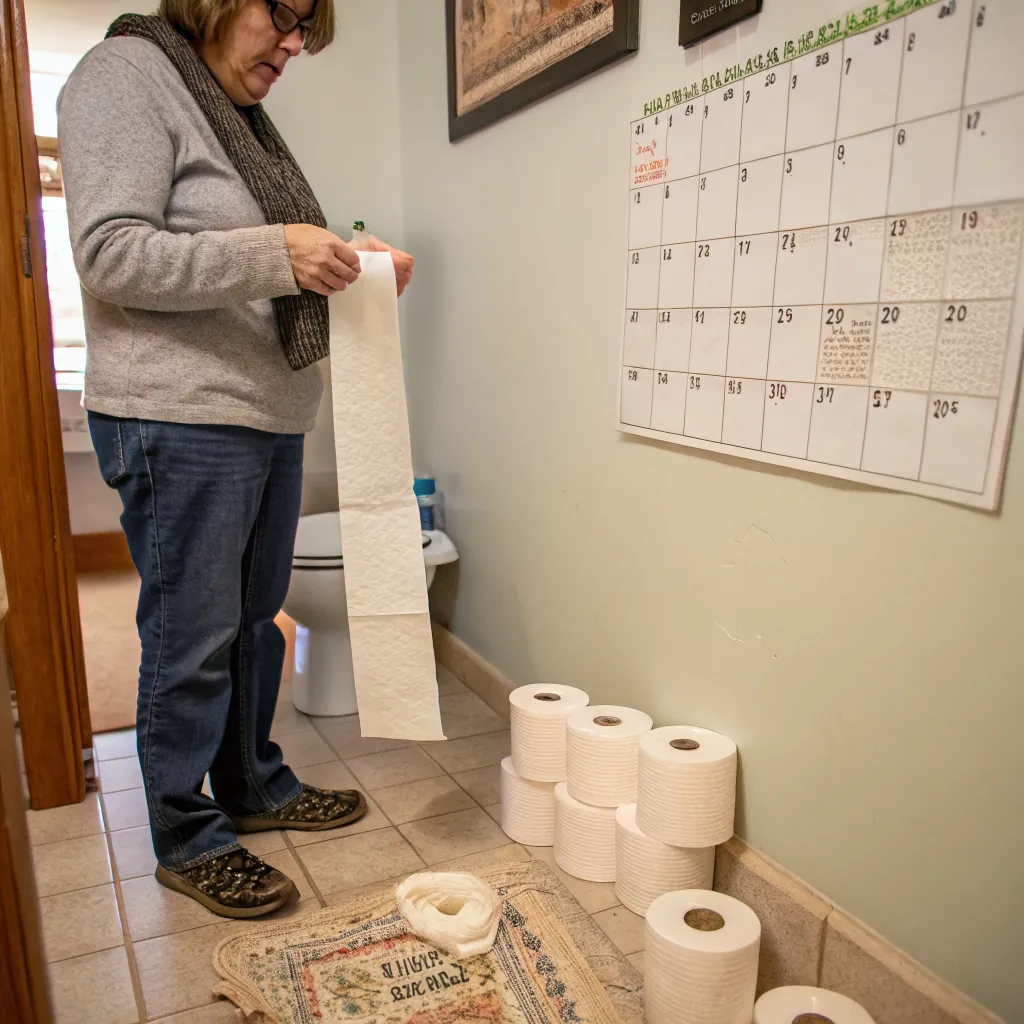
Toilet paper runs out fast, yet few people know how much they really use. This gap leads to overspending and poor planning.
One person usually uses 6–10 rolls per month, but real usage depends on habits, diet, and product type. Tracking use helps reduce waste and control cost.
Many buyers guess their needs. That guess often causes stock shortages or over-ordering. Understanding usage patterns helps both households and wholesalers make better decisions.
What is the average monthly usage per person?
People often underestimate their monthly toilet paper use. This creates confusion when planning purchases or managing inventory.
On average, one person uses 6–10 standard toilet paper rolls per month, depending on sheet count, thickness, and daily habits.

To understand this better, it helps to break down what “average” means. A standard roll usually contains 150–300 sheets. A person may use 20–50 sheets per day. That leads to a wide range of monthly totals.
Key Factors That Affect Average Usage
- Sheet size and thickness
- Number of bathroom visits per day
- Personal hygiene habits
- Use of alternatives (wet wipes, bidets)
Typical Monthly Consumption Table
| Usage Level | Sheets per Day | Rolls per Month |
|---|---|---|
| Low | 15–20 | 4–6 |
| متوسط | 25–35 | 6–8 |
| High | 40–60 | 8–12 |
From experience working with global buyers, bulk customers often prefer jumbo rolls. These reduce replacement frequency and improve efficiency. For example, commercial clients such as hotels or offices often shift to large rolls to reduce maintenance cost.
Why This Matters for Buyers
For wholesalers and distributors, understanding average usage helps with:
- Container loading efficiency
- Demand forecasting
- Product selection (standard vs jumbo rolls)
Many clients in Africa and the Middle East focus on high grammage rolls. These last longer and reduce logistics cost per use.
How do habits affect toilet paper consumption?
Many people assume toilet paper use is fixed. In reality, daily habits change everything.
Habits such as diet, hygiene standards, and lifestyle directly impact how much toilet paper a person uses each month.
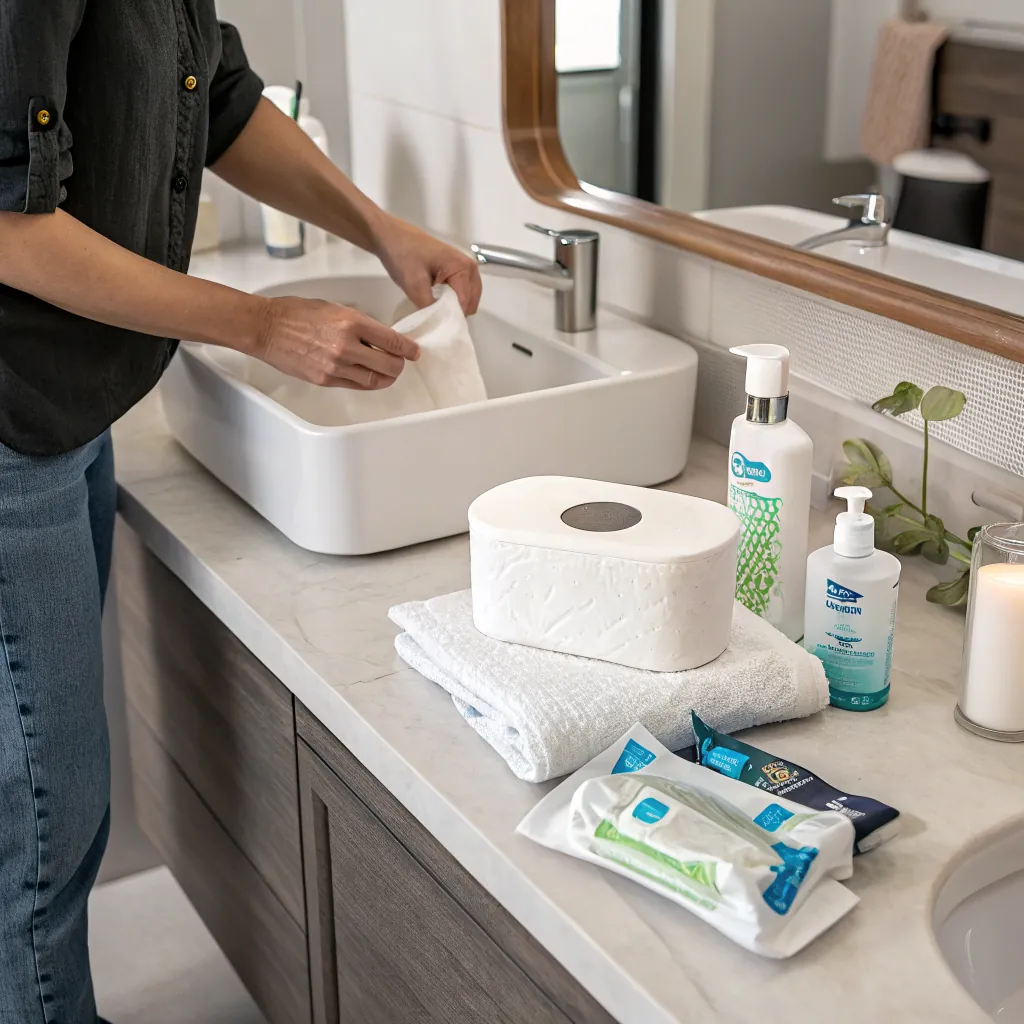
Small behavior changes can double or cut usage in half. This is something I have seen when comparing different markets.
Common Habit Differences
1. Bathroom Frequency
People with higher fiber diets visit more often. This increases usage.
2. Folding vs Wadding
Some people fold paper neatly. Others use large wads. This alone can increase use by 30–50%.
3. Use of Wet Wipes
Many households combine toilet paper with wet wipes. This reduces paper use but increases total hygiene product consumption.
4. Cultural Practices
In some regions, water cleaning methods are common. This greatly reduces toilet paper usage.
Habit Impact Table
| Habit Type | Effect on Usage |
|---|---|
| Folding neatly | Lower usage |
| Wadding paper | Higher usage |
| Using bidet | Much lower |
| Heavy wiping | Much higher |
Real-World Insight
In export markets, differences are clear. For example:
- In Europe, eco-friendly habits reduce usage
- In Africa, durability and roll size matter more
- In the U.S., softness often leads to higher sheet use
Understanding these patterns helps suppliers recommend the right product type. It also helps avoid complaints about roll size or quality mismatch.
Is there a difference in usage between genders?
Many people ask this question, but few look at real data behind it.
Yes, studies show that women generally use more toilet paper than men, mainly due to biological and hygiene needs.
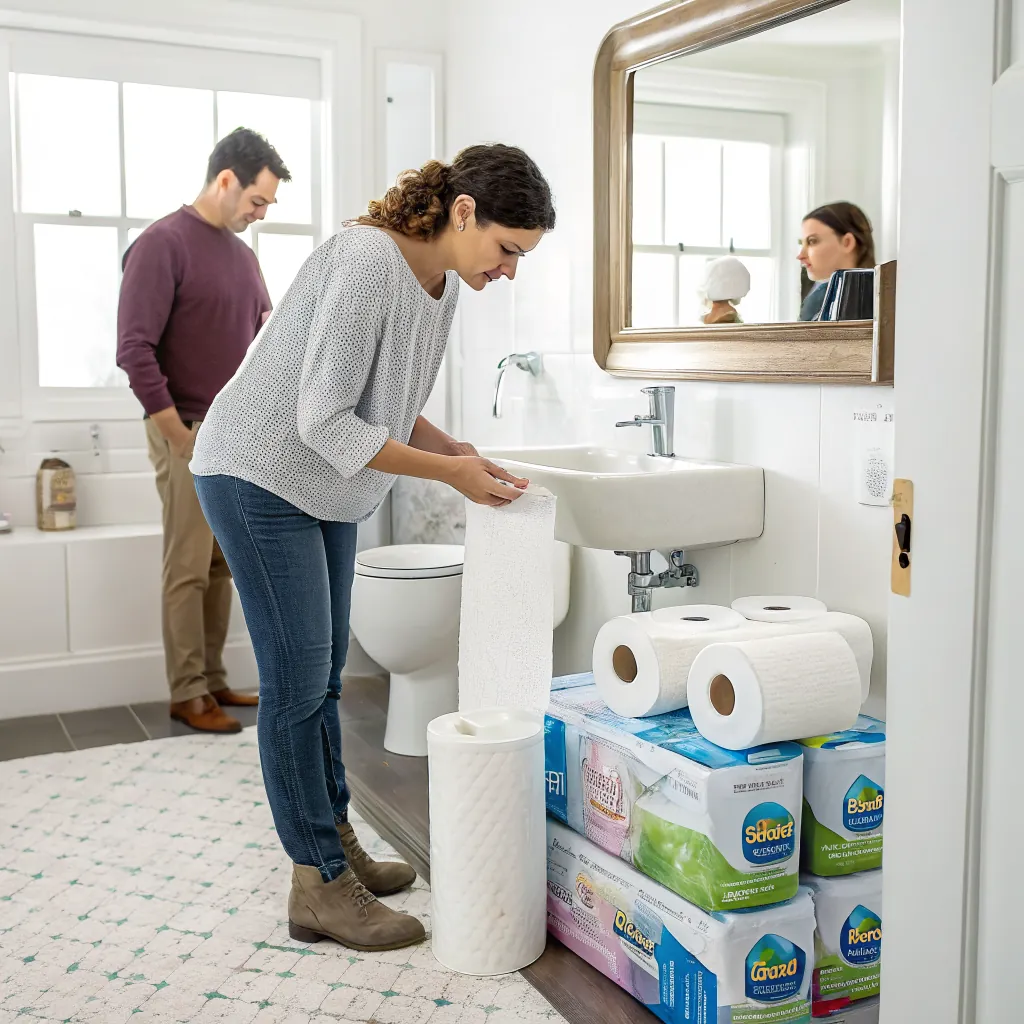
The difference is not extreme, but it is consistent across many regions.
Why Usage Differs
1. Biological Needs
Women use toilet paper for both urination and menstruation-related hygiene.
2. Hygiene Preferences
Women often prefer higher cleanliness standards. This leads to more frequent use.
3. Product Choice
Women tend to choose softer, thicker paper. This can increase consumption per use.
Gender Usage Comparison
| Category | Average Rolls/Month |
|---|---|
| Men | 5–8 |
| Women | 7–12 |
Important Considerations
- Household consumption is not simply double
- Shared use balances total demand
- Product type matters more than gender alone
From a supply perspective, this insight is useful. For example, retailers targeting family households often stock softer, premium tissue. Meanwhile, commercial buyers focus more on durability and cost per sheet.
Market Insight
In many of my customer discussions, female-driven purchasing decisions influence packaging design, softness level, and branding. This is especially true in retail environments.
Can tracking help reduce monthly toilet paper use?
Many people do not track toilet paper use. That leads to waste and unnecessary spending.
Yes, tracking usage helps identify waste patterns and can reduce toilet paper consumption by 10–30% over time.
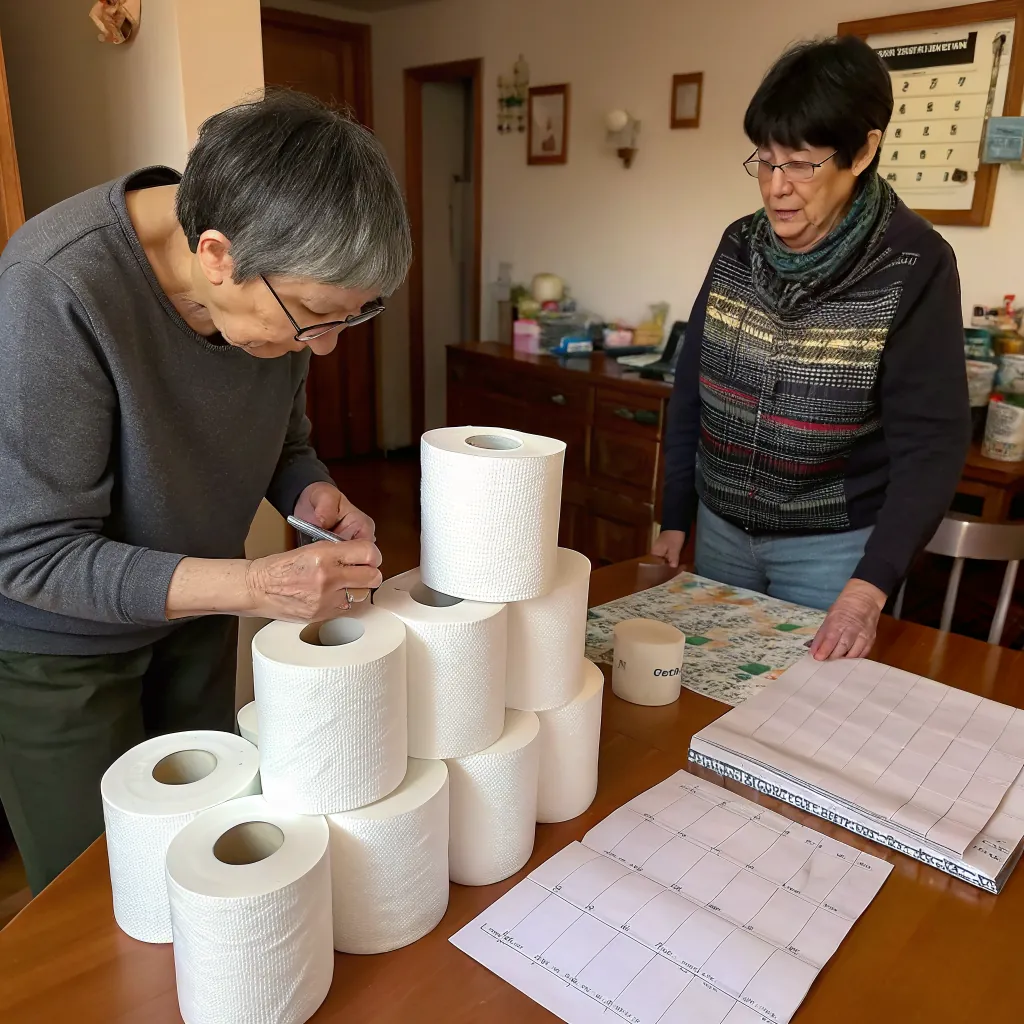
Tracking sounds simple, but it creates awareness. Awareness leads to behavior change.
How to Track Effectively
1. Count Rolls Per Month
Start with a simple count. Record how many rolls are used each month.
2. Monitor Household Members
Divide total usage by number of people. This gives a per-person estimate.
3. Compare Product Types
Switch between standard and jumbo rolls. Track which lasts longer.
4. Adjust Habits
Encourage folding instead of wadding. This alone can reduce waste.
Tracking Benefits Table
| Method | Benefit |
|---|---|
| Monthly counting | Clear usage baseline |
| Product comparison | Better purchasing decisions |
| Habit adjustment | Reduced waste |
Practical Example
In one case, a client switched from small rolls to jumbo rolls and trained staff on controlled usage. The result was:
- 25% reduction in consumption
- Lower refill frequency
- Better cost control
Why Businesses Should Track
For wholesalers and importers, tracking helps with:
- Accurate forecasting
- Reduced inventory risk
- Better pricing strategy
It also supports long-term contracts. Buyers who understand their usage patterns are more confident in bulk purchasing.
Conclusion
Toilet paper usage varies widely, but understanding habits, gender differences, and tracking methods helps control cost and improve planning. Small insights lead to better decisions in both daily life and large-scale supply.