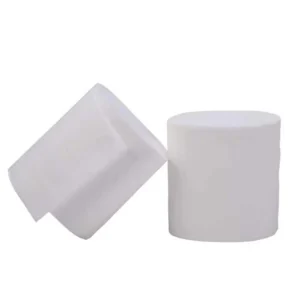

Toilet paper is something everyone uses daily, yet most people never question what it is actually made of. That gap creates confusion and even concern about safety and sustainability.
Toilet paper is mainly made from wood pulp, recycled paper, or alternative plant fibers. Manufacturers process these raw materials with water, energy, and safe chemicals to create soft, absorbent, and hygienic paper products.
Many buyers, especially importers and wholesalers, often focus only on price. However, understanding raw materials helps in making better decisions about quality, cost, and environmental impact. Let’s break it down step by step.
Are trees the main source of toilet paper?
Many people worry that toilet paper production destroys forests. That concern is real, but the full picture is more balanced than it seems.
Yes, trees are the main source of toilet paper pulp. Most products use virgin wood pulp from softwood and hardwood trees because it provides strength, softness, and consistency.
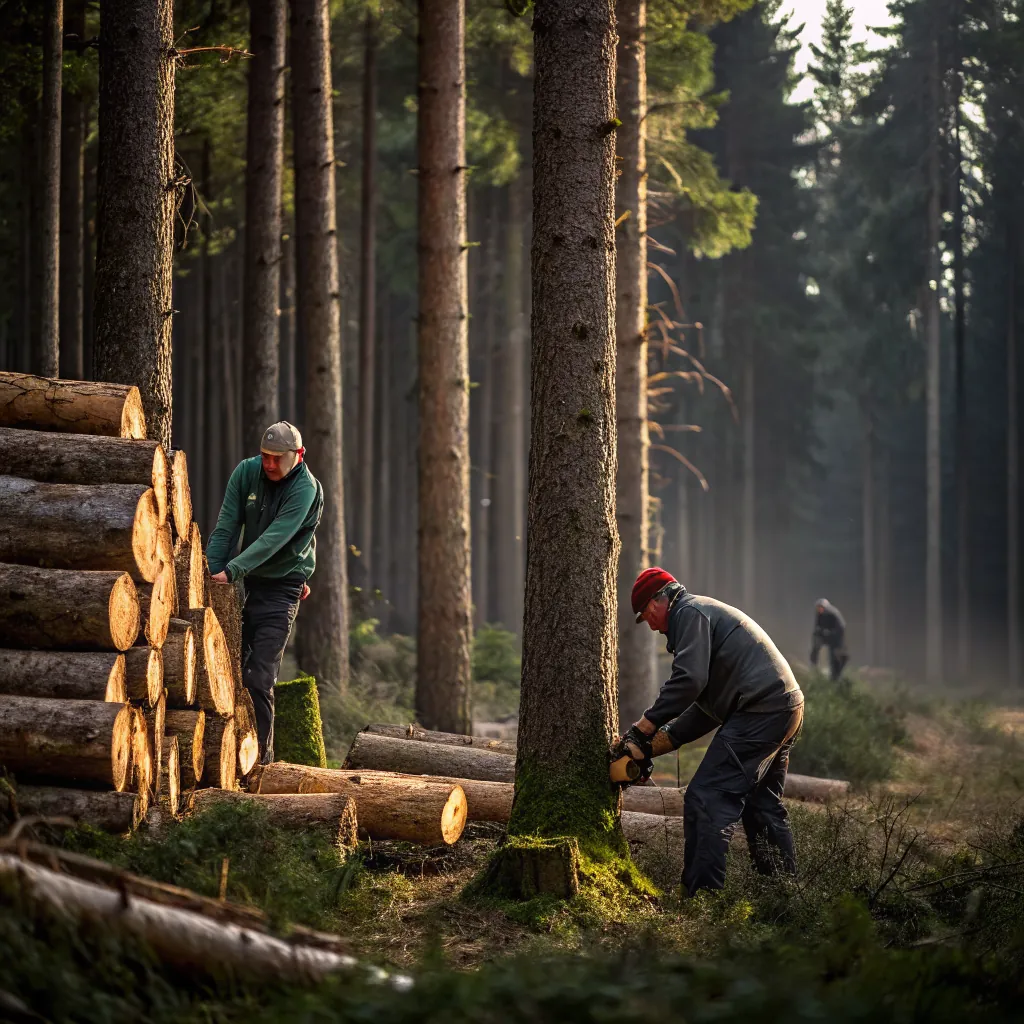
Wood pulp remains the dominant raw material in the global market. It comes mainly from two types of trees:
Types of Wood Used
| Wood Type | Key Feature | Role in Toilet Paper |
|---|---|---|
| Softwood | Long fibers | Strength and durability |
| Hardwood | Short fibers | Softness and smooth feel |
Softwood trees like pine and spruce provide long fibers. These fibers make the paper strong and less likely to tear. Hardwood trees like eucalyptus provide short fibers. These fibers improve softness and comfort.
Why Manufacturers Prefer Wood Pulp
There are several reasons why wood pulp is widely used:
- It is easy to process on a large scale
- It provides stable and predictable quality
- It balances strength and softness well
- It works efficiently with automated machines
From my experience working with global buyers, many clients from Africa and the Middle East prefer high-grammage toilet paper made from virgin pulp. They often say customers judge quality by thickness and softness.
Sustainability Concerns
Now, here is the key issue. Not all wood pulp is harmful to the environment. Many factories today use:
- FSC-certified wood
- Managed forests
- Fast-growing tree species
This means trees are replanted and forests are maintained. So, the problem is not the material itself, but how it is sourced.
Key Insight
Wood pulp remains the best option for premium toilet paper. It delivers consistent quality. However, buyers should always check certifications and sourcing practices to ensure sustainability.
Is recycled material used in toilet paper?
Some buyers assume recycled toilet paper is low quality. Others think it is always better for the environment. Both ideas are only partly true.
Yes, recycled materials are widely used in toilet paper. They come from used paper products and are processed, cleaned, and refined into new pulp suitable for hygiene use.

Recycled toilet paper starts from materials like:
- Office paper
- Newspapers
- Cardboard
- Old tissue products
These materials go through a detailed cleaning process before becoming usable again.
How Recycling Works
The process includes several steps:
- Collection of waste paper
- Shredding and mixing with water
- Removal of ink (de-inking)
- Filtering contaminants
- Bleaching and refining
After these steps, the pulp becomes safe and usable for toilet paper production.
Advantages of Recycled Toilet Paper
| Benefit | Explanation |
|---|---|
| Lower cost | Raw materials are cheaper |
| Eco-friendly | Reduces waste and landfill |
| Less energy usage | Requires less processing than virgin pulp |
From a business point of view, recycled paper is attractive for price-sensitive markets. Many supermarket chains choose it to maintain competitive pricing.
Limitations to Consider
However, recycled toilet paper also has some drawbacks:
- Lower softness compared to virgin pulp
- Slightly weaker structure
- Color may not be pure white
Some high-end hotels and brands avoid recycled materials because customers expect a premium feel.
Real Market Insight
In many developing markets, there is a balance. Buyers often choose a mix of virgin and recycled pulp. This creates a product that is both affordable and acceptable in quality.
Key Insight
Recycled toilet paper is a practical choice for cost control and sustainability. However, it may not meet the expectations of premium segments.
What chemicals are added in production?
The word “chemicals” often makes people uncomfortable. Many assume toilet paper contains harmful substances. That is not accurate.
Manufacturers use controlled and safe chemicals during production to improve softness, color, strength, and hygiene. These chemicals are regulated and used in small amounts.
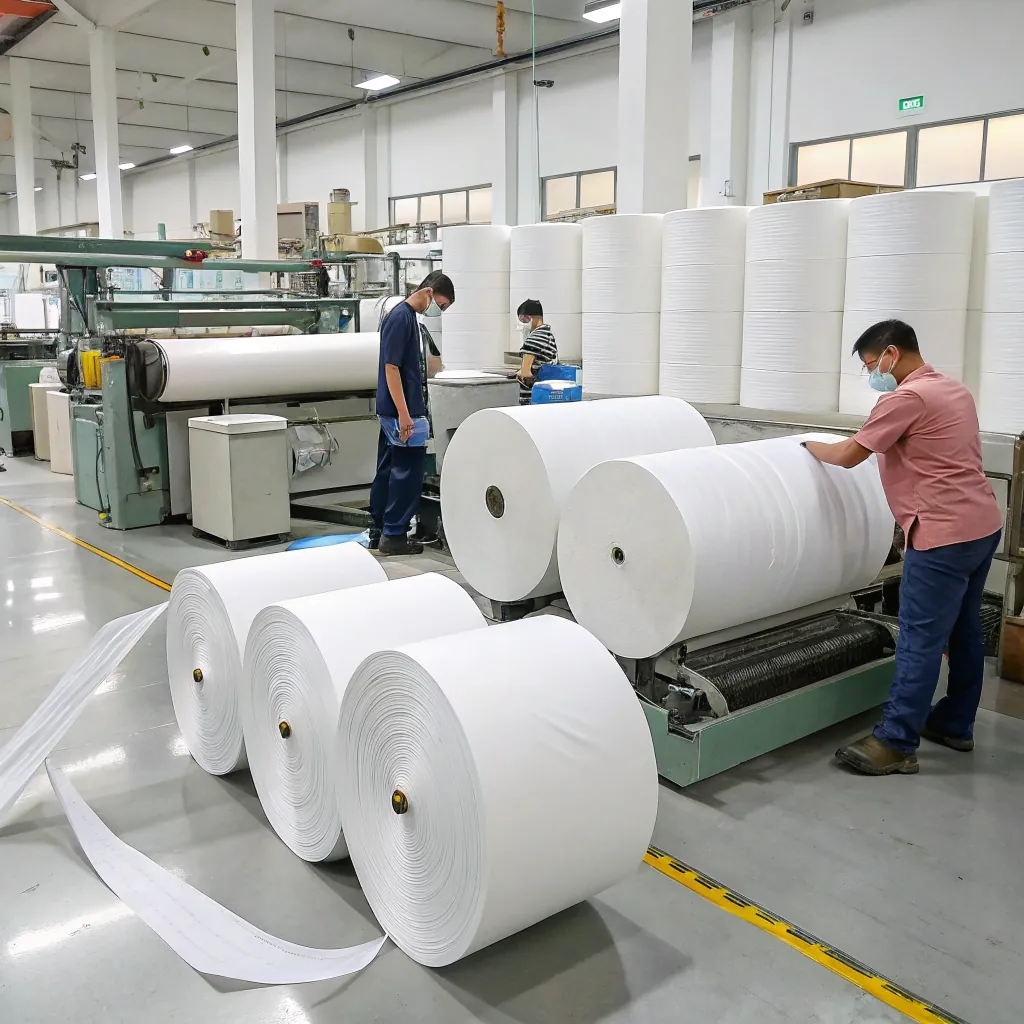
To understand this clearly, it helps to break down the main categories.
Common Chemicals Used
| Chemical Type | Purpose |
|---|---|
| Bleaching agents | Whiten the paper |
| Softeners | Improve comfort |
| Strength agents | Increase durability |
| Wet strength resins | Prevent tearing when wet |
Bleaching Process
Bleaching is one of the most discussed steps. It removes natural color from pulp and creates the clean white appearance people expect.
Modern factories use:
- Elemental chlorine-free (ECF) processes
- Totally chlorine-free (TCF) processes
These methods reduce harmful byproducts and meet international safety standards.
Softness Enhancement
Softness is critical for user experience. Manufacturers add softening agents and adjust fiber structure to create a gentle texture.
In my own factory experience, this step is where technology matters most. Advanced machines can control fiber bonding very precisely.
Safety Standards
All chemicals used must meet strict regulations such as:
- FDA standards
- ISO certifications
- Environmental compliance rules
Each batch is tested before shipment. This ensures the product is safe for daily use.
Misconceptions
Many people believe toilet paper contains toxic chemicals. In reality:
- The amounts used are very small
- Most chemicals are removed during processing
- Final products are tested for safety
Key Insight
Chemicals are necessary for quality improvement, but they are carefully controlled. Safe production depends on proper standards, not the absence of chemicals.
Can toilet paper be made from alternative fibers?
As sustainability becomes more important, many buyers are asking about alternatives to wood pulp. This is one of the fastest-growing areas in the industry.
Yes, toilet paper can be made from alternative fibers such as bamboo, bagasse, wheat straw, and other plant-based materials. These options are eco-friendly and increasingly popular.
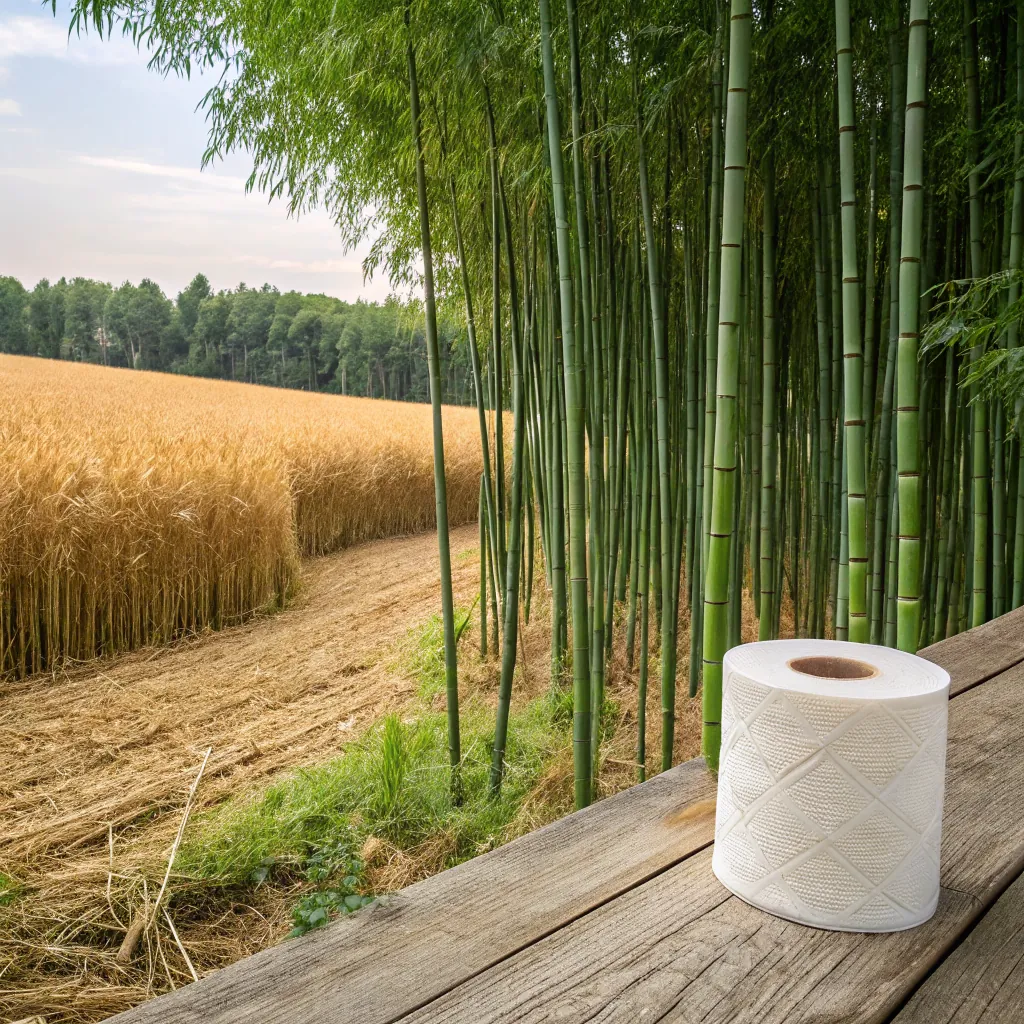
Alternative fibers offer new possibilities, especially for environmentally conscious brands.
Common Alternative Materials
| Material | Source | Key Advantage |
|---|---|---|
| Bamboo | Fast-growing plant | Sustainable and strong |
| Bagasse | Sugarcane waste | Uses agricultural byproduct |
| Wheat straw | Farm residue | Reduces waste burning |
Why Bamboo is Popular
Bamboo has become one of the top alternatives. It grows quickly and does not require replanting after harvest.
Key benefits include:
- Rapid growth cycle
- High fiber strength
- Natural antibacterial properties
Many eco-focused brands now market bamboo toilet paper as a premium product.
Challenges of Alternative Fibers
However, these materials are not perfect:
- Higher production cost
- Limited supply in some regions
- Requires specialized processing equipment
From my experience, many buyers are interested in bamboo products, but price still remains a key barrier.
Market Trends
There is a clear shift in demand:
- Europe and the US favor eco-friendly products
- Younger consumers prefer sustainable packaging
- Retailers promote green alternatives
This trend is pushing manufacturers to invest more in alternative fibers.
Practical Business Insight
For wholesalers, the best approach is often diversification:
- Offer standard wood pulp products for volume
- Add bamboo or eco lines for premium markets
This strategy helps capture different customer segments.
Key Insight
Alternative fibers are not just a trend. They represent the future direction of the paper industry. However, cost and scalability still limit widespread adoption.
Conclusion
Toilet paper is made from wood pulp, recycled paper, and alternative fibers, supported by safe production processes. Understanding these materials helps buyers balance cost, quality, and sustainability in a competitive market.