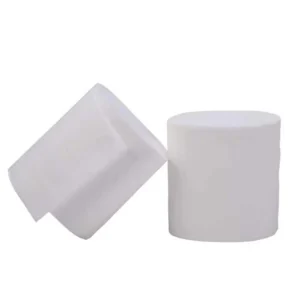
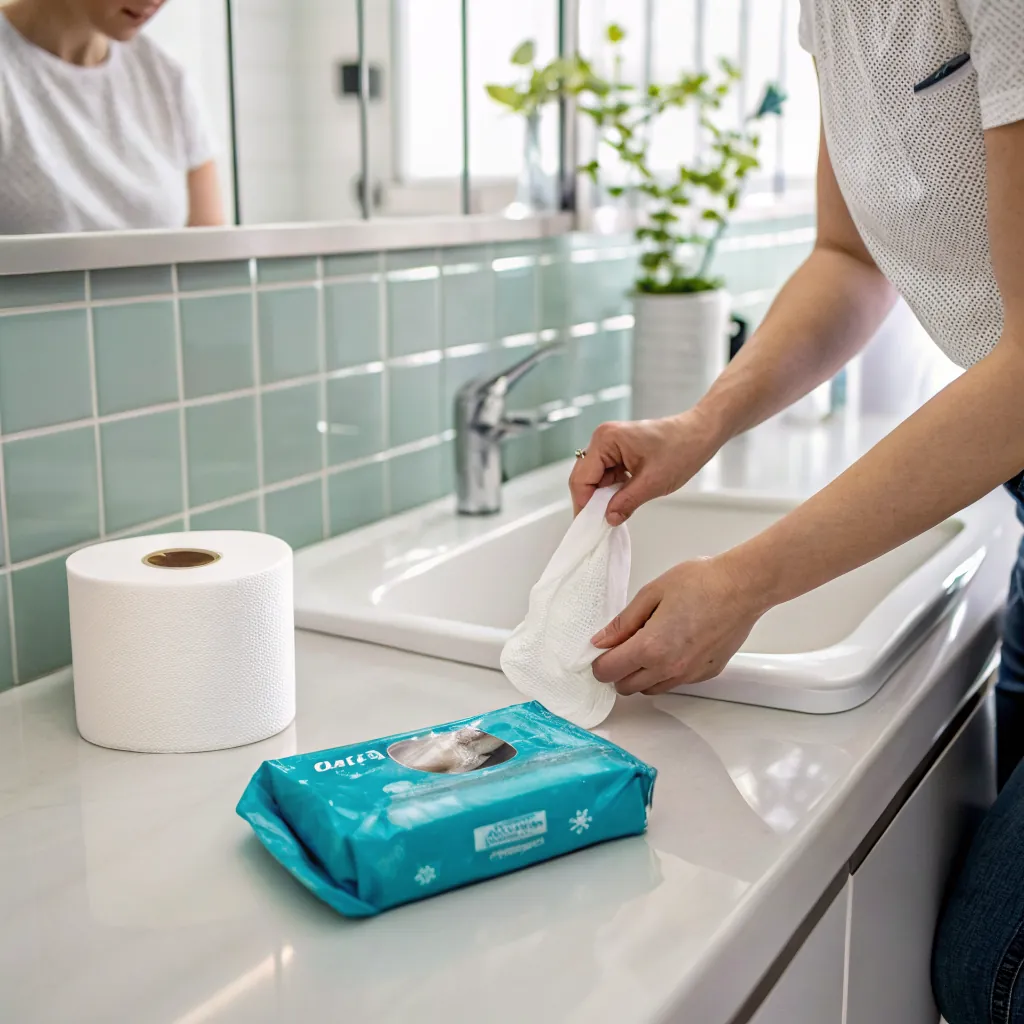
Opening up the debate: we all want clean and comfortable hygiene, but which is truly superior, wet wipes or toilet paper?
Wet wipes offer enhanced cleaning due to their moisture and texture, while toilet paper mainly provides dry wiping. Choosing depends on hygiene preferences, plumbing safety, and skin sensitivity.
Before deciding, it's important to explore the benefits, risks, and preferences around both options.
Which cleans more effectively: wipes or paper?
Wiping with dry paper often leaves residues behind, which can cause discomfort or irritation.
Wet wipes usually clean more effectively than toilet paper because the moisture helps remove dirt and bacteria, giving a fresher feeling.
Cleaning efficiency goes beyond just wiping. Wet wipes combine fibers and a small amount of liquid, which allows them to pick up particles more efficiently. Dry toilet paper, even when used in multiple sheets, cannot dissolve or trap oils and sticky substances as effectively. People with sensitive skin may notice that wiping with toilet paper alone can sometimes cause itching or slight abrasion, especially if the paper is rough. Wet wipes, on the other hand, are often formulated with soothing ingredients such as aloe or chamomile, reducing irritation while cleaning.
Comparison Table: Wipes vs Toilet Paper Cleaning
| Feature | Wet Wipes | Toilet Paper |
|---|---|---|
| Moisture content | Yes | No |
| Residue removal | High | Moderate |
| Skin irritation risk | Low with gentle formula | Moderate to high if rough |
| Bacteria removal | Better | Limited |
In practical terms, I’ve noticed that after using wet wipes, the feeling of cleanliness is immediate and longer-lasting. However, this comes with the consideration of proper disposal, as wipes do not always break down easily in plumbing systems.
Are wet wipes safe for flushing?
Many people assume that “flushable” means safe for plumbing, but that is not always true.
Not all wet wipes are safe for flushing; even labeled flushable wipes can block pipes and damage sewage systems if used in large amounts.
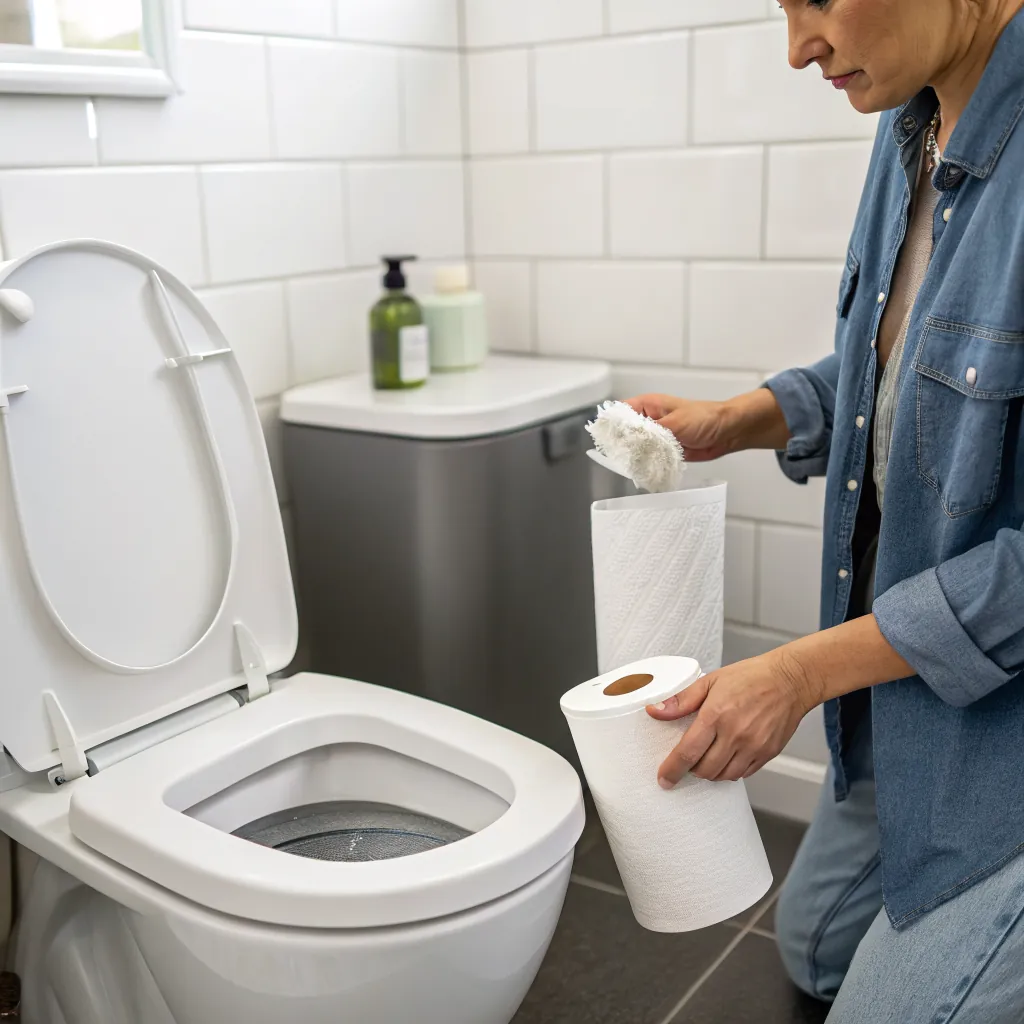
The issue arises from the material used in wipes. Most wet wipes contain synthetic fibers like polyester, which do not break down as quickly as paper. Even those marked “flushable” need careful disposal. Sewer systems can accumulate wipes, leading to clogs or environmental problems when they reach rivers or oceans. Some municipalities recommend disposing of wipes in trash bins rather than toilets. From a safety standpoint, toilet paper remains far superior because it dissolves almost immediately in water.
Flush Safety Tips
- Use toilet paper for regular flushing.
- Reserve wipes for cleaning when water-safe disposal is not critical.
- Avoid flushing more than one wipe at a time if labeled flushable.
- Educate household members about disposal practices.
It’s important to balance hygiene and plumbing. While wipes clean better, they are not as forgiving on pipes. Proper waste management can prevent costly plumbing issues.
Do dermatologists prefer wipes over paper?
Skin experts often evaluate hygiene tools based on irritation risk and moisture balance.
Many dermatologists recommend wet wipes for sensitive skin, but toilet paper is safer for those prone to allergic reactions or chemical sensitivities.
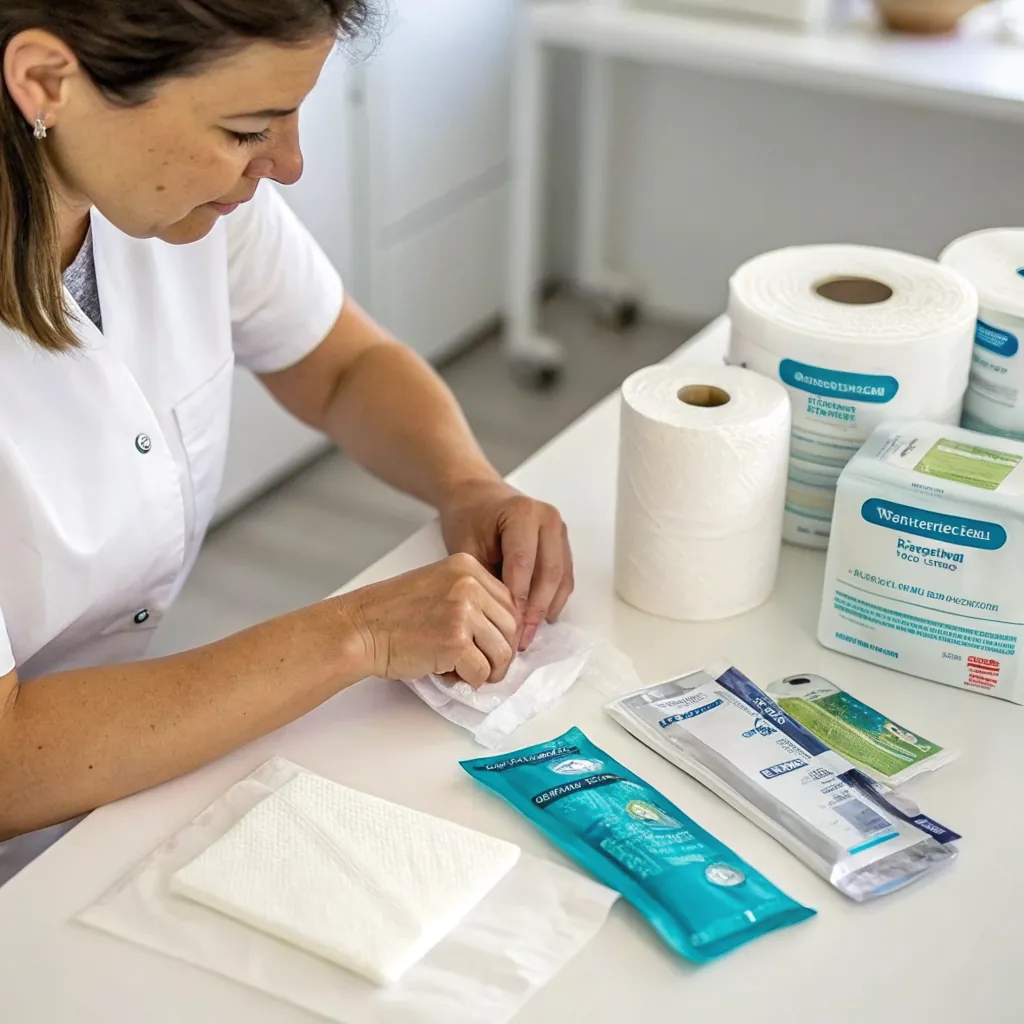
Wipes often contain moisturizers and gentle cleansers that reduce friction, making them suitable for people with delicate skin or hemorrhoid issues. Dermatologists emphasize the importance of the ingredients; wipes with alcohol, fragrance, or strong chemicals may cause dryness or irritation. On the other hand, high-quality toilet paper avoids chemical additives, lowering the risk of skin reactions. People with conditions like eczema or psoriasis should test wipes on a small area before regular use.
Dermatologist Recommendations Table
| Skin Condition | Wet Wipes | Toilet Paper |
|---|---|---|
| Sensitive skin | Preferred with gentle formula | Safe with soft, plain paper |
| Hemorrhoids | Soothing | May irritate if rough |
| Allergic reaction risk | Moderate depending on chemicals | Low |
| Daily hygiene | Effective | Adequate |
In my experience, switching to gentle wipes improved comfort during personal hygiene, but it’s essential to choose unscented and dermatologically tested options to avoid unexpected reactions.
Are wipes more convenient than toilet paper?
Convenience is often the deciding factor for many households and travelers.
Wet wipes provide immediate cleanliness and are handy for travel, but toilet paper remains more practical for everyday, large-volume use due to cost and disposal ease.
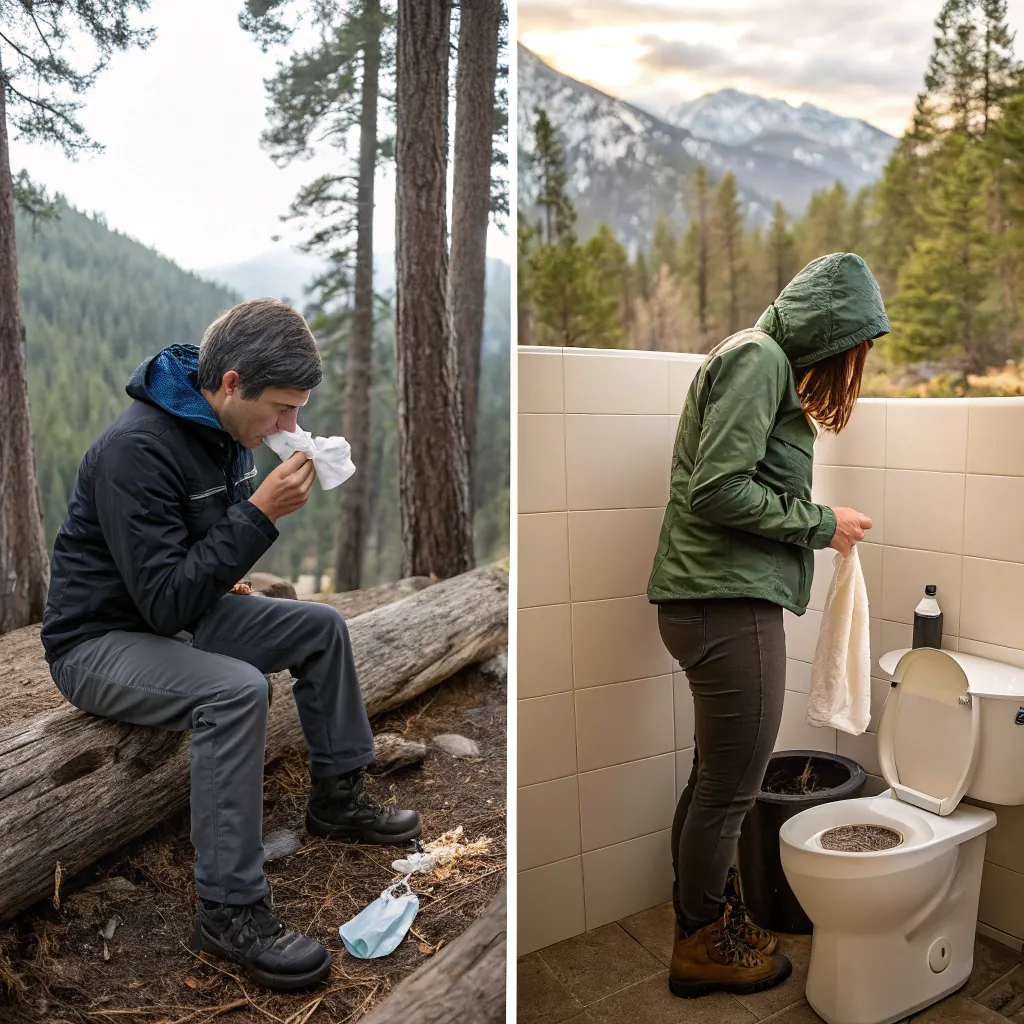
Wipes come pre-moistened, making them ready to use anywhere. They are especially convenient during travel, camping, or when water is unavailable. Toilet paper requires more sheets for the same cleaning effect, which can be cumbersome outside the home. However, wipes are more expensive and can run out faster. Bulk use also raises disposal concerns. Choosing the right option often depends on context: wipes for quick, high-efficiency cleaning and toilet paper for regular, economical daily use.
Practical Convenience Comparison
| Aspect | Wet Wipes | Toilet Paper |
|---|---|---|
| Portability | High | Medium |
| Quick cleaning | High | Medium |
| Cost per use | Higher | Lower |
| Environmental impact | Higher if not biodegradable | Lower |
For daily use at home, toilet paper still leads in cost-effectiveness. For on-the-go situations or special cleaning needs, wipes become very attractive. Personally, keeping a small pack of wipes in my bag has been very useful for emergencies or long trips.
Conclusion
Wet wipes clean more thoroughly and soothe the skin, but toilet paper is safer for plumbing and more economical. Choosing depends on lifestyle, skin needs, and hygiene priorities.