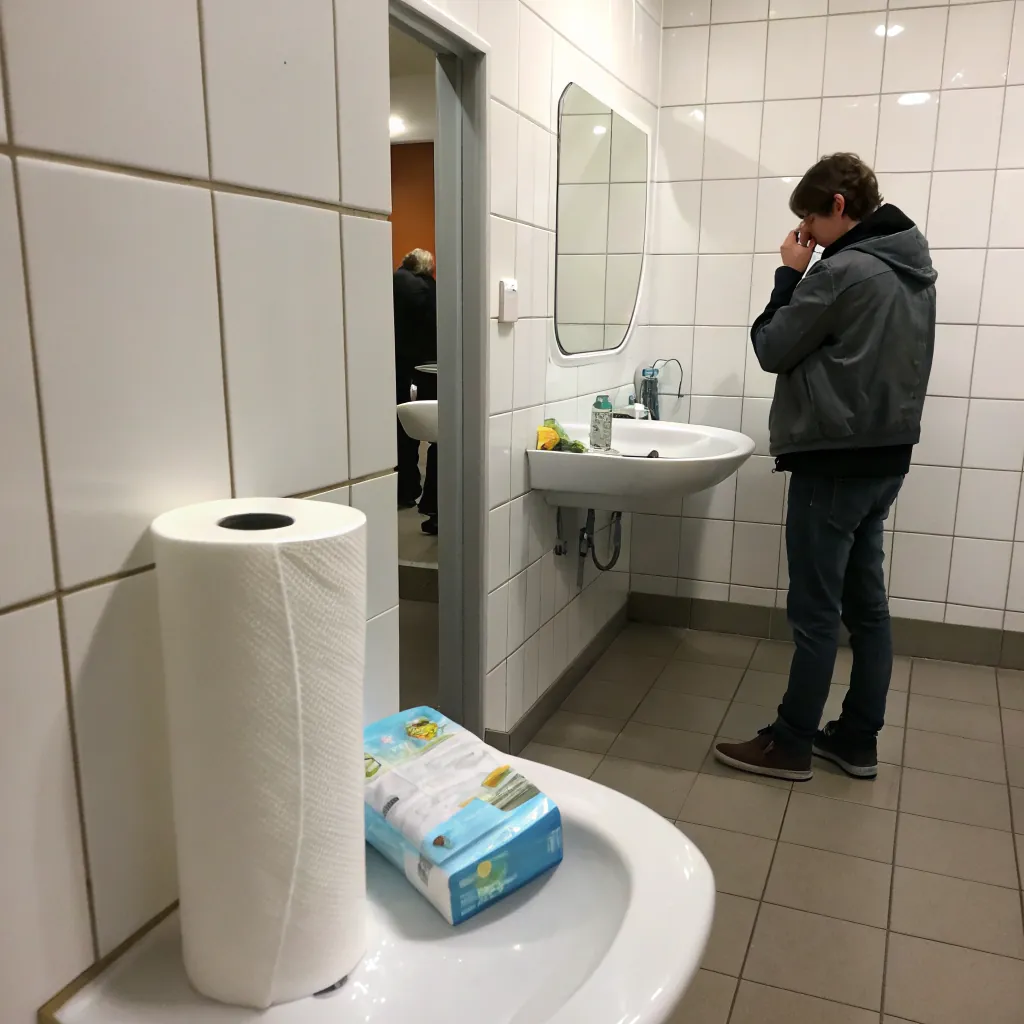
Choosing between wipes and toilet paper can feel confusing, but knowing the facts helps prevent hygiene and plumbing problems.
Wipes and toilet paper serve similar purposes, yet they differ in cleaning power, environmental impact, and plumbing safety. Understanding these differences helps pick the right option for your needs.
Before deciding, it helps to explore the pros, cons, and practical effects of both options. The right choice depends on your priorities like hygiene, eco-friendliness, and plumbing safety.
What are the pros and cons of wipes vs toilet paper?
Many people wonder if wipes offer a real benefit over toilet paper or if they create more problems.
Wipes feel more thorough and moist but may cost more and cause plumbing issues. Toilet paper is cheap, flushable, and widely available but may not clean as well.
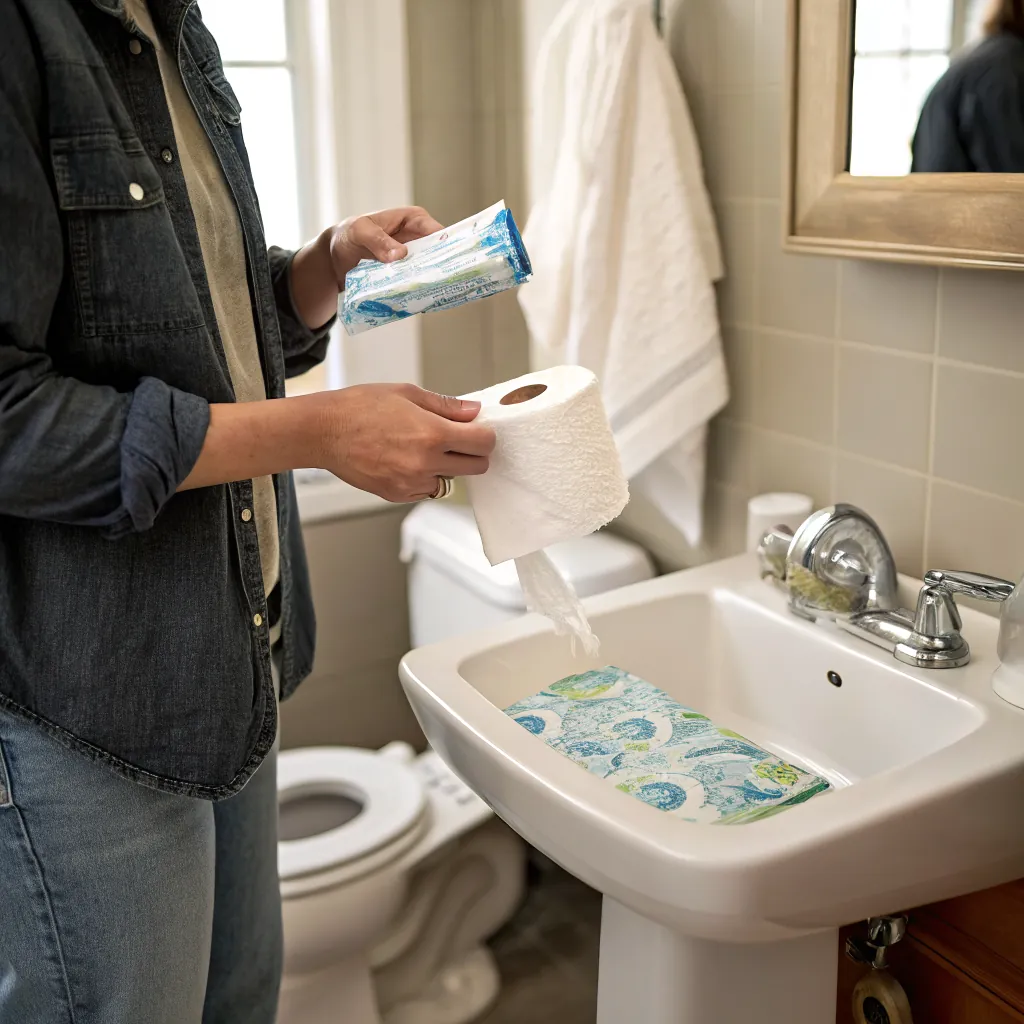
When comparing wipes and toilet paper, several factors matter. First, comfort and cleaning ability. Wipes are moist and textured, which can remove more residue and leave a fresher feel. Toilet paper is dry and may need multiple sheets to achieve similar cleanliness.
Second, convenience. Toilet paper is lighter and easier to store. Wipes come in packs, and the wet material can dry out if not sealed properly.
Third, cost. On average, wipes are more expensive per use. For families or high-traffic bathrooms, this adds up. Toilet paper is more economical, especially in bulk.
Fourth, plumbing and maintenance. Many wipes are not truly flushable. They can clog pipes and create costly sewer issues. Toilet paper is designed to break down in water, making it safer for home plumbing and municipal systems.
Finally, skin sensitivity. Wipes often contain fragrances and chemicals that can irritate sensitive skin. Toilet paper is generally gentler and less likely to cause reactions.
| Feature | Wipes | Toilet Paper |
|---|---|---|
| Cleaning Power | Higher, moist texture | Moderate, dry sheets |
| Cost | More expensive per use | Less expensive |
| Plumbing Safety | Risk of clogs | Safe, flushable |
| Skin Sensitivity | Possible irritation | Usually safe |
| Convenience | Bulkier, must keep sealed | Easy to store, always ready |
In short, wipes have clear advantages for thorough cleaning, while toilet paper offers safety, affordability, and ease of use.
Do wipes clean better than toilet paper?
People often feel wipes clean better, but is this always true?
Wipes generally remove more residue due to moisture and texture, but proper toilet paper use with a good folding technique can be nearly as effective.
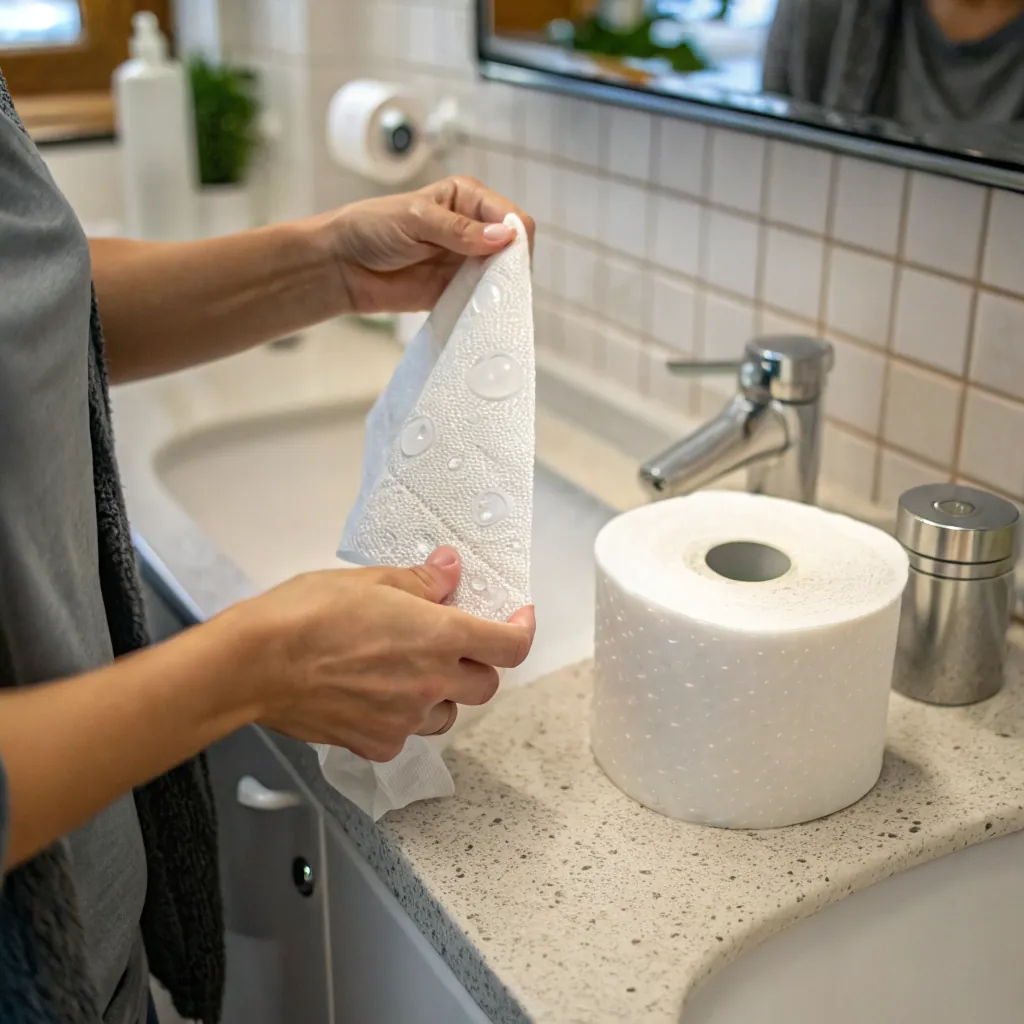
Cleaning effectiveness depends on how each product interacts with the skin and residue. Wipes are pre-moistened, often with gentle cleansing agents. This allows them to pick up oils and bacteria more efficiently than dry paper. The soft but firm texture provides extra friction, which can help remove stubborn residue in a single swipe.
Toilet paper, though dry, can still be effective if folded and used properly. Using multiple layers and wiping with care can match a wipe's cleaning power for many people. The key difference is that wipes tend to give a more consistent result with less effort, while toilet paper requires attention and technique.
Another factor is the surface area. Some wipes are larger and wider, covering more area with fewer strokes. Toilet paper sheets vary in size, and thinner options may require repeated use.
Finally, consider hygiene beyond immediate cleaning. Moist wipes can reduce odor and bacteria more effectively, but they need proper disposal to avoid environmental issues. Toilet paper may not remove every trace, but it is safer for plumbing and eco-conscious households.
Tips to Improve Toilet Paper Cleaning
- Fold instead of crumple to increase thickness.
- Use more sheets if necessary to ensure coverage.
- Choose higher-quality, thicker paper for durability.
- Consider wetting toilet paper slightly for extra cleaning without wipes.
| Method | Effectiveness | Notes |
|---|---|---|
| Standard dry TP | Moderate | Safe for plumbing |
| Folded TP | Improved | Uses slightly more paper |
| Wet TP | Higher | Needs careful handling |
| Moist Wipes | Highest | Risk of clogs if flushed |
Using these techniques, toilet paper can approach the cleaning effectiveness of wipes while maintaining safety and low environmental impact.
Are wipes safe for septic and sewer systems?
Many households face plumbing problems caused by flushing wipes, even when labeled “flushable.”
Most wipes do not break down like toilet paper and can clog pipes, damage septic tanks, and create sewer backups. Even “flushable” wipes may pose risks.
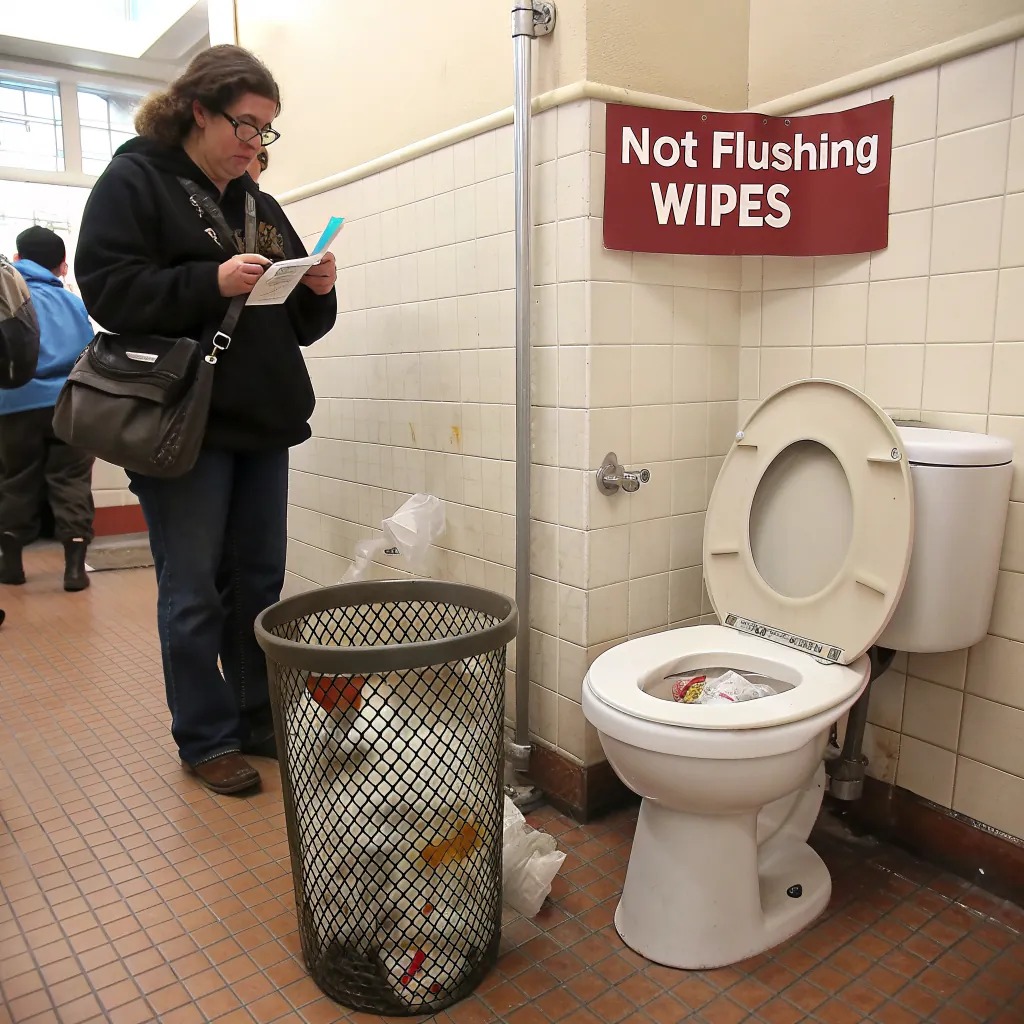
Plumbing systems rely on materials that dissolve quickly in water. Toilet paper is designed for rapid disintegration, minimizing blockages. Wipes, however, often contain synthetic fibers that resist breakdown. Even if a wipe label claims “flushable,” these products may fragment slowly, leading to accumulations in pipes, pumps, and municipal sewer lines.
Septic tanks are particularly vulnerable. Non-degradable wipes can form mats, slowing bacterial digestion and reducing system efficiency. Homeowners may face expensive repairs if wipes create blockages or overflow issues.
Municipal systems are also affected. Large-scale sewer blockages, known as “fatbergs,” often contain wipes combined with fats and oils. These blockages are costly to remove and can disrupt city plumbing.
How to Use Wipes Safely
- Do not flush – use a bin for disposal.
- Check labels carefully – some brands are less damaging but still not guaranteed safe.
- Educate household members – make it clear that wipes go in trash, not toilets.
By treating wipes as trash instead of flushable items, you protect plumbing and avoid expensive repairs. Using toilet paper where plumbing safety matters is the most reliable approach.
Is toilet paper more eco-friendly than wipes?
Environmental concerns make many consider toilet paper over wipes.
Toilet paper generally has a lower environmental impact than wipes, which often contain synthetic fibers and are not biodegradable. Sustainable toilet paper options are widely available.
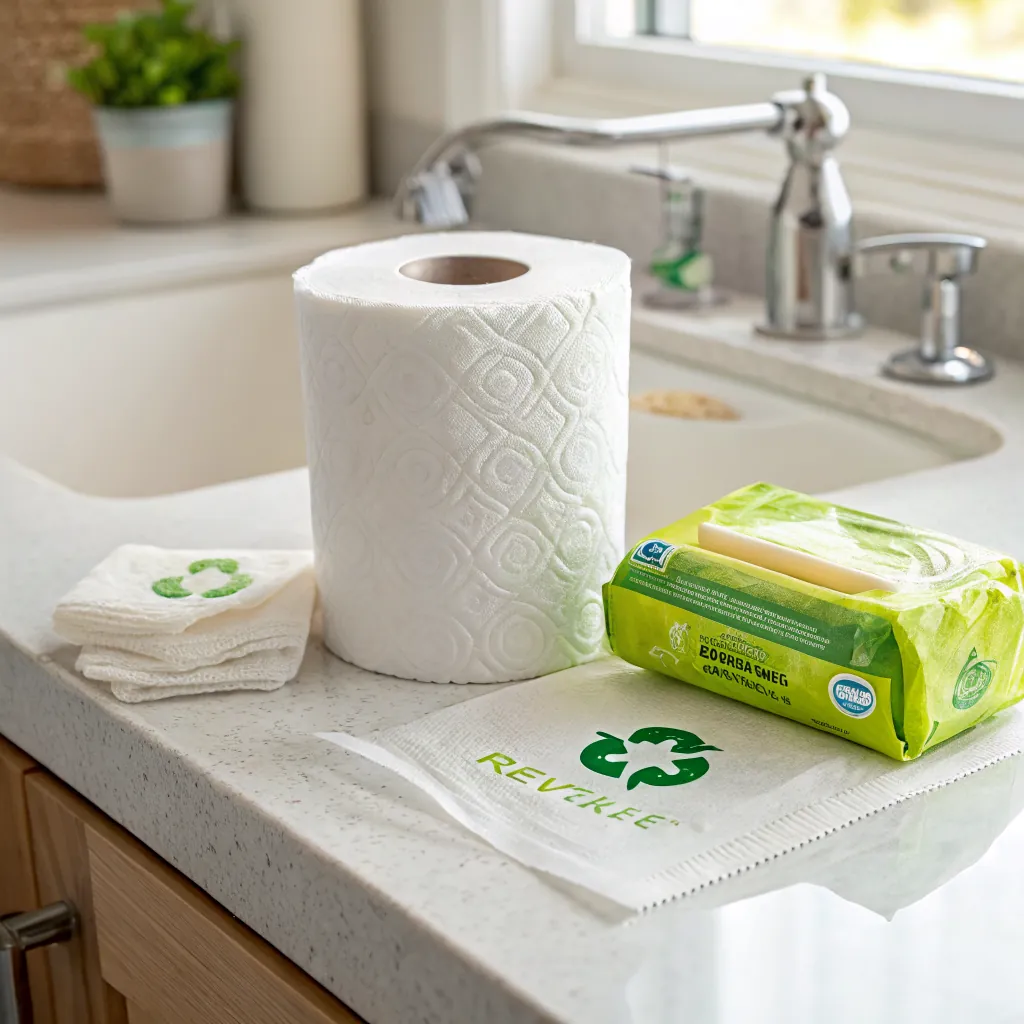
Eco-friendliness depends on material, production, and disposal. Toilet paper is typically made from virgin or recycled wood pulp. It biodegrades quickly, even in water, reducing environmental stress. Wipes, however, often contain plastic fibers, synthetic chemicals, and preservatives. These materials persist in landfills and water systems, making wipes less sustainable.
Comparing Environmental Impact
| Factor | Toilet Paper | Wipes |
|---|---|---|
| Biodegradability | High | Low |
| Water Contamination | Minimal | Can persist |
| Carbon Footprint | Moderate | Higher |
| Production Waste | Low-moderate | Higher due to chemicals |
Additionally, the manufacturing of wipes requires more energy and water than toilet paper. Packaging is often more plastic-heavy, adding to environmental load. Choosing eco-certified toilet paper or bamboo pulp products can reduce environmental footprint while maintaining comfort.
Consumers can further reduce impact by buying in bulk to minimize packaging waste, choosing recycled materials, and avoiding synthetic additives. Toilet paper’s simpler production process and biodegradable nature make it the preferred choice for those seeking sustainability without sacrificing hygiene.
Tips for Eco-Friendly Bathroom Practices
- Use recycled or bamboo toilet paper.
- Avoid flushable wipes unless fully verified as biodegradable.
- Reduce paper usage by folding and using only necessary sheets.
- Consider dual-use wipes for travel but dispose responsibly.
Balancing hygiene and environmental responsibility usually favors toilet paper, especially when combined with conscious consumption habits.
Conclusion
Wipes offer convenience and cleaning power, but they pose plumbing and environmental risks. Toilet paper is safer, eco-friendly, and cost-effective, making it the practical choice for most households. Proper use can achieve cleanliness without harming systems or the planet.