Skip to content
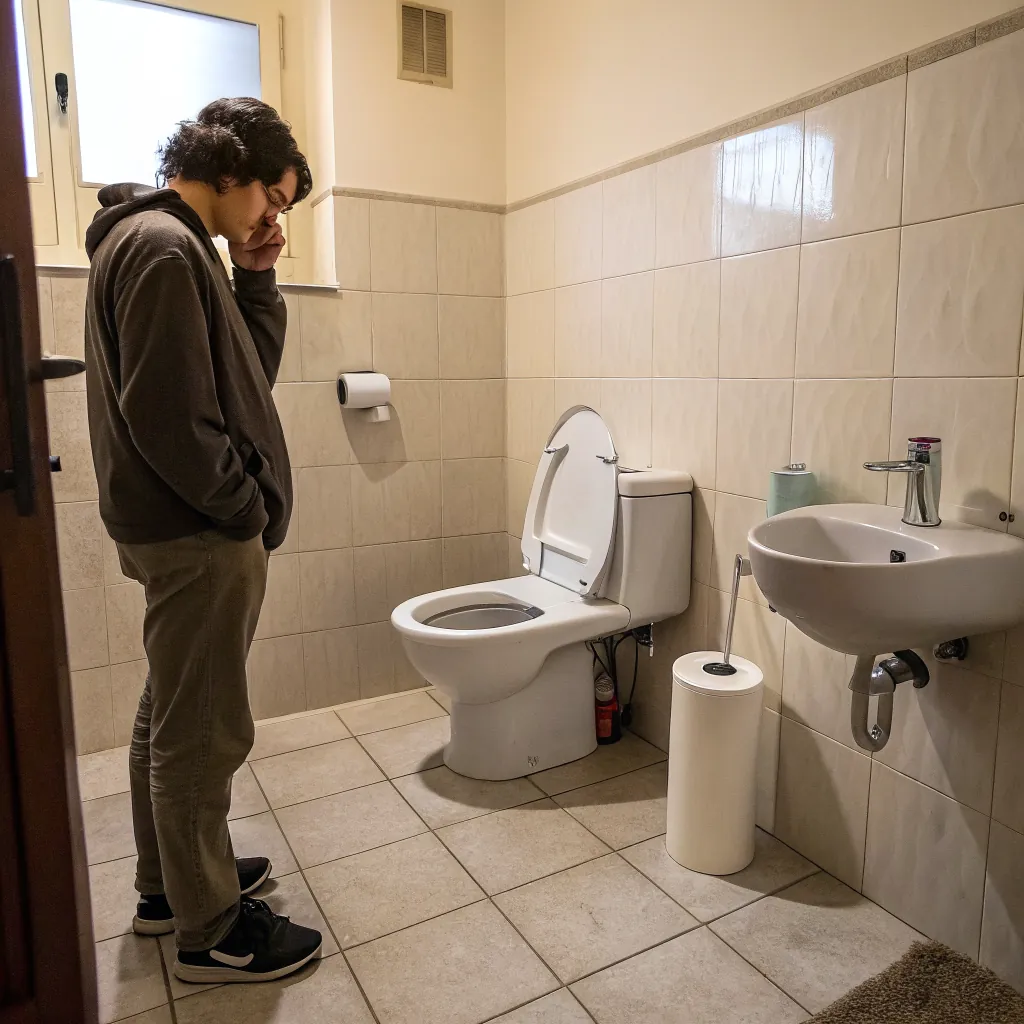
Many people wonder which is cleaner after using the toilet. Is it water, or is toilet paper enough?
Water and toilet paper serve different purposes. Water can clean more thoroughly, while toilet paper is quick and convenient. The choice depends on hygiene habits and personal comfort.
Before deciding, it's important to look closely at hygiene, environmental impact, and health advice. Let's explore each angle.
Which is more hygienic: bidet or toilet paper?
Using toilet paper alone may leave traces behind. Can a bidet truly clean better?
A bidet uses water to remove residue effectively. Studies show it reduces bacteria and irritation compared to toilet paper alone.
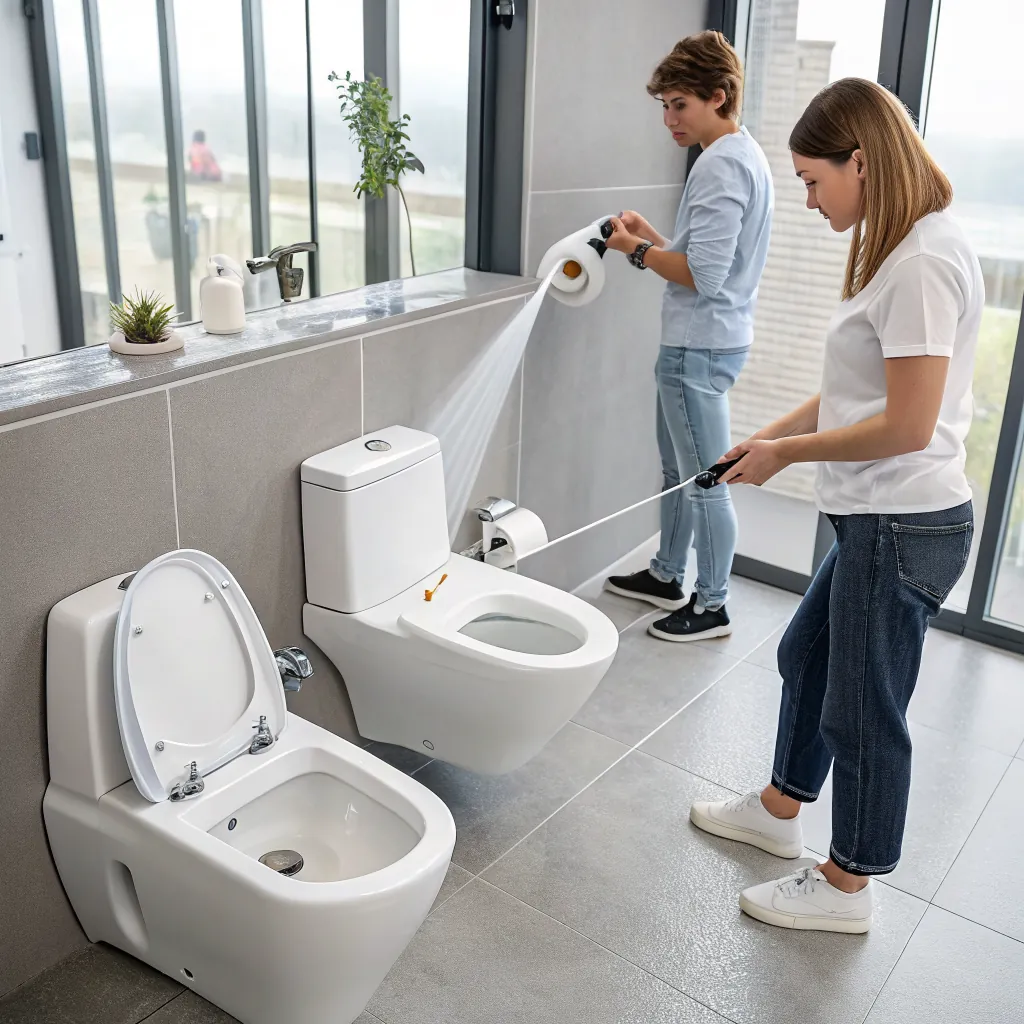
Water often reaches areas toilet paper misses. Toilet paper mainly wipes, which can leave behind germs. A bidet sprays water at a gentle pressure, cleaning thoroughly without friction. For sensitive skin, using water can prevent rashes or irritation caused by repeated wiping. Even in public restrooms, portable bidets or water bottles are used in some countries to maintain hygiene.
Hygiene comparison table
| Method | Cleaning Efficiency | Skin Comfort | Germ Reduction |
|---|---|---|---|
| Toilet Paper | Medium | Low | Low |
| Bidet / Water | High | High | High |
Water also reduces the risk of hemorrhoids. Wiping too hard with paper can damage delicate skin. A soft water spray avoids this, especially for people with medical conditions. Personal experience shows that after switching to water, fewer infections and less skin irritation occur. For families, teaching children to use water can establish a better hygiene routine. Toilet paper can be supplemented, but water ensures most residue is gone.
Is water more environmentally friendly than paper?
Toilet paper requires trees and energy. Does water save nature or waste it instead?
Water uses less raw material than toilet paper. Paper production leads to deforestation, energy use, and chemical waste. Using water can reduce these impacts.
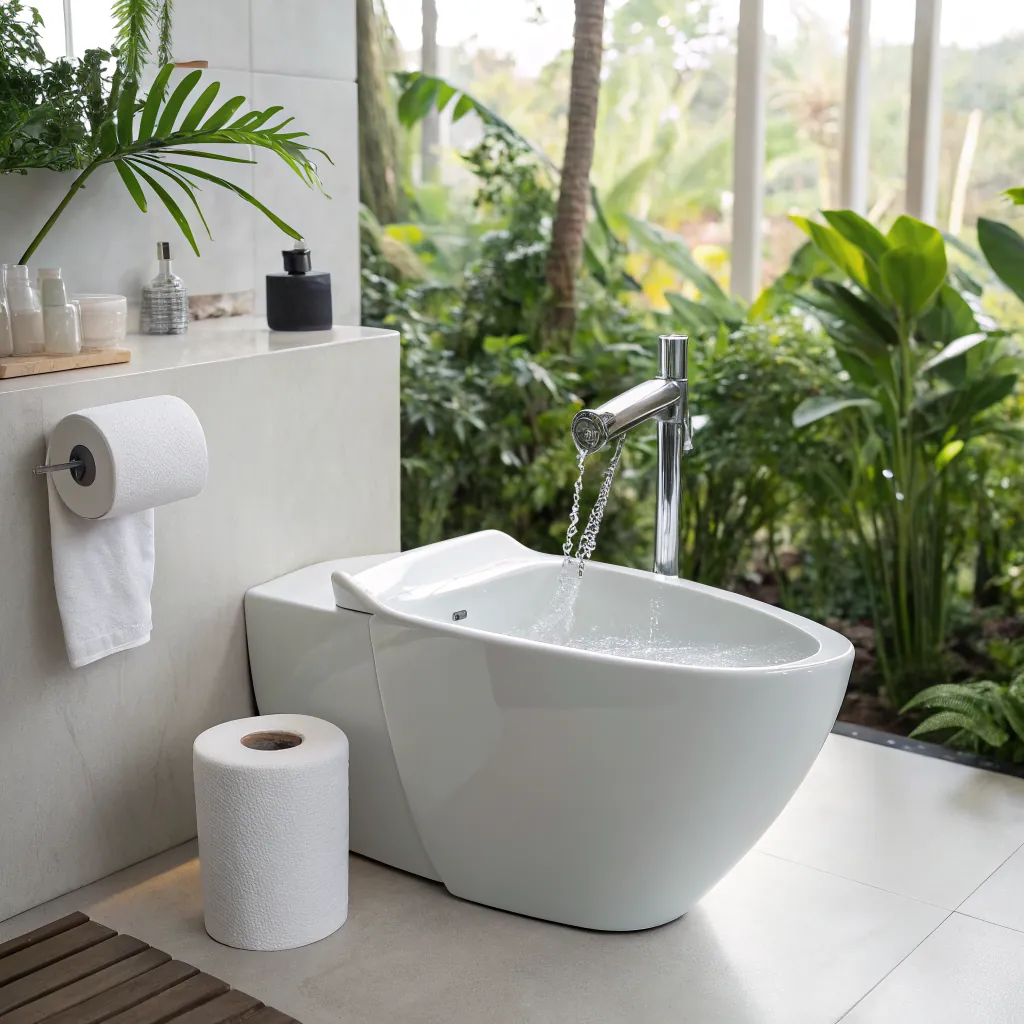
Environmental impact analysis
Paper production is resource-heavy. Producing one roll of toilet paper consumes about 37 gallons of water and significant wood. Large-scale use contributes to deforestation and pollution. Water, in contrast, is renewable and reusable in most plumbing systems. Using water may increase water consumption at home, but modern bidets use only a few ounces per use, far less than the environmental cost of paper.
Environmental comparison table
| Factor | Toilet Paper | Water / Bidet |
|---|---|---|
| Raw Materials | High (wood pulp) | Low |
| Water Consumption | Moderate (production) | Low (per use) |
| Waste Generation | High (used paper) | Minimal |
| Carbon Footprint | High | Low |
Switching to water also reduces sewage blockages caused by paper. Many cities face plumbing issues due to paper overload. Using water helps decrease plumbing problems and reduces maintenance costs. Overall, water is better for the environment, especially when paired with energy-efficient systems and responsible usage.
Do doctors recommend water over toilet paper?
Health professionals often give advice about hygiene. Which method do doctors favor?
Many doctors recommend water over paper. It prevents skin irritation, hemorrhoids, and infections, especially for sensitive areas.
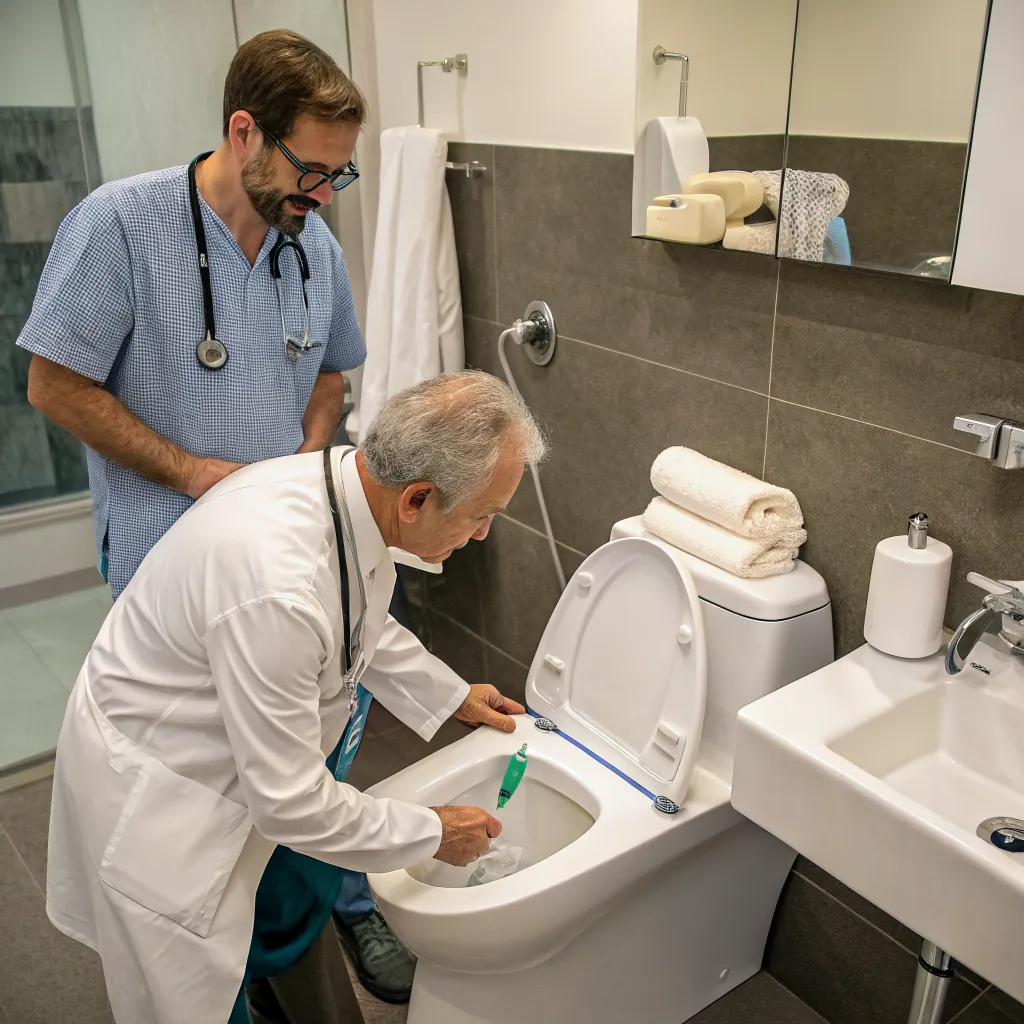
Doctors note that wiping repeatedly with paper can harm the skin. Using water gently cleans without friction. For post-surgery or postpartum care, water is highly recommended. Patients with hemorrhoids, urinary tract infections, or skin sensitivity benefit from using water. Even some medical papers suggest that a bidet reduces bacterial contamination compared to paper.
Medical benefits of using water
- Reduces irritation and friction.
- Cleans more thoroughly than wiping alone.
- Lowers risk of urinary tract and anal infections.
- Helps patients with mobility or health issues.
Doctors also advise a combination: water for cleaning, then soft paper or towel to dry. This approach maximizes cleanliness and comfort. Anecdotal reports show fewer infections and better skin health when patients switch to water. It's especially beneficial for children and elderly, who have more sensitive skin.
Can using water reduce toilet paper usage?
High toilet paper use can be costly. Can water actually cut the amount we need?
Yes. Using water significantly reduces paper consumption. Many users report using 70–90% less toilet paper after switching.
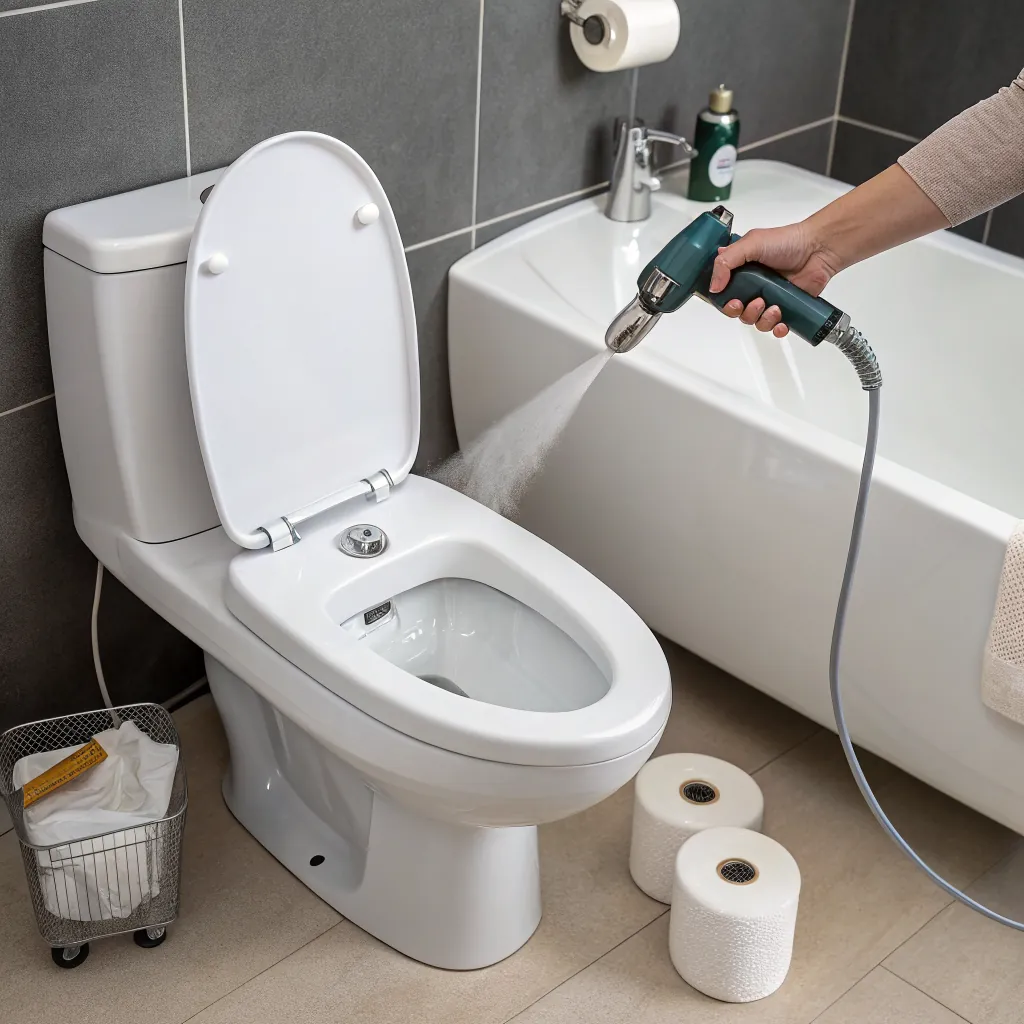
Switching to water lowers monthly costs for households. A small bidet or hand-held sprayer is enough to replace most paper. People often keep some paper for drying or emergencies, but usage drops dramatically. This also benefits the environment and reduces waste. For families, this is both economical and practical.
Cost and usage reduction example
| Household Size | Paper Use Before | Paper Use After | Savings % |
|---|---|---|---|
| 1 person | 10 rolls/month | 2 rolls/month | 80% |
| 4 people | 40 rolls/month | 8 rolls/month | 80% |
| 6 people | 60 rolls/month | 12 rolls/month | 80% |
Long-term, using water reduces the need to buy large quantities of paper. It also prevents paper shortages during high demand periods. Some communities in Asia have fully replaced paper with water, showing stable sanitation and reduced costs. Households can combine water cleaning with occasional paper for drying, making it a smart, eco-friendly routine.
Conclusion
Water generally provides better hygiene, reduces environmental impact, and is recommended by many doctors. Combining water with minimal paper can give comfort, cleanliness, and cost savings. Regular use can transform daily habits for better health and eco-conscious living.