Skip to content
Opening paragraph:
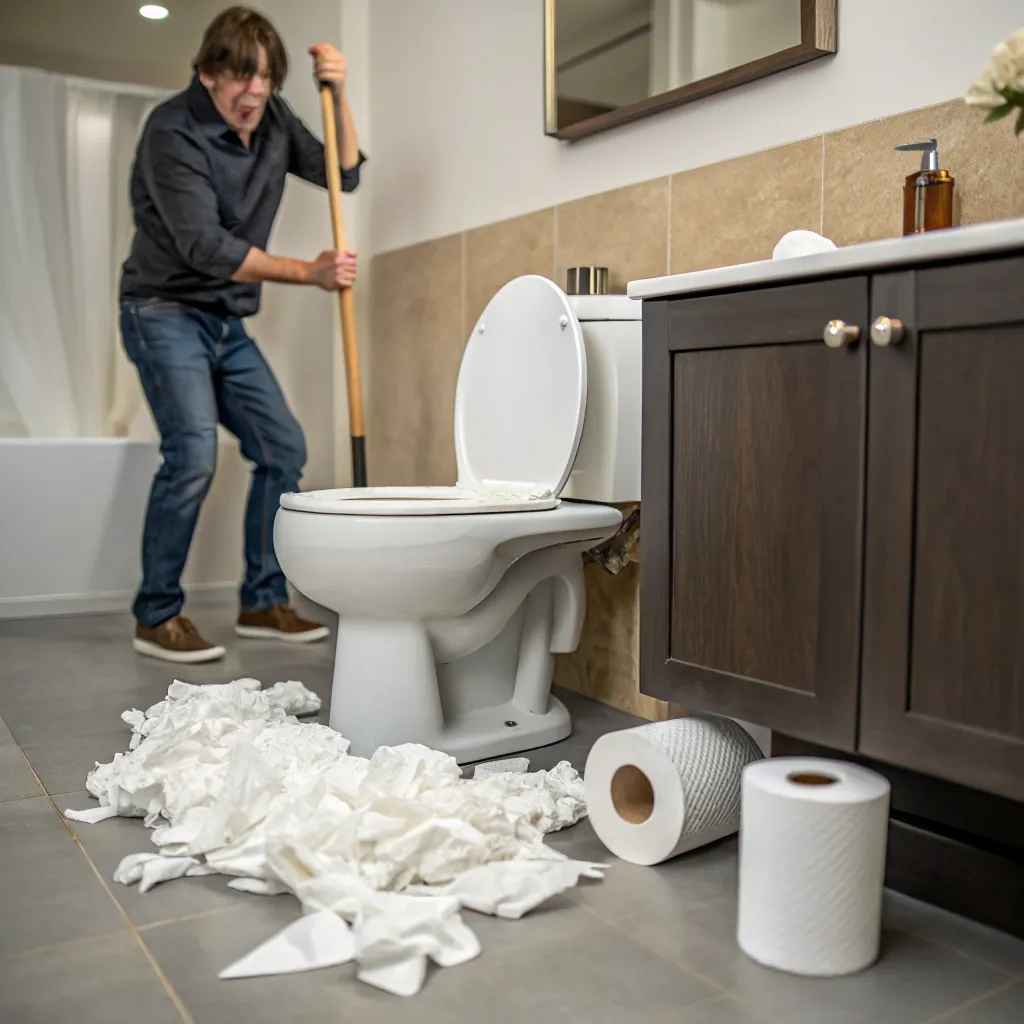
Toilet paper often clogs pipes if it doesn’t break down quickly, creating messy and costly problems at home and in businesses.
Toilet paper breaks down mainly through chemical, biological, and physical processes. Factors like water temperature, enzyme activity, and chemical exposure determine how fast it dissolves, impacting plumbing and waste treatment.
Understanding these factors can help prevent clogs, save maintenance costs, and even guide eco-friendly disposal practices.
Do enzymes help degrade toilet paper faster?
Enzymes are natural catalysts that speed up the breakdown of organic materials. If toilet paper contacts enzymes, it may dissolve faster than in plain water.
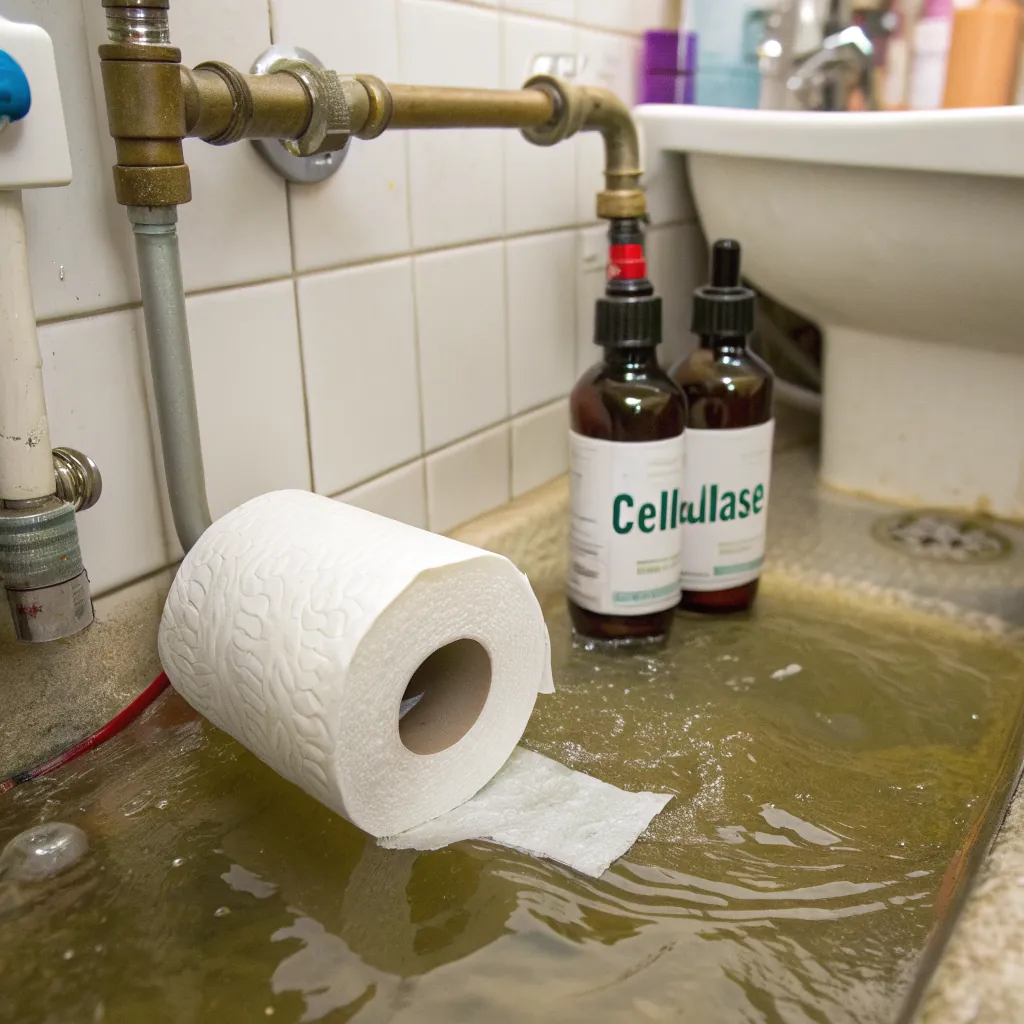
Enzymes like cellulase can attack the cellulose fibers in toilet paper, making it break apart more quickly. This is why some septic-safe treatments advertise enzyme formulas to maintain pipe health.
How enzymes interact with toilet paper
Toilet paper is made mainly from cellulose, a type of carbohydrate. Cellulase enzymes specifically target cellulose, breaking it down into glucose molecules. This process reduces the paper into smaller pieces that wash away easily.
| Enzyme Type | Target Material | Effect on Toilet Paper |
|---|---|---|
| Cellulase | Cellulose | Breaks fibers into glucose, speeds dissolution |
| Protease | Proteins | Minor effect, little impact on toilet paper |
| Lipase | Fats | Does not affect toilet paper significantly |
Benefits of using enzymes
Enzyme treatments can prevent septic system clogs and reduce the risk of plumbing blockages. They are eco-friendly compared to harsh chemicals and can maintain the balance of bacteria in septic tanks.
Considerations
Not all toilet paper responds the same way. Thick, high-grammage or quilted types dissolve slower even with enzymes. Enzyme concentration, water contact, and time all influence effectiveness. Overuse of enzymes can sometimes create a slimy residue, but this is usually manageable.
Using enzymes is a proactive approach, especially in systems with lower water flow or older plumbing. They work gradually but consistently, preventing sudden blockages and supporting long-term pipe health.
Can hot water speed up toilet paper breakdown?
Heat increases the speed of chemical and physical reactions. Warm water softens the paper fibers and helps them disintegrate faster.
Hot water accelerates toilet paper breakdown because heat weakens cellulose bonds, making the paper dissolve more quickly. This is especially effective in systems without enzymatic assistance.
How heat affects toilet paper
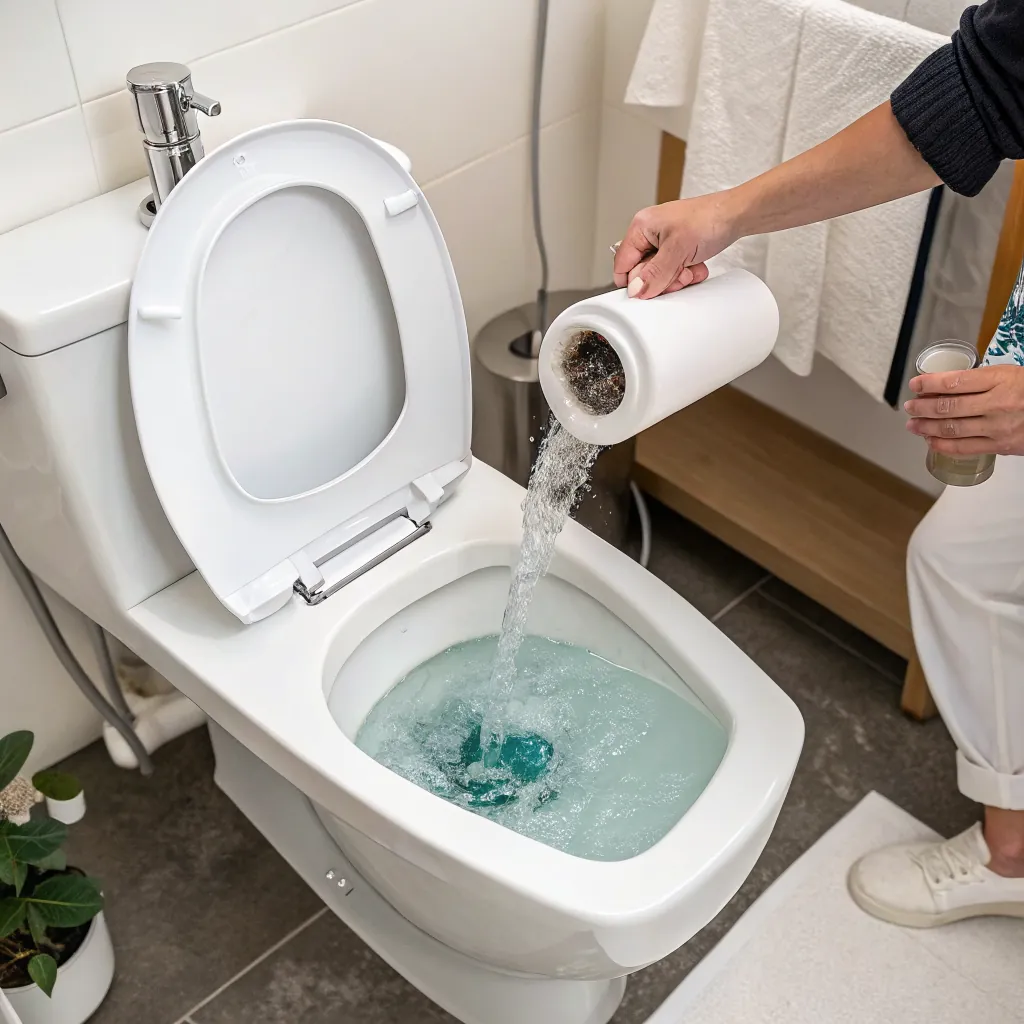
Hot water increases molecular movement, softening the fibers and allowing water to penetrate deeper. This makes tearing easier and reduces the time it takes for paper to break apart in pipes.
Safe temperature ranges
Water that is too hot can damage plumbing, especially PVC pipes. Warm water around 50–60°C (122–140°F) is usually safe for faster dissolution without causing harm. Extreme heat above 70°C (158°F) is unnecessary and may stress pipes.
| Water Temperature | Effect on Toilet Paper | Plumbing Safety |
|---|---|---|
| 25°C (77°F) | Normal dissolution | Safe |
| 50°C (122°F) | Speeds breakdown | Safe |
| 70°C (158°F) | Rapid softening | Check pipes |
| 90°C (194°F) | Overly aggressive | Risky |
Practical applications
Using warm water in household sinks or septic systems can prevent paper buildup. For commercial or industrial toilets, integrating water heaters in wastewater systems supports consistent flow and reduces maintenance.
It’s also important to note that heat alone won’t solve issues if the toilet paper is extremely thick or layered. Combining warm water with enzymes or agitation improves results.
Are certain chemicals safe for dissolving toilet paper?
Some chemicals can break down toilet paper faster, but safety is critical for pipes, septic systems, and the environment. Harsh chemicals may dissolve paper quickly but damage plumbing or harm ecosystems.
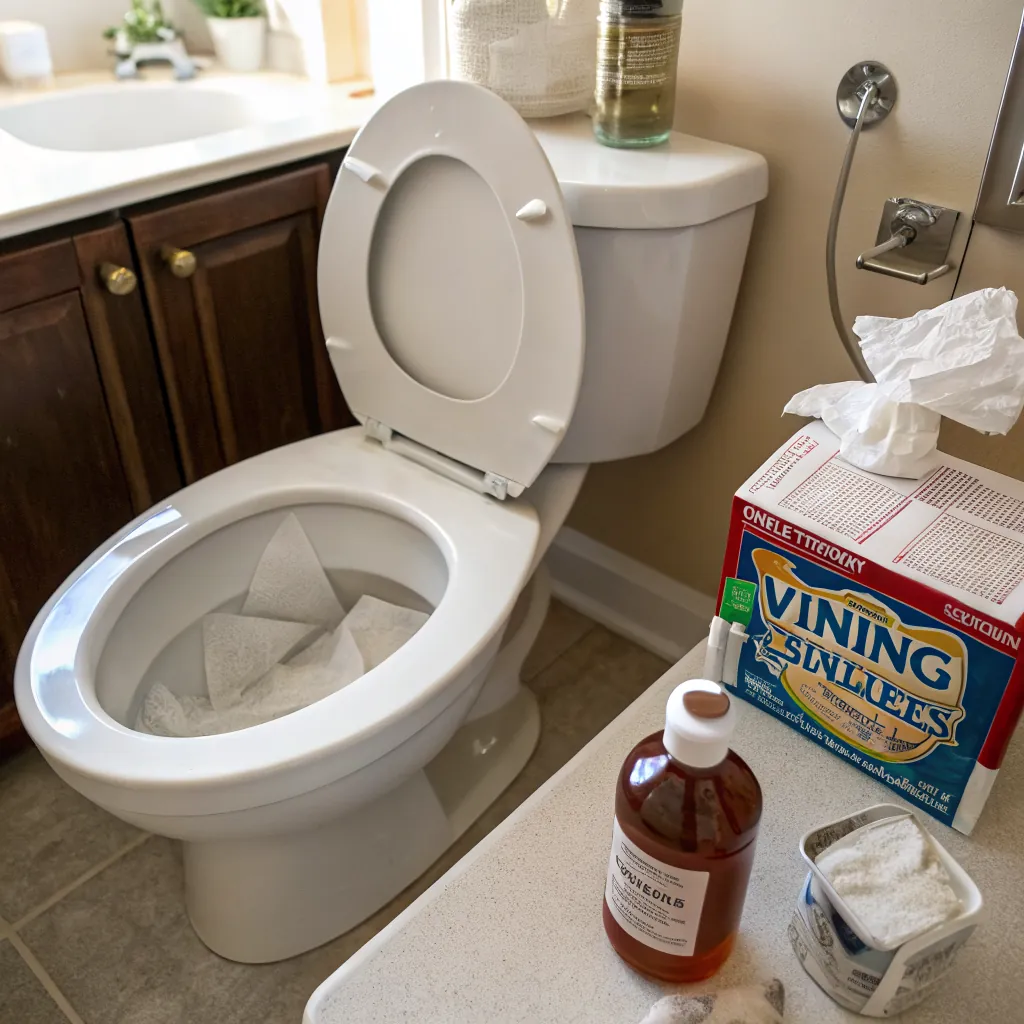
Mild chemicals like baking soda or vinegar can assist in toilet paper breakdown safely. Strong acids or lye can be effective but pose significant risks and are not recommended for routine use.
Chemical options and safety
- Vinegar (acetic acid): Softens paper and acts as a mild disinfectant. Safe for plumbing.
- Baking soda (sodium bicarbonate): Reacts with water to help fibers separate. Environmentally friendly.
- Enzyme-based cleaners: Contain chemicals that mimic natural enzymes without damaging pipes.
- Strong acids or lye: Dissolve paper fast but can corrode pipes and harm septic systems. Use only with caution in industrial contexts.
Comparing chemicals
| Chemical Type | Effect on Toilet Paper | Safety for Plumbing | Environmental Impact |
|---|---|---|---|
| Vinegar | Moderate softening | High | Low |
| Baking Soda | Slow assistance | High | Low |
| Enzyme Cleaner | Efficient breakdown | High | Low |
| Lye / Acid | Fast dissolution | Low | High |
Guidelines
Using chemicals requires careful measurement and knowledge of your plumbing. Mild solutions are best for home use, while enzyme or industrial cleaners suit larger systems. Strong chemicals should never be used in septic tanks or near waterways.
What natural solutions dissolve toilet paper?
Natural methods can safely break down toilet paper without chemicals. Water, heat, enzymes from food, or microbial activity all contribute to natural dissolution.
Natural solutions like warm water, enzyme-rich liquids, or composting microbes can dissolve toilet paper safely. These methods are eco-friendly and maintain plumbing integrity.
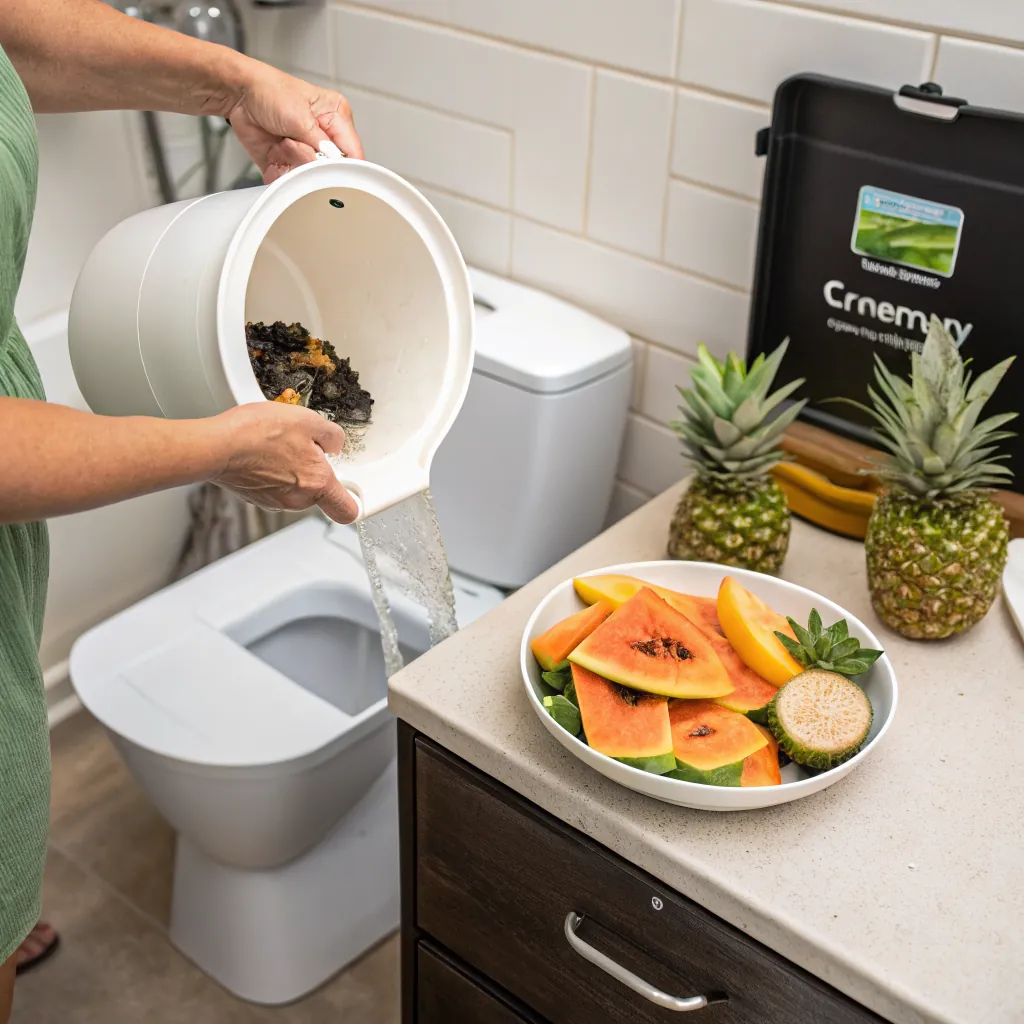
Common natural solutions
- Warm water: Softens fibers, speeds natural breakdown.
- Yeast or bacterial solutions: Produce enzymes that digest cellulose.
- Compost worms or microbes: In composting systems, they help paper decompose fully.
- Plant-based enzyme liquids: Papaya, pineapple juice contain natural cellulases.
Benefits of natural solutions
Natural solutions are sustainable and safe for all types of plumbing. They reduce chemical exposure and promote environmentally friendly waste management. For example, enzyme-rich fruit juices provide mild cellulase activity without harsh chemicals.
Implementation tips
- Combine warm water with mild enzyme sources to boost breakdown speed.
- Use natural microbial inoculants in composting toilets for continuous degradation.
- Avoid combining natural enzymes with harsh chemicals to prevent neutralization.
Practical case
In many rural areas, warm water and microbial solutions manage toilet paper without chemicals. This method is slow but reliable, suitable for septic systems and eco-friendly sanitation projects. It is especially effective when high-quality, thin toilet paper is used.
Natural solutions also reduce the risk of clogs in systems that receive lower water flow. By supporting microbial activity, the system self-maintains, saving costs and reducing maintenance frequency. Additionally, natural degradation is safer for the environment, as no toxic residue enters waterways.
Conclusion
Toilet paper breaks down through heat, enzymes, chemicals, and natural microbial action. Choosing the right method depends on safety, plumbing, and environmental impact. Using warm water or enzyme-based solutions is usually the safest and most effective approach.