Skip to content
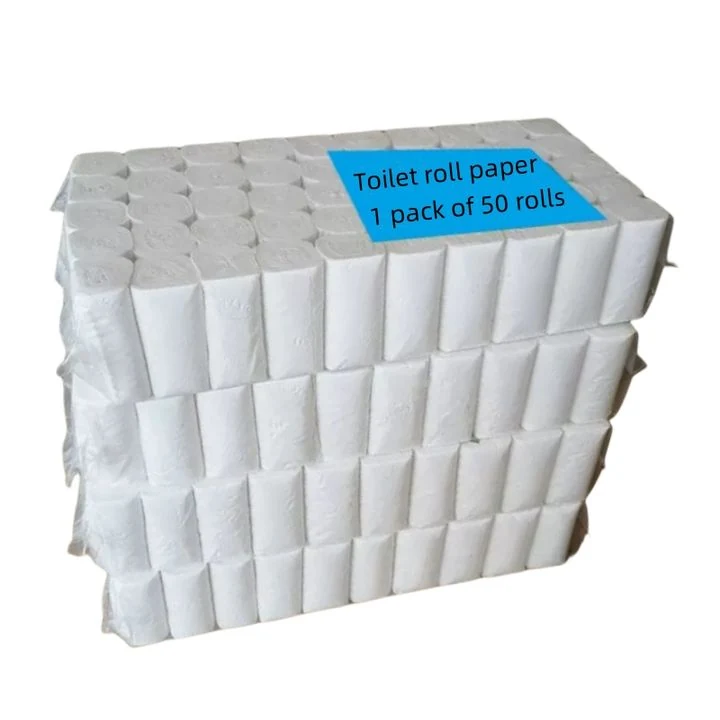
Many buyers focus on paper quality and roll weight. Still, many forget the tube size inside the roll. This small detail can create big packing and machine problems later.
The tube inside a toilet paper roll is usually 4 inches long in standard household products, while the core diameter often ranges from 1.5 to 2 inches depending on the market and machine design.
Many importers only notice tube size after production starts. By then, changing the core may increase cost and delay shipping. A clear understanding of tube dimensions helps buyers choose better products for supermarkets, hotels, and commercial use.
What is the core length of standard toilet paper rolls?
Small differences in toilet paper core size can create major issues. Rolls may not fit dispensers, machines may stop working, and shipping space may be wasted.
The standard toilet paper core length is usually about 4 inches (10 cm) for household rolls. Commercial jumbo rolls often use larger and wider cores based on dispenser requirements.
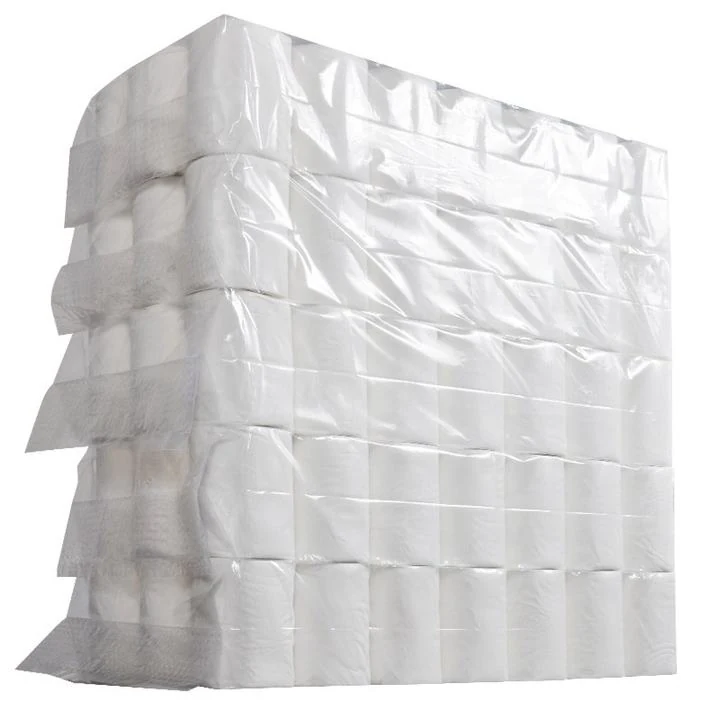
Most people only look at the paper outside the roll. In manufacturing, the paper core matters just as much. The tube controls roll stability, winding speed, storage shape, and dispenser compatibility.
Standard Household Roll Dimensions
In many markets like the United States, Europe, and parts of Africa, standard toilet paper rolls follow a common size range. The paper width is often close to 4 inches. Because of this, the cardboard tube inside usually matches that width.
Here is a simple breakdown:
| Item | Standard Size |
|---|---|
| Roll Width | 4 inches |
| Core Length | 4 inches |
| Core Diameter | 1.5–2 inches |
| Sheet Length | Varies by brand |
Factories often keep these dimensions because retailers and dispenser makers already follow these standards. This helps products fit common household holders.
Why Core Length Matters
The tube supports the paper during production and use. If the core becomes too short, the paper edges may collapse during transportation. If the core becomes too long, the paper may move side to side.
Several production steps depend on stable core dimensions:
- Automatic rewinding
- Glue positioning
- Packaging alignment
- Carton loading
- Dispenser fitting
A factory with automated production lines usually checks core tolerance very carefully. In many OEM projects, buyers request tolerance control within ±0.5 mm to avoid machine jams.
Different Markets Use Different Standards
Some markets prefer compact rolls. Others prefer larger household rolls with more sheets. This changes the tube design slightly.
For example:
| Market | Common Roll Style | Typical Core |
|---|---|---|
| USA | Thick premium roll | Medium core |
| Europe | Compact eco roll | Smaller core |
| Africa | High-sheet wholesale rolls | Stronger core |
| Hotels | Jumbo roll systems | Large diameter core |
In West Africa, many wholesalers ask for stronger cores because transport conditions can be rough. Humidity and long-distance shipping may deform weak tubes. Strong cardboard cores help keep rolls round during container transport.
Core Materials Also Matter
The tube is usually made from recycled cardboard. Still, quality levels vary a lot. Thin tubes reduce cost, but they may collapse during rewinding or shipping.
Good manufacturers test:
- Compression strength
- Moisture resistance
- Shape consistency
- Glue bonding quality
This becomes even more important for jumbo rolls and commercial tissue systems. Hotels, airports, and office buildings often use high-speed dispensers. Weak tubes can create operational problems very quickly.
Some buyers now request eco-friendly cores made from recycled paper with lower chemical content. This supports sustainability goals while maintaining enough strength for transportation and retail display.
Do brands offer different tube sizes?
Many buyers think toilet paper cores are all the same. In reality, brands often change tube sizes to support pricing, marketing, or dispenser compatibility.
Yes, toilet paper brands use different tube sizes based on product positioning, dispenser systems, paper length, and customer demand in different markets.
Different tube sizes are common in both retail and commercial markets. Some brands use smaller cores to increase paper volume. Others use larger cores for softness, roll shape, or machine compatibility.
Why Brands Change Tube Sizes
Brands compete heavily on shelf appearance and perceived value. A thicker roll often looks more premium to consumers. Some manufacturers increase roll diameter by adjusting the core size.
This creates visual impact without always adding much more paper.
Common business reasons include:
- Creating a larger-looking roll
- Improving dispenser fit
- Reducing paper waste
- Supporting faster production
- Lowering raw material cost
Some premium tissue brands even advertise "mega rolls" or "double rolls." In many cases, the tube dimensions are adjusted together with sheet count and embossing design.
Household vs Commercial Core Sizes
Retail products usually keep smaller core diameters. Commercial products often require larger cores because dispensers are built differently.
Here is a comparison:
| Roll Type | Common Core Diameter | Main Use |
|---|---|---|
| Household Roll | 1.5–2 inches | Home use |
| Mini Jumbo Roll | 2–2.5 inches | Small commercial washrooms |
| Jumbo Roll | 3 inches | Airports, malls, offices |
| Industrial Tissue Roll | Larger custom sizes | Factories and public systems |
Commercial systems focus more on efficiency than appearance. Larger cores help reduce friction during fast dispensing.
Market Preferences Influence Tube Design
Different countries have different buying habits.
In some African wholesale markets, buyers focus heavily on sheet quantity and container loading efficiency. Larger rolls with strong cores become popular because they reduce replacement frequency in busy public places.
In Europe, eco-friendly compact rolls are growing faster. Smaller cores help reduce cardboard use and shipping volume.
In North America, many supermarket brands focus on thicker premium rolls. This often leads to larger overall roll diameters.
OEM and Private Label Customization
OEM factories frequently customize tube dimensions for private-label buyers. A buyer may request:
- Printed inner cores
- Custom diameters
- Extra-thick cardboard
- High-density paper tubes
- Special dispenser compatibility
Customization becomes very important when serving hotels, hospitals, or government projects.
Some clients also request colored cores for branding purposes. Others need moisture-resistant tubes for humid climates.
Tube Size and Consumer Psychology
Consumers often judge toilet paper quickly by visual size. Larger rolls appear more valuable on shelves.
Brands understand this very well. Roll appearance can affect:
- Retail conversion rates
- Premium positioning
- Shelf visibility
- Customer trust
That is why tube design is not only an engineering issue. It is also a marketing tool inside the tissue industry.
Can longer tubes hold more paper?
Many people assume a longer cardboard tube means more toilet paper. This idea sounds logical, but the real answer depends on roll structure and paper winding.
Longer tubes do not always hold more paper. The amount of paper mainly depends on roll diameter, paper thickness, and winding density rather than tube length alone.

This topic often creates confusion because people mix up tube length with tube diameter. These are two very different measurements.
Tube Length vs Tube Diameter
The tube length usually matches the width of the toilet paper roll. For household tissue, this stays close to 4 inches.
The diameter is different. Diameter affects the empty space inside the roll.
Here is a simple comparison:
| Measurement | What It Controls |
|---|---|
| Tube Length | Width of the roll |
| Tube Diameter | Inner empty space |
| Roll Diameter | Total paper volume |
| Paper Thickness | Sheet softness and density |
A longer tube only makes the roll wider. It does not automatically increase the total paper amount unless the paper width also increases.
What Really Increases Paper Volume
Several factors determine how much paper fits onto a roll.
Roll Diameter
A larger outer diameter usually means more sheets.
Winding Density
Tighter winding allows more paper in the same space.
Paper Thickness
Thin paper fits more sheets. Thick premium paper uses more space.
Core Diameter
Smaller cores leave more room for paper.
Manufacturers balance these factors carefully during production.
Why Some Brands Use Smaller Cores
Some brands reduce core diameter to advertise "more paper." A smaller inner hole leaves extra space for tissue winding.
This can increase sheet count while keeping the same outer roll size.
Still, there are trade-offs:
- Small cores may deform more easily
- High-speed dispensers may jam
- Rewinding becomes harder
- Roll stability may decrease
Factories need stronger winding control when producing compact-core rolls.
Jumbo Rolls Follow Different Rules
Commercial jumbo rolls work differently from household tissue.
Large commercial systems often use wide and strong cores because the rolls become very heavy. Without a strong core, the paper may collapse during transportation or dispenser use.
For jumbo systems, the core must support:
- Heavy paper weight
- Long continuous dispensing
- High humidity environments
- Fast rotation speed
In many hotels and airports, durability matters more than compactness.
The Balance Between Capacity and Stability
Manufacturers constantly balance paper quantity and roll strength.
Too much paper on a weak core may create:
- Roll collapse
- Edge damage
- Dispensing problems
- Packaging deformation
A stable structure protects the product during container shipping and retail handling.
This is why professional tissue manufacturers test roll pressure, compression strength, and winding tension before mass production begins.
Does tube size affect roll design?
Many buyers only focus on paper softness or sheet count. Still, tube size strongly affects how the entire toilet paper roll performs during production, shipping, and daily use.
Yes, tube size directly affects toilet paper roll design, including roll strength, dispenser compatibility, packaging efficiency, production speed, and customer experience.

The cardboard core acts like the skeleton of the roll. A poor tube design can damage even high-quality tissue paper.
Tube Size Affects Manufacturing Speed
Modern tissue factories use fully automated rewinding machines. These machines run at high speed and depend on precise core dimensions.
If the core size changes, factories may need to adjust:
- Glue systems
- Rewinding pressure
- Cutting positions
- Packaging alignment
- Conveyor spacing
Even small errors can create large production losses.
For high-volume OEM factories, stable core dimensions help maintain continuous production with fewer machine stops.
Tube Design Influences Packaging
Tube size changes the final roll shape. This directly affects carton loading and shipping efficiency.
Larger cores may:
- Increase roll diameter
- Reduce compression resistance
- Use more carton space
Smaller cores may:
- Improve loading density
- Reduce cardboard cost
- Increase paper capacity
Still, extremely small cores can damage roll stability during transportation.
Shipping Efficiency Matters for Wholesale Buyers
For importers and wholesalers, container loading efficiency is extremely important.
A small change in roll dimensions may affect:
- Rolls per carton
- Cartons per container
- Shipping cost per unit
- Warehouse storage efficiency
Many large buyers calculate product value based on full-container loading performance rather than only unit price.
Dispenser Compatibility Is Critical
Commercial washrooms often use fixed dispenser systems. If the tube diameter does not match the dispenser axle, the roll may not rotate correctly.
This creates:
- Paper tearing
- Roll jams
- High paper waste
- Poor customer experience
Hotels, hospitals, airports, and office buildings usually require very strict dispenser compatibility.
Sustainability Also Changes Tube Design
Many brands now focus on reducing paper waste and cardboard use.
This has created new trends:
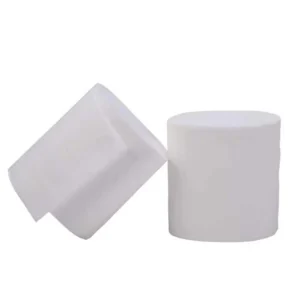
- Coreless toilet paper
- Smaller cardboard tubes
- Recycled cardboard cores
- Biodegradable tube materials
Coreless systems remove the tube completely. This reduces waste but requires special dispenser systems.
Tube Size Impacts Brand Positioning
The tube is also part of product branding.
Premium brands often design:
- Thick rolls
- Smooth edges
- Larger appearance
- Decorative embossing
Budget brands may focus more on:
- Shipping efficiency
- High sheet count
- Lower cardboard use
Both strategies depend heavily on core engineering.
The toilet paper tube may look simple, but it affects almost every part of product performance, cost control, logistics, and consumer experience.
Conclusion
The tube inside a toilet paper roll affects far more than most people expect. Core length, diameter, strength, and material all influence production, packaging, dispenser fit, and shipping efficiency. A better understanding of tube design helps buyers choose more reliable and cost-effective tissue products.