Skip to content
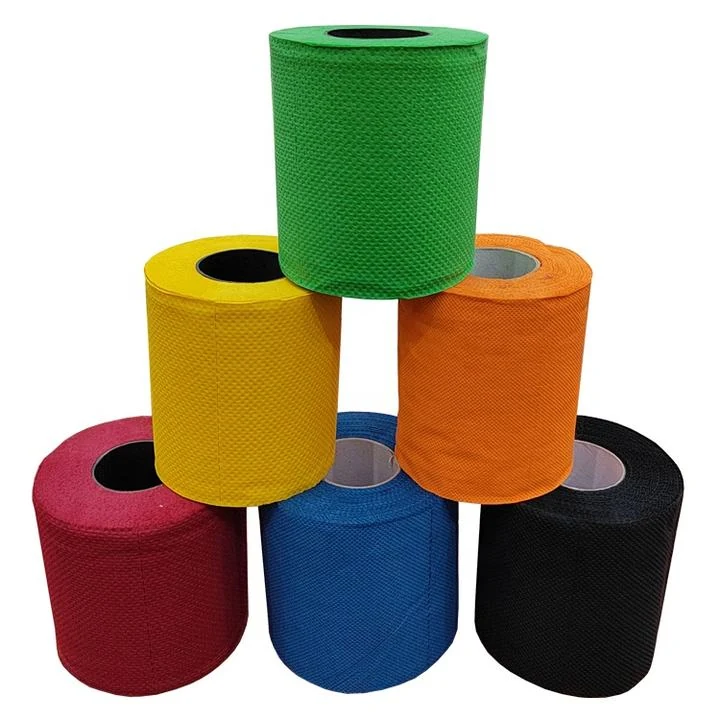
Toilet paper seems harmless in daily life, but many people do not realize how much waste it creates every year. Some products break down quickly, while others stay in water systems and landfills much longer than expected.
Biodegradable toilet paper can naturally break down in water, soil, or septic systems without leaving harmful waste behind. Most products made from natural pulp fibers decompose faster than paper treated with chemicals or plastic-based additives.
Many shoppers only look at softness or price when buying toilet paper. Still, the type of fiber, the production process, and the chemicals inside the paper all affect how safe it is for the environment. Understanding these differences helps buyers make better choices for homes, businesses, hotels, and public facilities.
What makes toilet paper biodegradable or not?
Many toilet papers look similar on store shelves, but their ability to decompose can be very different. Some products disappear quickly in water, while others stay intact for much longer.
Toilet paper becomes biodegradable when it is made from natural fibers and contains few or no synthetic chemicals. Bamboo pulp, virgin wood pulp, and recycled paper usually break down naturally under proper environmental conditions.
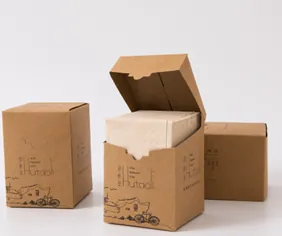
Biodegradability mainly depends on raw materials and manufacturing methods. Toilet paper made from natural plant fibers allows bacteria and microorganisms to break down the material over time. When moisture and oxygen are present, these fibers slowly return to the environment without creating long-term pollution.
Bamboo toilet paper often decomposes faster than standard wood pulp paper because bamboo fibers are shorter and softer. Recycled paper also breaks down well, although some recycled products contain printing ink, glue residue, or fillers that slow decomposition.
Some manufacturers improve softness or strength by adding chemicals. These additives may include fragrances, dyes, bleach, lotions, or wet-strength resins. Wet-strength chemicals are especially important because they make the paper resist water. While this improves durability during use, it also slows the natural breakdown process.
Common Factors That Affect Biodegradability
| Factor | Effect on Decomposition |
|---|---|
| Natural bamboo fibers | Break down quickly |
| Virgin wood pulp | Good biodegradability |
| Recycled fibers | Moderate to good decomposition |
| Wet-strength chemicals | Slow decomposition |
| Plastic coatings | Prevent biodegradation |
| Heavy perfumes or dyes | Reduce environmental safety |
The thickness of the paper also matters. Single-ply toilet paper usually dissolves faster than thick multi-ply products. Commercial jumbo rolls used in airports, hotels, and shopping centers often contain stronger fibers because they need higher durability. These products may not break down as quickly as household toilet paper.
Environmental conditions also affect decomposition speed. Warm, wet, and oxygen-rich environments support bacterial activity. In cold or dry areas, even biodegradable paper may take longer to disappear completely.
Some people assume that all paper products are biodegradable because they come from trees or plants. This is not always true. Additives and coatings can change how the product behaves after disposal. Buyers should look beyond marketing labels and check material details carefully.
Are all brands of toilet paper equally biodegradable?
Many toilet paper brands claim to be eco-friendly, but their products often perform very differently after disposal. Some dissolve in seconds, while others stay solid for much longer.
Not all toilet paper brands are equally biodegradable because manufacturers use different fibers, chemicals, and production methods. Product quality, softness, and durability often affect how quickly the paper decomposes.
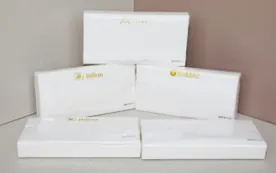
Different brands focus on different customer needs. Some companies prioritize softness because consumers prefer comfort. Others focus on strength, especially for commercial or industrial use. These goals directly influence biodegradability.
Soft premium toilet paper usually contains longer fibers and additional softening agents. These improvements create a luxurious feel but may reduce how quickly the paper breaks down in water. In contrast, many eco-focused brands avoid extra chemicals and use simpler fiber blends that decompose faster.
Comparison of Different Toilet Paper Types
| Product Type | Main Material | Breakdown Speed | Typical Usage |
|---|---|---|---|
| Bamboo toilet paper | Bamboo pulp | Fast | Eco-friendly households |
| Virgin pulp tissue | Wood pulp | Moderate | Standard home use |
| Recycled toilet paper | Recycled fibers | Moderate to fast | Sustainable buyers |
| Wet-strength commercial rolls | Mixed fibers + resins | Slow | Hotels and public areas |
| Scented premium tissue | Virgin pulp + additives | Slower | Luxury retail markets |
Commercial-grade products often contain wet-strength resins because businesses want toilet paper that lasts longer and reduces replacement frequency. Airports, shopping malls, restaurants, and hotels commonly use these stronger products. While practical for heavy use, they may create more stress on sewage systems.
Brand transparency is also important. Some companies clearly list ingredients, certifications, and fiber sources. Others use vague marketing terms like “green,” “natural,” or “eco-safe” without detailed proof. Reliable certifications such as FSC, PEFC, or compostability testing provide better assurance.
A simple home test can also reveal differences between products. Place a small amount of toilet paper in a glass jar filled with water and shake gently. Highly biodegradable paper will dissolve quickly into small fibers. Stronger products often remain in larger pieces.
Price does not always reflect environmental performance. Some expensive products focus mainly on softness and branding rather than sustainability. Meanwhile, certain affordable bamboo or recycled options may perform better for biodegradability.
Businesses that purchase large volumes should also evaluate container efficiency, packaging waste, and transportation impact. Large-scale buyers often balance environmental goals with cost control and storage requirements.
How to choose eco-friendly toilet paper?
Many buyers want environmentally friendly toilet paper but feel confused by labels and product claims. Some packaging sounds sustainable even when the product itself is not.
Eco-friendly toilet paper is usually made from bamboo, recycled fibers, or responsibly sourced virgin pulp with minimal chemical treatment. Products with trusted environmental certifications are often safer choices.
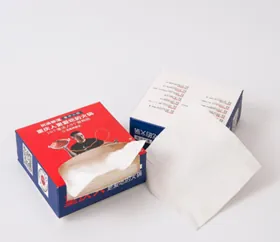
Choosing eco-friendly toilet paper starts with understanding the raw material. Bamboo has become very popular because it grows quickly and requires less water than traditional trees. Bamboo forests also regenerate naturally after harvesting, which reduces environmental damage.
Recycled paper is another strong option because it lowers demand for virgin wood pulp. Still, buyers should check whether the product contains heavy inks, dyes, or adhesive residues from recycled materials.
Unbleached toilet paper is often a safer environmental choice because chlorine bleaching can create harmful chemical byproducts during manufacturing. Natural brown or off-white paper may look less luxurious, but it usually requires fewer chemical treatments.
Important Things to Check Before Buying
| Feature | Why It Matters |
|---|---|
| Bamboo or recycled fibers | Lower environmental impact |
| FSC certification | Responsible forest management |
| No fragrance or dye | Fewer harmful chemicals |
| Plastic-free packaging | Reduces waste pollution |
| Septic-safe label | Faster dissolution |
| Lower ply count | Easier decomposition |
Packaging also deserves attention. Some toilet paper brands use large amounts of plastic wrapping. Others use recyclable paper packaging or biodegradable materials. Even if the paper itself is eco-friendly, excessive plastic packaging can reduce the environmental benefit.
Another important factor is production efficiency. Modern factories with automated systems often reduce energy waste and improve material usage. High-precision production also lowers defective output and minimizes unnecessary waste during manufacturing.
Large-scale buyers such as supermarkets, hotels, and wholesalers often need stable quality and consistent supply. In these cases, manufacturers with advanced production lines and strong quality control systems can provide more reliable long-term solutions.
Consumers should also avoid confusing biodegradable toilet paper with wet wipes. Many wipes contain plastic fibers even when marketed as flushable. These products create major sewage blockages worldwide.
Simple Tips for Buyers
- Choose bamboo or recycled pulp products
- Avoid heavy fragrance and color additives
- Look for septic-safe certification
- Prefer recyclable packaging
- Test how quickly the paper dissolves in water
- Buy from manufacturers with quality certifications
Eco-friendly toilet paper does not always need to feel rough or low quality. Modern production technology allows manufacturers to balance comfort, absorbency, and sustainability more effectively than before.
Is biodegradable toilet paper safe for septic tanks?
Many homeowners worry about clogged septic systems and expensive maintenance costs. Toilet paper choice plays a surprisingly important role in system performance.
Most biodegradable toilet papers are safe for septic tanks because they dissolve faster and support natural bacterial breakdown inside the system. Products without wet-strength chemicals usually perform best.
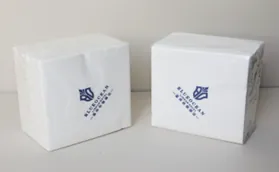
Septic systems rely on bacteria to break down organic waste. When toilet paper dissolves quickly, bacteria can process the material more efficiently. If paper remains solid for too long, sludge builds up faster and may cause blockages.
Biodegradable toilet paper made from bamboo or lightly processed virgin pulp often works well in septic systems. These fibers absorb water quickly and separate into small particles. This process reduces stress on septic tanks and drainage fields.
Problems usually appear when people use products designed for extra strength. Thick multi-ply tissues, heavily scented papers, and wet-strength commercial rolls often resist water longer. These products may accumulate inside pipes or tanks over time.
Septic-Safe Toilet Paper Features
| Feature | Septic Impact |
|---|---|
| Fast water dissolution | Reduces clogging risk |
| Natural plant fibers | Supports bacterial breakdown |
| No wet-strength resins | Improves decomposition |
| Single or double ply | Easier processing |
| Unscented paper | Less chemical disruption |
Even biodegradable paper should be used responsibly. Excessive amounts can still overload a septic system. Regular maintenance remains necessary regardless of paper type.
Many plumbers recommend performing a quick dissolve test before buying large quantities. A toilet paper that breaks apart quickly in water usually performs better inside septic systems.
Environmental conditions inside the septic tank also matter. Healthy bacterial populations require balanced moisture, oxygen flow, and waste levels. Harsh cleaning chemicals can damage these bacteria and reduce decomposition efficiency.
Hotels, office buildings, restaurants, and public facilities often face additional challenges because of heavy usage volume. In these environments, selecting toilet paper that balances strength and dissolvability becomes very important.
Flushable wipes should never replace septic-safe toilet paper. Despite marketing claims, many wipes contain synthetic fibers that remain intact for long periods. These products are responsible for many expensive plumbing repairs worldwide.
Choosing biodegradable toilet paper is one of the simplest ways to improve septic system performance while reducing environmental impact at the same time.
Conclusion
Biodegradable toilet paper helps reduce environmental waste and supports safer sewage and septic system performance. Buyers who understand fiber materials, chemical additives, and certifications can choose products that balance comfort, sustainability, and long-term reliability.