Skip to content
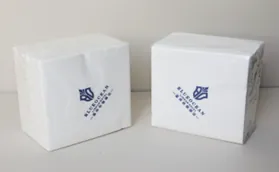
A toilet paper square looks simple, but the size can quietly affect cost, comfort, and how fast a roll disappears.
A square of toilet paper is usually about 4 inches long, though many brands now make sheets closer to 3.7 to 4.5 inches. The exact length depends on the brand, roll type, ply, and market.
That small difference may not look important at first. But when each roll has hundreds of sheets, sheet length can change how buyers compare value, quality, and daily usage.
Is square size standard across all brands?
A roll may look the same on the shelf, but sheet size can change from one brand to another without looking obvious.
Toilet paper square size is not fully standard across all brands. Many sheets are around 4 inches long, but brands may use smaller or larger sheet sizes based on cost, softness, roll count, and product positioning.

Why brands do not follow one exact size
Toilet paper looks like a simple product, but each brand makes many choices before the roll reaches the shelf. Sheet length is one of those choices. A common toilet paper square is close to 4 inches long, but that number is not a strict rule. Some brands make sheets slightly shorter. Some make them slightly longer. The change may be small, yet it affects how the roll feels and how long it lasts.
A brand may reduce sheet length to control cost while keeping the same roll diameter. A customer may see a full roll and think the value is the same. But the total paper area can be lower if each sheet is shorter or narrower. This is why sheet size matters in real buying decisions.
For wholesale buyers, sheet size is more than a detail. It affects carton planning, container loading, price comparison, and customer feedback. A buyer who only checks roll count may miss the real cost. The better way is to compare sheet size, sheet count, ply, roll weight, and material at the same time.
Common toilet paper sheet size ranges
| Product Type | Common Sheet Length | Common Use Case |
|---|---|---|
| Standard household roll | 3.7–4.5 inches | Daily home use |
| Jumbo roll toilet paper | Varies by dispenser | Commercial bathrooms |
| Premium soft toilet paper | Often near 4 inches | Retail and hotel use |
| Economy toilet paper | Often smaller | Price-sensitive markets |
The size is also linked to local market habits. Some markets prefer larger sheets because customers link size with value. Some markets accept smaller sheets if the price is better. In B2B orders, this point becomes very important. A supermarket buyer may care about shelf price. A hotel buyer may care about dispenser fit and daily use rate. A wholesaler may care about how many cartons fit into one container.
So, the real answer is simple: there is no single standard square size for all brands. The practical answer is to check the product specification sheet before comparing prices. A lower price may not mean better value if the sheet is smaller, the roll has fewer sheets, or the paper weight is lower.
How do you measure a toilet paper square?
Many people guess sheet size by looking at the roll, but visual checks can be misleading and costly.
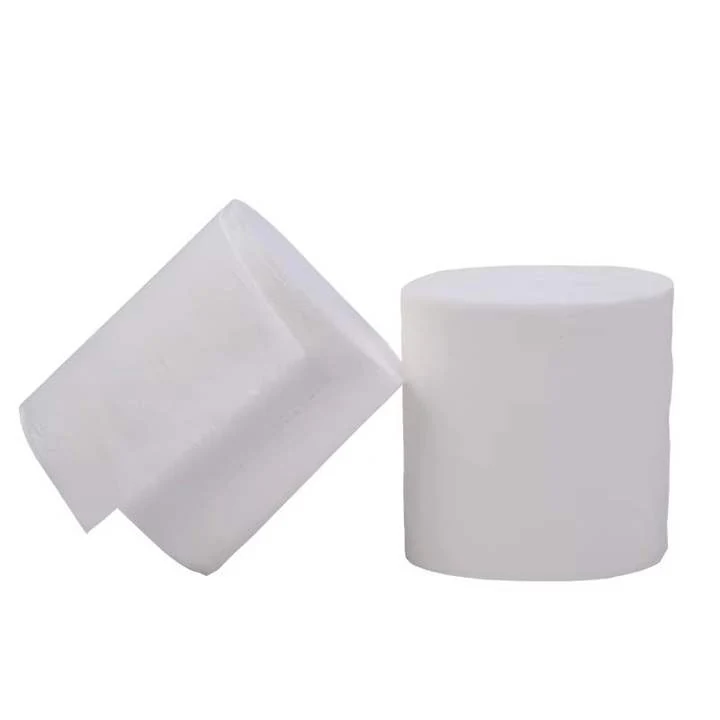
To measure a toilet paper square, tear off one sheet at the perforation, lay it flat, and measure from one perforated edge to the next. This gives the sheet length. Then measure across the sheet to get the width.
A simple measuring method
The best way to measure a toilet paper square is very direct. Tear one sheet carefully at the perforation. Place it on a flat table. Do not stretch the paper. Use a ruler or measuring tape. Measure the distance from one perforation line to the next. That number is the sheet length. Then measure from the left edge to the right edge. That number is the sheet width.
This method sounds basic, but it helps avoid many mistakes. Toilet paper can stretch a little. It can also curl when it comes off the roll. If the sheet is not flat, the result may be wrong. For a better result, measure several sheets from the same roll and take the average. This is useful when checking bulk orders.
What to record during measurement
| Measurement Item | Why It Matters |
|---|---|
| Sheet length | Shows the size of each square |
| Sheet width | Helps calculate total paper area |
| Sheets per roll | Shows how many uses one roll may provide |
| Roll weight | Helps compare material amount |
| Ply count | Affects thickness and absorbency |
A small ruler works for home checks. For factory checks or quality control, a more exact tool is better. Many buyers also check size tolerance. A normal tolerance may be small, but it still matters in large orders. When millions of sheets are produced, a small change can affect total paper area and cost.
Why measurement should not stop at length
Sheet length alone does not tell the full story. A sheet can be long but narrow. It can also be short but thick. This is why serious buyers compare sheet area, paper weight, ply, and softness together. A large sheet made with weak paper may not perform well. A smaller sheet made with stronger paper may give better use.
In daily life, most users do not measure toilet paper. They judge it by feel, softness, and how fast the roll runs out. But for importers, wholesalers, hotels, supermarkets, and public facilities, measurement is a business tool. It protects margin and helps avoid unclear product comparisons.
When checking a sample, the best habit is to measure at least five sheets. Then compare the result with the supplier’s specification. If the number is far from the written value, ask for an explanation before placing a large order.
Does square length vary with ply type?
A thicker sheet often feels larger in use, but the actual length may tell a different story.
Square length can vary with ply type, but ply does not directly control length. Brands may choose different sheet sizes for 1-ply, 2-ply, or 3-ply toilet paper because each type has different cost, thickness, softness, and usage goals.

Ply changes how the sheet feels
Ply means the number of paper layers in one sheet. A 1-ply sheet has one layer. A 2-ply sheet has two layers. A 3-ply sheet has three layers. More ply usually means more thickness and better softness. But it also means more paper material is used in each sheet.
Because of this, brands often adjust sheet size based on ply. A 3-ply sheet may not need to be very large because it already feels thick and strong. A 1-ply sheet may need a different sheet count or length to match customer expectations. But there is no rule that says 2-ply must have one exact length or 3-ply must have another.
This is why buyers should not assume that thicker paper means bigger sheets. It may only mean more layers. The sheet could even be shorter than a thinner option. The roll may also look full because thicker paper increases roll diameter faster.
The hidden trade-off between ply and sheet size
A brand has to balance several things at once. It must control cost. It must keep the roll attractive. It must give users enough comfort. It must also match the target price. If the product is sold in a price-sensitive market, the brand may choose smaller sheets with acceptable thickness. If the product is sold as premium paper, the brand may use better pulp, more softness, and a larger or more stable sheet size.
This trade-off matters in wholesale buying. A buyer may compare two rolls:
- Roll A has 2-ply paper and larger sheets.
- Roll B has 3-ply paper and smaller sheets.
At first, Roll B may look more premium. But Roll A may offer more total paper area. The better choice depends on the market. For hotels, comfort may be more important. For high-traffic public bathrooms, cost per use may matter more. For retail shelves, the package claim must match what customers feel after purchase.
Why ply and length should be checked together
When evaluating toilet paper, sheet length should be checked together with ply, GSM, sheet count, roll weight, and material. GSM means grams per square meter. It helps show how heavy the paper is. A sheet with higher GSM may feel stronger even when it is not larger.
The practical lesson is clear. Ply type can influence square length, but it does not decide it alone. A good product design uses the right balance. The best sheet is not always the largest one. It is the sheet that gives the right comfort, strength, cost, and roll life for the target users.
Why does sheet size affect usage perception?
A smaller sheet can make people pull more paper, even when the roll looks full at first.
Sheet size affects usage perception because users judge value by how many sheets they need each time. Smaller sheets may feel less enough, so users often pull more. Larger sheets may feel more generous, even if the roll has fewer sheets.

People judge value by use, not by numbers
Most users do not think in inches. They do not calculate paper area. They judge toilet paper by simple feelings. Does one pull feel enough? Does the sheet tear cleanly? Does the paper feel soft? Does the roll run out too fast? These feelings shape usage perception.
A smaller sheet can change behavior. When users feel that one sheet is not enough, they pull more sheets. That can make the roll disappear faster. Then they may think the product is poor value, even if the package shows a high sheet count. This is one reason why sheet size is a key part of product design.
A larger sheet can create the opposite feeling. Users may feel that the paper is more generous. They may use fewer sheets each time. But larger sheets can also increase product cost. They may reduce the number of sheets per roll if the roll size stays the same. So the product must match the customer’s habit.
Usage perception in different markets
In some markets, customers value large rolls and high sheet count. In other markets, they focus more on softness and thickness. Some commercial buyers care most about cost per use. A public restroom, hotel, school, airport, or office building may need stable supply and controlled usage. If the sheet size is too small, users may pull more paper. If the sheet is too large, waste may increase.
For retail buyers, perception can affect repeat orders. A customer may buy a pack once because the price looks good. But if the roll runs out too fast, the customer may not buy it again. This is why packaging claims should be supported by real product performance.
How sheet size connects to trust
Sheet size also affects trust. When the roll looks large but the sheets are smaller, customers may feel misled. This is a serious risk for brands. A small change in sheet size can be accepted if the product is clearly positioned as economy grade. But if the product is sold as premium, customers expect better comfort and stable size.
For B2B buyers, clear specifications help reduce disputes. A good product sheet should include sheet length, sheet width, ply, sheet count, roll weight, material, embossing, packing method, and carton details. These details make price comparison fair. They also help the buyer explain the product to their own customers.
In real use, sheet size does not work alone. It works together with softness, strength, absorbency, and roll design. But sheet size is one of the first things users feel. That is why it has a strong effect on how people judge value.
Conclusion
A toilet paper square is usually around 4 inches long, but the size is not fixed. Brands adjust sheet length for cost, comfort, ply, and market needs. The safest way to compare value is to check size, ply, sheet count, weight, and real usage together.