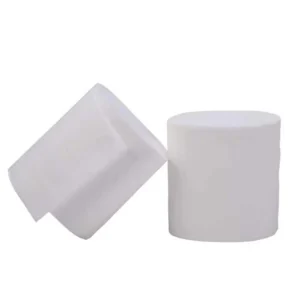
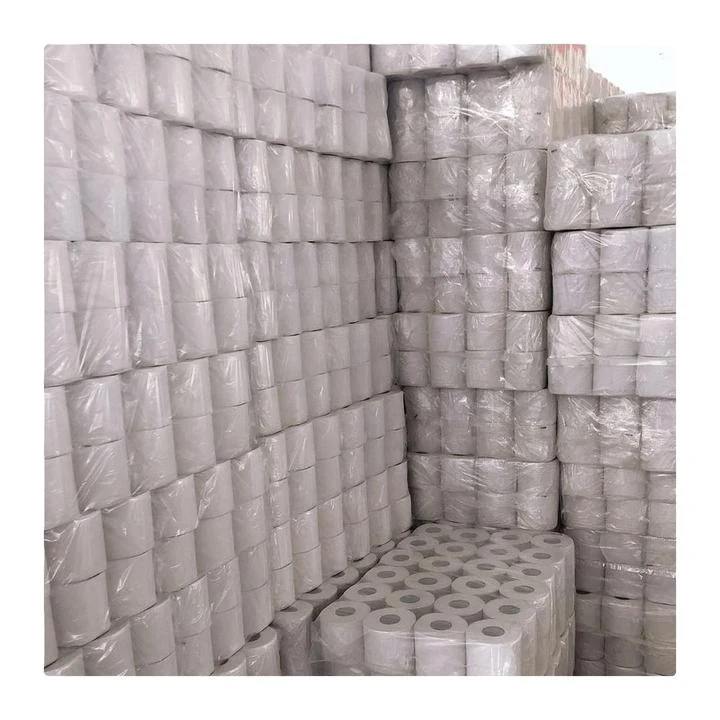
Many people buy toilet paper without knowing how long each roll will actually last. Some rolls look large but run out quickly, while others seem smaller but contain far more usable sheets.
Most toilet paper rolls contain between 150 and 500 squares, depending on the brand, ply, roll size, and product type. Standard household rolls often have 200–300 squares, while jumbo commercial rolls can contain over 1000 squares.
Understanding square count helps consumers compare products more accurately. It also helps wholesalers, supermarkets, hotels, and importers make better purchasing decisions based on long-term value instead of packaging appearance alone.
Is Square Count Labeled on Packaging?

Many consumers feel confused when different toilet paper brands use terms like “mega roll” or “double roll.” These labels sound impressive, but they do not always explain how much paper is actually inside the package.
Yes, many toilet paper brands print the square count on the packaging. The number usually appears near the product specifications, together with roll size, ply count, and total paper length.
Most major brands include sheet count because buyers increasingly compare value before making a purchase. Still, the placement and wording can vary between manufacturers.
Common Terms Used on Packaging
Some brands use the word “sheets,” while others use “squares.” In most cases, both terms mean the same thing.
Here are some common examples:
| Packaging Label | Meaning |
|---|---|
| 200 Sheets Per Roll | The roll contains 200 perforated squares |
| Double Roll | Usually equal to two standard rolls |
| Mega Roll | A larger roll with more sheets |
| 2-Ply | Each sheet contains two paper layers |
| Total Square Feet | Total surface area of paper |
Many consumers focus only on the number of rolls in a package. However, experienced buyers often compare sheet count first because it gives a clearer idea of the real product quantity.
Why Some Packaging Can Be Misleading
Some manufacturers design thicker-looking rolls by using deep embossing or looser winding methods. The roll appears larger, but the actual sheet count may be lower.
This issue becomes common in highly competitive retail markets where brands fight for shelf attention. A bulky roll may attract consumers visually, even if it contains fewer usable squares.
In some low-cost markets, packaging may not clearly display square count at all. Buyers then rely only on price or package size, which can lead to poor purchasing decisions.
Commercial Packaging Usually Shows More Details
Commercial toilet paper products often provide more technical information because business buyers need accurate specifications.
Hotels, offices, airports, and restaurants usually compare:
- Sheet count
- Roll diameter
- Ply count
- Roll length
- Core size
- Paper weight
Wholesale buyers also check these details carefully because they affect shipping efficiency, storage space, and long-term operating costs.
Why Clear Labeling Builds Trust
Clear labeling improves customer confidence. When consumers understand exactly what they are buying, they are more likely to trust the brand and purchase again.
Several supermarket chains now request large and visible sheet-count printing on private-label products because it helps customers compare products quickly.
For importers and distributors, transparent packaging also reduces customer complaints. Buyers can compare products fairly without relying only on marketing terms.
Do Square Counts Differ Between Brands?
Many shoppers assume all toilet paper rolls contain similar amounts of paper. In reality, sheet counts can vary greatly depending on the manufacturer, product category, and market positioning.
Yes, square counts differ significantly between toilet paper brands. Standard rolls may contain 150–300 squares, while mega rolls, premium rolls, and jumbo commercial rolls can contain far more.
Different brands target different customer needs. Some focus on low pricing, while others focus on softness, durability, or longer usage time.
Typical Square Count Ranges
The following table shows common sheet-count ranges for different roll types:
| Roll Type | Average Square Count |
|---|---|
| Standard Household Roll | 150–300 squares |
| Double Roll | 300–500 squares |
| Mega Roll | 500–800 squares |
| Jumbo Commercial Roll | 1000+ squares |
These numbers are not universal standards. One company’s “mega roll” may contain fewer sheets than another company’s regular roll.
Ply Count Changes the Roll Structure
Ply count affects both comfort and sheet quantity.
For example:
- 1-ply tissue uses one paper layer
- 2-ply tissue uses two layers
- 3-ply tissue uses three layers
Higher-ply products usually feel softer and stronger. However, they also consume more raw material per sheet. Because of this, premium soft tissue often contains fewer sheets than economy products.
Manufacturers must balance:
- Softness
- Durability
- Absorbency
- Sheet quantity
- Production cost
This balance changes based on the target market.
Regional Preferences Also Matter
Different regions have different buying habits.
In many African wholesale markets, buyers often prefer:
- Larger rolls
- Higher grammage
- Longer-lasting products
- Better container-loading efficiency
In North America and Europe, many consumers focus more on:
- Softness
- Eco-friendly materials
- Sustainable packaging
- Premium household comfort
Because of these differences, factories often customize square counts for different export markets.
Why Consumers Should Compare Sheet Count
A lower package price does not always mean better value.
For example:
- A cheap roll with 150 sheets may run out quickly
- A slightly more expensive roll with 400 sheets may last much longer
Smart buyers often compare:
- Cost per roll
- Cost per 100 sheets
- Roll longevity
- Overall product quality
This creates a more accurate comparison between products.
Why Wholesale Buyers Pay Attention to Sheet Count
For wholesalers and importers, small differences in square count become very important when ordering full containers.
Higher sheet counts can improve:
- Customer satisfaction
- Retail competitiveness
- Repeat purchases
- Inventory efficiency
Many professional buyers request detailed product specifications before placing large orders because they understand how sheet count affects long-term profitability.
How to Calculate Total Square Count of a Roll?
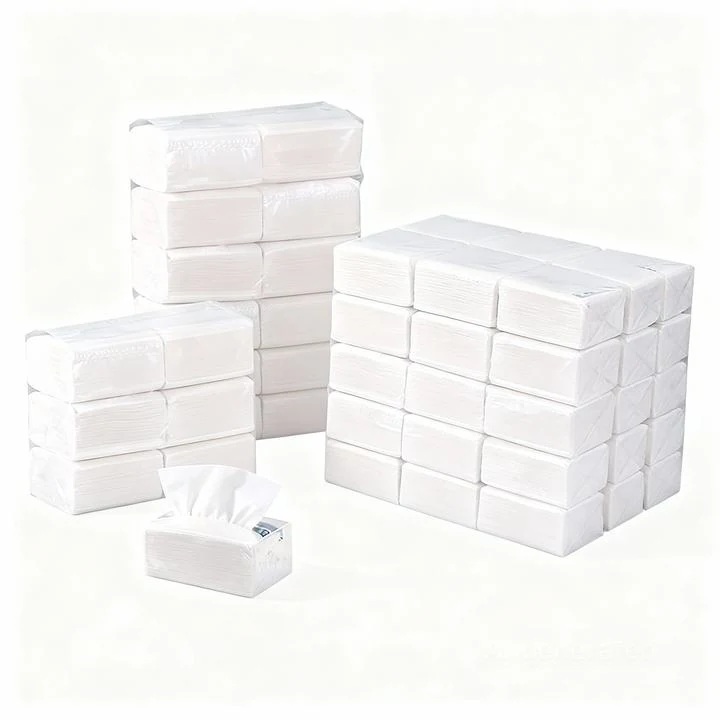
Many people see toilet paper roll dimensions but still do not know how many usable sheets the roll contains. Learning basic calculation methods helps buyers compare products more accurately.
To calculate total square count, divide the total roll length by the length of each individual sheet. Most manufacturers use perforation lines to separate each square clearly.
Basic Calculation Formula
The common formula looks like this:
[
\text{Total Squares} = \frac{\text{Total Roll Length}}{\text{Length of One Sheet}}
]
For example:
- Total roll length = 60 meters
- Sheet length = 12 centimeters
First convert meters into centimeters:
- 60 meters = 6000 centimeters
Then divide:
- 6000 ÷ 12 = 500 sheets
This means the roll contains approximately 500 squares.
Example Calculation Table
| Roll Length | Sheet Length | Estimated Square Count |
|---|---|---|
| 30 meters | 10 cm | 300 squares |
| 60 meters | 12 cm | 500 squares |
| 100 meters | 10 cm | 1000 squares |
This method works for both household rolls and jumbo commercial rolls.
Why Roll Size Alone Can Be Misleading
Many consumers estimate quantity by looking only at roll diameter. This often creates inaccurate assumptions because several factors affect the roll appearance.
Embossing Adds Volume
Deep embossing creates air pockets between paper layers. This makes the roll look larger without adding more sheets.
Core Size Changes Roll Shape
Commercial jumbo rolls often use larger cardboard cores. A larger core increases roll diameter but reduces actual paper quantity.
Winding Density Matters
Some rolls are wound tightly, while others are wound loosely.
A tightly wound roll usually contains:
- More sheets
- Higher density
- Better storage efficiency
A loosely wound roll may appear larger but contain fewer usable squares.
Why Factories Measure Multiple Specifications
Professional manufacturers monitor several production factors to maintain product consistency.
These factors include:
- Roll diameter
- Core diameter
- Sheet length
- Sheet width
- Ply count
- Grammage
Quality control teams also test:
- Absorbency
- Tensile strength
- Moisture resistance
- Size tolerance
These inspections help ensure stable quality across large production batches.
Why Accurate Square Count Matters for Wholesale Orders
For wholesalers and distributors, sheet count directly affects:
- Shipping costs
- Retail pricing
- Consumer satisfaction
- Inventory turnover
- Container loading efficiency
Even small changes in sheet quantity can create major differences across large-volume shipments.
Some buyers have experienced problems after sourcing low-cost products with reduced sheet counts. Consumers noticed the rolls finished much faster than expected, which damaged customer trust and reduced repeat purchases.
This is why experienced importers study detailed product specifications carefully before placing orders.
Why Does Square Count Matter to Consumers?
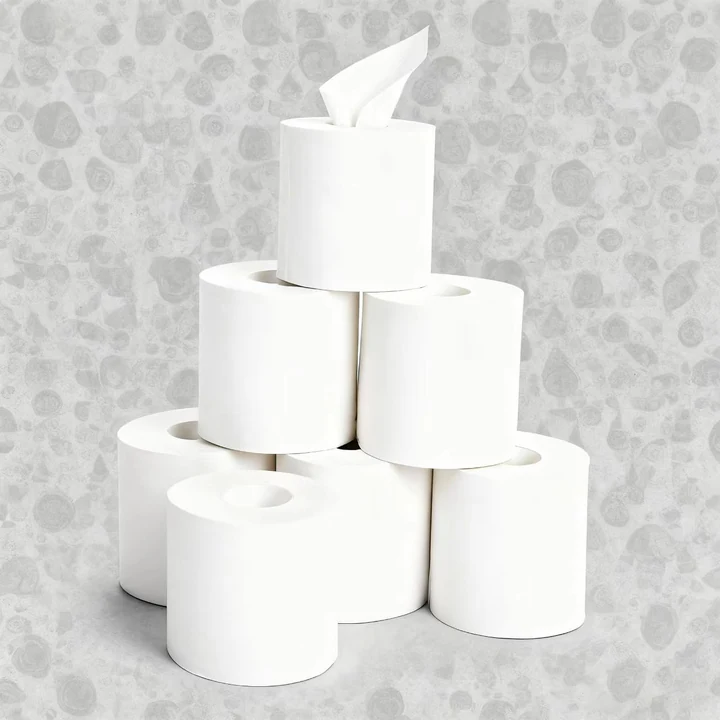
Many people only look at package price when buying toilet paper. However, this approach often leads to poor value because lower-priced products may contain far fewer sheets.
Square count matters because it helps consumers measure product value, usage time, convenience, and long-term cost efficiency. Higher sheet counts often provide better overall value.
Consumers today compare products more carefully because household expenses continue to rise.
Better Price Comparison
Square count helps buyers calculate the true value of a product.
Here is a simple comparison:
| Product | Price | Sheet Count | Cost Per 100 Sheets |
|---|---|---|---|
| Brand A | $2.00 | 200 | $1.00 |
| Brand B | $3.00 | 500 | $0.60 |
Although Brand B costs more initially, it offers a lower cost per sheet.
This creates better long-term savings.
Fewer Roll Replacements
Higher square counts also reduce replacement frequency.
This becomes especially important in:
- Hotels
- Restaurants
- Offices
- Airports
- Schools
- Shopping malls
Longer-lasting rolls help reduce labor costs because staff spend less time replacing empty rolls.
Consumer Psychology Plays a Role
Many buyers associate larger rolls with:
- Better value
- Higher quality
- Smarter spending
This influences buying behavior strongly.
At the same time, manufacturers must balance size and convenience. Extremely large rolls may not fit standard toilet paper holders.
Because of this, product design requires careful planning.
Sustainability Concerns Continue to Grow
Many consumers now prefer products that reduce packaging waste and improve resource efficiency.
Larger rolls can help reduce:
- Plastic packaging usage
- Transportation frequency
- Storage waste
Eco-conscious buyers also increasingly look for:
- Recycled paper
- Bamboo pulp
- FSC-certified materials
- Sustainable packaging
This trend continues growing across many international markets.
Why Businesses Focus on Sheet Count
Commercial buyers care about square count because it affects:
- Operating costs
- Consumer satisfaction
- Product competitiveness
- Inventory planning
For large distributors and importers, even small differences become important when purchasing full-container quantities.
A well-balanced square count can improve:
- Shelf appeal
- Customer loyalty
- Repeat orders
- Brand reputation
This is one reason why professional paper manufacturers invest heavily in automated production systems and strict quality control procedures.
Conclusion
Square count is one of the most important details when comparing toilet paper products. It helps consumers understand product value, compare brands fairly, and make smarter buying decisions based on real usage instead of packaging appearance alone.