Many buyers see different toilet paper options and feel unsure about which one fits their needs. Choosing the wrong type can affect costs, customer satisfaction, and waste management.
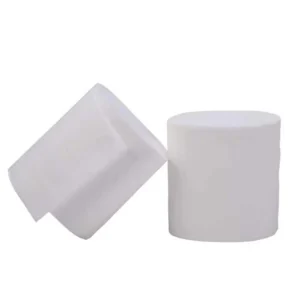
1-ply toilet paper is made from a single layer of paper in each sheet. It is commonly used in commercial buildings, public restrooms, hotels, schools, and high-traffic facilities because it is cost-effective, dissolves quickly, and reduces the risk of plumbing problems.
Many people focus only on softness when comparing toilet paper. Yet factors such as cost, environmental impact, durability, and drainability often matter just as much. Understanding how 1-ply toilet paper performs in real-world situations can help wholesalers, distributors, and facility managers make better purchasing decisions.
How Does 1-Ply Differ From 2-Ply Toilet Paper?
Many buyers assume that thicker toilet paper is always better. That idea can create unnecessary costs, especially in commercial environments where efficiency matters.
The main difference between 1-ply and 2-ply toilet paper is the number of paper layers in each sheet. 1-ply uses one layer, while 2-ply combines two layers for greater softness, thickness, and strength.
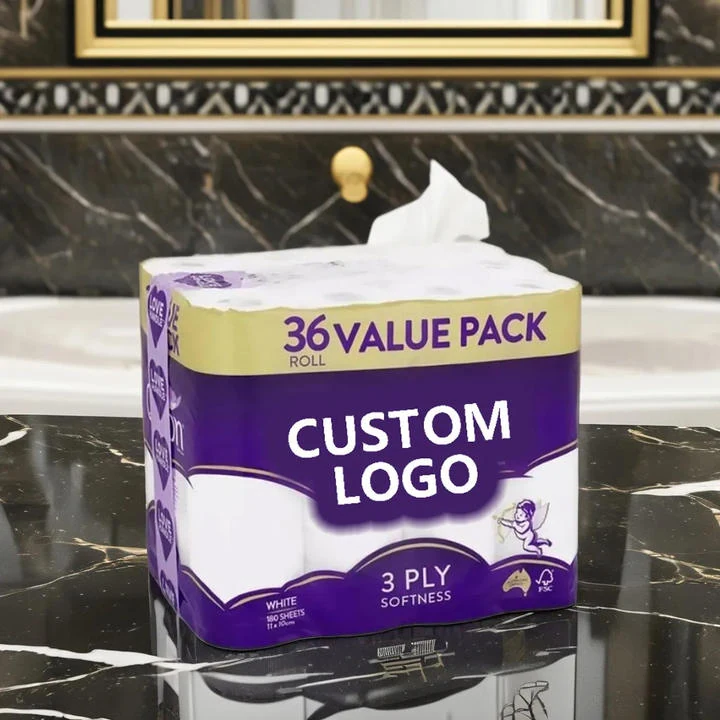
When discussing toilet paper quality, the term "ply" refers to the number of paper layers bonded together. A 1-ply sheet contains a single layer. A 2-ply sheet contains two layers attached together.
Basic Structure Comparison
| Feature | 1-Ply Toilet Paper | 2-Ply Toilet Paper |
|---|---|---|
| Layers | One | Two |
| Thickness | Thinner | Thicker |
| Softness | Moderate | Higher |
| Strength | Lower | Higher |
| Cost | Lower | Higher |
| Drainability | Better | Moderate |
A common misconception is that 1-ply toilet paper is always poor quality. In reality, modern manufacturing technology allows manufacturers to produce strong and absorbent single-ply products. The quality depends not only on the number of layers but also on the raw material, embossing pattern, and production process.
Why Commercial Facilities Prefer 1-Ply
Many public facilities choose 1-ply products because they help control operating costs. Large venues such as airports, schools, shopping centers, and office buildings consume huge amounts of toilet paper every day.
A thinner sheet often encourages more controlled usage. At the same time, the lower unit cost helps reduce spending across thousands of restroom visits.
Why Some Consumers Prefer 2-Ply
Residential users often prioritize comfort. A thicker sheet feels softer and stronger in the hand. This perception of luxury explains why many households choose 2-ply products.
However, higher comfort usually comes with higher material consumption. Two layers require more fiber during production. The rolls may also cost more per unit.
Choosing the Right Option
The best choice depends on the application.
1-Ply Works Well For:
- Schools
- Airports
- Hospitals
- Public restrooms
- Restaurants
- Office buildings
- Hotels with high guest turnover
2-Ply Works Well For:
- Luxury hotels
- Premium residential markets
- High-end hospitality venues
- Executive office facilities
From a business perspective, many large-scale buyers focus on the balance between cost, performance, and plumbing safety. For those reasons, 1-ply remains one of the most widely used toilet paper types around the world.
Is 1-Ply Toilet Paper More Eco-Friendly?
Many businesses want to reduce their environmental footprint. At the same time, they must maintain product quality and keep costs under control.
In many cases, 1-ply toilet paper can be more eco-friendly because it uses less fiber per sheet, requires fewer raw materials during production, and often breaks down more easily after disposal.
Environmental impact depends on several factors. These include raw materials, manufacturing methods, transportation, packaging, and disposal.
Less Material Per Sheet
The most obvious environmental advantage comes from material usage.
A single-ply sheet requires less paper fiber than a double-ply sheet. This means manufacturers can produce more sheets from the same amount of pulp.
As a result:
- Fewer trees may be required when virgin pulp is used.
- Less bamboo pulp is needed when bamboo products are produced.
- Recycled fiber resources can be stretched further.
Lower Transportation Impact
Weight affects transportation emissions.
Because 1-ply toilet paper is lighter, more rolls can often fit into a shipping container. This increases loading efficiency and reduces transportation costs per unit.
For importers and wholesalers, container optimization can create both economic and environmental benefits.
Raw Material Options Matter
The environmental profile of a toilet paper product is not determined solely by its ply count.
Several materials are commonly used:
| Material | Environmental Characteristics |
|---|---|
| Virgin Wood Pulp | Strong and soft but uses fresh timber resources |
| Recycled Paper | Reduces waste and conserves resources |
| Bamboo Pulp | Fast-growing renewable source |
| Mixed Fiber | Balances performance and sustainability |
A high-quality bamboo 1-ply product may have a smaller environmental footprint than a standard virgin-pulp 2-ply product.
Wastewater System Benefits
After use, toilet paper enters wastewater treatment systems.
Because 1-ply products generally contain less fiber mass per sheet, they may place less burden on plumbing and sewage infrastructure.
This becomes particularly important in older buildings and regions with limited wastewater treatment capacity.
Looking Beyond Marketing Claims
Some manufacturers advertise products as "green" without explaining the details.
When evaluating environmental performance, buyers should examine:
- FSC certification
- Recycled content percentage
- Manufacturing efficiency
- Packaging materials
- Transportation efficiency
- Product biodegradability
A practical sustainability strategy often combines responsibly sourced raw materials with efficient product design. In many commercial settings, 1-ply toilet paper supports that balance by reducing material consumption while maintaining acceptable performance.
Does 1-Ply Toilet Paper Break Down Faster?
Many property managers worry about clogged pipes, blocked septic systems, and expensive maintenance work. Toilet paper performance inside plumbing systems can have a major impact on these costs.
Yes, 1-ply toilet paper generally breaks down faster than thicker toilet paper because it contains fewer layers and less material, allowing it to disperse more quickly in water.
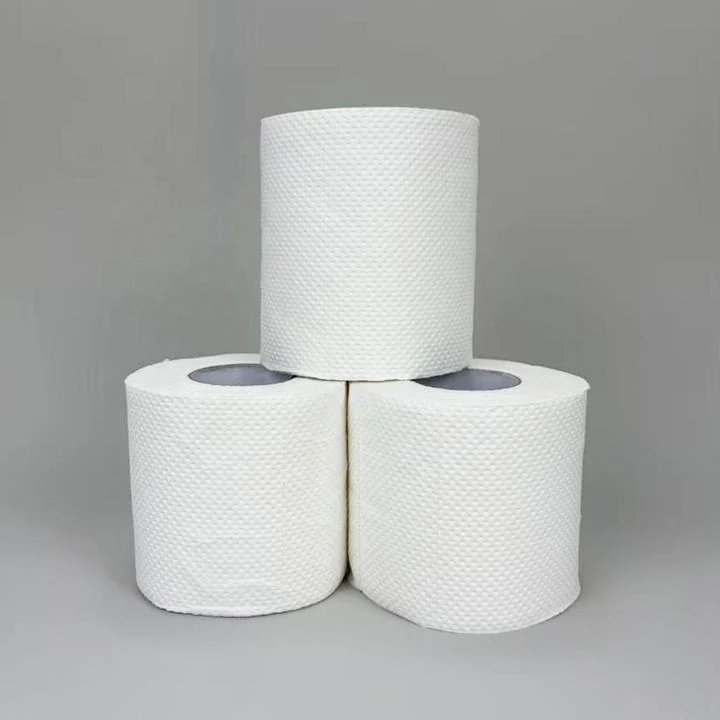
One reason many commercial facilities continue to purchase 1-ply products is their excellent drainability.
What Happens After Flushing?
Once flushed, toilet paper begins absorbing water.
As the paper becomes saturated, the fibers separate from each other. The speed of this process depends on several factors:
- Fiber type
- Sheet thickness
- Embossing pattern
- Manufacturing process
- Water movement
Since 1-ply sheets contain only one layer, water penetrates the sheet more quickly.
Comparison of Breakdown Performance
| Factor | 1-Ply | 2-Ply |
|---|---|---|
| Water Penetration | Fast | Moderate |
| Fiber Separation | Fast | Slower |
| Septic Compatibility | Good | Moderate |
| Drainability | Excellent | Good |
| Clog Risk | Lower | Higher |
Why This Matters in Commercial Buildings
Large facilities can process thousands of restroom visits every day.
Small differences in paper breakdown rates become significant over time.
Facility managers often select 1-ply products because they help:
- Reduce plumbing service calls
- Minimize drain blockages
- Lower maintenance expenses
- Improve septic system performance
Septic System Considerations
Homes and buildings that rely on septic systems often benefit from toilet paper that disperses quickly.
When paper remains intact for longer periods, solids can accumulate more rapidly inside septic tanks.
Faster-dissolving products can support more efficient waste processing.
Not All 1-Ply Products Perform the Same
The assumption that every 1-ply product breaks down quickly is not always correct.
Manufacturing quality plays a major role.
Factors that influence breakdown performance include:
Fiber Length
Shorter fibers generally disperse faster.
Wet Strength Additives
Some additives improve durability but may slow decomposition.
Embossing Design
Embossing patterns can affect water absorption and sheet separation.
Real-World Purchasing Decisions
Many institutional buyers prioritize plumbing safety over luxury feel.
In schools, airports, stadiums, and government buildings, maintenance costs often exceed toilet paper purchase costs over time.
A slightly cheaper product that causes plumbing issues can become far more expensive than a premium product that performs reliably.
For this reason, drainability testing remains an important part of toilet paper evaluation. Many buyers specifically request products that balance user satisfaction with rapid breakdown performance.
Is 1-Ply Toilet Paper Cheaper Than Others?
Every buyer wants to control costs without sacrificing quality. This is especially important for wholesalers, facility managers, and distributors handling large purchase volumes.
Yes, 1-ply toilet paper is usually cheaper than 2-ply and premium multi-ply alternatives because it uses less raw material and requires fewer resources during production.
Price remains one of the strongest reasons for the continued popularity of 1-ply products.
Why Production Costs Are Lower
Manufacturing costs are heavily influenced by raw material consumption.
A single-ply sheet requires less fiber than a double-ply sheet.
This reduction affects several cost areas:
- Pulp consumption
- Production energy
- Transportation weight
- Storage requirements
The savings can become substantial when production reaches millions of rolls.
Cost Comparison Overview
| Cost Factor | 1-Ply | 2-Ply | 3-Ply |
|---|---|---|---|
| Raw Material Usage | Low | Medium | High |
| Manufacturing Cost | Low | Medium | High |
| Transportation Cost | Low | Medium | High |
| Retail Price | Low | Medium | High |
| Commercial Popularity | Very High | High | Low |
Looking Beyond Unit Price
Experienced buyers rarely evaluate toilet paper based only on roll price.
Instead, they examine total operating cost.
Important factors include:
Usage Rate
Some users may take more sheets of 1-ply paper.
Plumbing Costs
Faster breakdown can reduce maintenance expenses.
Storage Efficiency
Lighter products may reduce warehousing costs.
Shipping Efficiency
More rolls can often fit into a container.
A Common Example
One importer shared a situation where two toilet paper options appeared similar in price.
The 2-ply product seemed attractive because of its softness. However, after reviewing container loading data, the buyer discovered that significantly fewer rolls could fit into each shipment.
The lower loading efficiency increased freight cost per roll. After calculating the full landed cost, the 1-ply option became the more profitable choice.
Best Applications for Cost-Conscious Buyers
1-ply toilet paper is often the preferred option for:
- Wholesalers
- Supermarket chains
- Government procurement
- Educational institutions
- Hospitals
- Public facilities
- Property management companies
In these environments, purchasing decisions focus on value rather than luxury.
A well-made 1-ply product can deliver reliable performance, efficient distribution, and significant cost savings across large-scale operations.
Conclusion
1-ply toilet paper consists of a single paper layer that offers practical advantages in cost, sustainability, plumbing safety, and large-scale usage. While it may not match the softness of multi-ply alternatives, it remains a smart and efficient choice for many commercial, institutional, and high-traffic environments.