Skip to content
Many people install toilet paper without thinking about it. Yet a simple mistake can make daily use less comfortable, less hygienic, and more frustrating than necessary.
The most widely accepted method is to place toilet paper so the loose end hangs over the top of the roll. This position is easier to grab, more hygienic, and is even supported by the original toilet paper patent illustration.
Most people only notice toilet paper placement when they encounter a roll installed differently. What seems like a small detail can affect convenience, cleanliness, and user experience. Understanding the reasons behind different loading methods helps create a better experience at home, in offices, hotels, and public facilities.
Should Toilet Paper Hang Over or Under the Roll?
Many households have ongoing debates about toilet paper orientation. Some people feel strongly about the issue, while others simply load the roll whichever way seems convenient at the moment.
In most situations, toilet paper should hang over the top of the roll. This method allows easier access, improves hygiene, and makes the loose end more visible.
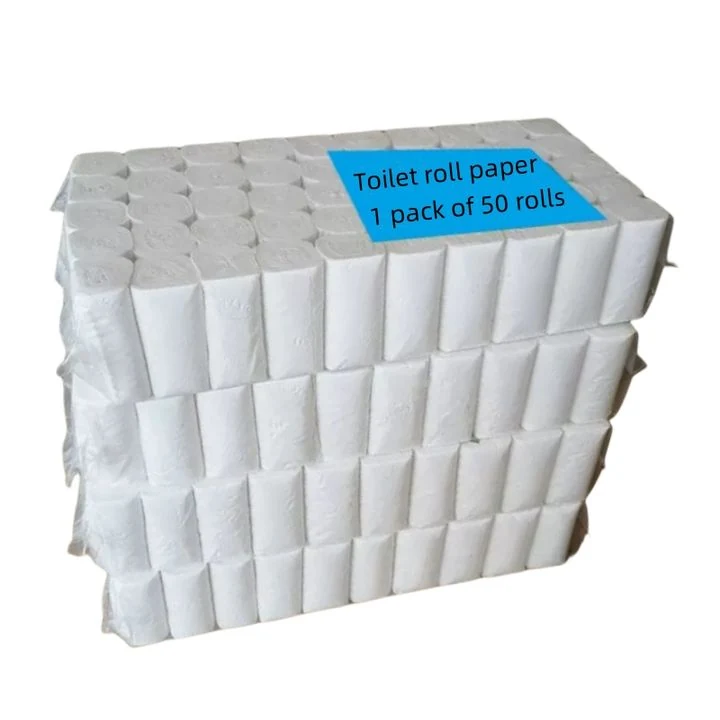
The "over" method means the loose sheet hangs in front of the roll. The "under" method means the loose sheet hangs behind the roll, close to the wall.
Comparing the Two Methods
| Feature | Over Method | Under Method |
|---|---|---|
| Easy to find the end | Yes | Less convenient |
| Hygiene | Better | Lower |
| User preference | More common | Less common |
| Suitable for public areas | Yes | Rarely |
| Appearance | Neat and visible | Hidden appearance |
Why Most People Prefer the Over Method
The over position offers a clear practical benefit. Users can immediately see where the paper starts. They do not need to search behind the roll. This saves time and reduces frustration.
The over method also limits hand contact with surrounding surfaces. A user can grab the paper directly without touching the wall or holder. This can help improve hygiene, especially in shared bathrooms.
Many hotels, restaurants, office buildings, and commercial facilities use the over method because it creates a cleaner presentation. Staff can quickly verify that the roll is loaded correctly during inspections.
Historical Support for the Over Method
A famous point often mentioned in discussions is the original toilet paper patent from the late nineteenth century. The patent illustration showed paper hanging over the top of the roll. While that does not make it a legal requirement, many people view it as evidence of the inventor's intended design.
Situations Where Under May Work
The under method still has supporters. Some families with curious pets or small children choose this position because it may reduce accidental unraveling.
For example, a cat may find it harder to pull the paper continuously when the loose end hangs close to the wall. Parents sometimes use the same approach if young children enjoy spinning the roll.
Still, these situations are exceptions rather than the norm. In most homes and commercial settings, the over method remains the preferred choice because it combines convenience, visibility, and cleanliness.
Is There a Preferred Method for Loading Toilet Paper?
Many people assume there is no right or wrong way to install toilet paper. In reality, facility managers, cleaning teams, hotels, and property operators often follow specific standards.
The preferred method is usually to place the paper so it hangs over the front of the roll, ensuring easier access, better presentation, and improved user satisfaction.
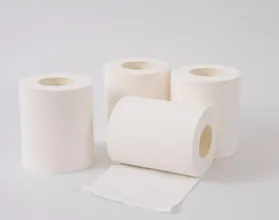
Loading toilet paper may seem simple, but consistency matters. When every bathroom follows the same method, users know what to expect.
Why Consistency Matters
In commercial environments, consistency helps create a professional appearance. A bathroom with properly loaded toilet paper looks organized and maintained.
Consider the following environments:
| Location | Preferred Loading Style | Main Reason |
|---|---|---|
| Hotels | Over | Guest convenience |
| Restaurants | Over | Clean appearance |
| Offices | Over | Easy access |
| Hospitals | Over | Hygiene considerations |
| Homes | Personal preference | Comfort |
A standardized approach also helps cleaning staff. Employees do not need to decide each time they replace a roll. They simply follow company guidelines.
User Experience Plays a Big Role
People interact with toilet paper multiple times every day. Small inconveniences become noticeable when repeated frequently.
When paper hangs over the front:
- The loose end is easy to identify.
- Less searching is required.
- Less paper is wasted.
- Users experience fewer interruptions.
These advantages may appear minor individually, but together they improve the overall experience.
Impact on Commercial Facilities
Large facilities serve hundreds or thousands of visitors each day. Even a small improvement in usability can reduce complaints and improve customer perception.
During a visit to a busy public facility, I noticed that maintenance teams often check restroom details carefully. Mirrors are cleaned, dispensers are filled, and toilet paper is positioned consistently. These small details help create a positive impression.
The Role of Presentation
Bathrooms influence how customers view a business. Clean and organized restrooms signal attention to detail.
A properly installed toilet paper roll contributes to that image. The paper appears tidy, accessible, and ready for use. While customers may not consciously praise correct placement, they often notice when something feels inconvenient or neglected.
Because of these practical benefits, the over method remains the preferred loading style in most professional environments around the world.
Do Toilet Paper Holders Affect Loading Method?
Not all toilet paper holders are designed the same way. The holder itself can influence how users install and access the roll.
Yes, toilet paper holder design can affect loading method. Some holders work best with over placement, while certain enclosed dispensers or specialty holders may limit orientation options.
The type of holder often determines how much flexibility users have when installing a roll.
Common Holder Types
The most common holder designs include:
Open Arm Holders
These holders allow the roll to slide onto an open-ended arm.
Advantages:
- Fast replacement
- Easy maintenance
- Flexible orientation
These are common in residential bathrooms.
Spring-Loaded Holders
These use a removable spindle with spring tension.
Advantages:
- Secure roll placement
- Widely available
- Compatible with most roll sizes
Users can choose either over or under orientation.
Recessed Holders
These holders are built into the wall.
Advantages:
- Space saving
- Clean appearance
The recessed position sometimes makes over placement more convenient because users can reach the paper more easily.
Commercial Dispensers
Large commercial facilities often use enclosed dispensers.
Advantages:
- Theft prevention
- Reduced maintenance
- High capacity
Some dispensers automatically guide paper through a specific opening, effectively determining the orientation.
Holder Design and User Behavior
Human behavior often follows the easiest path. If a holder naturally presents paper toward the front, most users will continue loading it that way.
When paper is harder to reach, people may use more force when pulling sheets. This can increase tearing problems and reduce user satisfaction.
Jumbo Roll Systems
Commercial restrooms frequently use jumbo roll systems because they reduce refill frequency.
These systems often feature:
| Feature | Benefit |
|---|---|
| Large capacity | Fewer replacements |
| Protective cover | Cleaner storage |
| Controlled dispensing | Reduced waste |
| Durable design | Longer service life |
In these systems, the dispenser largely controls paper direction. Staff simply load the roll according to manufacturer instructions.
Accessibility Considerations
Accessibility is another important factor. People with limited hand strength or mobility benefit from a holder that presents paper clearly and requires minimal effort to use.
Many modern restroom designs focus on reducing unnecessary movements. Proper holder placement and roll orientation work together to support that goal.
While holder design may not completely determine orientation, it certainly influences convenience, maintenance efficiency, and overall user experience.
Can Wrong Placement Cause Issues with Usage?
Toilet paper placement may seem insignificant, but improper installation can create several practical problems.
Yes, incorrect toilet paper placement can lead to inconvenience, hygiene concerns, wasted paper, and reduced user satisfaction, especially in shared or commercial environments.
The effects are usually not dramatic, but they become noticeable over time.
Difficulty Finding the Paper End
One of the most common issues occurs when users cannot quickly locate the loose end.
This problem can result in:
- Extra time spent searching
- Increased frustration
- Unnecessary touching of the roll
- Accidental tearing
In busy environments, these small delays can affect many people throughout the day.
Hygiene Concerns
When paper hangs behind the roll, users often touch nearby surfaces while searching for the edge.
This may include:
- Walls
- Holder brackets
- Dispenser covers
More contact points can increase the transfer of dirt and bacteria in shared facilities.
Increased Paper Waste
Poor placement sometimes causes uneven tearing.
When users pull awkwardly:
- Multiple sheets may come loose.
- The roll may spin excessively.
- Paper may tear before reaching the desired length.
Over time, this can increase consumption rates.
User Perception
Bathrooms contribute to overall customer experience.
Consider how people judge a facility:
| Bathroom Detail | User Impression |
|---|---|
| Clean surfaces | Professional |
| Full supplies | Well maintained |
| Easy paper access | Convenient |
| Consistent setup | Organized |
| Poor placement | Neglected |
Even when users cannot identify the exact reason, they often notice when a restroom feels inconvenient.
Effects in Commercial Settings
Commercial facilities face greater consequences because of higher traffic.
A poorly positioned roll can lead to:
- More complaints
- Faster paper consumption
- Increased maintenance calls
- Lower customer satisfaction
Facility managers often standardize procedures to avoid these issues.
Small Details Create Better Experiences
Many operational improvements come from paying attention to details that people use every day.
A properly loaded toilet paper roll:
- Improves convenience
- Supports hygiene
- Reduces waste
- Creates a cleaner appearance
These benefits may seem small in isolation, but they add up over months and years of daily use.
The result is a smoother experience for both users and maintenance teams.
Conclusion
The best way to install toilet paper is usually with the paper hanging over the front of the roll. This method improves visibility, convenience, hygiene, and presentation. While holder design and personal preference can influence placement, the over orientation remains the most practical choice for most homes and commercial environments.