
Many people use toilet paper every day, yet few stop to ask where it comes from or how it became a common household product.
Modern toilet paper has roots in ancient hygiene practices, but the first commercially produced toilet paper was introduced in the United States during the 19th century. Today, toilet paper is manufactured worldwide using wood pulp, recycled paper, and bamboo pulp, with production taking place in both local and international markets.
The story of toilet paper is much more interesting than most people expect. Its history stretches across different cultures, industries, and technologies. Understanding where toilet paper comes from helps explain how a simple daily product became a global necessity.
Which Country Invented Modern Toilet Paper?
Many people assume toilet paper has always existed in its current form. The truth is very different. Before modern toilet paper appeared, people around the world used many different materials for personal hygiene. These included leaves, cloth, wool, water, paper scraps, and even natural materials found nearby.
Modern commercial toilet paper was invented in the United States. Joseph Gayetty introduced packaged toilet paper in 1857, creating the first product specifically made and sold for personal hygiene.

The history of toilet paper starts much earlier than the nineteenth century. Historical records show that paper was used for hygiene purposes in ancient China many centuries ago. Wealthy families and members of the imperial court had access to specially prepared paper products. This makes China one of the earliest known users of paper for personal cleaning.
Early Hygiene Methods Around the World
Different regions developed their own solutions based on available resources.
| Region | Common Material Used |
|---|---|
| Ancient China | Paper |
| Ancient Rome | Sponge on a stick |
| Medieval Europe | Cloth and wool |
| Rural Communities | Leaves and grass |
| Coastal Areas | Water and shells |
These methods worked for their time, but none created a standardized consumer product.
The Birth of Commercial Toilet Paper
Joseph Gayetty changed the industry when he introduced packaged sheets marketed specifically for toilet use. His product was known as "Gayetty's Medicated Paper." It was sold in flat sheets rather than rolls.
Later, manufacturers improved the concept by producing toilet paper in rolls. This innovation made storage easier and increased convenience. During the late nineteenth century, rolled toilet paper became more popular in homes and businesses.
Why the United States Led the Change
Several factors helped the United States develop modern toilet paper:
- Growing paper manufacturing capacity
- Rising urban populations
- Better distribution networks
- Increased awareness of hygiene
- Expanding consumer markets
As industrial production expanded, toilet paper moved from a specialty item to a common household necessity. This shift laid the foundation for the global industry that exists today.
Where Is Most Toilet Paper Manufactured Today?
Many consumers assume toilet paper comes from only a few countries. In reality, production is spread across many regions because toilet paper is bulky and costly to transport over long distances.
Most toilet paper today is manufactured in large consumer markets such as China, the United States, Europe, and other regions with strong paper industries and reliable access to raw materials.

Modern toilet paper production depends on several factors. Manufacturers need stable supplies of pulp, efficient machinery, energy, water, and transportation infrastructure. Countries with strong manufacturing sectors often become major producers.
Major Toilet Paper Producing Regions
China is one of the world's largest producers of tissue products. The country has extensive paper manufacturing capacity and serves both domestic and international markets.
The United States also ranks among the largest producers. Large tissue manufacturers operate advanced facilities that supply supermarkets, hotels, restaurants, and commercial customers.
Europe remains another major production center. Countries such as Germany, Italy, and Sweden have long histories in paper manufacturing and tissue production.
Key Factors Behind Production Locations
| Factor | Impact on Manufacturing |
|---|---|
| Pulp Supply | Ensures raw material availability |
| Energy Access | Supports large-scale production |
| Transportation | Reduces delivery costs |
| Labor and Technology | Improves efficiency |
| Market Demand | Supports long-term investment |
The Rise of Specialized Manufacturers
Over the last two decades, many specialized tissue manufacturers have entered global markets. These companies focus on private-label products, OEM production, and custom packaging solutions.
Large importers and wholesalers often source products directly from factories that can customize:
- Roll size
- Paper weight
- Embossing patterns
- Packaging design
- Brand printing
This flexibility allows businesses to create unique products for local markets while maintaining competitive pricing.
Regional Demand Drives Production
Toilet paper consumption differs across countries. Developed markets often use premium products with multiple plies and soft textures. Emerging markets may focus more on value products and larger roll formats.
As demand grows, manufacturers continue expanding production capacity closer to customers. This helps reduce logistics costs and ensures stable supply chains.
Is Toilet Paper Made Locally or Imported?
Consumers often wonder whether the toilet paper they buy comes from nearby factories or from overseas suppliers. The answer depends on the country, market size, and supply chain structure.
Toilet paper can be both locally manufactured and imported. Many countries produce their own tissue products, while others import finished goods or jumbo rolls for local converting and packaging.
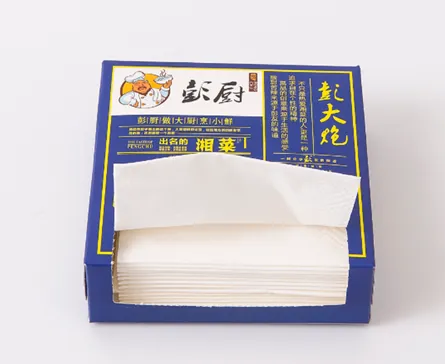
The toilet paper supply chain is more complex than it appears. Several production stages can occur in different countries before the finished product reaches store shelves.
Local Manufacturing Advantages
Local production offers several benefits:
- Faster delivery
- Lower transportation costs
- Better inventory control
- Easier quality inspections
- Faster response to market demand
Large consumer markets often support local factories because demand is high enough to justify investment in production facilities.
Why Countries Import Toilet Paper
Not every country has sufficient pulp resources or tissue manufacturing capacity. Some nations rely on imports to meet growing demand.
Importing can also provide access to:
- Lower production costs
- Premium quality products
- Specialized packaging
- Private-label manufacturing
- Custom branded products
Different Import Models
The tissue industry commonly uses three sourcing models.
Finished Product Imports
Retailers purchase ready-to-sell toilet paper from overseas factories.
Jumbo Roll Imports
Large paper rolls are imported and converted into consumer-sized products locally.
Hybrid Supply Chains
Some companies combine local manufacturing with imported materials to balance cost and flexibility.
The Impact of Global Trade
Global trade has significantly changed the tissue paper industry. Modern logistics allow products to move efficiently between continents. Importers can compare suppliers across multiple countries and choose factories that best meet their requirements.
For wholesalers, supermarkets, and distributors, sourcing decisions often depend on:
| Purchasing Factor | Importance |
|---|---|
| Product Quality | Very High |
| Price Stability | Very High |
| Lead Time | High |
| Packaging Options | High |
| Supply Reliability | Very High |
As a result, many markets today use a mix of local production and imported products to maintain consistent availability.
How Has Toilet Paper Production Evolved?
The toilet paper industry has changed dramatically over the past century. Early products were simple, rough, and produced with limited technology. Modern toilet paper is softer, stronger, and manufactured with highly automated systems.
Toilet paper production has evolved from basic paper sheet manufacturing into a highly automated industry that uses advanced machinery, quality control systems, and sustainable raw materials.
The earliest commercial toilet paper products were relatively basic. Manufacturers focused primarily on availability rather than comfort. Production methods were labor-intensive, and quality varied significantly.
From Manual Production to Automation
As industrial technology improved, manufacturers introduced automated machines capable of producing larger volumes with greater consistency.
Modern production lines can perform multiple tasks:
- Pulp processing
- Sheet formation
- Drying
- Embossing
- Perforating
- Rewinding
- Packaging
Automation improves both efficiency and product quality.
Improvements in Raw Materials
The industry has expanded beyond traditional wood pulp.
Today manufacturers commonly use:
| Raw Material | Key Benefit |
|---|---|
| Virgin Wood Pulp | Softness and strength |
| Recycled Paper | Environmental benefits |
| Bamboo Pulp | Fast renewable source |
| Mixed Fiber Blends | Cost and performance balance |
This diversification helps manufacturers meet different customer preferences and sustainability goals.
Growing Focus on Sustainability
Environmental concerns have become a major driver of innovation. Consumers increasingly look for products made from renewable or recycled materials.
Manufacturers now invest in:
- Water-saving technologies
- Energy-efficient equipment
- Sustainable forestry programs
- Recycled fiber processing
- Reduced packaging waste
These efforts help lower environmental impact while maintaining product performance.
Quality Standards Continue to Improve
Modern consumers expect consistent quality. Manufacturers therefore use advanced testing methods throughout production.
Common quality checks include:
- Absorbency testing
- Strength testing
- Roll size verification
- Weight consistency checks
- Packaging inspections
Digital monitoring systems allow factories to identify issues quickly and maintain product standards.
The Future of Toilet Paper Manufacturing
The next phase of industry development will likely focus on sustainability, automation, and customization. Smart manufacturing systems continue to improve production efficiency. New fiber sources may reduce dependence on traditional raw materials.
At the same time, private-label and custom-branded products are becoming more important. Retailers and distributors increasingly seek unique products that differentiate them from competitors.
The industry that began with simple paper sheets has transformed into a sophisticated global manufacturing network serving billions of consumers every day.
Conclusion
Toilet paper originated from centuries of evolving hygiene practices, while modern commercial toilet paper was first introduced in the United States. Today, production takes place worldwide through a combination of local manufacturing and international trade, supported by advanced technology, diverse raw materials, and growing sustainability efforts.