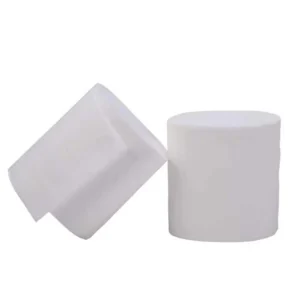
Toilet paper touches sensitive skin many times each day. If the paper is rough, scented, or full of extra additives, daily wiping may become uncomfortable.
Gynecologists do not usually recommend bamboo toilet paper as a specific medical requirement. They generally favor soft, unscented, dye-free toilet paper that creates little friction. Bamboo toilet paper can meet these needs when it is well made and does not contain irritating fragrances or unnecessary additives.
The word “bamboo” alone cannot tell us whether toilet paper is good for intimate care. The raw material matters, but softness, texture, additives, manufacturing quality, and personal sensitivity matter too. We need to look at the finished paper rather than depend only on the material printed on the package.
Is Bamboo Toilet Paper Safe For Sensitive Skin?
Sensitive skin can react to products that other people use without any problem. Rough paper, fragrance, repeated wiping, and extra ingredients may all make intimate skin feel dry or uncomfortable.
Bamboo toilet paper can be safe for sensitive skin when it is soft, unscented, dye-free, and made under good quality controls. Bamboo fiber itself does not guarantee that a product is hypoallergenic, so users and buyers should also check its texture, additives, processing, and overall manufacturing quality.
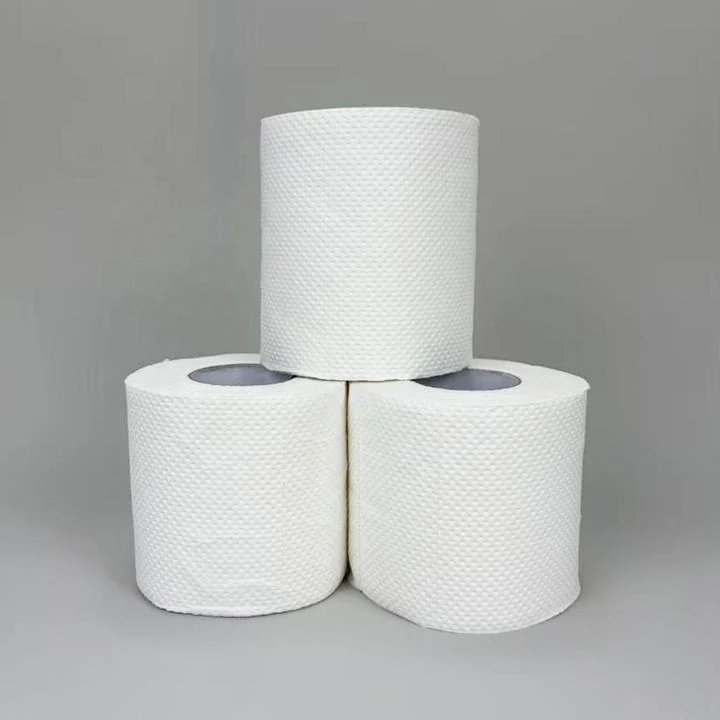
Bamboo Fiber Is Only One Part of the Product
Many people see “bamboo toilet paper” and immediately focus on bamboo as the main reason to buy it. That makes sense because bamboo is a plant-based fiber and has become common in household paper products. Still, sensitive-skin comfort depends on much more than the source of the pulp.
A finished toilet roll goes through several production steps. The manufacturer prepares the pulp, forms the paper, dries it, embosses it, combines the plies, cuts the rolls, and packs them. Depending on the product, the manufacturer may also use bleaching agents, printing inks, fragrances, lotions, dyes, or other materials.
Each of these choices can change the final user experience.
For sensitive areas, I pay special attention to surface softness. A natural raw material does not automatically create a soft finished sheet. Poor processing can still produce paper that feels stiff or rough. Good production can create bamboo tissue that feels smooth and flexible.
Paper strength also matters. Weak toilet paper can break during use, so a person may need more sheets and more wiping. Very stiff paper creates a different problem because it can increase friction. A good toilet paper needs a useful balance between softness and strength.
What Should Sensitive-Skin Buyers Check?
The following factors give a better picture than the word “bamboo” by itself.
| Fonctionnalité | What to Look For | Pourquoi est-ce important ? |
|---|---|---|
| Parfum | Papier non parfumé | Fragrance may bother sensitive skin |
| Couleur | No unnecessary dyes | Extra coloring is not needed for cleaning |
| Texture | Soft and smooth surface | A smoother surface can reduce friction |
| Additifs | Simple formulation | Fewer unnecessary ingredients simplify skin contact |
| Force | Strong but flexible sheets | Paper should resist tearing without feeling stiff |
| Contrôle qualité | Consistent paper and surface | Stable production helps avoid rough batches |
Sensitive Skin Is Different for Every Person
No toilet paper can be described as perfect for every sensitive-skin user.
One person may use bamboo toilet paper every day without discomfort. Another person may notice irritation after changing products. That difference does not automatically mean bamboo fiber caused the problem. Fragrance, lotion, rough embossing, frequent wiping, or another ingredient may be responsible.
This is also important for wholesalers and private-label buyers. A buyer should not select a toilet paper only because the supplier writes “bamboo” or “natural” on the specification sheet. Samples should be checked for softness, dust, strength, smell, surface feel, and consistency before a large order is placed.
The supplier should also be able to explain the raw material and production process. Clear information about ply count, paper weight, sheet size, additives, pulp composition, and quality inspection gives a buyer much more useful information.
If someone has ongoing itching, pain, sores, unusual discharge, or serious irritation, changing toilet paper should not be treated as medical care. Toilet paper can affect comfort, but many conditions can cause these symptoms. A medical professional can help identify the actual cause.
Can Bamboo Toilet Paper Cause Irritation?
Irritation can be difficult to understand because several factors may appear at the same time. A person may blame bamboo immediately even when fragrance, rough wiping, moisture, or another product is causing the problem.
Yes, bamboo toilet paper can cause irritation in some people, just as toilet paper made from other fibers can. The problem is not always bamboo itself. Rough texture, fragrance, dyes, lotions, manufacturing residues, repeated wiping, and individual skin sensitivity may all contribute to discomfort.
Irritation Does Not Automatically Mean a Bamboo Allergy
When discomfort starts soon after someone changes toilet paper, the new product is an obvious thing to question. Still, the timing does not prove that bamboo fiber caused the reaction.
Intimate skin is sensitive. Toilet paper also creates direct physical contact every time it is used. If a paper is coarse, a person may use more pressure while wiping. That repeated friction can leave the skin feeling sore, dry, or irritated.
This problem is not unique to bamboo. It can happen with virgin wood pulp, recycled fiber, bamboo pulp, or blends.
Fragrance is another factor that deserves attention. Some manufacturers add scent because customers may connect fragrance with freshness. But fragrance is not required for toilet paper to clean properly. For users with sensitive skin, it adds another substance that comes into contact with the body.
Dyes and lotions create similar questions. They can serve a marketing or comfort purpose, but they are not essential for basic toilet paper performance. A simple product can therefore be a practical choice for people who already know their skin is sensitive.
Paper Dust and Surface Quality Matter
Paper dust is another issue that buyers sometimes overlook.
Some tissue releases more lint or loose fibers than expected. A small amount of fiber release does not automatically mean the product is unsafe. Still, heavy dust can create a poor user experience.
It can also point to differences in pulp quality, fiber bonding, converting settings, or production control.
This is one reason I would always test samples before choosing toilet paper for a private-label project. The sample should be opened and used instead of being judged only by its packaging.
Buyers can rub the sheet lightly, test its strength, check how easily the perforation tears, look for visible lint, and compare several rolls from the same batch. A single attractive sample does not tell us whether mass production will stay consistent.
The Way Toilet Paper Is Used Also Matters
A good product can still become uncomfortable when wiping is too aggressive.
Frequent wiping increases friction. This can happen during menstruation, diarrhea, frequent urination, or other situations where a person uses the bathroom more often than normal. Moisture and tight clothing may add more discomfort.
The full situation therefore matters.
If irritation begins after changing toilet paper, stopping the new product can help identify whether it is involved. A simple, unscented toilet paper that was comfortable before may provide a useful comparison.
Persistent or serious symptoms need a different response. Swelling, sores, bleeding, unusual discharge, strong pain, or irritation that does not improve should be discussed with a qualified healthcare professional rather than managed only by changing tissue products.
For commercial buyers, the same issue points back to quality control. Price per roll is important, but a very low price means little if the tissue is rough, dusty, weak, or inconsistent. Product performance must remain stable across large orders.
What Toilet Paper Do Gynecologists Recommend?
Toilet paper packages use many claims, including ultra-soft, natural, eco-friendly, premium, lotion-treated, bamboo, recycled, and hypoallergenic. These words can make a simple buying decision surprisingly confusing.
Gynecologists generally favor simple toilet paper that is soft, unscented, dye-free, and gentle during wiping rather than one specific brand or fiber. The goal is to reduce friction and avoid unnecessary ingredients. Bamboo toilet paper can be a suitable choice when the finished product meets these basic conditions.
There Is No Single Gynecologist-Approved Fiber
It helps to separate general intimate-care advice from marketing.
Gynecologists do not normally tell every patient that bamboo fiber is medically better than virgin wood pulp or recycled fiber. Different products made from the same fiber can also have very different textures and formulations.
The finished product matters more.
A toilet paper for intimate use should feel soft against the skin. It should also have enough strength to work without breaking apart too easily. At the same time, it should not be so stiff that wiping creates unnecessary friction.
Fragrance is a good example of why simple products can make sense. A scented roll may stand out on a supermarket shelf. Some consumers may also like the smell. But intimate skin does not need perfume to become clean.
For sensitive consumers, fragrance can simply become another variable.
The same principle applies to decorative colors and heavy printing. These features can serve certain markets, but they are not needed for normal intimate cleaning.
How Do Common Toilet Paper Materials Compare?
The raw material can affect the paper, but it should never be the only buying factor.
| Type de papier toilette | Possible Advantage | Possible Concern | Personal-Care Focus |
|---|---|---|---|
| Papier toilette en bambou | Can offer softness and useful strength | Quality varies between manufacturers | Choose smooth, unscented products |
| Virgin wood-pulp paper | Often provides stable softness | Fiber sourcing can vary | Check additives and sourcing |
| Papier toilette recyclé | Uses recovered fiber | Some grades may feel rougher | Check softness and dust |
| Scented toilet paper | May have retail appeal | Fragrance may bother sensitive users | Usually unnecessary for intimate care |
| Lotion-treated toilet paper | Can feel smooth | Extra ingredients may not suit everyone | Check formulation carefully |
Finished Product Quality Matters More Than Marketing Words
Imagine two toilet paper rolls.
The first product uses bamboo pulp. It has a rough surface, weak ply bonding, heavy paper dust, and added perfume.
The second product uses well-controlled pulp. It is smooth, unscented, strong enough for normal use, and consistent from roll to roll.
Calling the first product “bamboo” does not automatically make it the better personal-care choice.
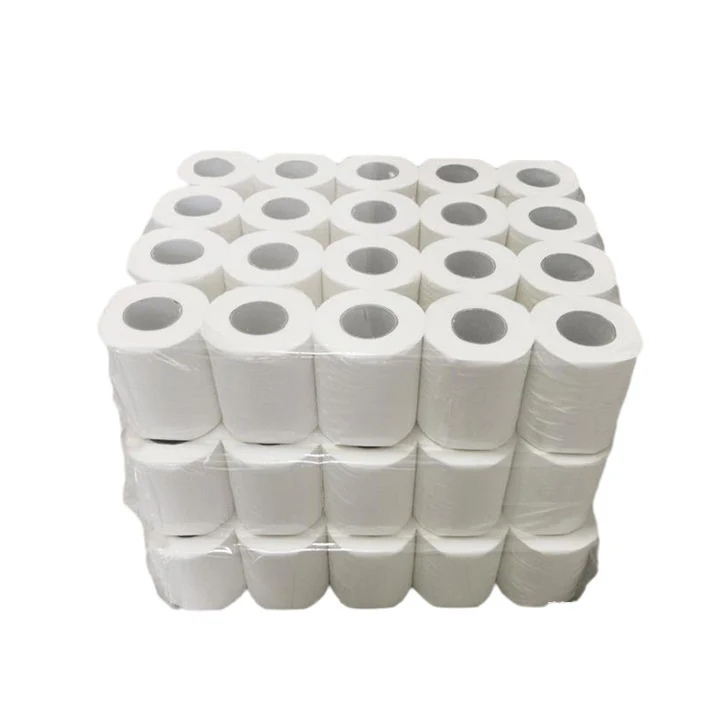
This distinction becomes even more important in B2B purchasing. Retailers, wholesalers, hotels, and private-label brands are not buying only raw fiber. They are buying a complete product that customers will touch several times each day.
I would therefore ask for technical specifications before placing a large order. Useful information includes basis weight, ply count, sheet dimensions, roll length, core diameter, tensile strength, absorbency, pulp composition, embossing style, and packaging.
Quality consistency is just as important.
A sample may feel excellent, but the factory must reproduce that quality during mass production. Buyers should ask how the manufacturer controls raw materials and how finished rolls are inspected. They should also check whether specifications remain within agreed tolerances.
Wiping behavior matters as well. Even very soft toilet paper can create discomfort if a person wipes aggressively. Gentle wiping and a simple, comfortable paper often matter more than searching for one supposedly perfect fiber.
So when someone asks what toilet paper gynecologists recommend, I would focus on the characteristics of the finished tissue: soft, unscented, simple, smooth, and comfortable.
Is Bamboo Toilet Paper Better For Personal Care?
“Better” can mean several things. One product may be softer. Another may be stronger. Another may use a different fiber source. None of these features alone proves that a toilet paper is better for every person's intimate care.
Bamboo toilet paper can be a good personal-care option because well-made bamboo tissue can combine softness, strength, and absorbency. However, it is not automatically healthier than other toilet paper. Surface texture, fragrance, additives, production quality, and individual sensitivity remain more important than the bamboo label alone.
Bamboo Can Provide a Useful Balance
Bamboo fiber has properties that make it useful for household tissue manufacturing. With proper processing, bamboo pulp can be made into toilet paper that combines strength with a soft surface.
That balance matters in personal care.
Very weak toilet paper may break during normal wiping. A person may then use additional sheets or wipe repeatedly. This can increase contact with sensitive skin.
Strength alone is not enough, though.
A strong sheet that feels stiff can create more friction. Manufacturers therefore need to balance tensile strength with softness and flexibility. Fiber preparation, basis weight, embossing, ply structure, and converting settings can all change the final feel.
Absorbency also affects performance. Toilet paper needs to handle moisture while keeping enough structure for normal use. A well-made bamboo tissue can perform well here, but bamboo is not the only material capable of doing this.
Manufacturing skill still makes the difference.
“Natural” Does Not Mean “Irritation-Free”
This is an important point for both consumers and private-label brands.
Bamboo comes from a plant, so marketers often connect it with words such as “natural” and “green.” Those descriptions can relate to material choice or sourcing, but they should not be turned into medical promises.
Natural materials can still cause problems for some people. More importantly, the finished bamboo tissue is not simply a piece of raw bamboo. The fiber has been processed into pulp and then converted into paper. Other substances may also be used during manufacturing.
For that reason, specific product information is more useful than broad claims.
A brand can tell customers that a product is unscented when that statement is true. It can clearly state the fiber composition. It can explain whether dyes or lotions are added. It can also provide relevant sourcing or quality certifications when they apply.
These claims give buyers something clear to evaluate.
Claims such as “safe for everyone” or “prevents irritation” are much harder to support and should be avoided without strong evidence.
Personal Care Includes the Full User Experience
Personal care is not only about the raw material touching the skin.
The entire product affects the experience.
A roll with poor perforation can be frustrating to tear. Weak tissue may fall apart during use. Excessive lint can make the product feel cheap. A very rough embossing pattern can reduce comfort even if the base paper is soft.
Packaging also matters. Toilet paper must stay clean and dry during storage and transportation. Damaged packaging can reduce customer confidence before the roll is even opened.
This wider view is especially important for commercial buyers.
A supermarket buyer may care about shelf appearance and customer complaints. A hotel supplier may care about cost per use and stable supply. A wholesaler may care about container loading efficiency. A private-label brand may focus on softness, packaging design, and repeat purchases.
These buyers can all purchase bamboo toilet paper, but they may need different specifications.
I also would not assume that thicker paper is always better. Some markets prefer thick and plush tissue. Other markets want longer rolls and better value per sheet. Some commercial environments need large rolls and high usage efficiency.
The correct product must match its real use.
For sensitive personal care, a simple starting point remains useful: choose soft toilet paper, avoid unnecessary fragrance and dyes, wipe gently, and pay attention to how the skin responds.
If a well-made bamboo toilet paper meets those conditions and feels comfortable, it can be a good personal-care option. If another unscented toilet paper feels better, there is no general medical reason to switch to bamboo simply because bamboo sounds more natural.
Conclusion
Bamboo toilet paper can be suitable for intimate care, but gynecologists do not generally require bamboo as a specific material. Softness, low friction, simple ingredients, and no unnecessary fragrance matter more. Anyone with persistent irritation or other unusual symptoms should seek professional medical advice.