Many buyers focus on paper quality and roll size. Yet the cardboard tube inside the roll often gets ignored. This small part can affect storage, dispensing, and product compatibility.
A standard toilet paper roll tube is usually about 4 inches (10.16 cm) long. Most household toilet paper rolls follow this size, although slight differences can exist between brands, roll types, and packaging formats.
Many people assume all toilet paper rolls use the same dimensions. In reality, manufacturers may adjust tube length, diameter, and wall thickness based on product design. Understanding these measurements can help wholesalers, retailers, hotels, and facility managers choose the right products and dispensers.
What Is the Standard Tube Length in Inches?
Many purchasing decisions depend on product specifications. When tube dimensions are unclear, compatibility issues can appear later.
The standard toilet paper roll tube length is approximately 4 inches. This measurement matches the width of most regular household toilet paper rolls sold around the world.
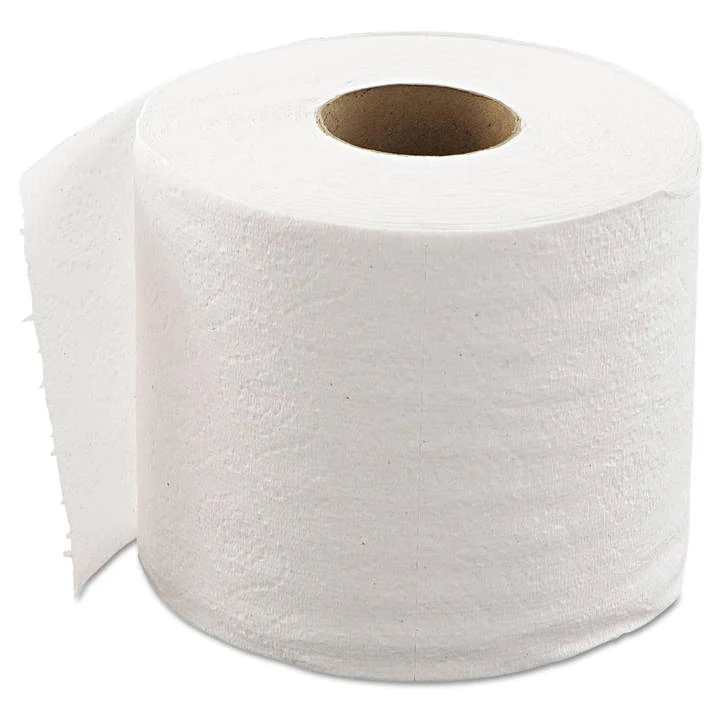
The cardboard tube inside a toilet paper roll serves as the core around which the paper is wound. In most consumer products, the tube length matches the paper width. As a result, a standard toilet paper tube generally measures close to 4 inches from one end to the other.
This size has become the industry norm because it works well with common bathroom dispensers and storage systems. Manufacturers often follow this dimension to ensure compatibility across different markets.
Common Toilet Paper Tube Dimensions
While length is often the most discussed measurement, tube diameter also matters.
| Measurement Type | Typical Size |
|---|---|
| Tube Length | 4 inches |
| Inner Diameter | 1.5–1.7 inches |
| Outer Diameter | 1.7–2.0 inches |
| Tube Wall Thickness | 1–2 mm |
These dimensions may vary slightly depending on production methods and target markets.
Why 4 Inches Became the Standard
Several practical reasons explain why manufacturers prefer a 4-inch tube length:
- It fits most residential dispensers.
- It supports stable paper winding during production.
- It simplifies packaging and transportation.
- It provides consistency for retailers and distributors.
In manufacturing environments, standardization reduces production complexity. When one tube size can serve multiple product lines, factories can improve efficiency and lower costs.
Commercial vs Household Products
Commercial toilet paper products sometimes use different specifications. Jumbo rolls, mini jumbo rolls, and industrial washroom products often have larger core diameters. However, many still maintain a width close to the standard household format.
For buyers sourcing large volumes, understanding the difference between tube length and tube diameter is important. Many purchasing mistakes happen because these measurements are confused with one another.
A 4-inch tube length remains the benchmark for standard household toilet paper products, making it the easiest size to source and the most widely accepted across global markets.
Does Tube Length Vary by Brand or Packaging?
Many buyers assume every toilet paper roll looks identical. Small differences between brands can create unexpected compatibility problems.
Yes, tube length can vary slightly by brand, roll style, and packaging design. Most rolls stay close to 4 inches, but premium, compact, or specialty products may differ.
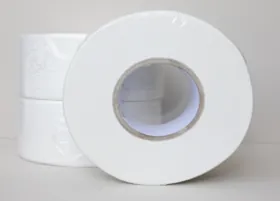
Although manufacturers generally follow industry standards, there is still room for variation. Some brands focus on maximizing sheet count. Others focus on reducing packaging waste or creating compact products.
These goals can lead to changes in tube dimensions.
Factors That Influence Tube Length
Several factors affect the final tube size.
Product Positioning
Premium brands may use wider sheets to improve user experience. This approach can slightly increase tube length.
Market Requirements
Different countries may have different consumer preferences. Some regions prefer wider paper sheets, while others focus on compact packaging.
Manufacturing Equipment
Production lines are often designed around specific paper widths. Manufacturers may adjust dimensions based on machine capabilities.
Examples of Common Variations
| Product Type | Typical Tube Length |
|---|---|
| Standard Toilet Paper | 4.0 inches |
| Premium Wide Roll | 4.1–4.5 inches |
| Compact Roll | 3.7–4.0 inches |
| Travel Roll | 3.0–3.8 inches |
| Jumbo Commercial Roll | Varies significantly |
The differences may appear small. Yet even a quarter-inch variation can matter when using enclosed dispensers.
Packaging Can Affect Perceived Size
Many consumers confuse roll diameter with tube length. A larger roll often appears wider because it contains more paper. In reality, the tube length may remain unchanged.
Packaging design can also create visual illusions. Decorative wrapping, embossing, and paper density influence how large a roll looks on store shelves.
What Buyers Should Check
Before purchasing large quantities, buyers should verify:
- Roll width
- Tube length
- Core diameter
- Roll diameter
- Sheet count
These specifications provide a more complete picture than packaging claims alone.
In international trade, confirming these details before production can prevent expensive compatibility issues and reduce returns after delivery.
Is Tube Size Important for Dispensers?
Many facility managers only discover sizing problems after products arrive. At that point, replacing inventory can become costly.
Yes, tube size is extremely important for dispenser compatibility. Both tube length and core diameter affect how smoothly a toilet paper roll fits and rotates inside a dispenser.
The dispenser acts as the interface between the user and the product. Even a high-quality toilet paper roll can perform poorly if it does not fit correctly.
The Two Measurements That Matter
Many people focus only on roll width. However, dispenser compatibility depends on two separate dimensions.
Tube Length
Tube length determines whether the roll fits between the dispenser supports.
If the tube is too short:
- The roll may fall out.
- The roll may shift during use.
- Dispensing may become uneven.
If the tube is too long:
- Installation becomes difficult.
- The roll may not rotate freely.
Core Diameter
Core diameter refers to the hole inside the cardboard tube.
A mismatch can create several issues:
- Excessive friction
- Poor roll movement
- Faster dispenser wear
- User frustration
Residential vs Commercial Dispensers
Residential dispensers usually support standard 4-inch toilet paper rolls. Commercial environments often require specialized products.
Examples include:
- Hotels
- Airports
- Shopping centers
- Hospitals
- Office buildings
These locations often use jumbo roll dispensers designed around larger cores.
Impact on Operational Costs
Small compatibility issues can create larger operational problems.
For example:
| Problem | Potential Result |
|---|---|
| Roll too short | Frequent replacements |
| Roll too long | Installation delays |
| Core too small | Difficult dispensing |
| Core too large | Roll instability |
Over thousands of users, these issues can increase labor costs and reduce customer satisfaction.
Why Professional Buyers Check Specifications
Experienced buyers often request detailed specification sheets before placing orders.
Typical specifications include:
- Roll width
- Tube length
- Core diameter
- Roll diameter
- Paper weight
This information helps ensure products match existing dispensers.
For wholesalers supplying hotels, supermarkets, or government facilities, confirming dispenser compatibility before shipment can prevent significant after-sales problems.
How Can I Measure the Roll Tube Accurately?
Many people estimate dimensions by eye. Unfortunately, visual estimates are often inaccurate.
The most accurate way to measure a toilet paper roll tube is by using a ruler or caliper. Measure the tube from one end to the other while ensuring the tube remains straight and undamaged.
Accurate measurements are important when comparing suppliers, verifying specifications, or confirming dispenser compatibility.
Tools You Can Use
Several simple tools work well.
Ruler
A standard ruler is the easiest option.
Advantages:
- Low cost
- Easy to find
- Good for general measurements
Tape Measure
Useful when measuring larger commercial rolls.
Advantages:
- Flexible
- Portable
- Suitable for warehouse inspections
Digital Caliper
This tool provides the highest accuracy.
Advantages:
- Precise readings
- Measures inner diameter
- Measures outer diameter
- Suitable for quality control
Step-by-Step Measurement Process
Step 1: Remove the Remaining Paper
If paper remains on the roll, remove it completely. This exposes the full tube.
Step 2: Place the Tube on a Flat Surface
A flat table helps prevent measurement errors.
Step 3: Measure End to End
Place the ruler at one edge and read the distance to the opposite edge.
This value represents the tube length.
Step 4: Measure the Core Diameter
Measure across the inside opening of the tube.
This value determines dispenser compatibility.
Step 5: Record Results
For purchasing decisions, record measurements in both inches and millimeters.
Common Measurement Mistakes
Many people make small errors during inspection.
Measuring the Paper Instead of the Tube
Paper width and tube length are often similar, but they are not always identical.
Measuring a Damaged Tube
Crushed or bent tubes can produce inaccurate readings.
Ignoring Diameter
Length alone does not guarantee dispenser compatibility.
Quality Inspection During Bulk Purchasing
When evaluating large shipments, many professional buyers use random sampling methods.
A simple inspection process may include:
- Select random rolls from multiple cartons.
- Measure tube length.
- Measure core diameter.
- Compare results against specifications.
- Document any variation.
This process helps verify manufacturing consistency before products reach customers.
Accurate measurement requires only a few minutes. Yet it can prevent costly problems in procurement, inventory management, and dispenser performance.
Conclusion
A standard toilet paper roll tube is usually about 4 inches long, though small variations exist between brands and product types. Understanding tube length, core diameter, and dispenser compatibility helps buyers make better purchasing decisions and avoid unnecessary operational issues.