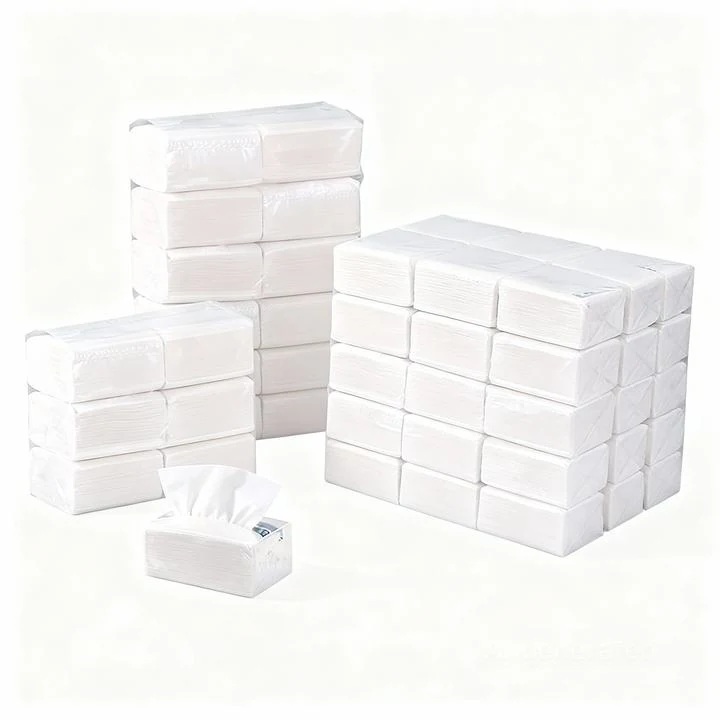
Many people want toilet paper that smells fresh. Yet some users later notice itching, dryness, or skin discomfort. That simple scent can become a daily problem.
Scented toilet paper is not always bad, but it can irritate sensitive skin and may contain fragrance chemicals that some people should avoid. Unscented toilet paper is often the safer choice for daily use, especially for people with allergies or skin conditions.
A soft fragrance may seem harmless at first. Stores often market scented toilet paper as cleaner, fresher, and more luxurious. Still, many buyers now ask deeper questions about skin safety, chemical exposure, and long-term use. The answer depends on the ingredients, paper quality, and the user’s skin condition.
Does scented toilet paper irritate sensitive skin?
Many people use scented toilet paper every day without problems. Still, sensitive skin reacts very differently. A mild fragrance for one person can become a strong irritant for another.
Yes, scented toilet paper can irritate sensitive skin because fragrance chemicals may cause itching, redness, dryness, or allergic reactions, especially with repeated daily contact.
The skin around intimate areas is thinner and more delicate than skin on other parts of the body. Because of this, it absorbs irritants more easily. Fragrance additives stay in contact with the skin several times every day. Over time, even mild exposure can create discomfort.
Why sensitive skin reacts faster
Sensitive skin usually has a weaker natural barrier. This means chemicals, dyes, or perfumes can enter the skin more easily. Some users feel burning or itching after only a few uses. Others may not notice symptoms until weeks later.
Common symptoms include:
| Symptom | Possible Cause |
|---|---|
| Itching | Fragrance oils |
| Redness | Skin inflammation |
| Burning sensation | Chemical sensitivity |
| Dryness | Alcohol-based fragrance carriers |
| Rash | Allergic reaction |
People with eczema, psoriasis, or dermatitis often react more strongly. Doctors frequently suggest fragrance-free tissue products for these groups.
The problem with repeated exposure
A single use may not cause visible problems. Yet toilet paper is a product used many times every day. Small irritation can slowly become chronic discomfort.
This issue becomes more serious in hot or humid environments. Sweat and friction increase skin sensitivity. That is one reason many hotel suppliers and commercial buyers choose unscented jumbo roll toilet paper for public facilities.
Fragrance is not the only issue
Some users blame fragrance alone. Yet irritation often comes from several factors working together.
These include:
- Low-quality recycled pulp
- Strong bleaching agents
- Artificial dyes
- Rough paper texture
- Poor moisture balance
High-quality virgin wood pulp or bamboo pulp tissue is usually softer and safer for sensitive users. Better manufacturing standards also reduce leftover chemical residue.
A personal lesson from product testing
During product testing, many buyers focus only on softness and roll size. Yet skin comfort becomes a major issue after real consumer feedback arrives. One retailer once switched to heavily scented toilet paper because customers liked the smell in stores. After several months, complaints about itching increased. The retailer later changed back to a mild unscented product.
That situation showed an important point. Initial product appeal does not always match long-term user satisfaction.
Who should be extra careful?
Some groups should avoid scented toilet paper more carefully:
- Babies and children
- Elderly users
- Pregnant women
- People with allergies
- Users recovering from medical treatment
For these groups, simple and fragrance-free products usually work better.
Are fragrances in toilet paper safe for daily use?
Many manufacturers say their fragrance ingredients are safe. In most cases, they meet legal standards. Yet “safe” does not always mean ideal for every person or for long-term daily exposure.
Fragrances in toilet paper are generally considered safe under normal regulations, but daily exposure may still cause irritation or allergic reactions in sensitive individuals.
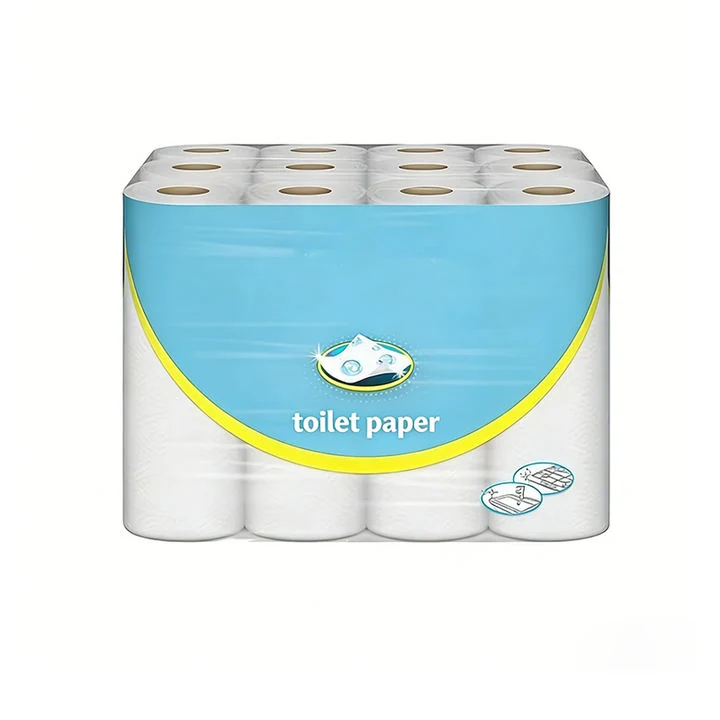
The fragrance industry uses many approved ingredients. Regulatory systems in the United States, Europe, and other regions limit harmful substances. Even so, approved chemicals can still trigger personal sensitivity.
Safety standards are different worldwide
Not every market follows the same rules. Some countries require strict ingredient testing. Others have weaker controls.
This creates a challenge for importers and wholesalers. A product accepted in one country may not meet standards somewhere else.
Here is a simple comparison:
| Region | Typical Regulation Level | Focus |
|---|---|---|
| European Union | Very strict | Allergen disclosure |
| United States | Moderate to strict | General product safety |
| Africa | Varies by country | Import compliance |
| Southeast Asia | Mixed | Cost and availability |
Experienced manufacturers usually adjust formulations for different export markets.
The issue with hidden fragrance blends
Many fragrance formulas are protected as trade secrets. Because of this, manufacturers may not list every ingredient separately.
A label may simply say:
- “Fragrance”
- “Perfume”
- “Scent additive”
This lack of detail worries many health-conscious buyers.
Daily exposure adds up
Toilet paper touches skin more often than many cosmetic products. Daily exposure matters because repeated contact increases the chance of irritation over time.
This does not mean scented tissue is dangerous for everyone. Many users never notice any issues. The problem is that users often do not connect their symptoms with toilet paper.
They may blame:
- Laundry detergent
- Soap
- Heat
- Diet
- Hygiene products
The tissue itself gets ignored.
Mild fragrance vs strong fragrance
Not all scented toilet paper is equally risky.
Low-level natural scents usually create fewer complaints than strong artificial perfumes. Heavy fragrance is often used to hide lower paper quality or recycled pulp odor.
Higher-end products usually focus more on:
- Softness
- Clean raw materials
- Controlled fragrance levels
- Better absorbency
Why many commercial buyers choose unscented products
Hotels, hospitals, airports, and office buildings often prefer unscented tissue. The reason is simple. Public-use products must reduce complaint risks.
A scented product may satisfy one user but irritate another. Unscented products create fewer problems overall.
This is especially important in:
- Healthcare facilities
- Baby care centers
- Schools
- Elderly care institutions
Large distributors also prefer unscented tissue because it fits more customer groups.
What chemicals are used to scent toilet paper?
Many consumers imagine scented toilet paper uses only perfume. In reality, the formula often includes several supporting chemicals that help preserve, carry, and spread the fragrance.
Scented toilet paper may contain fragrance oils, synthetic perfumes, preservatives, alcohol compounds, stabilizers, and chemical carriers that help maintain the scent during storage and use.
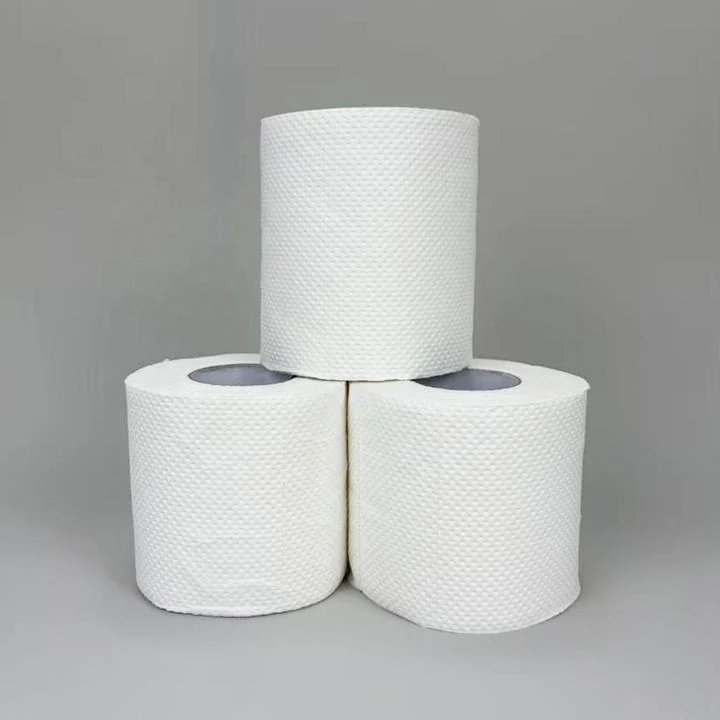
The exact formula changes from one manufacturer to another. Budget products and premium products also use very different ingredient quality levels.
Common fragrance-related chemicals
Here are some materials often found in scented tissue products:
| Chemical Type | Purpose |
|---|---|
| Synthetic fragrance oils | Create scent |
| Alcohol compounds | Carry fragrance |
| Preservatives | Prevent bacterial growth |
| Stabilizers | Keep scent consistent |
| Dyes | Match scent branding |
| Softening agents | Improve texture |
Some fragrance ingredients come from natural sources. Others are fully synthetic.
Synthetic fragrance is more common
Natural essential oils cost more and have shorter shelf life. Because of this, many factories use synthetic fragrance blends instead.
Synthetic fragrances offer:
- Lower cost
- Stronger smell
- Longer storage life
- Better scent consistency
Yet they also increase the chance of skin sensitivity for some users.
The role of paper quality
Low-grade paper often needs stronger fragrance. Recycled pulp may carry odors from previous paper sources. Fragrance helps mask those smells.
Higher-quality virgin pulp usually smells cleaner naturally. That reduces the need for heavy perfume.
Bamboo pulp products are also becoming popular because many buyers see them as cleaner and more eco-friendly.
Fragrance chemicals can transfer to skin
The friction of wiping transfers small amounts of chemicals onto the skin surface. Warm moisture increases absorption.
This is why fragrance in toilet paper matters more than fragrance on packaging alone.
Some ingredients are more controversial
Certain chemicals receive more criticism from health groups and consumers.
Examples include:
- Phthalates
- Formaldehyde-releasing preservatives
- Artificial musks
- Chlorine-related compounds
Not every scented toilet paper contains these substances. Still, some low-cost manufacturers may use cheaper additives with weaker quality control.
Why certifications matter
Reliable factories often follow stricter production standards. Certifications help buyers verify product quality and safety systems.
Common certifications include:
- FSC
- ISO 9001
- SGS testing
- FDA-related compliance
- REACH standards
These systems do not guarantee zero irritation. Yet they improve product consistency and chemical control.
The difference between odor control and fragrance
Some modern tissue products focus on odor-neutralizing technology instead of heavy perfume. This approach reduces strong scent exposure while still improving freshness.
Many buyers now prefer this balance because consumers increasingly want:
- Low-chemical products
- Eco-friendly materials
- Skin-safe tissue
- Fragrance-free hygiene products
Should I avoid scented toilet paper for health reasons?
The answer depends on personal skin sensitivity, allergies, and comfort level. Some users experience no issues at all. Others notice irritation quickly.
People with sensitive skin, allergies, or chronic irritation should usually avoid scented toilet paper because fragrance chemicals may worsen discomfort and skin reactions.
Health concerns linked to scented toilet paper are usually mild rather than severe. Most reactions involve skin irritation instead of dangerous illness. Still, daily discomfort affects quality of life.
Unscented products are often the safer choice
Unscented toilet paper removes one major risk factor. It simplifies the product and lowers chemical exposure.
Many dermatologists recommend:
- Fragrance-free tissue
- Dye-free products
- Soft virgin pulp
- Minimal additives
This advice becomes more important for long-term daily use.
Marketing often influences buying decisions
Many buyers connect fragrance with cleanliness. This idea is common in household products.
Yet scent does not automatically mean better hygiene.
A heavily scented product may actually:
- Hide poor pulp quality
- Use stronger chemicals
- Increase irritation risk
Softness, absorbency, and material quality matter much more than smell.
Health-conscious consumers are changing the market
Over the past few years, more consumers have started reading labels carefully. They now ask about:
- Chemical safety
- Sustainable pulp
- Skin-friendly tissue
- Eco certifications
This trend pushes manufacturers toward simpler formulas and cleaner production methods.
What buyers should check before purchasing
Before choosing toilet paper, it helps to review several factors.
Check the raw material
Virgin wood pulp and bamboo pulp are usually softer and cleaner than low-grade recycled paper.
Review ingredient transparency
Clear labeling builds trust. Buyers should be cautious if products provide almost no ingredient information.
Test small quantities first
Large wholesale buyers sometimes skip trial testing. Yet user feedback during small pilot orders can prevent future complaints.
Think about the target market
Different users want different features.
For example:
| User Group | Better Choice |
|---|---|
| Sensitive skin users | Unscented tissue |
| Luxury retail market | Mild fragrance option |
| Hospitals | Fragrance-free |
| Hotels | Depends on customer profile |
| Baby care | Unscented and soft |
A balanced view is important
Scented toilet paper is not automatically harmful. Many users enjoy it without any trouble. The main issue is that skin sensitivity varies greatly from person to person.
Good manufacturing standards also make a big difference. High-quality scented tissue made with safe materials is very different from low-cost products with aggressive chemical additives.
Still, for buyers who want the safest general option, unscented toilet paper remains the more reliable choice.
Conclusion
Scented toilet paper can feel pleasant, but fragrance chemicals may irritate sensitive skin and cause discomfort for some users. Unscented tissue is usually the safer everyday option. Product quality, raw materials, and manufacturing standards matter far more than fragrance alone.