Skip to content
Many people assume toilet paper is the standard choice everywhere. Yet that assumption can lead to confusion when traveling or doing business across different countries.
Many countries do not rely on toilet paper as the primary cleaning method. Instead, people often use water-based cleaning systems such as bidets, handheld sprayers, water buckets, or other hygiene methods that are deeply connected to local culture, religion, climate, and daily habits.
Once people begin exploring hygiene practices around the world, they often discover that toilet paper is only one option among many. Different regions have developed their own approaches over centuries, and many of these methods remain popular today.
Why Do Some Countries Avoid Using Toilet Paper?
Many travelers feel surprised when they enter a restroom and cannot find a roll of toilet paper. This experience often raises questions about cleanliness, convenience, and local customs.
Some countries avoid using toilet paper because water-based cleaning is considered more effective, more hygienic, or more aligned with cultural and religious traditions. Cost, plumbing systems, environmental concerns, and historical habits also play important roles.
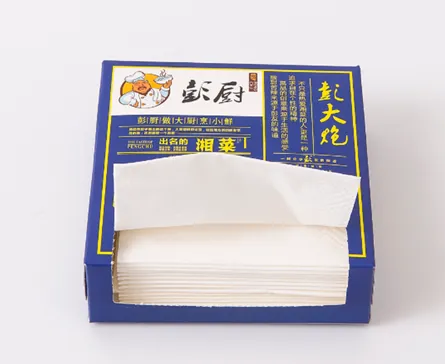
People often assume toilet paper became the universal solution for personal hygiene. In reality, widespread toilet paper use developed mainly in certain parts of North America and Europe. Many other regions built their hygiene traditions around water.
The Role of Religion
Religion has influenced hygiene practices for centuries. In many Muslim-majority countries, water is an important part of personal cleanliness. Religious teachings encourage washing after using the toilet. Because of this tradition, many homes, hotels, airports, and public facilities provide water-based cleaning options.
In several South Asian countries, similar habits developed over generations. Water washing became a normal part of daily life long before modern toilet paper became widely available.
Historical Development
Different regions had access to different resources. Some places had abundant water supplies and developed washing methods. Other areas adopted paper products as manufacturing and distribution networks expanded.
The result is that hygiene habits today often reflect historical choices made many generations ago.
Economic Factors
Cost can also influence consumer behavior. In some developing markets, buying toilet paper regularly may be less practical than using water.
The comparison below highlights some common factors:
| Factor | Water-Based Cleaning | Toilet Paper |
|---|---|---|
| Ongoing Cost | Usually lower | Continuous purchase required |
| Cleaning Method | Washing | Wiping |
| Environmental Impact | Lower paper consumption | Higher paper consumption |
| Cultural Acceptance | Very high in many regions | Very high in Western countries |
Plumbing Considerations
Not every sewage system is designed to handle large amounts of toilet paper. In some countries, flushing paper can create blockages. As a result, people may use water for cleaning and place any paper waste in a separate bin.
This approach can seem unusual to visitors, but it is often the most practical solution for local infrastructure.
Changing Preferences
Modern globalization has increased exposure to different hygiene products. Many households now combine both methods. A bathroom may contain toilet paper and a bidet spray at the same time.
This trend shows that hygiene practices are not fixed. They continue to evolve as people gain access to new products and ideas.
What Are Common Alternatives to Toilet Paper Worldwide?
Many people wonder what options exist when toilet paper is not the preferred choice. The answer is that several alternatives are used by billions of people every day.
The most common alternatives include bidets, handheld bidet sprayers, water buckets, washlets, reusable cloths in some traditional communities, and various water-based washing systems designed for personal hygiene.
Water remains the most widely used alternative across much of the world. Different cultures have created different ways to deliver and use water effectively.
Bidets
The traditional bidet originated in Europe and remains popular in countries such as Italy, Spain, and Portugal.
A bidet is a separate fixture designed specifically for washing after toilet use. Many households consider it an essential bathroom feature.
Handheld Bidet Sprayers
Handheld sprayers are common across the Middle East, Southeast Asia, and parts of Africa.
These devices connect directly to the water supply and allow users to control water flow during cleaning.
Common advantages include:
- Easy installation
- Low operating cost
- Efficient cleaning
- Minimal paper consumption
- Suitable for homes and commercial buildings
Water Buckets and Dippers
In parts of South Asia, water buckets and small containers remain common. This method is simple, affordable, and accessible even in areas with limited plumbing infrastructure.
While visitors may find it unfamiliar, local residents often view it as perfectly normal and effective.
Electronic Washlets
Technology has transformed bathroom hygiene in many developed markets.
Electronic toilet seats may include:
| Feature | Purpose |
|---|---|
| Adjustable water spray | Personalized cleaning |
| Heated seat | Increased comfort |
| Warm air dryer | Reduced paper usage |
| Temperature control | User preference |
| Self-cleaning nozzles | Better hygiene |
These products have become increasingly popular in modern homes, hotels, and commercial properties.
Reusable Cloth Systems
Historically, some communities used washable cloths before disposable paper products became common. Today, this method is less widespread but still exists in certain regions focused on reducing waste.
Environmental Considerations
Growing awareness of sustainability has encouraged interest in alternatives to toilet paper. Manufacturing toilet paper requires wood pulp, water, energy, transportation, and packaging.
Many consumers now evaluate hygiene products through both convenience and environmental impact.
As a result, water-based systems continue gaining attention worldwide.
Is Bidet Usage More Common in Certain Regions?
People often hear about bidets but may not realize how widespread they are. Usage rates differ significantly depending on geography and culture.
Yes, bidet usage is much more common in regions such as Southern Europe, the Middle East, East Asia, and parts of South America. In many of these areas, water-based cleaning is considered the normal standard rather than an alternative.
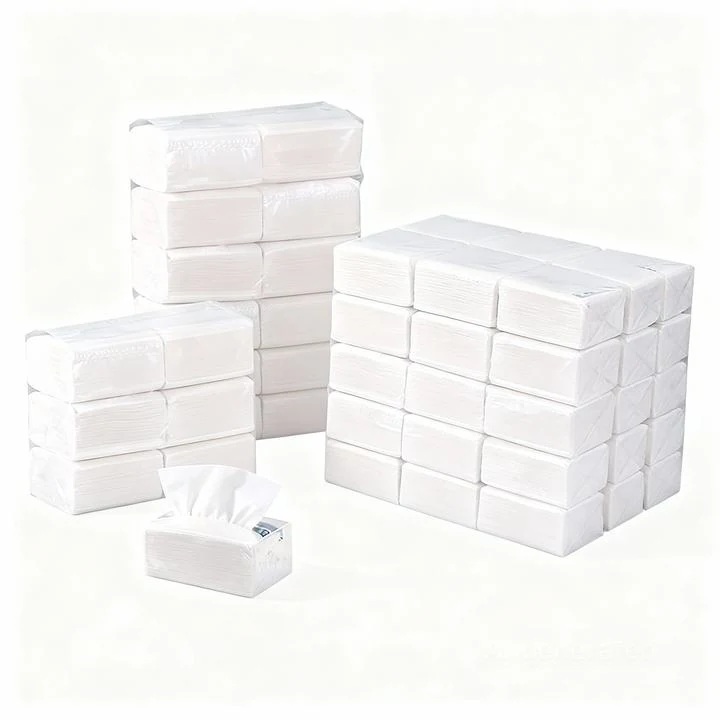
Travelers frequently notice these differences when moving between countries.
Southern Europe
Countries such as Italy have long embraced bidet use. In many homes, a bidet is considered a standard bathroom fixture.
Children grow up learning how to use it, and many adults view it as an important part of personal hygiene.
Middle East
Throughout the Middle East, water-based cleaning is extremely common.
Bathrooms often include:
- Handheld bidet sprays
- Built-in washing systems
- Water hoses
- Dedicated washing facilities
The practice is strongly connected to long-standing cultural and religious traditions.
East Asia
Japan is often cited as one of the most advanced bathroom technology markets in the world.
Modern washlets have become highly popular because they combine comfort, cleanliness, and convenience.
Many visitors who experience these systems for the first time report that they prefer them over traditional toilet paper alone.
Southeast Asia
Countries such as Thailand, Indonesia, and Malaysia commonly provide water sprays or hoses in homes and public restrooms.
For local residents, these systems are often considered more effective than paper-only cleaning.
South America
Bidet usage varies by country. In places such as Argentina and Uruguay, bidets have historically enjoyed strong popularity.
Meanwhile, other countries may rely on a combination of toilet paper and water-based cleaning methods.
Growing Adoption Worldwide
Interest in bidets has expanded in recent years.
Several factors drive this trend:
Hygiene Awareness
Many consumers believe water offers a more thorough cleaning experience.
Environmental Concerns
Reducing toilet paper consumption appeals to environmentally conscious households.
Technology Improvements
Modern bidets are easier to install and more affordable than older systems.
Because of these factors, bidet adoption continues to grow in regions where toilet paper has traditionally dominated.
How Do Cultural Norms Influence Hygiene Practices?
People often think hygiene decisions are purely practical. In reality, cultural expectations strongly shape what societies consider clean, comfortable, and acceptable.
Cultural norms influence hygiene practices by defining what people learn from childhood, what communities consider sanitary, and what behaviors are reinforced through family traditions, religion, education, and social expectations.
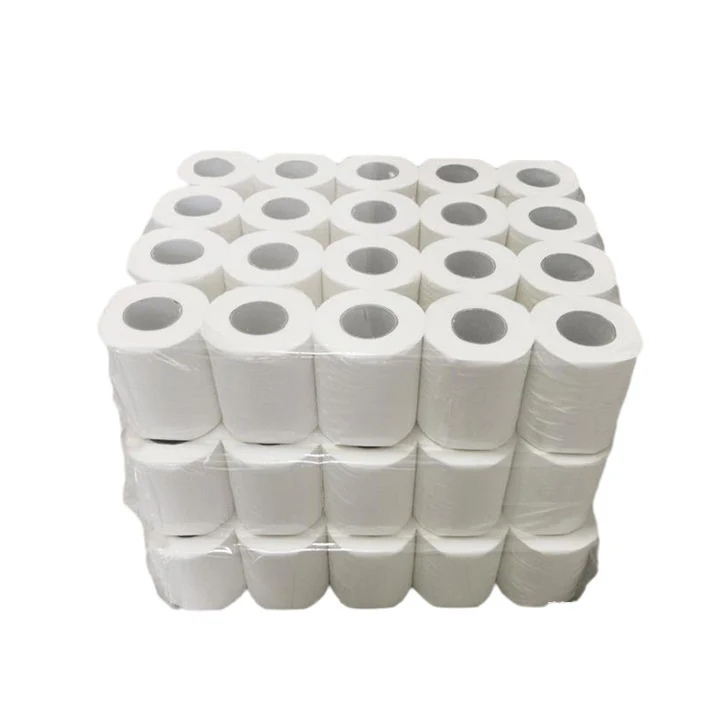
What feels normal in one country may seem unusual somewhere else.
Family Influence
Most hygiene habits begin at home.
Children learn from parents and relatives:
- How to wash
- Which products to use
- What standards define cleanliness
- Which bathroom behaviors are acceptable
These lessons often remain consistent throughout adulthood.
Social Expectations
Communities develop shared standards around hygiene.
For example, in a country where water washing is the norm, relying only on toilet paper may be viewed as incomplete cleaning.
On the other hand, in countries where toilet paper dominates, some people may view bidets as unnecessary because they did not grow up using them.
Neither perspective is automatically right or wrong. Each reflects local experience and tradition.
Climate and Environment
Environmental conditions can also shape habits.
Hot climates sometimes encourage washing practices because people value the feeling of freshness provided by water.
Resource availability matters as well. Regions with different access to paper manufacturing or water infrastructure may naturally develop different solutions.
Travel and Globalization
Global travel has increased awareness of alternative hygiene methods.
A traveler may experience:
- Bidets in Italy
- Washlets in Japan
- Sprayer systems in the Middle East
- Water bucket systems in South Asia
These experiences often challenge assumptions about what is "normal."
Business and Hospitality Considerations
Hotels, airports, shopping centers, and commercial facilities increasingly serve international visitors.
As a result, many operators now provide multiple hygiene options to accommodate different preferences.
A growing number of facilities include both toilet paper and water-based cleaning systems.
The Future of Bathroom Hygiene
Cultural exchange continues to influence consumer behavior.
Social media, travel content, and international business connections expose people to new ideas every day.
Many households now blend traditional practices with modern technology. Instead of choosing one method exclusively, they combine toilet paper, bidets, wet wipes, and other products based on personal preference.
This flexibility suggests that future hygiene practices may become more diverse rather than more standardized.
Conclusion
Countries around the world approach personal hygiene in different ways. While toilet paper remains common in many places, billions of people prefer water-based cleaning methods. These choices reflect culture, history, religion, infrastructure, and personal preference, showing that there is no single global standard for bathroom hygiene.