Skip to content
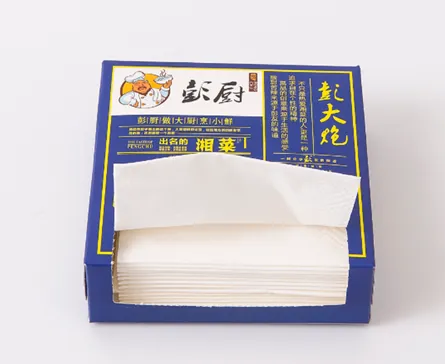
Many buyers focus on roll size and sheet count. Yet tube size often causes confusion when products do not fit dispensers or storage systems.
The circumference of a standard toilet paper tube is usually about 13–15 cm (5.1–5.9 inches), depending on the tube diameter. Most standard tubes have a diameter of around 4–4.8 cm, which directly determines the circumference.
Understanding tube circumference helps buyers compare products, select compatible dispensers, and avoid costly purchasing mistakes. It also plays a role in manufacturing, packaging, transportation, and storage efficiency.
Is Tube Circumference the Same as Roll Circumference?
A common mistake is assuming that tube circumference and roll circumference are identical. Many wholesale buyers, retailers, and even end users use these terms interchangeably. In reality, they describe two very different measurements.
No, tube circumference and roll circumference are not the same. Tube circumference refers to the cardboard core inside the roll, while roll circumference refers to the outer measurement of the entire toilet paper roll after paper is wound around the tube.
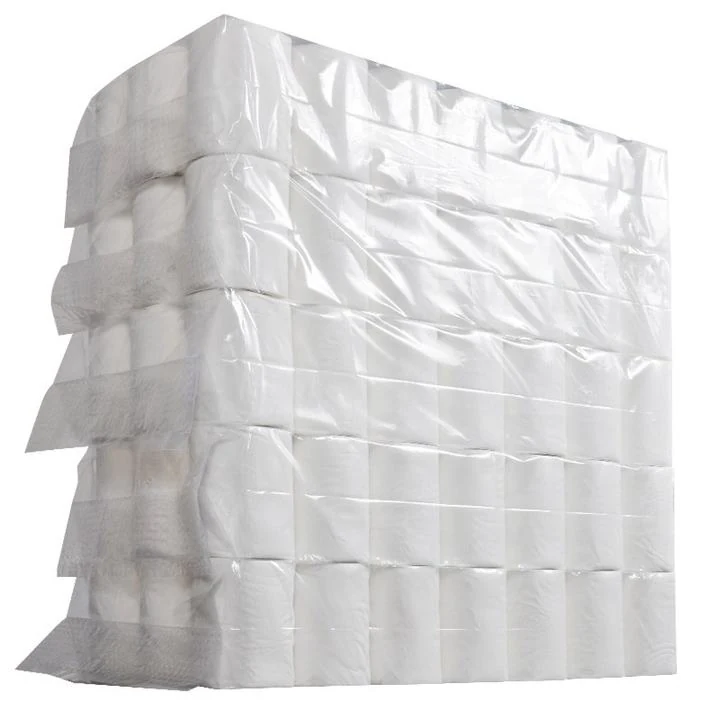
The difference becomes clear when looking at the structure of a toilet paper roll.
Understanding the Two Measurements
The tube sits at the center of the roll. It remains fixed throughout production. The paper layers are then wound around this core until the desired roll size is reached.
| Measurement | What It Measures | Changes During Production? |
|---|---|---|
| Tube Circumference | Cardboard core circumference | No |
| Roll Circumference | Outer circumference of finished roll | Yes |
For example, a toilet paper tube with a diameter of 4.5 cm has a circumference of approximately:
Circumference = Diameter × π
4.5 × 3.1416 = 14.14 cm
The finished roll may have an outer diameter of 11 cm. That creates a much larger circumference:
11 × 3.1416 = 34.56 cm
This shows why the two values are very different.
Why Buyers Should Know the Difference
Many commercial buyers purchase jumbo rolls, mini jumbo rolls, or standard household rolls for different markets. A misunderstanding between tube and roll measurements can create several problems:
- Incorrect dispenser selection
- Poor product comparison
- Shipping calculation errors
- Packaging design issues
Large distributors often compare roll diameter because it affects shelf appearance and customer perception. On the other hand, dispenser manufacturers focus heavily on tube dimensions because the holder spindle must fit inside the core.
Tube Size Remains Stable
One important point is that tube circumference rarely changes within a product category.
For example:
| Product Type | Typical Core Diameter |
|---|---|
| Household Toilet Roll | 4–4.8 cm |
| Mini Jumbo Roll | 5–6 cm |
| Jumbo Roll | 7.5–8 cm |
The roll circumference changes depending on paper length and thickness. The tube circumference usually follows industry standards to maintain compatibility.
When sourcing toilet paper products, checking both measurements separately helps prevent confusion and improves purchasing decisions.
How Do Manufacturers Determine Tube Size?
Tube size is not selected randomly. Manufacturers calculate tube dimensions based on product requirements, dispenser standards, machine settings, and transportation needs.
Manufacturers determine tube size by balancing dispenser compatibility, roll strength, paper length, production efficiency, and market requirements. The core diameter directly affects the tube circumference and overall roll performance.
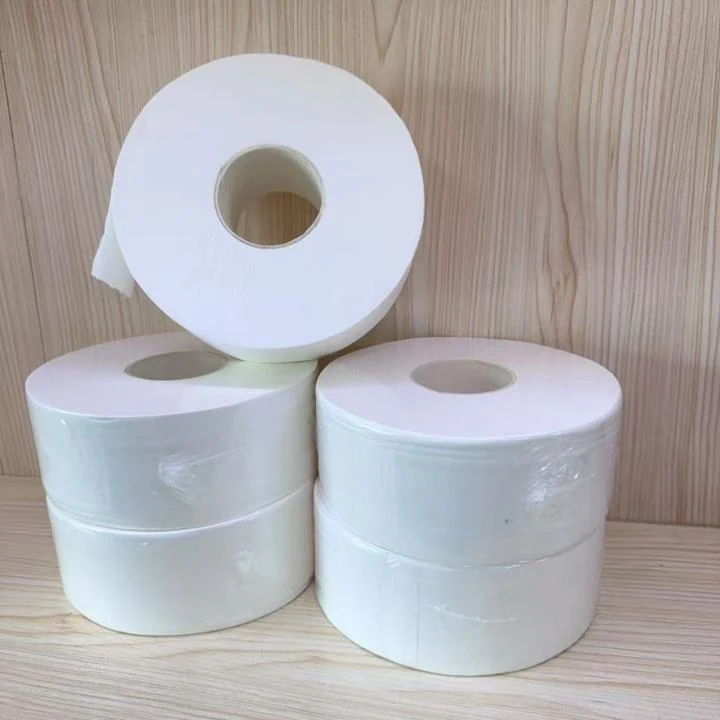
Choosing the correct tube size is a critical step in toilet paper production. A tube that is too small may collapse under pressure. A tube that is too large may waste material and reduce roll capacity.
Factors That Influence Tube Size
Several production factors guide the decision.
1. Market Requirements
Different countries often prefer different roll formats.
For example:
| Market | Common Roll Type |
|---|---|
| North America | Standard household rolls |
| Europe | Compact high-density rolls |
| Africa | Standard and jumbo commercial rolls |
| Middle East | Commercial and hospitality rolls |
The expected user experience influences tube dimensions.
2. Dispenser Standards
Commercial facilities usually install dispensers based on standardized core sizes.
Hotels, airports, shopping centers, and office buildings need products that fit existing systems.
Manufacturers therefore design tube dimensions around market standards rather than creating unique sizes.
3. Roll Length
Longer rolls require stronger support.
A roll containing hundreds of meters of tissue places significant pressure on the core.
Larger commercial rolls often use larger tube diameters because:
- They resist crushing
- They improve stability
- They reduce deformation during transport
4. Production Equipment
Every converting machine is designed to handle specific tube dimensions.
Changing tube size frequently may require:
- Machine adjustments
- New tooling
- Additional quality inspections
Because of this, manufacturers often standardize several popular sizes.
Tube Strength Matters
The cardboard core must support:
- Winding tension
- Packaging pressure
- Container stacking
- Long-distance shipping
Example of Core Selection
| Roll Category | Core Diameter | Reason |
|---|---|---|
| Household Roll | 4–4.8 cm | Fits standard holders |
| Mini Jumbo Roll | 5–6 cm | Better dispenser fit |
| Jumbo Roll | 7.5–8 cm | Supports large paper volume |
The Manufacturing Perspective
In many OEM projects, customers focus mainly on sheet count and roll diameter. However, experienced manufacturers also review core dimensions before production begins.
A small adjustment in tube size can influence:
- Packaging efficiency
- Carton quantity
- Container loading density
- Product durability
That is why professional manufacturers treat tube specifications as an important engineering parameter rather than a simple cardboard component.
Does Tube Circumference Affect Holder Compatibility?
One of the most practical reasons to understand tube circumference is holder compatibility. Even a high-quality toilet paper roll becomes inconvenient if it cannot fit the intended dispenser.
Yes, tube circumference directly affects holder compatibility because the holder spindle or dispenser mechanism must fit inside the tube core. If the tube is too small or too large, the roll may not function properly.

This issue becomes especially important in commercial settings where thousands of users depend on consistent dispenser performance every day.
How Compatibility Works
The holder rod passes through the cardboard core.
If the core diameter is too small:
- The roll cannot be installed.
- The roll may become stuck.
- The dispenser may be damaged.
If the core diameter is too large:
- The roll may wobble.
- Rotation becomes unstable.
- Paper dispensing becomes inconsistent.
Standard Household Holders
Most household toilet paper holders are designed for standard tube sizes.
Typical compatibility range:
| Component | Typical Size |
|---|---|
| Holder Rod Diameter | 1.5–2.5 cm |
| Tube Diameter | 4–4.8 cm |
This gap allows smooth rotation.
Commercial Dispensers
Commercial systems often use larger cores.
Examples include:
- Mini jumbo dispensers
- Jumbo roll dispensers
- Center-pull dispensers
Each dispenser is engineered around specific dimensions.
Common Compatibility Problems
Many distributors encounter complaints caused by mismatched products rather than paper quality.
Examples include:
| Problem | Likely Cause |
|---|---|
| Roll does not fit holder | Core too small |
| Roll spins unevenly | Core too large |
| Frequent jams | Incorrect dispenser match |
| Excessive paper waste | Poor roll alignment |
Why OEM Buyers Must Verify Core Size
When supplying hotels, office buildings, schools, or public facilities, compatibility should be verified before ordering.
A simple specification review can prevent:
- Product returns
- Customer complaints
- Installation delays
- Additional shipping costs
In one sourcing project, a buyer focused heavily on roll diameter and paper weight. The core size was not reviewed. After shipment, the rolls did not fit existing dispensers. The entire facility had to replace holders, creating unnecessary costs and frustration.
That experience highlighted how a small measurement can have a large operational impact.
Can Tube Circumference Impact Roll Storage?
Storage efficiency is often overlooked when discussing tube circumference. Most buyers focus on paper quality, pricing, and packaging. Yet tube dimensions can influence warehouse utilization and transportation efficiency.
Yes, tube circumference can affect roll storage because larger tube sizes change roll dimensions, packing density, carton configuration, and container loading efficiency. Even small differences can influence storage costs at scale.

For wholesalers and importers handling large volumes, these effects become significant.
The Relationship Between Tube Size and Roll Size
The tube occupies physical space inside every roll.
When tube diameter increases:
- Internal empty space increases
- Paper winding area changes
- Finished roll dimensions may change
This impacts packaging layouts.
Carton Packing Efficiency
Manufacturers carefully optimize carton configurations.
For example:
| Tube Size | Packing Efficiency |
|---|---|
| Smaller Core | Higher paper density |
| Standard Core | Balanced performance |
| Larger Core | Lower density but better strength |
The best option depends on product requirements.
Container Loading Impact
A container may hold thousands of cartons.
Small dimensional changes can affect:
- Pallet stacking
- Carton quantity
- Freight cost per roll
Example Scenario
Imagine two toilet paper rolls with identical paper length.
Roll A uses a smaller core.
Roll B uses a larger core.
Roll B may require:
- Larger packaging space
- Fewer units per carton
- Reduced container utilization
Over multiple containers, the cost difference can become meaningful.
Storage Considerations for Different Buyers
Different businesses prioritize different outcomes.
| Buyer Type | Main Concern |
|---|---|
| Importers | Container utilization |
| Wholesalers | Warehouse capacity |
| Retailers | Shelf presentation |
| Hotels | Dispenser compatibility |
| Public Facilities | Usage efficiency |
Because of these priorities, tube dimensions become part of broader supply chain planning.
Finding the Right Balance
Manufacturers generally avoid choosing the smallest possible tube.
A stronger core often provides benefits:
- Better roll stability
- Less crushing during shipping
- Improved dispenser performance
The goal is balance rather than simply minimizing size.
When evaluating toilet paper products, experienced buyers review:
- Core diameter
- Tube circumference
- Roll diameter
- Packaging dimensions
- Container loading efficiency
These factors work together to determine the true value of the product.
Conclusion
The circumference of a toilet paper tube usually ranges from about 13–15 cm, depending on the core diameter. While it differs from roll circumference, it plays an important role in manufacturing, dispenser compatibility, transportation efficiency, and storage planning. Understanding tube dimensions helps buyers make smarter purchasing decisions and avoid costly mistakes.