Skip to content
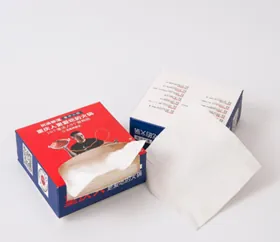
Many buyers see “two-ply” on packaging but are not sure what it really means or why it matters. This can make product selection harder.
Two-ply toilet paper is made from two layers of paper bonded together. The extra layer improves softness, strength, absorbency, and overall user experience compared with most one-ply products.
For wholesalers, retailers, hotels, and commercial buyers, understanding the difference between one-ply and two-ply toilet paper helps ensure the right balance between customer satisfaction, cost, and product performance.
How Does Two-Ply Improve User Comfort?
People use toilet paper every day. Small differences in texture and performance can greatly affect how users feel about a product. Poor-quality tissue often feels rough, thin, or uncomfortable. This can create a negative impression, especially in hotels, offices, restaurants, and retail environments.
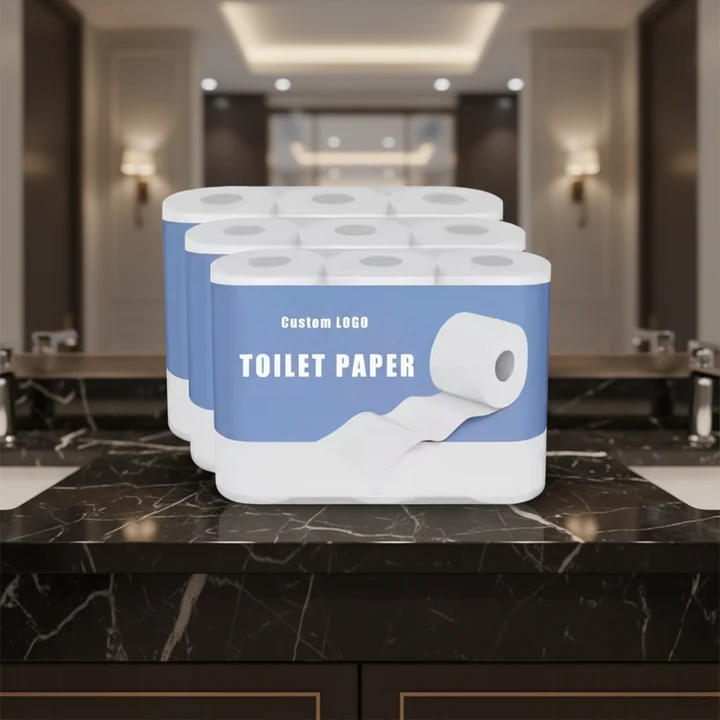
Two-ply toilet paper improves user comfort by combining two layers of tissue, creating a softer, thicker, and more cushioned feel during use.
Why Thickness Matters
The main reason two-ply tissue feels more comfortable is its added thickness. Two sheets are bonded together to create a fuller structure. This extra body helps reduce the harsh feeling often associated with thinner products.
Many consumers associate thickness with quality. When users touch a roll, they immediately notice whether it feels premium or basic. A thicker sheet often creates a better first impression.
Better Softness
Manufacturers can use different embossing patterns and fiber blends to enhance softness. When two layers are combined, the paper traps small pockets of air between the plies. These pockets help create a softer texture.
The result is a tissue that feels gentler on the skin during daily use.
Improved Absorbency
Comfort is not only about softness. Absorbency also plays an important role.
A two-ply sheet can absorb moisture more effectively because it contains more paper fibers. This means users often need fewer sheets to achieve the same result.
Comfort in Different Environments
Different facilities have different user expectations.
| Environment | User Comfort Expectation |
|---|---|
| Hotels | High |
| Offices | Medium to High |
| Restaurants | Medium |
| Public Restrooms | Medium |
| Homes | High |
In premium environments, users often expect tissue products that feel soft and substantial. Two-ply products usually meet these expectations better than one-ply alternatives.
Customer Perception and Brand Image
Comfort affects how people view a business. A hotel guest may notice bedding, towels, and bathroom supplies. Toilet paper is a small detail, but it contributes to the overall experience.
Many businesses choose two-ply products because they support a higher-quality image. The difference may seem minor, but repeated customer interactions can shape long-term perceptions.
A personal example comes from a client project that involved supplying tissue products for a hospitality chain. After switching from a basic one-ply product to a mid-range two-ply option, guest complaints about restroom supplies decreased significantly. The change was simple, but customer feedback improved because users immediately noticed the softer feel and stronger performance.
Is Two-Ply Toilet Paper Stronger Than One-Ply?
Many people assume that all toilet paper performs the same way. In practice, strength can vary greatly between products. Weak tissue may tear easily during use, causing frustration and increasing consumption.
Yes, two-ply toilet paper is generally stronger than one-ply toilet paper because two bonded layers provide greater resistance to tearing and better durability during use.
Understanding Ply Construction
The word "ply" simply refers to the number of paper layers.
- One-ply = one sheet
- Two-ply = two sheets
- Three-ply = three sheets
When two sheets are combined, the overall structure becomes stronger. The layers support each other during stretching and pulling.
Better Tear Resistance
One major advantage of two-ply tissue is improved tear resistance.
A single layer has limited structural support. When pressure is applied, it may tear quickly.
With two-ply construction, stress is distributed across two layers. This helps prevent accidental tearing during normal use.
Performance During Use
Strength becomes especially important in commercial settings where users expect reliability.
A stronger tissue can:
- Reduce sheet breakage
- Improve cleaning performance
- Increase user confidence
- Reduce product waste
Users often take fewer sheets when they trust the product's strength.
Manufacturing Factors Also Matter
Not all two-ply products are identical.
Several factors influence strength:
Fiber Quality
Virgin wood pulp generally provides higher strength and softness.
Basis Weight
Heavier paper often provides greater durability.
Embossing Design
Embossing patterns can improve sheet bonding and structural integrity.
Production Quality
Consistent manufacturing helps maintain uniform strength across every roll.
Strength Comparison
| Feature | One-Ply | Two-Ply |
|---|---|---|
| Thickness | Low | Medium |
| Tear Resistance | Moderate | High |
| Absorbency | Lower | Higher |
| User Satisfaction | Moderate | High |
| Premium Feel | Low | High |
The Real Cost of Weak Tissue
Some buyers focus only on roll price. However, weak products may create hidden costs.
When tissue tears easily, users often compensate by taking more sheets. This increases overall consumption and can reduce the apparent savings from purchasing lower-cost products.
For many commercial buyers, stronger two-ply tissue provides a better balance between performance and consumption efficiency. The higher quality can lead to a better user experience while controlling usage over time.
Does Two-Ply Dissolve More Slowly Than One-Ply?
One common concern is whether thicker toilet paper can cause plumbing problems. This question is especially important for hotels, office buildings, public facilities, RV users, and septic system owners.
In most cases, two-ply toilet paper dissolves more slowly than one-ply because it contains more material, but high-quality two-ply products are still designed to break down safely in normal plumbing systems.
Why Dissolution Matters
Toilet paper must perform two jobs.
First, it must remain strong enough during use.
Second, it must break down after flushing.
Finding the right balance is one of the biggest challenges in tissue manufacturing.
More Material Means More Time
A two-ply sheet contains roughly twice the paper layers of a one-ply sheet.
As a result, the breakdown process usually takes longer.
This does not necessarily mean the product is unsafe. It simply reflects the fact that there is more fiber material present.
Factors That Affect Dissolution
Several variables influence how quickly toilet paper dissolves.
Fiber Composition
Different fibers break down at different rates.
Embossing Pattern
Embossed sheets often allow water to penetrate more effectively.
Manufacturing Process
The bonding method between layers affects disintegration speed.
Water Flow Conditions
Pipe design and water volume also affect performance.
Septic Systems and Two-Ply Tissue
Many septic system owners worry about thicker tissue products.
Modern two-ply products are often engineered specifically for septic compatibility. Manufacturers test products to ensure they can break down appropriately under normal conditions.
However, extremely thick luxury tissues and multi-layer specialty products may require additional consideration.
Common Myths
Myth 1: All Two-Ply Causes Clogs
This is false.
Quality two-ply products are widely used around the world without causing routine plumbing issues.
Myth 2: One-Ply Never Causes Problems
This is also false.
Any paper product can contribute to blockages if excessive quantities are flushed or if plumbing systems are already compromised.
Choosing the Right Product
Commercial buyers should evaluate:
- Dissolution performance
- Absorbency
- Strength
- User expectations
- Plumbing requirements
Facilities with older plumbing systems sometimes prefer fast-dissolving products. Luxury hotels often prioritize comfort while still selecting products that meet plumbing standards.
The best solution depends on the specific application rather than the ply count alone.
Is Two-Ply Toilet Paper Worth the Cost?
Price remains one of the most important purchasing factors for wholesalers, distributors, retailers, and facility managers. Two-ply toilet paper usually costs more than one-ply products, which leads many buyers to ask whether the additional expense is justified.
For most homes, businesses, hotels, and commercial facilities, two-ply toilet paper is worth the cost because it offers better comfort, strength, absorbency, and customer satisfaction while often reducing overall sheet consumption.
Looking Beyond Roll Price
Many purchasing decisions focus on unit cost.
However, roll price alone does not tell the whole story.
The true value of toilet paper includes:
- User satisfaction
- Consumption rate
- Product performance
- Brand perception
- Maintenance costs
A cheaper roll is not always the most economical option.
Reduced Usage
One reason two-ply tissue can provide good value is reduced consumption.
Because each sheet is stronger and more absorbent, users often need fewer sheets per visit.
This can offset part of the higher purchase cost.
Better Customer Experience
Businesses often underestimate the impact of restroom supplies.
Customers notice cleanliness, soap quality, paper towels, and toilet tissue.
A better restroom experience can support positive impressions of a brand.
For hotels, restaurants, healthcare facilities, and office buildings, comfort often contributes to customer satisfaction.
Wholesale and Commercial Considerations
Commercial buyers typically evaluate products based on long-term performance rather than initial price alone.
Key factors include:
Storage Efficiency
Larger rolls and stronger sheets may reduce replacement frequency.
Labor Savings
Staff spend less time refilling dispensers.
Reduced Complaints
Better products often generate fewer customer concerns.
Brand Positioning
Premium tissue supports a premium image.
Cost Versus Value
| Factor | One-Ply | Two-Ply |
|---|---|---|
| Purchase Price | Lower | Higher |
| Comfort | Basic | Better |
| Strength | Lower | Higher |
| Absorbency | Lower | Higher |
| Customer Satisfaction | Moderate | High |
| Consumption Efficiency | Lower | Higher |
When One-Ply May Make Sense
There are situations where one-ply remains a practical choice.
Examples include:
- High-traffic public facilities
- Budget-focused operations
- Certain institutional settings
- Facilities with special plumbing requirements
The decision should always align with operational goals.
Why Many Buyers Prefer Two-Ply
Over the years, many importers, wholesalers, and facility operators have shifted toward two-ply products because consumer expectations continue to rise.
Users increasingly expect toilet paper to be soft, durable, and absorbent. Two-ply products consistently deliver these benefits while remaining affordable enough for large-scale commercial use.
For many businesses, the additional investment is relatively small compared with the improvement in user experience and perceived quality.
Conclusion
Two-ply toilet paper consists of two bonded layers that deliver greater comfort, strength, and absorbency than one-ply alternatives. While it may cost more and dissolve slightly slower, its overall performance and user satisfaction often make it the preferred choice for homes, businesses, hotels, and commercial facilities.