Skip to content
Many people buy toilet paper without understanding roll measurements. This confusion often leads to bad packaging choices, storage problems, and dispenser mismatch issues.
The girth of a toilet paper roll usually describes the overall bulk or thickness of the roll. It is different from diameter and circumference, which are more exact measurements used in manufacturing and packaging.
Small size differences can create large business problems. A roll that looks bigger may not contain more paper. That is why wholesalers, retailers, and commercial buyers need to understand how toilet paper dimensions really work.
A clear understanding of roll measurements helps buyers avoid expensive mistakes. It also helps factories design better products for supermarkets, hotels, offices, and distributors.
How Is Girth Different From Diameter or Circumference?
Many buyers use the wrong measurement terms when discussing toilet paper rolls. This creates confusion during production and packaging.
Girth refers to the overall bulky feeling of a roll, while diameter measures the width across the center, and circumference measures the distance around the outside of the roll.
These three measurements sound similar, but they have very different meanings in the paper industry. Understanding the difference helps buyers communicate clearly with suppliers.
What Is Diameter?
Diameter is the distance from one side of the roll to the other through the center hole.
Factories use diameter to determine:
- Dispenser compatibility
- Shelf size
- Packaging dimensions
- Roll appearance
A standard household toilet paper roll often has a diameter between 100 mm and 120 mm. Jumbo rolls can be much larger.
Many consumers think larger diameter means better value. However, this is not always true.
What Is Circumference?
Circumference measures the total distance around the outer edge of the roll.
The formula is simple:
C = π × Diameter
This measurement matters during packaging production because factories need correct wrapping film sizes and carton dimensions.
Circumference also affects:
- Automatic packaging machine settings
- Plastic film usage
- Label printing sizes
- Compression calculations
What Does Girth Mean?
Girth is often used as a more general business term. It usually describes how thick or bulky the roll feels.
Some factories use girth informally during sales discussions. This is why misunderstandings happen.
One buyer may think girth means longer paper length. Another may think it means softer tissue. A supplier may simply use it to describe a visually larger roll.
Comparison Table
| Measurement | Meaning | Main Usage |
|---|---|---|
| Diameter | Width across center | Dispenser sizing |
| Circumference | Distance around roll | Packaging calculations |
| Girth | Overall bulky feeling | Sales description |
Why This Difference Matters
A few years ago, a supermarket buyer requested “larger girth toilet rolls” for a retail promotion. The factory increased embossing depth and softness. The rolls looked much bigger, but the actual paper length barely changed.
Customers later complained because they expected the rolls to last longer.
This situation showed how unclear measurement terms can create business problems.
Roll Appearance Can Be Misleading
Some rolls appear larger because:
- The paper is loosely wound
- Heavy embossing traps more air
- Softer tissue expands more
- Core size is larger
At the same time, tightly wound rolls may contain much more paper while looking smaller.
Professional buyers usually check:
- Roll length
- Sheet count
- Ply count
- Paper weight
- Core size
- Outer diameter
instead of judging only by visual appearance.
Why Does Girth Matter in Toilet Paper Packaging?
Poor packaging decisions can increase shipping costs and reduce storage efficiency. Many of these problems start with incorrect roll size planning.
Girth matters because it affects carton size, transport efficiency, shelf appearance, warehouse storage, and product protection during shipping.
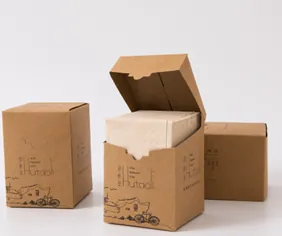
Packaging is not only about appearance. In wholesale tissue business, packaging directly affects profit margins.
Container Loading Efficiency
Larger girth means larger rolls. Larger rolls reduce the number of products that fit inside shipping containers.
This becomes very important for international export business.
For example:
| Roll Type | Outer Diameter | Rolls per Carton | Shipping Efficiency |
|---|---|---|---|
| Compact Roll | 100 mm | 96 rolls | High |
| Soft Bulky Roll | 120 mm | 72 rolls | Medium |
| Jumbo Roll | 250 mm | 12 rolls | Low |
Even small changes in roll size can strongly affect shipping costs.
Shelf Impact and Consumer Attention
Retail buyers often choose products that look larger on store shelves.
Large girth rolls usually create:
- Better visual impact
- Stronger premium feeling
- Higher perceived value
- More customer attention
This is one reason many brands use deep embossing patterns.
Embossing creates air pockets between paper layers, which makes rolls appear larger.
Packaging Material Requirements
Larger rolls need different packaging materials.
Factories may need:
- Wider PE film
- Larger cartons
- Stronger sealing strength
- Better stacking design
Even automatic packaging machines may require adjustment.
Compression During Transportation
Soft bulky rolls can lose shape during long-distance shipping.
This often happens because:
- Air exists between paper layers
- Rolls are stacked under pressure
- Cartons become compressed during transport
Factories usually perform compression tests before shipment.
Warehouse Storage Problems
Warehouse space is expensive. Bulky rolls occupy more room.
This affects:
- Inventory turnover
- Pallet stacking
- Storage cost
- Loading efficiency
Some wholesalers prefer compact rolls because they save storage space.
Consumer Psychology
Many customers compare toilet paper visually before checking specifications.
Larger-looking rolls often create the feeling of:
- Better value
- Higher softness
- Longer usage time
- Better quality
Even when actual paper length stays almost the same.
This is why appearance matters strongly in retail markets.
Do Larger Girths Indicate Longer Rolls?
Many people believe bigger rolls always contain more paper. In reality, this is not always correct.
A larger girth does not always mean a longer toilet paper roll. Embossing, winding tension, paper density, and core size can all change roll appearance without increasing paper length.

Two toilet paper rolls can look completely different while containing almost the same amount of tissue paper.
Winding Tension Changes Roll Size
Factories control how tightly paper wraps around the core.
A tightly wound roll:
- Looks smaller
- Feels heavier
- Often contains more paper
A loosely wound roll:
- Looks larger
- Feels softer
- Contains more air
This creates visual differences without major changes in actual length.
Embossing Makes Rolls Look Bigger
Embossing adds texture to tissue paper.
It improves:
- Softness feeling
- Absorbency
- Product appearance
However, embossing also traps air between layers.
This increases roll size visually.
Example Comparison
| Roll Type | Paper Length | Outer Diameter | Appearance |
|---|---|---|---|
| Tight Roll | 30 meters | 100 mm | Compact |
| Soft Embossed Roll | 30 meters | 115 mm | Bulky |
| Dense Premium Roll | 40 meters | 110 mm | Medium |
This example shows why outside size alone cannot determine paper quantity.
Paper Density Also Matters
Paper density strongly affects roll appearance.
Higher density paper:
- Feels stronger
- Weighs more
- Uses less space
Lower density paper:
- Looks larger
- Feels softer
- Contains more air gaps
This creates confusion for many buyers.
Core Size Affects Total Roll Size
The cardboard core inside the roll also changes outer dimensions.
Larger cores create:
- Bigger outside diameter
- Easier dispenser movement
- Less room for paper
This is common in jumbo commercial rolls.
Why Retailers Prefer Larger Rolls
Retail markets often focus on visual appeal.
Large girth rolls attract attention because they appear:
- More luxurious
- More comfortable
- Longer lasting
Many promotional toilet paper products use this strategy.
Commercial buyers, however, usually care more about real paper length and cost efficiency.
Smart Buyers Check Real Specifications
Experienced importers usually ask suppliers for:
- Meter length
- Net weight
- Sheet count
- GSM
- Ply structure
- Core diameter
These details provide more accurate product comparisons.
Can Girth Impact Dispenser Compatibility?
A toilet paper roll that does not fit inside the dispenser creates serious operational problems for commercial users.
Yes, girth can directly affect dispenser compatibility because oversized rolls may not rotate properly or fit inside standard dispensers.
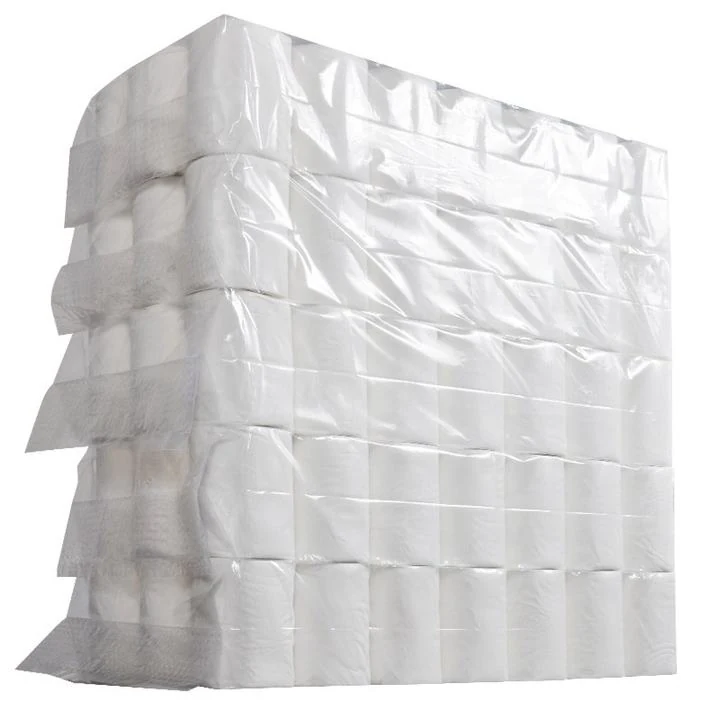
Many businesses overlook dispenser compatibility until problems happen after delivery.
Standard Dispenser Limits
Most dispensers have maximum size limits.
These include:
- Maximum outer diameter
- Core size
- Roll width
- Internal clearance space
If the roll is too large, the dispenser may not close correctly.
Common Problems From Oversized Rolls
Oversized toilet paper rolls may cause:
- Rotation difficulty
- Paper tearing
- Roll jamming
- Dispenser damage
- Maintenance problems
These issues become expensive in busy commercial locations.
Jumbo Roll Dispenser Systems
Large commercial buildings often use jumbo roll systems.
These are common in:
- Airports
- Hotels
- Shopping centers
- Hospitals
- Office buildings
Jumbo dispensers support much larger roll girths.
They reduce refill frequency and maintenance work.
Core Diameter Compatibility
Core size is just as important as outer roll size.
Some dispensers use:
- Small cores
- Large commercial cores
- Coreless systems
Incorrect core sizing can stop smooth roll rotation.
Hotel and Office Requirements
Hotels care strongly about restroom appearance and user experience.
Poor dispenser fit may create:
- Untidy restrooms
- Torn paper edges
- Frequent service calls
- Customer complaints
That is why many hospitality buyers test samples before bulk orders.
OEM Customization Reduces Risk
Many factories offer customized roll dimensions.
This helps buyers match:
- Existing dispenser systems
- Retail shelf sizes
- Local market preferences
- Warehouse limitations
Customized production helps avoid compatibility problems.
Important Questions Buyers Should Ask
Before placing large orders, professional buyers usually confirm these details:
| Specification | Reason |
|---|---|
| Outer Diameter | Determines dispenser fit |
| Core Diameter | Affects roll movement |
| Roll Width | Matches dispenser size |
| Roll Length | Controls refill frequency |
| Paper Density | Changes actual bulk size |
These checks help reduce costly mistakes during import and distribution.
Conclusion
The girth of a toilet paper roll affects much more than appearance. It influences packaging, shipping, storage, dispenser compatibility, and customer perception. Buyers who understand the difference between girth, diameter, and circumference can make smarter sourcing decisions and avoid unnecessary business problems.