Toilet paper is a product that has been part of our daily lives for centuries. As concerns about sustainability rise, the question arises: What will replace toilet paper? Could there be an alternative that addresses both the environmental and hygiene challenges posed by traditional toilet paper?
As we see a shift toward eco-friendly practices, bidets and reusable options are emerging as popular alternatives to the single-use product we’ve all grown accustomed to. Could these alternatives soon replace toilet paper in our daily routines?
With more people looking for sustainable alternatives, the toilet paper industry is facing challenges. However, with modern innovations, we could see a change in how we approach hygiene and sustainability. The rising awareness about deforestation and pollution is pushing consumers to explore different methods to clean up after using the bathroom. From bidets to reusable options, the future of toilet paper is uncertain, but the quest for greener choices is gaining momentum.
Are bidets a sustainable alternative to toilet paper?
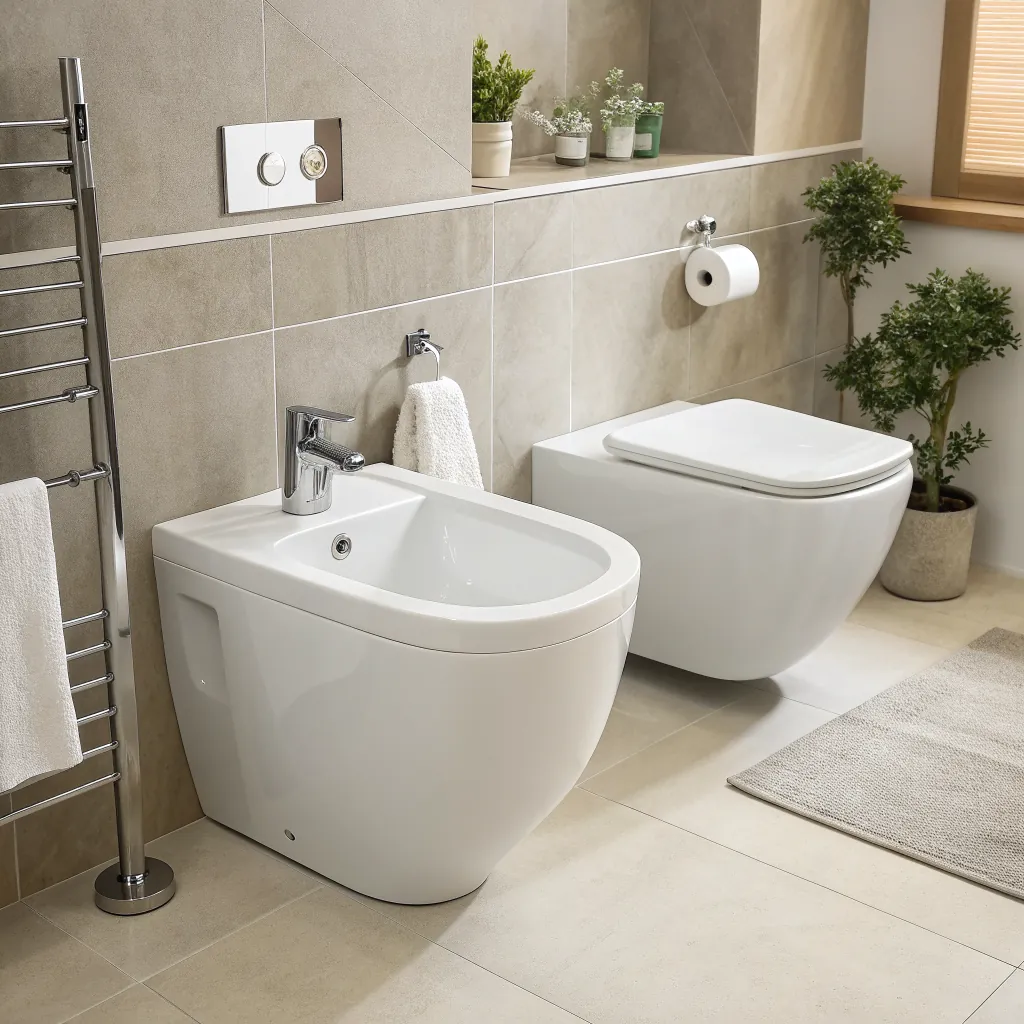
Bidets are widely regarded as one of the most sustainable alternatives to toilet paper. They use water for cleaning, drastically reducing the need for paper. Could this trend catch on and become the new standard worldwide?
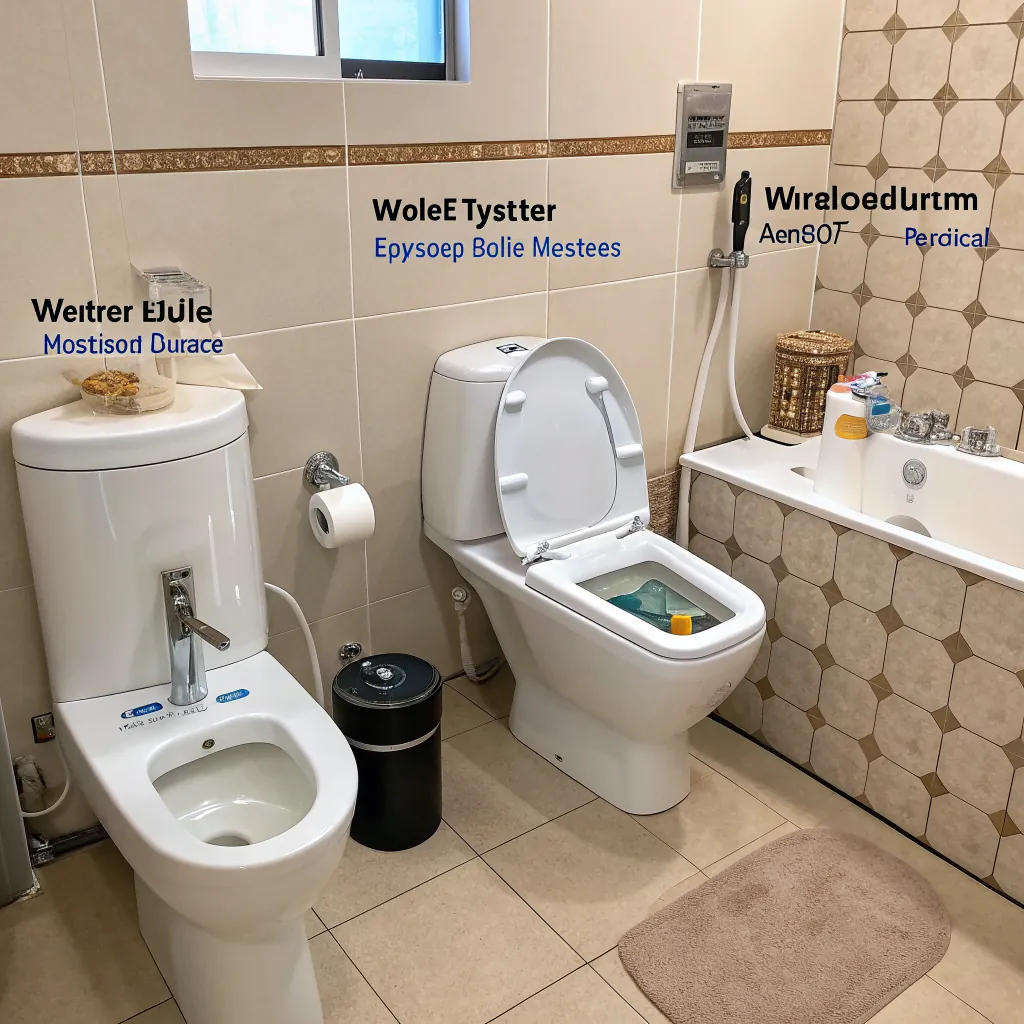
Bidets have long been popular in many countries, particularly in Europe, Japan, and parts of the Middle East. These devices use water to clean after using the restroom, offering a hygienic and eco-friendly alternative to toilet paper. By eliminating the need for paper, bidets reduce the environmental impact associated with the production and disposal of toilet paper.
The environmental benefits of bidets
Bidets can significantly lower the environmental impact. Unlike toilet paper, which requires trees to be cut down, bidets rely on water to do the cleaning. The production of toilet paper contributes to deforestation, pollution, and energy consumption. In contrast, the use of bidets helps to conserve resources, reduce waste, and lower the carbon footprint.
Bidet vs. Toilet Paper: A Comparison
| Factor | Bidet | Toilet Paper |
|---|---|---|
| Water usage | Moderate (only for cleaning) | High (requires water for production) |
| Paper consumption | None | High (regular use) |
| Environmental impact | Low (reduces paper waste) | High (deforestation, pollution) |
| Hygiene | High (water is more effective) | Moderate (paper can be abrasive) |
| Cost (over time) | Low (one-time cost for installation) | High (ongoing costs for replenishment) |
While bidets have higher upfront costs due to installation and potential plumbing work, they have a lower long-term cost. The ongoing use of toilet paper can add up significantly, whereas a bidet requires little maintenance. Moreover, a single bidet can last many years, making it a cost-effective choice for the environmentally conscious consumer.
Challenges of adopting bidets globally
While bidets are common in many parts of the world, their adoption in the United States and other Western nations has been slower. There are cultural barriers to overcome, and many people are hesitant to make the switch. Additionally, the upfront costs of installation and potential plumbing changes can discourage consumers from considering bidets as a viable alternative. However, with the growing awareness of environmental issues and more affordable bidet options emerging, it is likely that bidet usage will increase.
What are reusable toilet paper options?
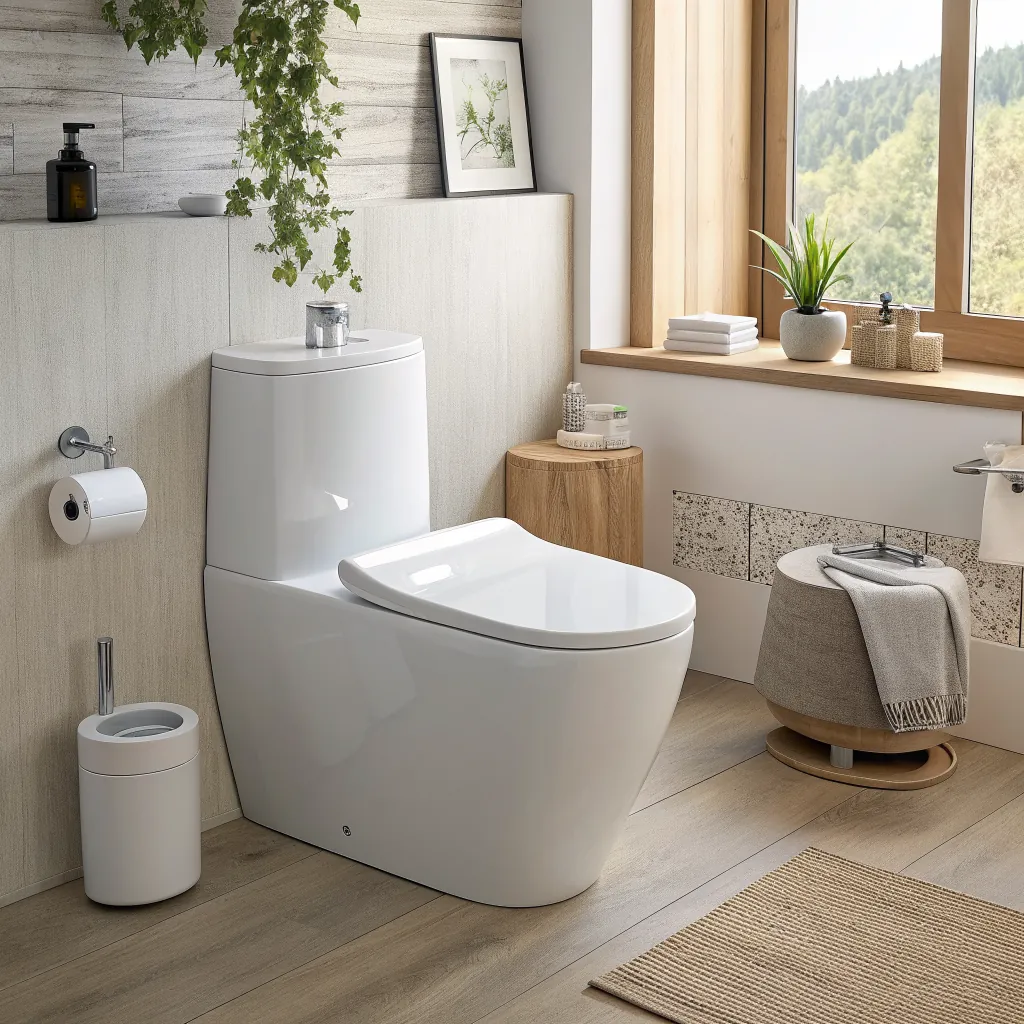
Reusable toilet paper, often called family cloth, has been gaining attention as an eco-friendly alternative to traditional toilet paper. Could this option be the future of bathroom hygiene, especially in eco-conscious households?
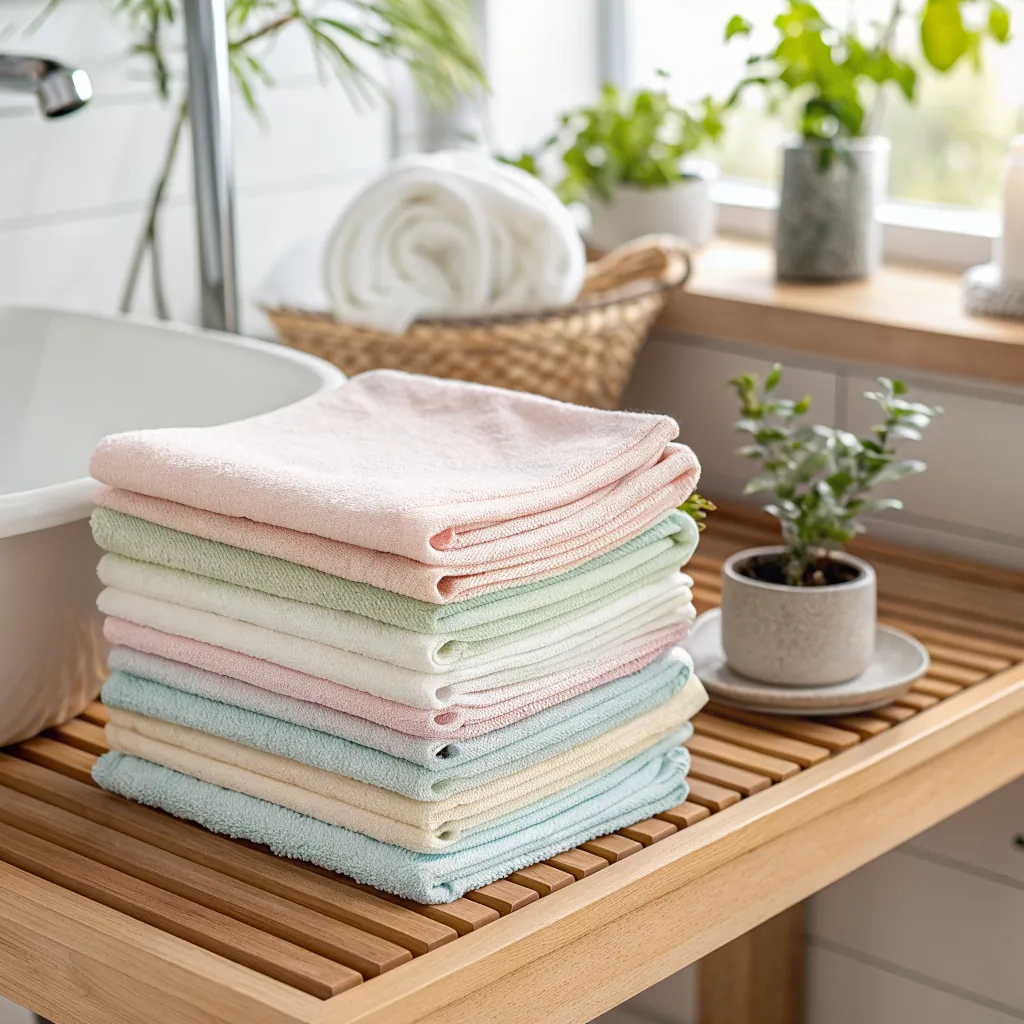
Reusable toilet paper, also known as "family cloth," consists of fabric wipes that can be used in place of disposable toilet paper. These wipes are usually made from cotton, bamboo, or other soft fabrics. After use, they are washed and reused, making them a more sustainable option. By eliminating the need for single-use paper, reusable toilet paper helps reduce the waste generated by traditional toilet paper.
Benefits of reusable toilet paper
The benefits of using reusable toilet paper are numerous. First and foremost, it is an eco-friendly choice. By reducing the need for paper, reusable toilet paper minimizes deforestation, water consumption, and pollution. Additionally, it can save money over time, as the wipes can be washed and reused repeatedly. For families, this can be a cost-effective solution to the constant need for toilet paper.
Considerations before switching to reusable toilet paper
While the environmental and financial benefits are clear, there are some challenges to consider when switching to reusable toilet paper. The biggest concern is hygiene. Some people may be uncomfortable with the idea of using fabric wipes, especially when considering the cleaning process. To alleviate this concern, it's important to have a system in place for washing the wipes effectively, such as keeping them in a separate container before washing. Additionally, some may find the idea of extra laundry inconvenient, especially in busy households.
| Factor | Reusable Toilet Paper | Traditional Toilet Paper |
|---|---|---|
| Environmental impact | Low (reduces paper waste) | High (contributes to deforestation) |
| Cost (initial investment) | Low (one-time cost for fabric) | High (regular purchases required) |
| Hygiene | High (proper cleaning reduces risk) | Moderate (paper can cause irritation) |
| Convenience | Moderate (requires laundry) | High (disposable, ready to use) |
| Durability | High (long-lasting fabric) | Low (single-use product) |
Ultimately, reusable toilet paper requires a shift in mindset and a commitment to a more sustainable lifestyle. The decision to switch will depend on personal preferences, lifestyle, and comfort levels. As more people adopt zero-waste and sustainable practices, reusable toilet paper may gain further traction as a mainstream option.
Is toilet paper being phased out globally?
While toilet paper is a staple product in many parts of the world, some regions are moving away from it due to environmental concerns. Is toilet paper being phased out globally, or is this just a local trend?
Although toilet paper remains an essential product in many households, there is a growing movement in some countries to reduce or eliminate its use. In particular, environmentally conscious individuals and groups are advocating for alternatives like bidets, reusable wipes, and even waterless hygiene solutions. The growing demand for sustainable products is pushing companies to develop alternatives that reduce paper waste and water usage.
Regional variations in toilet paper usage
In countries like Japan and many European nations, bidets have been part of daily life for decades. These countries tend to have lower per capita consumption of toilet paper compared to regions where bidets are not commonly used. For example, Japan's advanced toilet technology, including washlets that provide warm water for cleaning, has made the country a leader in alternative bathroom hygiene solutions. Similarly, European countries with high levels of environmental awareness have embraced bidets as a mainstream product.
In contrast, in countries like the United States, toilet paper usage remains high. While there is growing interest in bidets, the cultural shift toward using alternatives is slower. Changing consumer habits and overcoming the ingrained cultural attachment to toilet paper will take time. However, as awareness of environmental issues grows and sustainable options become more accessible, it is likely that toilet paper usage will begin to decline in favor of greener alternatives.
| Region | Toilet Paper Consumption | Popular Alternatives |
|---|---|---|
| Japan | Low | Bidets, washlets |
| United States | High | Bidets, eco-friendly wipes |
| Europe (Germany, France) | Moderate | Bidets, reusable wipes |
| Africa (Nigeria, Kenya) | High | Bidets, eco-friendly alternatives |
The future of toilet paper
While it is unlikely that toilet paper will be fully phased out globally in the near future, its usage may decline in favor of alternatives. The development of new technologies and growing demand for eco-friendly solutions will likely reshape the market. In particular, bidets and reusable wipes will become more popular as consumers prioritize sustainability.
How do cultural norms influence toilet paper alternatives?
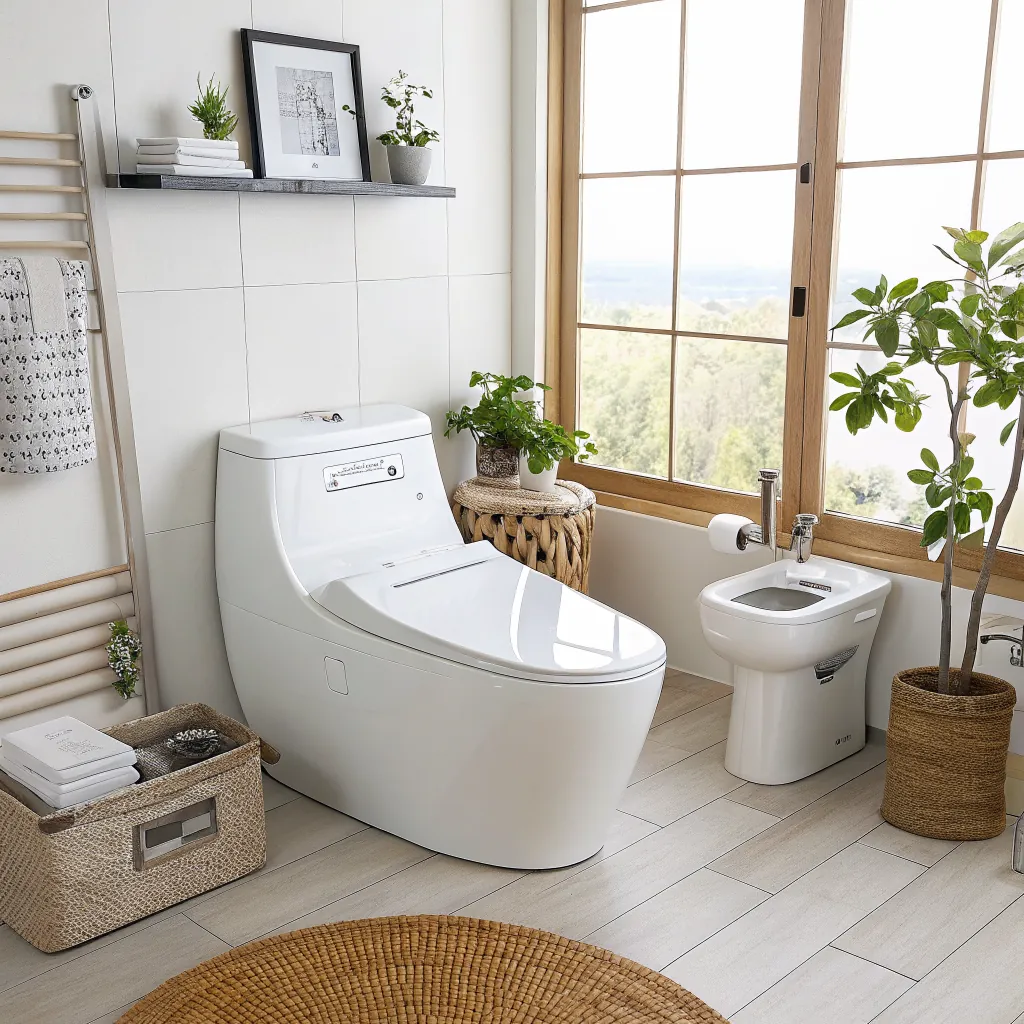
Cultural norms play a significant role in the adoption of toilet paper alternatives. How do these norms impact the choice of hygiene products in different parts of the world?
Cultural practices around hygiene vary significantly across the globe, influencing the products people use in the bathroom. In many Western countries, toilet paper is seen as the default, but in other parts of the world, alternatives like bidets or water-based hygiene practices are more common. Understanding the cultural context behind these preferences is crucial to understanding why certain alternatives gain traction in specific regions.
Cultural attitudes toward cleanliness
Cultural attitudes toward cleanliness are deeply ingrained and vary from country to country. In some cultures, using water for cleaning is seen as more hygienic and effective than using paper. For example, in many Middle Eastern countries, it is common to use a combination of water and hand-held bidets, which are considered the most thorough and hygienic method of cleaning. In contrast, in countries like the United States, toilet paper is the norm, and bidets are often seen as unfamiliar or unnecessary.
The impact of religion on hygiene practices
Religious beliefs also play a role in shaping bathroom hygiene practices. For instance, in Islam, cleanliness is an essential part of religious practice, and using water to cleanse after using the restroom is strongly emphasized. This is why bidets and water-based hygiene methods are prevalent in many Muslim-majority countries. Similarly, in Hinduism, water is also used in many communities as part of religious rituals, which influences the choice of bathroom hygiene products.
| Culture/Region | Preferred Hygiene Practice | Reason for Preference |
|---|---|---|
| Middle East (Islamic countries) | Water (bidets, hand-held sprayers) | Religious practices, hygiene |
| Western countries (USA, UK) | Toilet paper | Cultural habit, convenience |
| India | Water (hand-held sprayers, buckets) | Religious practices, cultural preference |
| Japan | Bidets | High-tech innovation, hygiene |
As cultural norms continue to evolve, the choice of bathroom hygiene products will likely change. Globalization, environmental concerns, and technological advancements will influence these practices, leading to greater adoption of sustainable alternatives worldwide.
Conclusion
The future of toilet paper is uncertain as alternatives like bidets and reusable wipes gain popularity. As we become more aware of environmental issues and explore new technologies, traditional toilet paper usage may decline, replaced by more sustainable and hygienic options. However, cultural norms and habits will continue to play a significant role in shaping these changes.