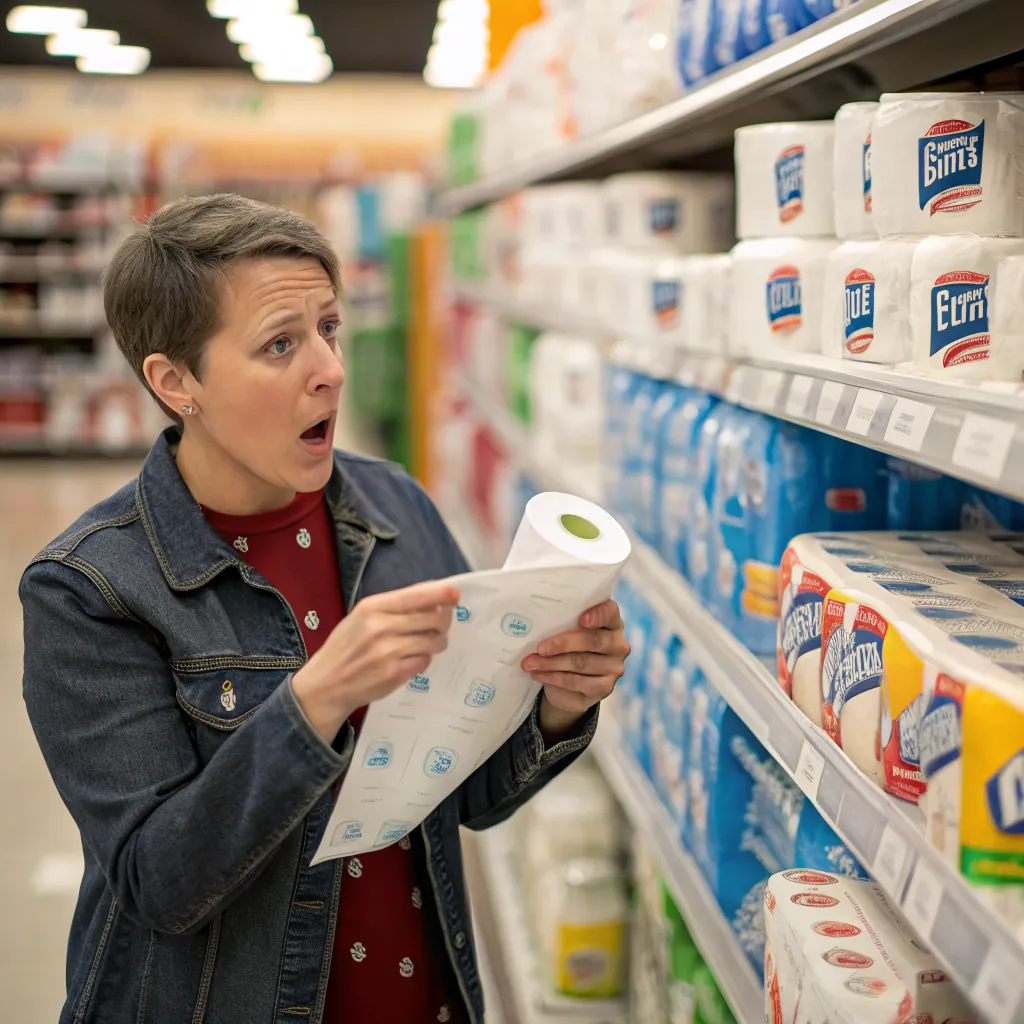
Opening a package of toilet paper and seeing the price can feel shocking. Why does this basic household item cost so much?
Toilet paper prices are shaped by supply chains, raw materials, production costs, and market demand. The price often rises when any of these factors face pressure.
Understanding why costs fluctuate helps buyers make informed choices and avoid overpaying.
What factors influence toilet paper pricing?
Rising costs in stores often leave shoppers frustrated. Why does a small roll sometimes cost more than expected?
Several factors drive toilet paper pricing, including production, transportation, and packaging costs. Demand spikes and seasonal shortages also play a role.
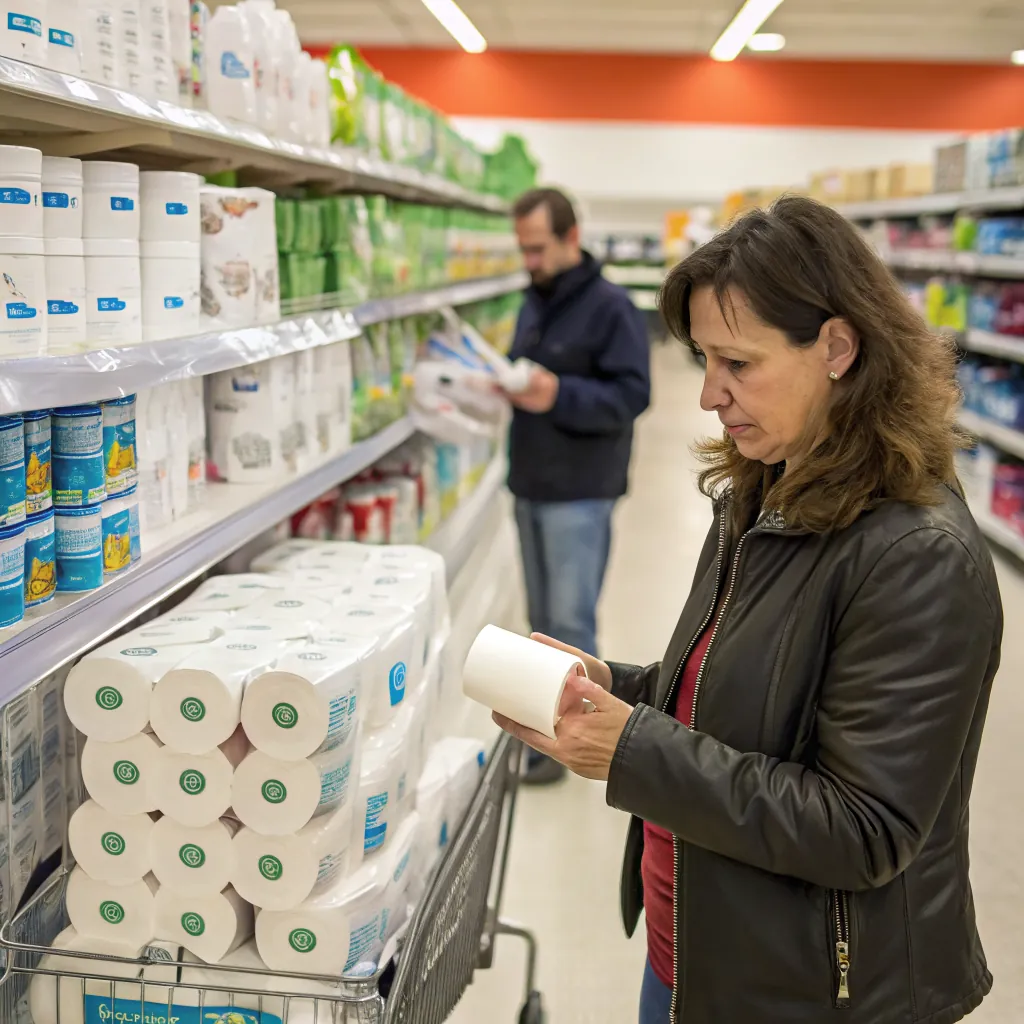
Production costs are a major factor. Factories use machinery, labor, and energy. If energy prices rise, production becomes more expensive, and the cost passes to consumers. Transportation is another element. Toilet paper is bulky but light, which makes shipping expensive relative to its weight. Shipping cost changes can directly increase retail prices.
Packaging adds another layer. Branded paper often comes in printed or wrapped packs. Materials for these packages, especially plastic films, have prices that fluctuate with the global market. Labor costs also influence the price. Skilled staff for quality control and packing are essential. Wages or labor shortages push prices higher.
Supply and demand can also create spikes. Panic buying or seasonal sales increase demand quickly. When stores run low, wholesalers may raise prices. Even small events like factory maintenance or transportation delays can tighten supply and push prices up.
Table: Key Factors Affecting Toilet Paper Prices
| Factor | Description | Impact on Price |
|---|---|---|
| Production | Machinery, labor, energy | High |
| Transportation | Shipping costs, fuel prices | Medium |
| Packaging | Wrapping, printing | Medium |
| Demand | Seasonal spikes, panic buying | High |
| Labor | Skilled workforce | Medium |
Has inflation impacted toilet paper costs?
Everyone feels the effects of inflation. But how does it relate to toilet paper?
Inflation increases the cost of materials, labor, and transportation, which directly raises toilet paper prices for consumers.
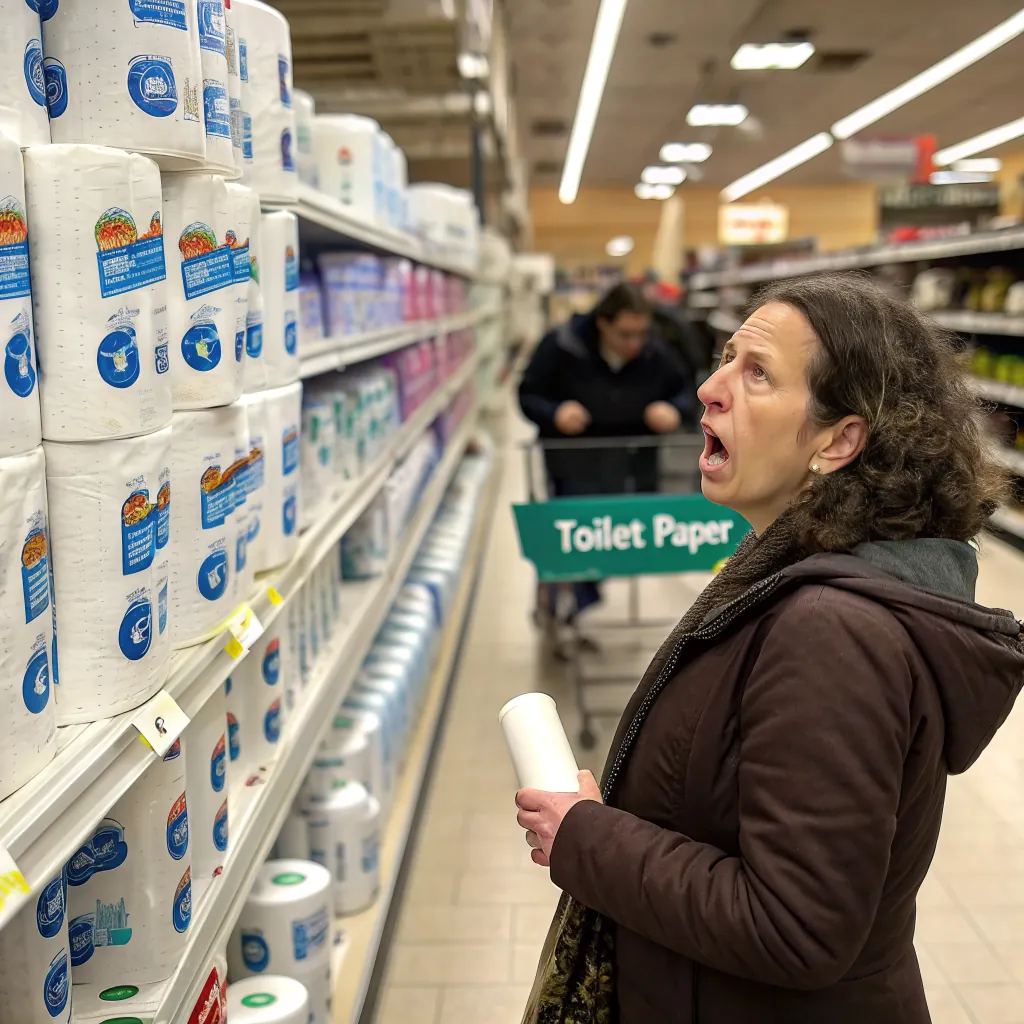
Inflation affects every step of the supply chain. Factories pay more for energy, materials, and wages. Transportation costs rise with fuel prices. Retailers face higher overheads, which they pass to customers. Even small changes in inflation can accumulate, making a noticeable difference on the shelf.
Dive deeper: Inflation and pricing
Inflation is more than just rising prices. It changes how businesses plan and how consumers buy. For toilet paper, inflation affects wholesale costs first. Suppliers must negotiate new contracts with manufacturers, often at higher rates. If raw material prices increase due to inflation, manufacturers cannot absorb all the cost without affecting profits. This leads to higher wholesale prices.
Retailers also react. They might raise shelf prices in anticipation of future cost rises. Small increases over time can make a basic item like toilet paper noticeably more expensive. Consumers may feel the pinch during high inflation periods, especially if they buy in bulk. Bulk buyers can face the highest impact because stores often adjust wholesale pricing first.
Moreover, inflation affects consumer behavior. When prices rise, some buyers switch to cheaper brands or reduce purchases. This can temporarily reduce demand for high-end paper. Manufacturers sometimes respond by cutting features or quality to maintain affordability, which affects consumer satisfaction. The balance between cost, quality, and demand becomes delicate in an inflationary market.
Table: Inflation Effects on Toilet Paper
| Step | Effect of Inflation | Example |
|---|---|---|
| Raw Materials | Higher cost | Pulp, recycled paper, bamboo |
| Production | More expensive labor/energy | Factory operations |
| Transportation | Higher shipping fees | Fuel price increase |
| Retail | Higher shelf prices | Supermarkets raising prices |
| Consumer Behavior | Shift to cheaper options | Switching brands |
Are raw materials for toilet paper getting costlier?
Toilet paper comes from wood, recycled paper, and bamboo. Are these materials more expensive now?
Rising prices for pulp, recycled paper, and bamboo are increasing the production cost of toilet paper worldwide.
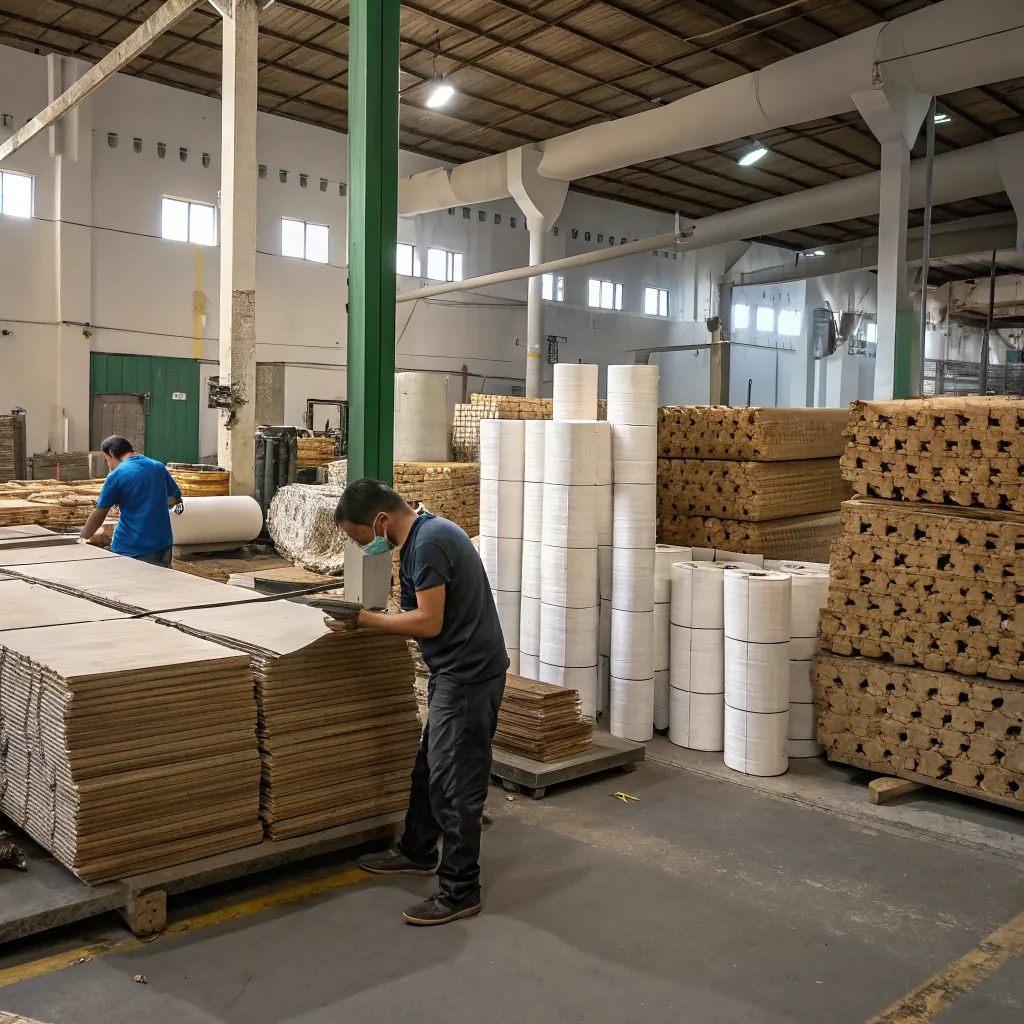
Raw material prices fluctuate due to supply shortages, environmental regulations, and global demand. Virgin wood pulp is affected by deforestation policies and transport issues. Recycled paper depends on waste collection, which can vary regionally. Bamboo is sustainable but faces transportation and cultivation costs.
Manufacturers must also consider quality. Strong, absorbent toilet paper needs higher-grade materials. Cheaper substitutes reduce quality but may not satisfy consumers. Global market trends matter, too. Increased paper consumption in one region can reduce availability elsewhere. This competition drives prices upward.
Dive deeper: Raw Material Dynamics
Virgin Wood Pulp
Virgin wood pulp is sourced from trees and is key for soft, strong toilet paper. Logging restrictions, environmental regulations, and rising energy costs increase pulp prices. Countries exporting pulp may raise costs during periods of scarcity. Any disruption, like storms or labor strikes, affects global supply and raises prices for manufacturers.
Recycled Paper
Recycled paper is cost-sensitive. Collection rates vary, and contamination in recycling streams reduces usable material. Recycling facilities also face energy and labor costs. Increasing demand for green products has raised prices for high-quality recycled paper, as companies compete for limited supply.
Bamboo Pulp
Bamboo is sustainable and grows fast, but it requires processing into soft pulp. Transportation from Asia to other continents adds cost. Market demand for eco-friendly products drives up the price. Manufacturers also invest in specialized machinery to process bamboo into high-quality tissue, which adds to overall production costs.
Table: Raw Material Price Drivers
| Material | Cost Driver | Market Impact |
|---|---|---|
| Virgin Wood Pulp | Environmental rules, labor | High |
| Recycled Paper | Collection, contamination, energy | Medium |
| Bamboo Pulp | Transport, processing | Medium-High |
In summary, rising raw material costs directly affect toilet paper prices. Manufacturers have limited options if they want to maintain quality, leading to higher consumer prices.
Is premium toilet paper worth the higher price?
Many shoppers see luxury toilet paper and wonder if it is worth the extra money. Is it really better?
Premium toilet paper often offers thicker sheets, softer texture, higher absorbency, and better packaging, which justify the higher price for those who value comfort.

Premium brands invest in quality. They may use multi-layer sheets, higher-grade pulp, and extra softening processes. Packaging is often visually appealing and durable. These features appeal to buyers who value comfort or aesthetics over cost. However, the actual difference in cleaning effectiveness is minimal. Buyers are paying for texture, luxury, and brand reputation.
Dive deeper: Evaluating Premium Value
Thickness and Layers
Premium toilet paper often has 3–4 layers compared to 1–2 in basic brands. Thicker sheets feel softer and are stronger, reducing the chance of tearing. This extra layer uses more pulp, increasing cost. Some buyers find this worth it for daily comfort, especially for sensitive skin.
Absorbency
High-end products are designed to absorb more liquid. This reduces the number of sheets needed per use. While cost per roll is higher, the per-use cost may balance out. For families or commercial use, efficiency is worth considering.
Texture and Comfort
Softness and texture are the main selling points. Manufacturers use chemical-free softening and specialized pressing techniques. Comfort matters to many buyers, especially in hotels, offices, or high-income households. This experience-driven value justifies higher prices for some customers.
Packaging
Premium packaging protects the paper and improves brand image. Printed designs or eco-friendly materials increase cost. Retailers price accordingly, especially for limited edition or designer packaging.
Table: Premium vs Standard Toilet Paper
| Feature | Standard | Premium | Impact |
|---|---|---|---|
| Layers | 1–2 | 3–4 | Comfort, strength |
| Absorbency | Medium | High | Efficiency |
| Texture | Basic | Soft | Comfort |
| Packaging | Simple | Designed | Aesthetic & brand appeal |
Consumers need to weigh comfort, efficiency, and budget. For some, premium paper is a small indulgence. For others, standard options meet basic needs at a lower price. Understanding this helps buyers make smart choices.
Conclusion
Toilet paper prices rise due to production costs, inflation, raw material costs, and quality factors. Knowing these reasons helps shoppers decide between standard and premium products.