Skip to content
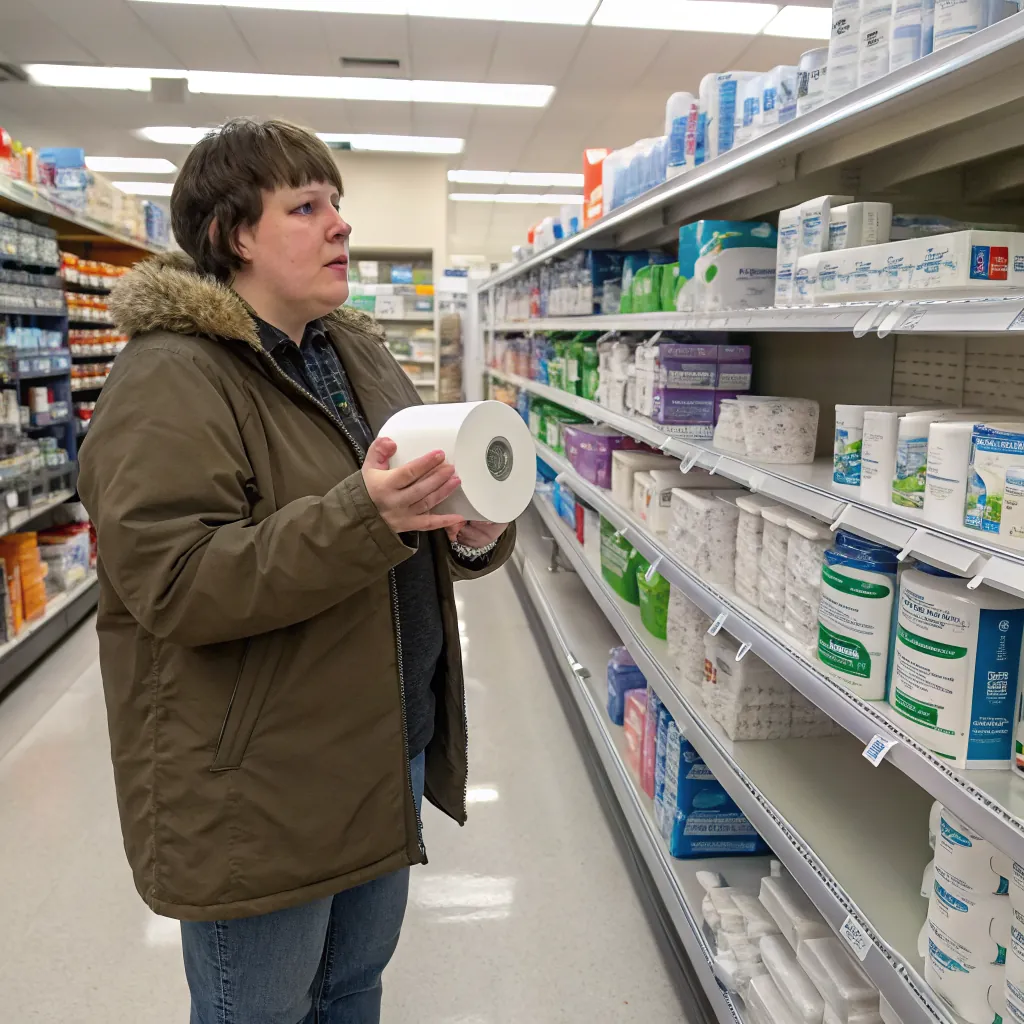
Many people wonder if everyday items like toilet paper can be bought with HSA funds. Confusion is common and spending incorrectly can cause problems.
Toilet paper is generally not HSA eligible. HSA funds are meant for medical expenses, and standard hygiene products like toilet paper are considered personal care, not qualified medical expenses.
Even though toilet paper seems essential, the IRS makes a clear distinction. Let’s explore what can and cannot be paid with HSA funds so you make informed choices.
Can toilet paper be purchased with HSA funds?
Imagine trying to pay for a pack of toilet paper with your HSA card and getting declined. This is more common than you think.
HSA funds cannot be used for regular toilet paper. Only items prescribed for medical reasons, such as special absorbent pads or wipes for certain health conditions, are allowed.

The IRS defines HSA-eligible expenses as those that treat or prevent a medical condition. Standard toilet paper does not qualify because it is a general household item. However, some specialty products, like medicated or hypoallergenic toilet paper recommended by a doctor, may qualify.
Using a regular HSA debit card for personal hygiene items can trigger penalties. The IRS imposes a 20% penalty on non-qualified expenses, plus taxes on the withdrawn amount. Some people mistakenly believe “health-related” means “any item used for health,” but the IRS is strict: the expense must address a medical condition directly.
Example Table: HSA-Eligible vs Non-Eligible Paper Products
| Product Type | HSA Eligible | Notes |
|---|---|---|
| Standard toilet paper | ❌ | General household use, not medical |
| Medicated toilet paper | ✅ | Prescribed for skin conditions or hemorrhoids |
| Wet wipes for sensitive skin | ✅ | If recommended by a physician |
| Bamboo eco-friendly toilet paper | ❌ | Only general hygiene |
Even within a family or workplace, this distinction matters. Using HSA funds correctly can save money on taxes and avoid future complications during audits. Companies may offer guidance, but ultimately, it’s the IRS rules that determine eligibility.
Some users turn to FSA accounts for flexible spending. FSAs have similar rules, so the same restrictions apply. Understanding these nuances ensures that healthcare funds are used effectively, without risk of penalties.
Are hygiene products covered under HSA rules?
Many assume that anything promoting cleanliness counts as medical. This misconception leads to denied claims and tax issues.
Most hygiene products are not covered under HSA rules. Only items needed to treat or prevent a specific medical condition qualify, such as prescription wipes, topical creams, or absorbent pads.
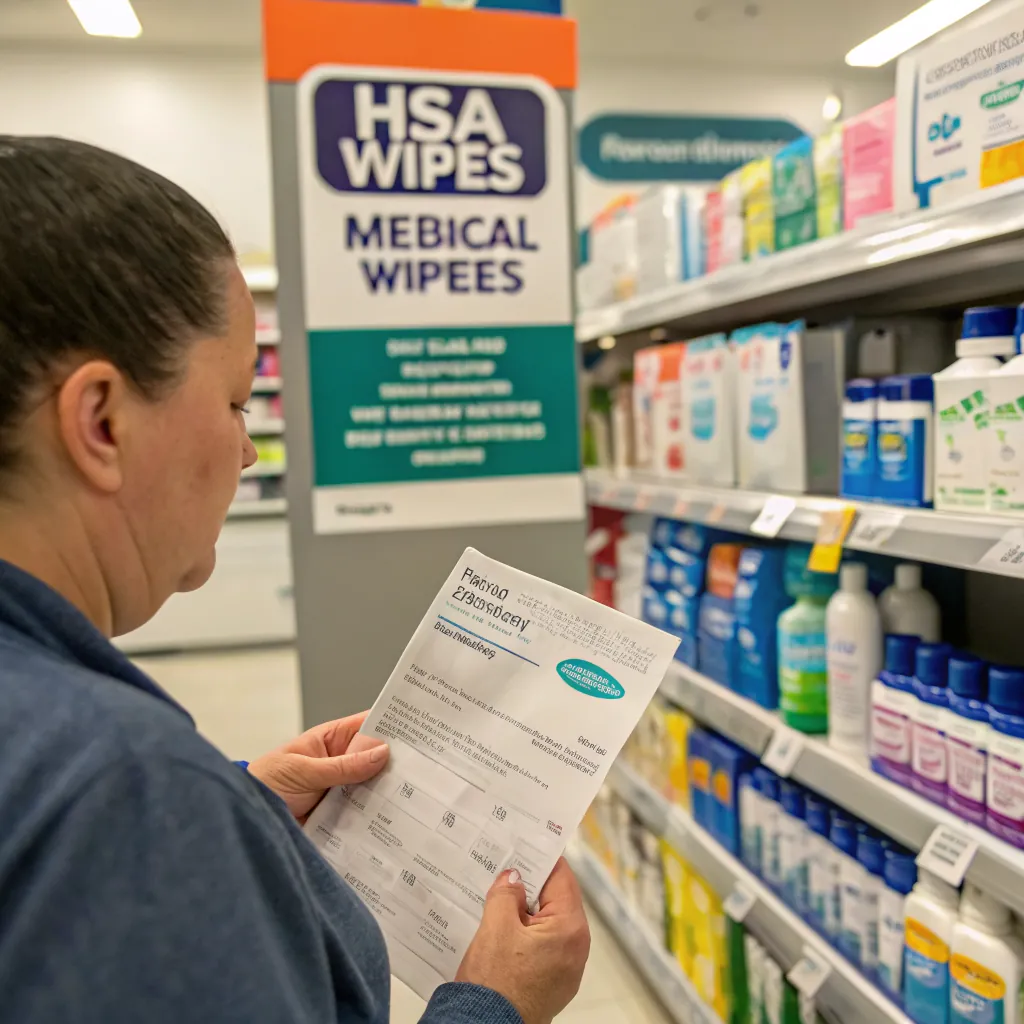
The IRS Publication 502 explains which items are considered medical expenses. Hygiene products, including soap, shampoo, toothpaste, deodorant, and standard toilet paper, are not qualified because they serve general wellness purposes rather than treating a condition.
HSA Hygiene Coverage Table
| Item | HSA Eligible | Explanation |
|---|---|---|
| Hand sanitizer | ❌ | General use, not prescribed |
| Antibacterial wipes | ✅ | If recommended for medical treatment |
| Prescription creams | ✅ | Treats a specific medical condition |
| Standard toothbrush | ❌ | General hygiene, not treatment |
Even if you have a chronic condition, only the specific items prescribed or recommended by a physician count. For example, someone with sensitive skin may need medical-grade wipes, but regular wipes or paper towels remain non-eligible.
In workplaces or schools, employers often provide hygiene supplies. These are reimbursed through general expenses, not HSA. Understanding this distinction is key for correct bookkeeping and avoiding penalties.
What IRS guidelines apply to toilet paper expenses?
Knowing the IRS rules is crucial. Using HSA funds improperly can lead to extra taxes and fines.
IRS Publication 502 governs HSA eligibility. Toilet paper is considered a personal care item and is not listed as a deductible medical expense. Only items directly addressing medical conditions are allowed.
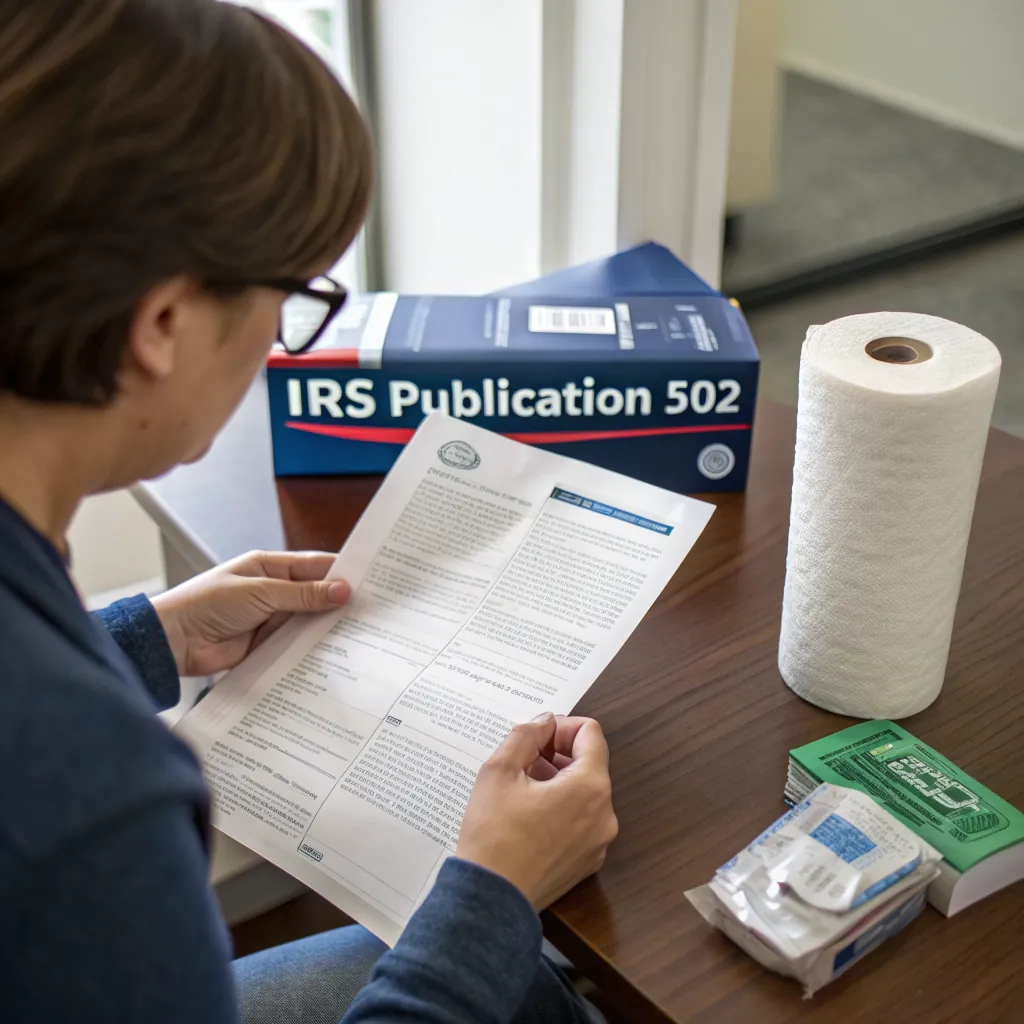
IRS Publication 502 clearly separates personal care from medical treatment. Qualified medical expenses are those that diagnose, cure, mitigate, treat, or prevent a disease. Toilet paper fails this test because it is used by everyone for general hygiene.
Even if toilet paper is used more due to a medical condition, the IRS does not consider increased usage a medical necessity. Only products with a direct prescription or documented medical purpose qualify. For example, hemorroidal pads or specially treated wipes could be HSA eligible if documented by a physician.
Table: IRS Guidelines Overview
| Category | Qualified for HSA | Notes |
|---|---|---|
| Personal hygiene items | ❌ | Includes toilet paper, soap, shampoo |
| Medically prescribed items | ✅ | Must have prescription or doctor's note |
| Preventive care treatments | ✅ | Vaccines, screenings, medical tests |
| Over-the-counter medications | ✅ | Only if used for specific medical treatment |
This distinction can prevent costly mistakes. Misuse of HSA funds could lead to audits, retroactive taxes, and penalties. Keeping receipts and documentation for medical items is essential for HSA compliance.
The IRS also updates guidance periodically. Staying aware of the latest rules ensures proper usage of HSA funds and avoids common misunderstandings about what counts as a qualified expense.
Is toilet paper considered a qualified medical expense?
Many hope that daily necessities like toilet paper count. Unfortunately, IRS rules are strict and specific.
Toilet paper is not considered a qualified medical expense. HSA funds should only pay for products that treat or prevent a health condition. Regular toilet paper does not meet these requirements.
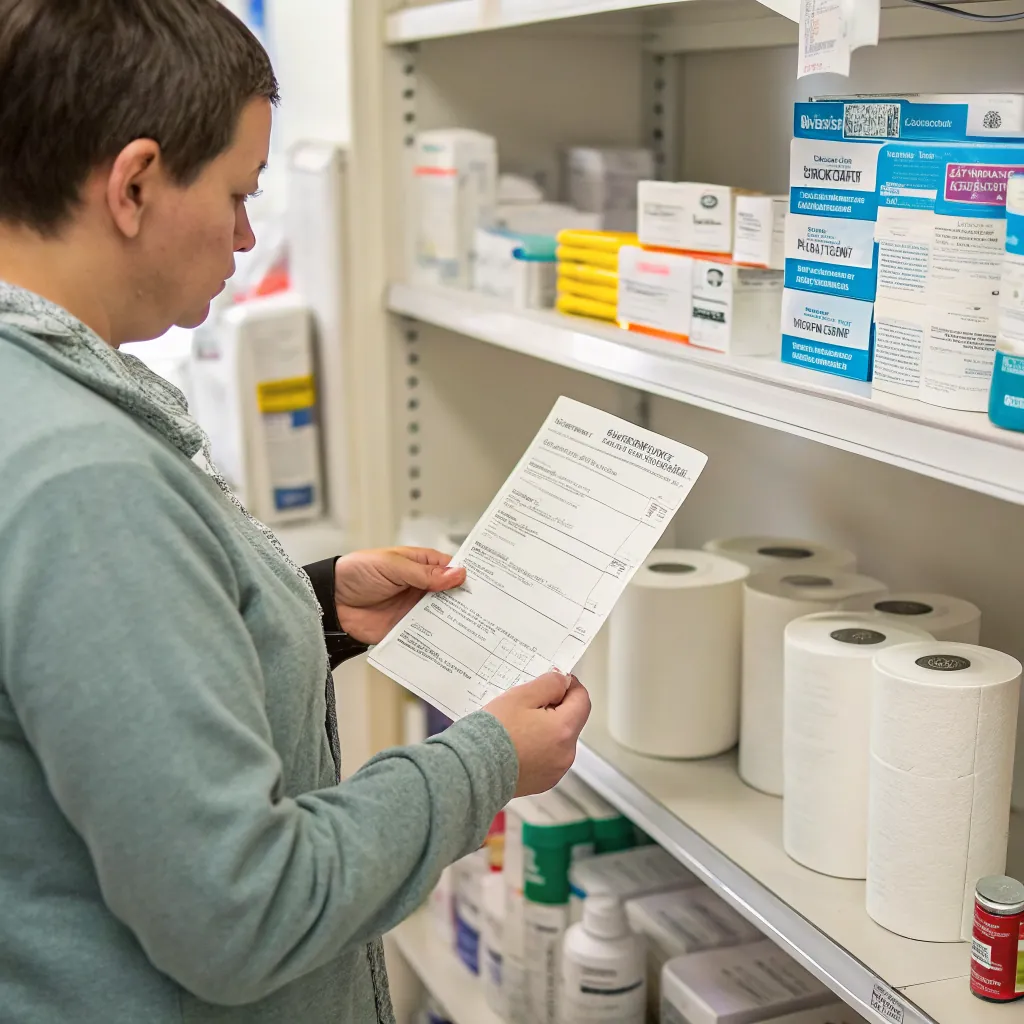
HSA-qualified medical expenses include doctor visits, medications, medical equipment, and supplies directly linked to treatment. Everyday items for hygiene are excluded, even if they improve comfort.
Key Points About Qualified Expenses
- Direct medical purpose: The product must treat a condition.
- Documentation: Physician recommendation or prescription may be required.
- IRS approved: Check Publication 502 for verification.
- Preventive vs. personal care: Preventive care may qualify; personal care items do not.
To make this more practical, suppose someone has a chronic skin condition that requires medicated wipes. If a physician prescribes these wipes, HSA funds can be used. Regular toilet paper, even if used more frequently due to the condition, is still non-eligible.
This separation may feel strict, but it keeps HSA funds focused on true medical needs. Misusing the account risks penalties and tax complications. Awareness and documentation are key.
In addition, companies often provide guidance through HR or benefits departments. They usually reiterate the same rules: personal hygiene is not reimbursable, but medical necessity items are.
Conclusion
Toilet paper and most hygiene products are not HSA eligible. Only items prescribed or recommended to treat a medical condition qualify, ensuring funds are used correctly and avoiding penalties.