Skip to content
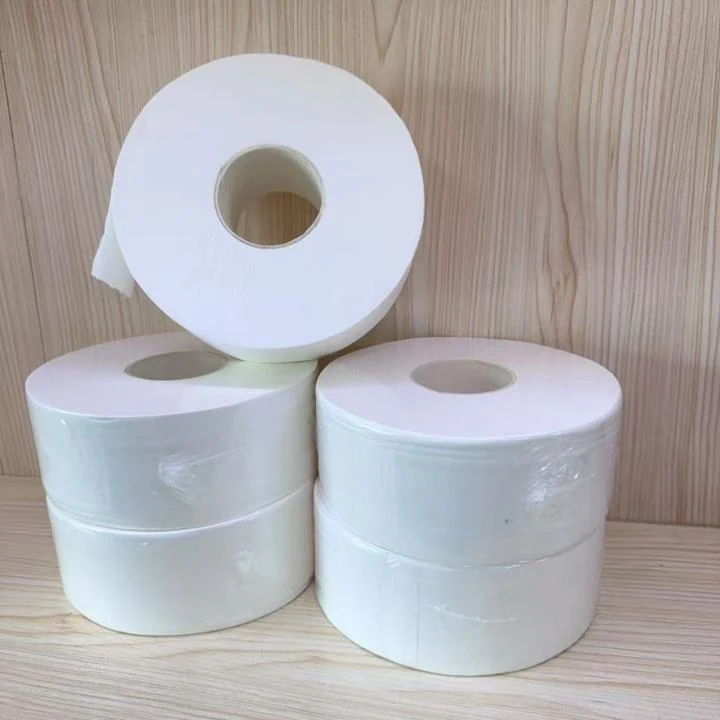
Toilet paper is something we use every day, but most people rarely think about how it dissolves. Why does it sometimes clog pipes or fail in septic systems?
The time it takes for toilet paper to dissolve depends on water temperature, paper thickness, and the type of system it goes into. Most standard toilet paper dissolves in minutes to a few hours in regular water.
Understanding how toilet paper dissolves can help prevent plumbing problems and maintain septic systems. Let’s explore the factors that influence this process.
Does warm water help dissolve toilet paper faster?
Warm water speeds up chemical and physical reactions. It can help toilet paper break down quicker, but not all papers react the same way.
Yes, warm water can help toilet paper dissolve faster because it softens the fibers and allows them to break apart more easily.
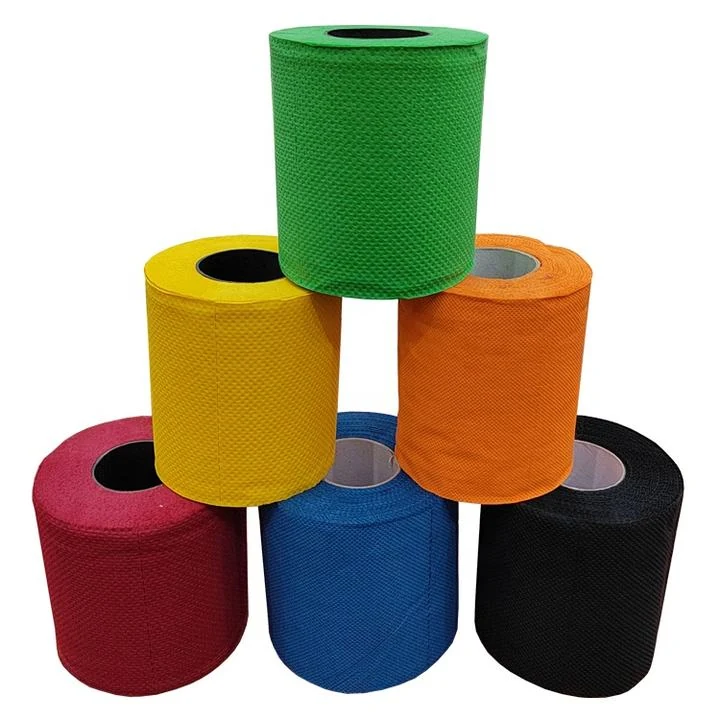
When we look at warm water versus cold water, the difference in dissolution is noticeable. In cold water, the fibers of toilet paper stay tighter, which means they take longer to separate. Warm water allows the cellulose fibers to swell and tear apart quickly. This is particularly useful for plumbing systems that already have minor clogs or when using thick paper.
Factors that influence warm water effectiveness
- Temperature: Higher temperatures speed up fiber breakdown. Around 40–50°C (104–122°F) is usually effective without damaging pipes.
- Paper type: Multi-ply papers dissolve slower even in warm water because their layers are tightly bonded.
- Agitation: Stirring or flowing water helps distribute heat and break fibers apart faster.
| Water Temperature | Approximate Dissolve Time |
|---|---|
| Cold (10°C/50°F) | 30–60 minutes |
| Warm (40°C/104°F) | 5–15 minutes |
| Hot (60°C/140°F) | 2–10 minutes |
Using warm water alone doesn’t guarantee instant dissolving. Some premium brands are designed to stay strong in water for comfort, so even warm water may need a few extra minutes. In practice, combining warm water with movement, like flushing, achieves the best results.
Are some brands quicker to dissolve than others?
Not all toilet paper is created equal. Some brands use thin, fast-dissolving layers, while others focus on softness and strength.
Yes, certain brands dissolve faster due to their material composition and thickness. Brands designed for septic systems or RVs are optimized for rapid breakdown.
Brand differences matter. Commercial brands often use stronger adhesives and multi-ply designs to improve user comfort. While these features make them more durable, they also slow down dissolution. On the other hand, generic or RV/septic-friendly papers are thinner and made with weaker fibers, so they dissolve quickly without clogging.
Comparing brand performance
| Brand Type | Ply | Dissolve Time | Notes |
|---|---|---|---|
| Septic-safe | 1-2 | 2–5 minutes | Made for septic tanks and RVs |
| Standard retail | 2-3 | 15–60 minutes | Stronger, softer layers |
| Luxury/premium | 3+ | 30–120 minutes | Soft, durable, slower to dissolve |
I’ve tested this at home by tearing sheets into water. Thinner sheets fell apart within a few minutes. Multi-ply luxury sheets stayed intact longer. If you’re managing plumbing or septic systems, choosing a fast-dissolving brand prevents backups and reduces maintenance.
How does paper thickness affect dissolve time?
Thicker paper generally takes longer to dissolve because the layers are bonded together. Thin paper allows water to penetrate quickly, breaking fibers apart.
Thicker toilet paper slows down the dissolution process, while single-ply or ultra-thin papers dissolve almost immediately in water.
Thicker papers are popular because they feel soft and sturdy. But these advantages come at a cost: water penetration is slower. Multi-ply papers hold together even when wet, which is great for use but risky for plumbing. Thin or single-ply papers are weaker but dissolve quickly.
Why thickness matters for plumbing
- Water penetration: Thin sheets soak up water and fall apart. Thick sheets can form clumps.
- Clogging risk: Multi-ply rolls can combine with other debris to block pipes.
- Septic system impact: Thick papers may linger, causing solids to accumulate faster.
Thickness vs Dissolve Time Table
| Paper Thickness | Ply | Dissolve Time | Plumbing Risk |
|---|---|---|---|
| Ultra-thin | 1 | 1–5 minutes | Low |
| Medium | 2 | 10–30 minutes | Moderate |
| Thick/premium | 3+ | 30–120 minutes | High |
Choosing the right paper is a balance between comfort and practicality. In my experience, many homeowners underestimate how multi-ply papers affect plumbing. I always recommend considering your household plumbing type and septic setup before buying thicker toilet paper.
Can toilet paper dissolve fully in septic systems?
Septic systems rely on bacteria to break down organic material. Toilet paper should dissolve fully to prevent system failure, but not all papers are septic-safe.
Toilet paper can dissolve fully in septic systems if it is designed to be septic-safe or is thin enough to break down quickly before reaching the bacterial tank.
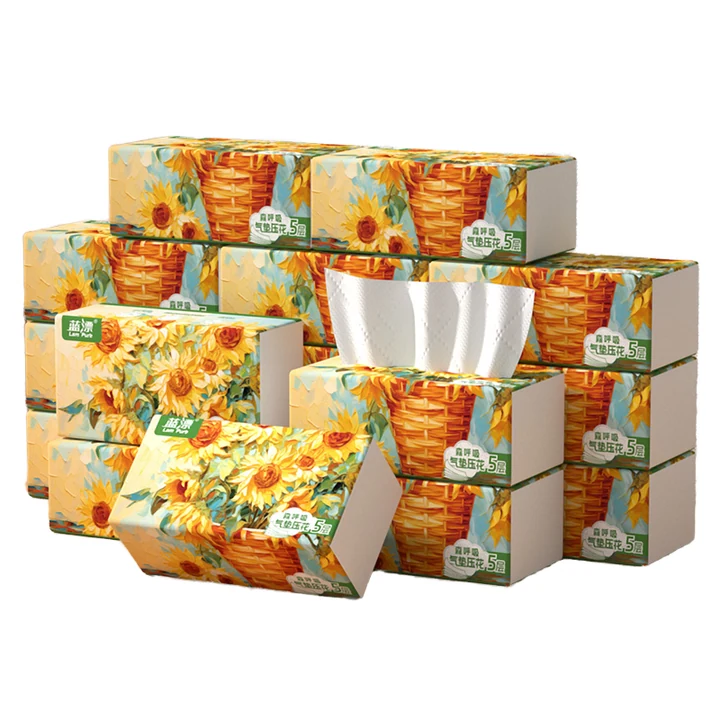
Septic tanks are sensitive to material buildup. Papers that take too long to dissolve can accumulate, causing backups or slowing bacterial activity. Septic-friendly papers use shorter fibers and minimal adhesives, allowing them to break down completely.
Tips for septic system compatibility
- Use septic-safe brands: Check packaging for certification.
- Avoid luxury multi-ply: These can resist bacterial breakdown.
- Monitor usage: Heavy use of thick paper may require more frequent tank maintenance.
Septic System Compatibility Table
| Paper Type | Ply | Septic-safe | Dissolve Time | Notes |
|---|---|---|---|---|
| RV/Septic paper | 1-2 | Yes | 2–5 minutes | Designed for rapid breakdown |
| Standard household | 2-3 | Sometimes | 15–60 minutes | Can accumulate in tank |
| Luxury/premium | 3+ | No | 30–120 minutes | Avoid in septic systems |
For anyone managing a septic tank, the best approach is to select papers made for this purpose. I’ve observed that even with regular maintenance, non-septic papers cause frequent service calls and extra costs. Using proper papers ensures smooth operation and fewer surprises in the system.
Conclusion
Toilet paper dissolves at different speeds depending on water temperature, paper thickness, and brand. Warm water and thinner, septic-safe papers dissolve fastest, protecting plumbing and septic systems.