Opening a roll of toilet paper, we rarely think about its journey after use. But improper disposal can harm the environment. How long it takes to decompose matters for our waste management choices.
Toilet paper generally breaks down quickly in the right conditions. It can decompose in a few weeks to a couple of months, depending on thickness, material, and environment.
Understanding decomposition helps us choose products and manage waste better. Let's explore how different factors affect the speed at which toilet paper disappears.
Does ply thickness affect decomposition speed?
Thicker toilet paper may feel more luxurious, but does it last longer in nature? Many people assume one-ply decomposes faster than two- or three-ply. This is true because thinner paper has less material to break down.
One-ply toilet paper breaks down faster than two- or three-ply types due to its lower fiber density and smaller mass per sheet.
Breaking down the layers
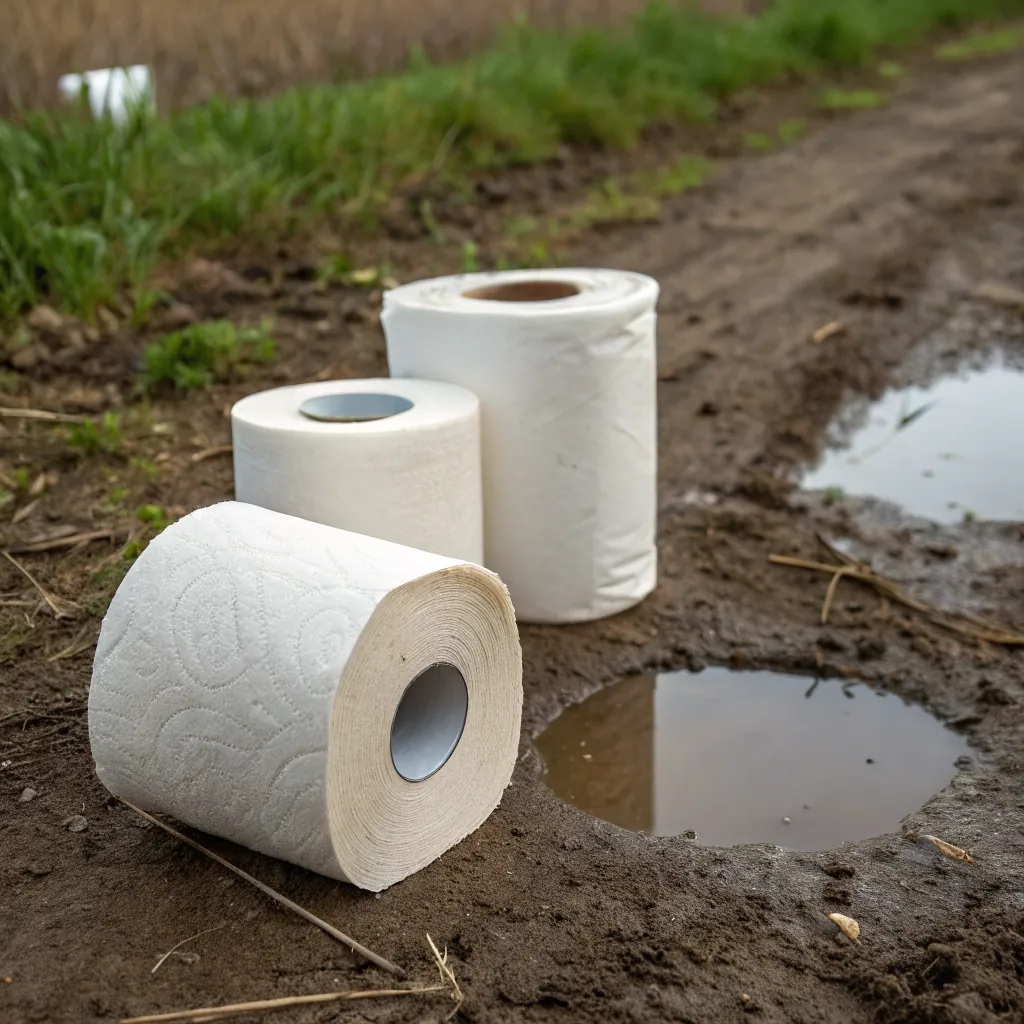
Thicker toilet paper has multiple layers of fibers. Each layer absorbs water, swells, and starts decomposing. However, the inner layers may take longer to break down, especially if the paper is tightly pressed. Environmental conditions like moisture, temperature, and microorganisms also play a big role.
Comparison Table: Ply vs Decomposition
| Ply Type | Approximate Decomposition Time | Notes |
|---|---|---|
| 1-ply | 2-4 weeks | Quickest to dissolve in water or soil |
| 2-ply | 4-6 weeks | Holds together longer, slower breakdown |
| 3-ply | 6-8 weeks | Thickest, may leave residue if buried |
Factors that slow decomposition
Dense fibers, chemical additives, and wax coatings can slow down the breakdown. In some premium toilet papers, lotions or softeners reduce water absorption, making decomposition slower. Even small differences in ply thickness can affect how fast bacteria and fungi act on the paper.
Practical tip
If you want a faster-degrading option, one-ply or eco-friendly brands often work best. They are thinner, dissolve easily, and leave less residue behind. It is not only about the feel but also about environmental impact.
How does toilet paper break down in septic systems?
Septic systems are common in homes without city sewage. Toilet paper must dissolve to avoid clogs. Not all papers behave the same way in these systems.
In septic tanks, most standard toilet paper breaks down within a few days to a couple of weeks, depending on water flow and microbial activity.
Mechanism of decomposition in septic systems
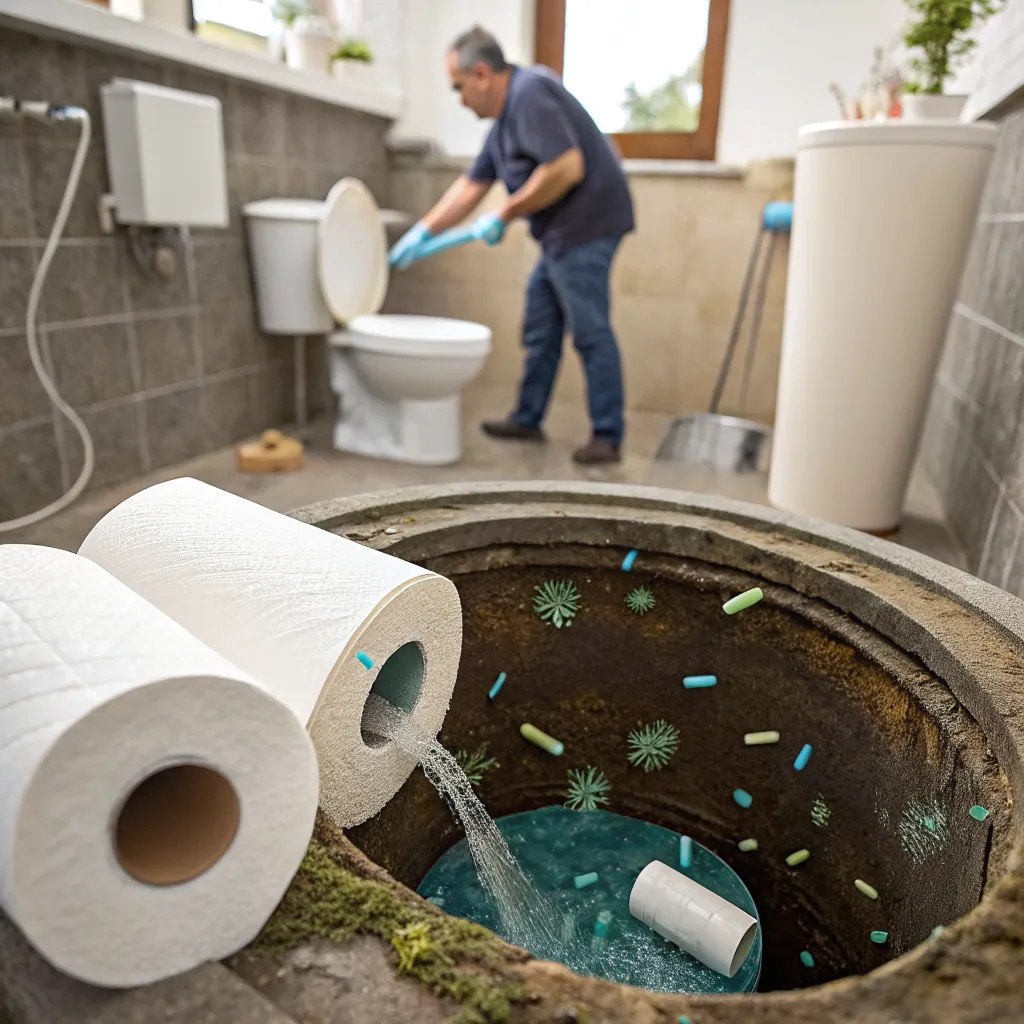
Septic tanks rely on bacteria and enzymes to decompose organic matter. Toilet paper, being cellulose-based, is easy for microbes to digest. Water flow helps to distribute microbes evenly, accelerating breakdown. However, paper that is thick or has chemical coatings may resist disintegration, causing blockages.
Impact of household habits
Frequent flushing of large sheets at once can overload the system, slowing decomposition. Low water usage may leave paper partially intact, creating mats that reduce tank efficiency. Using septic-safe brands reduces the risk of plumbing issues and speeds up the breakdown process.
Table: Toilet Paper in Septic vs Environment
| Environment | Decomposition Time | Key Factors |
|---|---|---|
| Septic system | 3-14 days | Microbial activity, water flow, thickness |
| Soil or compost | 2-8 weeks | Moisture, oxygen, microbial diversity |
| Landfill | Several months | Lack of oxygen slows decomposition |
Tips for septic systems
Choose paper labeled "septic safe." Avoid multi-layered, heavily scented, or lotion-infused paper. Cut large sheets before flushing if needed. These small changes prevent clogs and support faster microbial breakdown.
Can decomposition time vary by material?
Not all toilet papers are created equal. Some use virgin wood pulp, while others rely on recycled fibers or bamboo. Material choice affects speed.
Toilet paper made from recycled fibers or bamboo often decomposes faster than chemically treated or synthetic papers.
Material differences
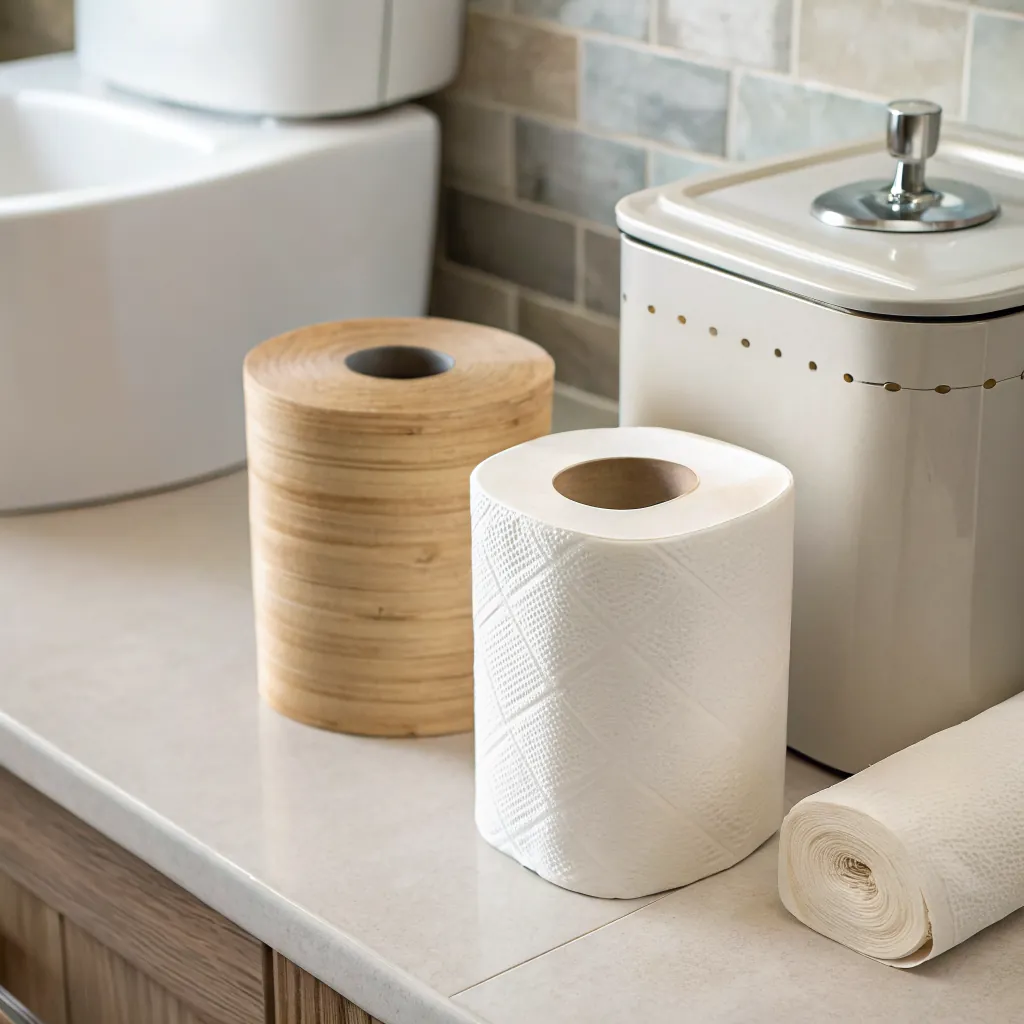
Virgin wood pulp is soft and strong but may contain chemical additives. Recycled paper contains shorter fibers that break down more quickly. Bamboo paper is naturally fibrous, absorbs water fast, and decomposes easily. Synthetic blends or coated papers resist moisture and degrade slowly.
Detailed comparison
| Material | Approximate Decomposition | Notes |
|---|---|---|
| Virgin wood pulp | 4-6 weeks | Soft, strong, may contain additives |
| Recycled paper | 2-4 weeks | Short fibers, faster breakdown |
| Bamboo | 2-3 weeks | Highly absorbent, eco-friendly |
| Synthetic blend | Several months | Resistant to water, slow degradation |
Environmental impact
Materials that break down faster reduce landfill space and prevent waterway pollution. Choosing recycled or bamboo options supports eco-friendly waste management. Even small choices, like avoiding chemical coatings, improve decomposition speed.
Understanding real-world effects
Environmental factors can override material differences. Wet, warm, and microbe-rich conditions accelerate decay. Cold, dry, or low-microbial settings slow decomposition regardless of material. Knowing your local disposal conditions can help you select the most suitable paper type.
Is biodegradable toilet paper faster to degrade?
Biodegradable toilet paper promises fast decomposition and minimal environmental impact. These papers are usually made from recycled materials or plant fibers with no chemicals.
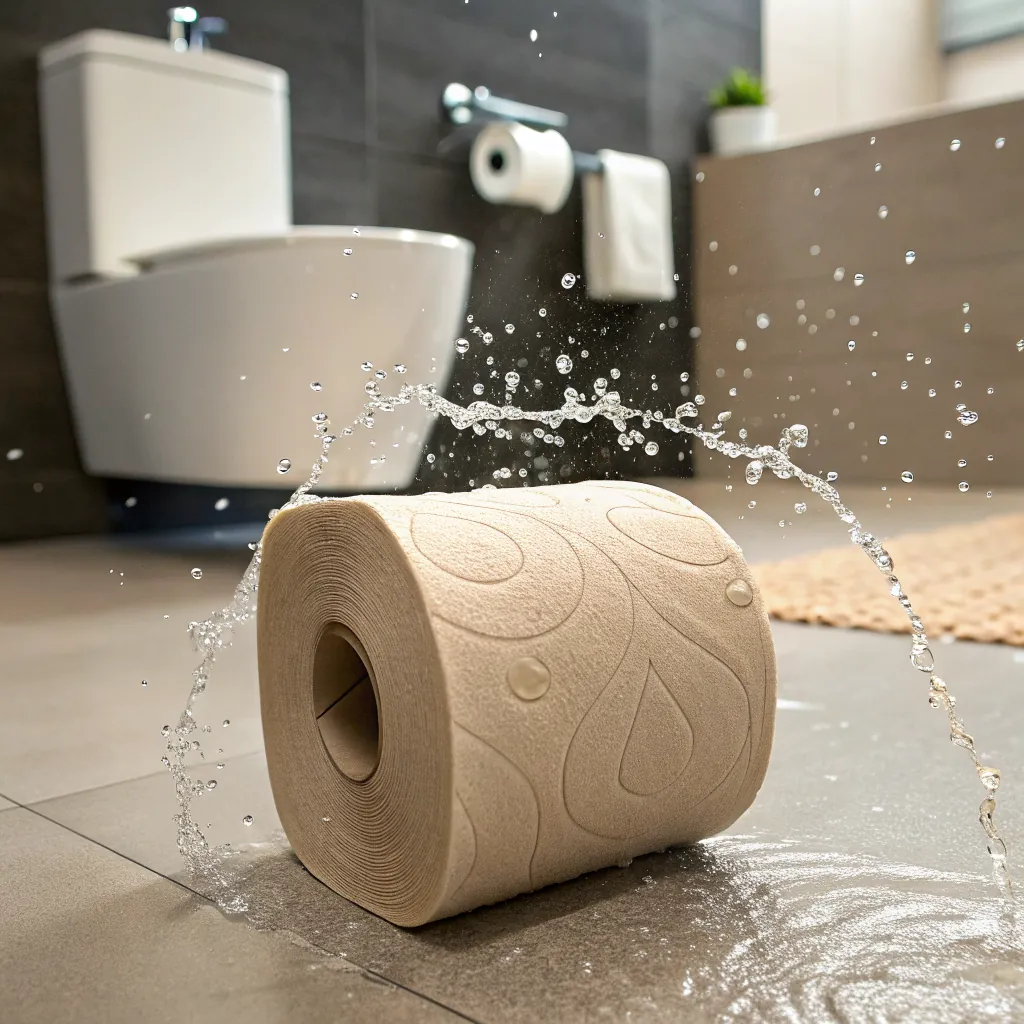
Biodegradable toilet paper can break down in 1-3 weeks in moist, warm environments, faster than standard paper.
What makes it biodegradable?
Manufacturers avoid additives, dyes, and coatings. They use short, untreated fibers. The paper is designed to dissolve quickly in water and support microbial digestion. Certification labels, like FSC or eco-friendly marks, indicate adherence to environmental standards.
Benefits beyond decomposition
Biodegradable paper reduces landfill pressure, lowers pollution risks, and often supports sustainable forestry. Hotels, restaurants, and households that use these papers contribute less to environmental stress. The shorter decomposition time also improves performance in septic systems.
Practical insights
Even biodegradable paper requires proper conditions. Dry landfills may slow the process. For best results, composting or flushing in septic-safe conditions ensures complete breakdown. Combining biodegradable materials with responsible disposal maximizes environmental benefits.
Final considerations
Choosing biodegradable or eco-friendly toilet paper is not just about personal preference. It affects water systems, landfills, and microbial ecosystems. While cost may be slightly higher, the environmental gains are significant. Fast decomposition reduces waste accumulation and supports cleaner communities.
Conclusion
Toilet paper decomposition depends on ply, material, and environment. One-ply, recycled, or biodegradable papers degrade fastest. Understanding these factors helps manage waste effectively and protect ecosystems.