Skip to content
Opening paragraph:
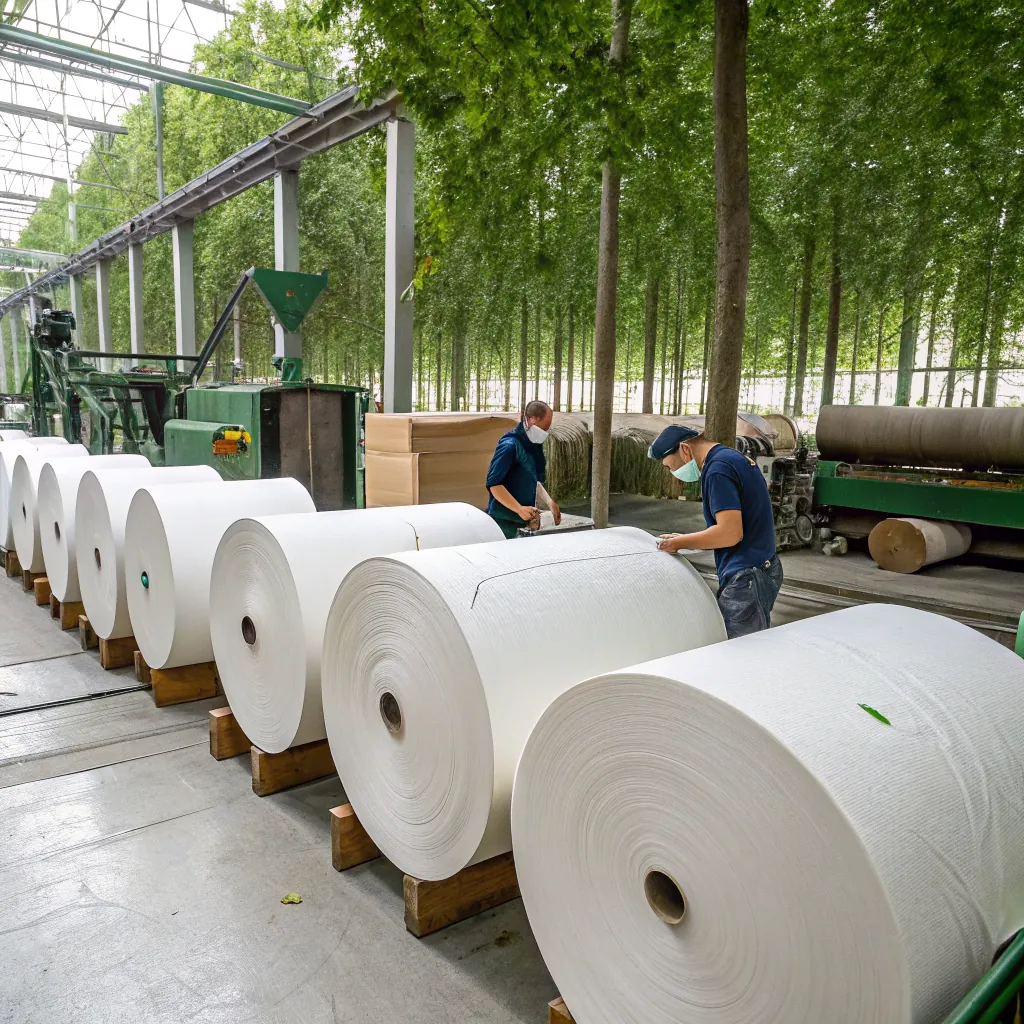
Ever wondered why toilet paper feels so soft and fluffy? The answer often leads back to a surprising source: trees.
Most conventional toilet paper is made from wood pulp sourced from trees. Softwood and hardwood are pulped, processed, and turned into the tissues we use every day.
Yet, not all toilet paper is identical, and alternatives are growing in popularity.
What types of trees are used to make toilet paper?
Opening paragraph:
Have you noticed how some toilet paper feels stronger than others? The type of tree behind it matters a lot.
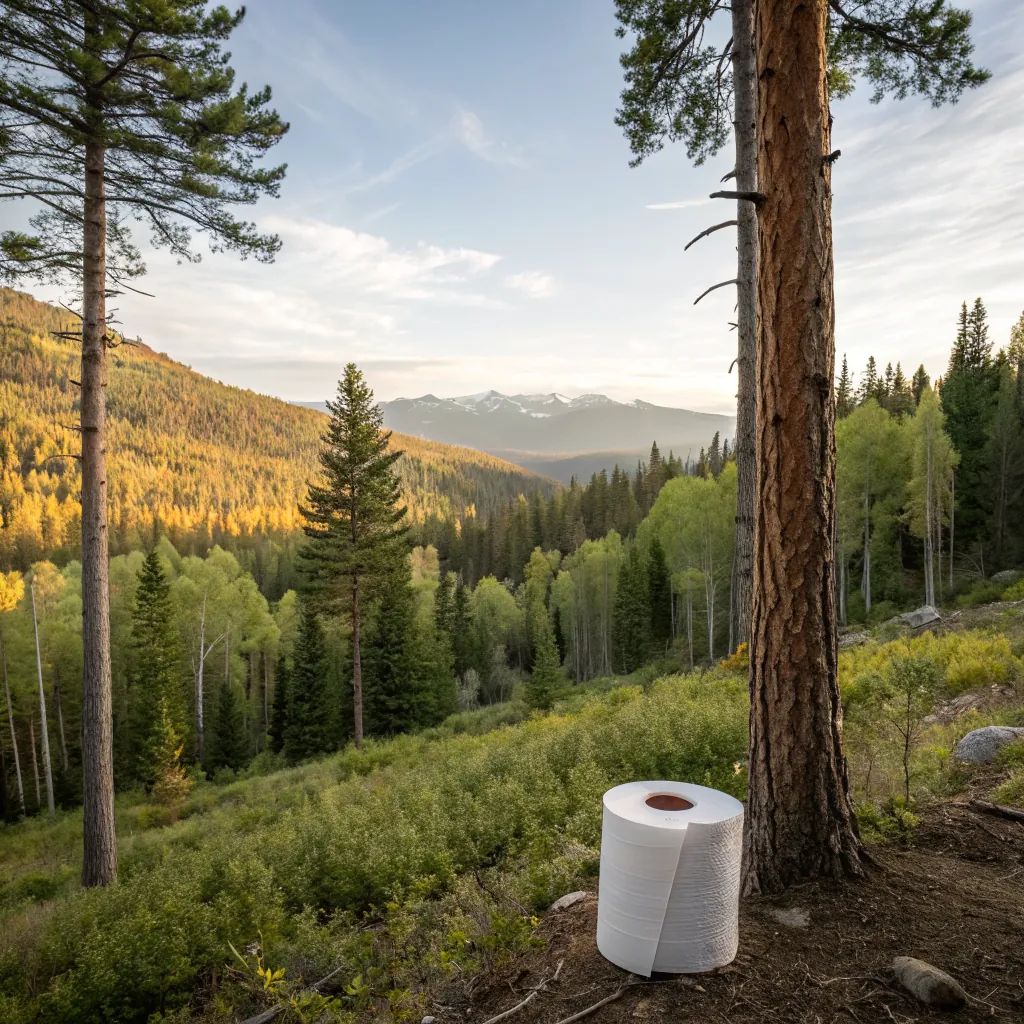
Softwood trees like pine and spruce are often used for strength, while hardwood trees like eucalyptus and birch provide smoothness and softness for daily comfort.
Types of Trees in Detail
Softwood trees are fibrous and longer in structure. This makes the toilet paper stronger and ideal for industrial rolls and jumbo-sized products. Hardwood trees, on the other hand, have shorter fibers. Short fibers make the tissue soft and gentle on skin, which is why premium toilet paper often contains more hardwood pulp.
| Tree Type | Example | Purpose in Toilet Paper |
|---|---|---|
| Softwood | Pine, Spruce | Strength, durability |
| Hardwood | Eucalyptus, Birch | Softness, smoothness |
| Mixed | Pine + Eucalyptus | Balanced softness and strength |
The processing methods also affect the final product. Chemical pulping separates fibers more efficiently, producing a smoother tissue. Mechanical pulping keeps fibers longer but can be rougher. Manufacturers often mix these approaches to meet consumer preferences. For instance, household toilet paper might favor softness, while commercial rolls lean toward strength and absorbency. Understanding the type of tree used can explain why some brands feel plush while others are rougher but more durable.
Are all toilet paper brands tree-based?
Opening paragraph:
Do all toilet papers come from trees? It might seem so when you look at the shelves in stores.
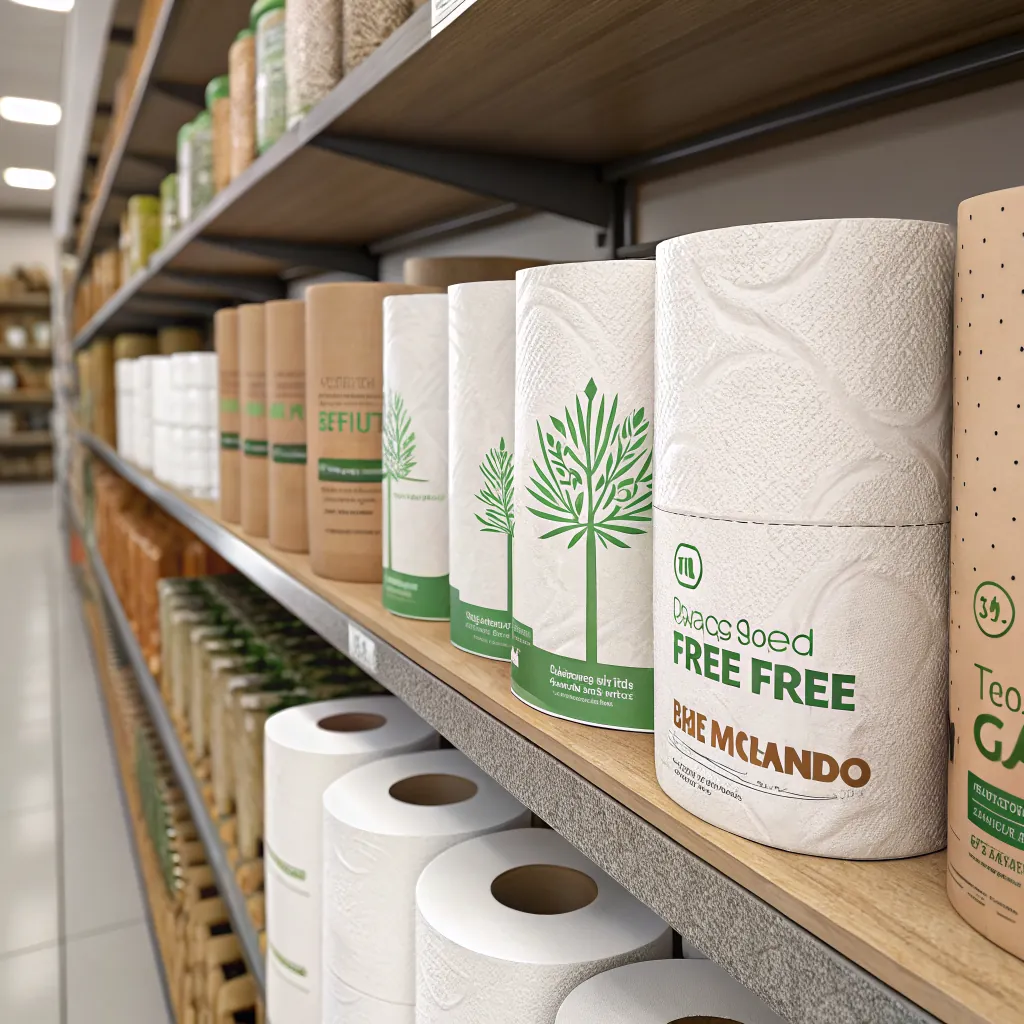
Not all brands rely solely on trees. Some use recycled paper, sugarcane, bamboo, or other plant fibers to reduce deforestation and environmental impact.
Tree-Free Options in the Market
Recycled paper toilet paper is a common alternative. It reuses post-consumer or post-industrial paper to reduce demand for virgin wood pulp. While recycled fibers can be rougher, modern techniques improve softness and strength. Some brands also add eco-friendly chemicals to bleach and strengthen recycled fibers without harming the environment.
| Material | Example | Notes |
|---|---|---|
| Recycled Paper | Post-consumer waste | Eco-friendly, slightly less soft |
| Sugarcane Bagasse | Agro-industrial residue | Soft, renewable, tree-free |
| Bamboo | Bamboo pulp | Fast-growing, sustainable, tree-free |
Some manufacturers blend recycled paper with virgin fibers to balance cost, quality, and environmental impact. Tree-free options are gaining attention among environmentally conscious consumers and brands that aim to meet green certifications like FSC or eco-labels.
Is bamboo a tree-free toilet paper option?
Opening paragraph:
Bamboo grows incredibly fast. Could it replace trees in toilet paper production?
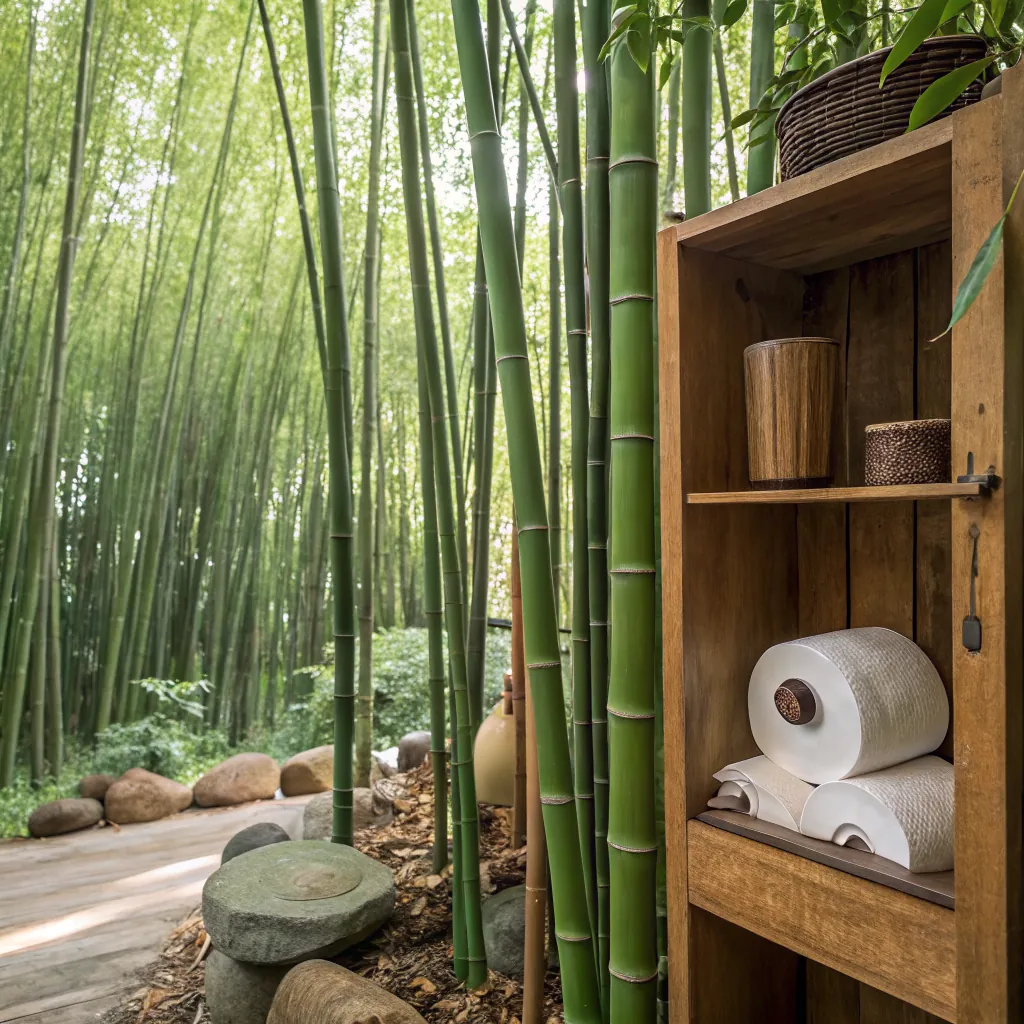
Yes, bamboo is one of the most popular tree-free alternatives. It grows quickly, requires less water, and can be harvested sustainably without deforestation.
Why Bamboo Works Well
Bamboo fibers are naturally long and strong, similar to softwood fibers, yet they can be processed to create smooth, soft tissues. Bamboo also has antibacterial properties, which adds a subtle benefit for hygiene products. Manufacturers often use a combination of bamboo pulp and recycled fibers to balance cost and performance.
Advantages of Bamboo Toilet Paper
- Rapid growth: Bamboo reaches maturity in 3-5 years, unlike hardwood trees that take decades.
- Sustainable: Harvesting bamboo does not destroy ecosystems.
- Strong and soft: Long fibers improve strength; processing ensures comfort.
- Eco-friendly chemicals: Modern bamboo tissue uses fewer harsh chemicals than traditional pulp bleaching.
Bamboo-based toilet paper is increasingly available in retail and B2B markets. Companies targeting Africa and Asia often highlight bamboo as a selling point for eco-conscious consumers and commercial clients.
How can I identify tree-free toilet paper?
Opening paragraph:
Want to avoid cutting down trees for your bathroom? Identifying tree-free toilet paper is easier than you might think.
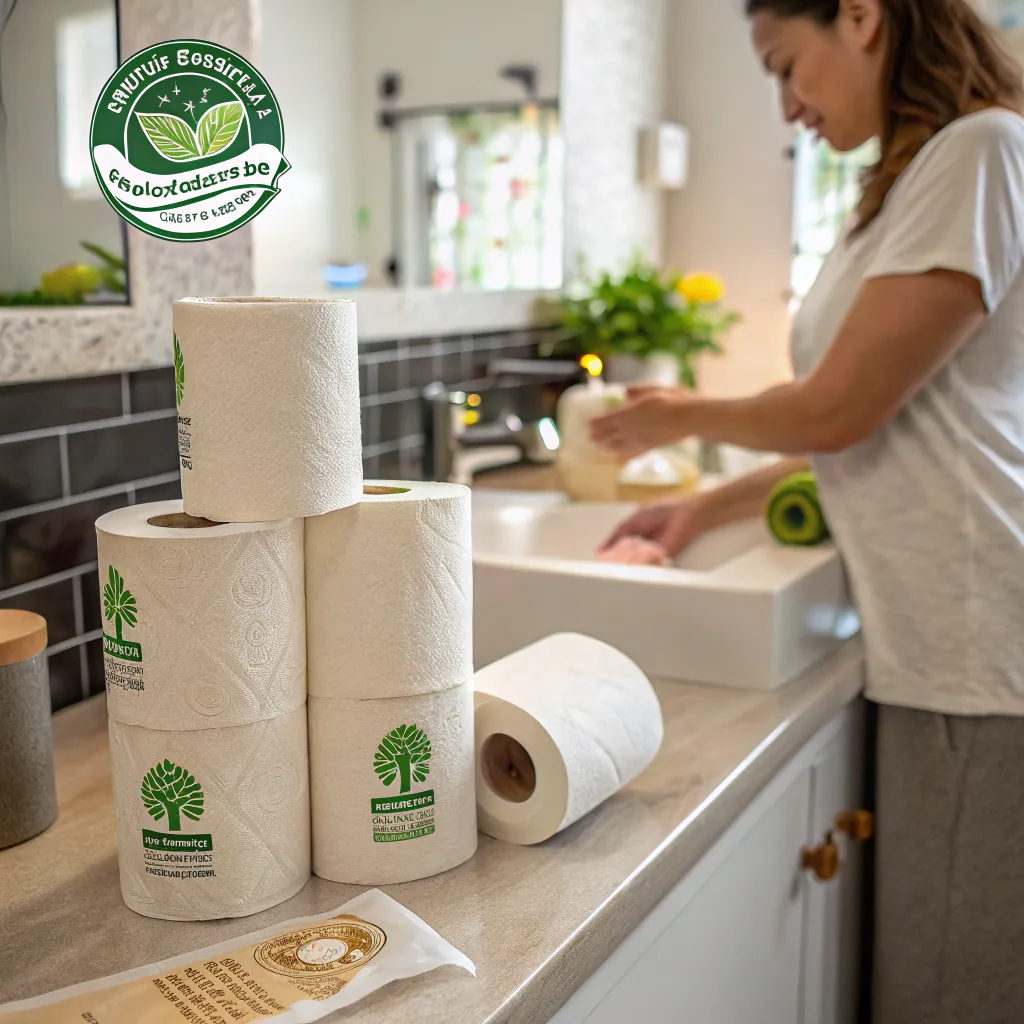
Look for labels like “100% bamboo,” “sugarcane fiber,” “recycled,” or certified eco-labels. Packaging often highlights tree-free status and sustainability claims.
Tips for Choosing Tree-Free Paper
Reading labels is the first step. Certifications like FSC, PEFC, or eco-labels confirm that the paper is responsibly sourced or recycled. Additionally, some brands indicate whether the paper is fully biodegradable or chlorine-free, which adds environmental value. If the brand does not clearly mention the material, the safest assumption is that it contains tree pulp.
Practical Ways to Confirm Tree-Free Status
- Check Material Lists: Bamboo, sugarcane bagasse, or recycled paper are tree-free.
- Look for Certifications: FSC Mix, Green Seal, or EcoLogo.
- Contact Manufacturers: For B2B buyers, suppliers like JIEDA provide detailed material sheets.
- Examine Packaging: Eco-friendly brands often promote tree-free benefits on the front.
Many tree-free toilet paper options still provide strong performance. Bamboo and recycled fibers, when processed correctly, match the softness, absorbency, and durability of tree-based tissues. Choosing tree-free products reduces deforestation and supports sustainable production practices. Over time, consumer preference drives brands to expand tree-free options, offering more affordable choices in supermarkets and wholesale markets worldwide.
Summary Table for Identification
| Feature | Indicator | Notes |
|---|---|---|
| Fiber Type | Bamboo, Bagasse, Recycled | Confirms tree-free material |
| Certification | FSC, PEFC, EcoLogo | Validates sustainability claims |
| Packaging | “100% tree-free,” “Eco-friendly” | Quick visual check |
| Manufacturer Info | Material specification | Contact supplier for confirmation |
Conclusion
Toilet paper is mostly made from trees, but alternatives like bamboo, sugarcane, and recycled paper offer eco-friendly options. Identifying tree-free products is possible through labels, certifications, and material lists, making it easier to support sustainable choices.