When shopping for toilet paper, we often don’t think much about the chemicals that might be lurking inside. Formaldehyde is a chemical that has caused concern in many everyday products. But is it present in toilet paper?
Yes, toilet paper can contain formaldehyde, but it is usually in trace amounts, regulated by safety standards. Formaldehyde might be used in the paper production process but typically does not pose a risk to consumers.
As consumers become more aware of potential chemical additives, it’s important to understand why formaldehyde might be in paper products and how to choose safer options. Let's dive into why formaldehyde is used, how it affects skin, and which brands prioritize chemical-free products.
Why Would Formaldehyde Be Used in Paper Products?
Formaldehyde is a common chemical used in various industrial processes, and the paper industry is no exception. It can be used to help preserve paper products, making them more resistant to damage or decomposition. The use of formaldehyde can also aid in improving the overall quality and strength of paper.
Formaldehyde is used in the paper-making process for a variety of reasons, such as enhancing paper strength and durability. However, it is often a byproduct rather than a direct additive in toilet paper.
Why is Formaldehyde Important in Paper Production?
In the production of paper products, formaldehyde helps to reduce the degradation of the paper fibers. It can also assist in the bleaching process, helping to make paper whiter and more aesthetically pleasing. In the case of toilet paper, some manufacturers may use it to extend the shelf life of the product or improve its performance during production.
However, it’s essential to note that formaldehyde is not always directly added. Instead, it can be a byproduct of chemicals used in the bleaching or pulping processes.
How Much Formaldehyde Is in Toilet Paper?
The amount of formaldehyde in toilet paper is usually very low. Strict regulations govern the amount of formaldehyde allowed in consumer products, ensuring that the levels are safe. Most reputable brands produce toilet paper that adheres to these standards, making it unlikely that you would encounter significant amounts of formaldehyde in the product you buy.
Even though the presence of formaldehyde in toilet paper is minimal, it is still a good practice to check for certifications like FSC or ISO to ensure that the product is processed responsibly.
Is Formaldehyde in Toilet Paper Harmful to Skin?
For most people, the trace amounts of formaldehyde in toilet paper do not pose a significant health risk. However, for individuals with sensitive skin or allergies, even low levels of formaldehyde can cause irritation.
Formaldehyde in toilet paper is unlikely to cause harm to your skin, but those with sensitive skin may experience discomfort or irritation, especially if they already have conditions like eczema or allergies.
Sensitivity to Formaldehyde
Formaldehyde is a known irritant. People with sensitive skin may react negatively to even small quantities. The irritation can cause redness, dryness, or rashes. However, most people do not experience any side effects from the small amounts of formaldehyde found in toilet paper.
If you are concerned about skin irritation, it's a good idea to opt for hypoallergenic or fragrance-free toilet paper, as these products are typically free of chemical additives.
What Are the Symptoms of Skin Irritation from Formaldehyde?
If you experience irritation after using toilet paper with formaldehyde, the following symptoms may occur:
- Redness
- Itching
- Dryness
- Rash or bumps
If you have any of these symptoms, switching to a chemical-free or natural alternative could alleviate the discomfort.
Which Brands Avoid Chemical Additives in Tissue?
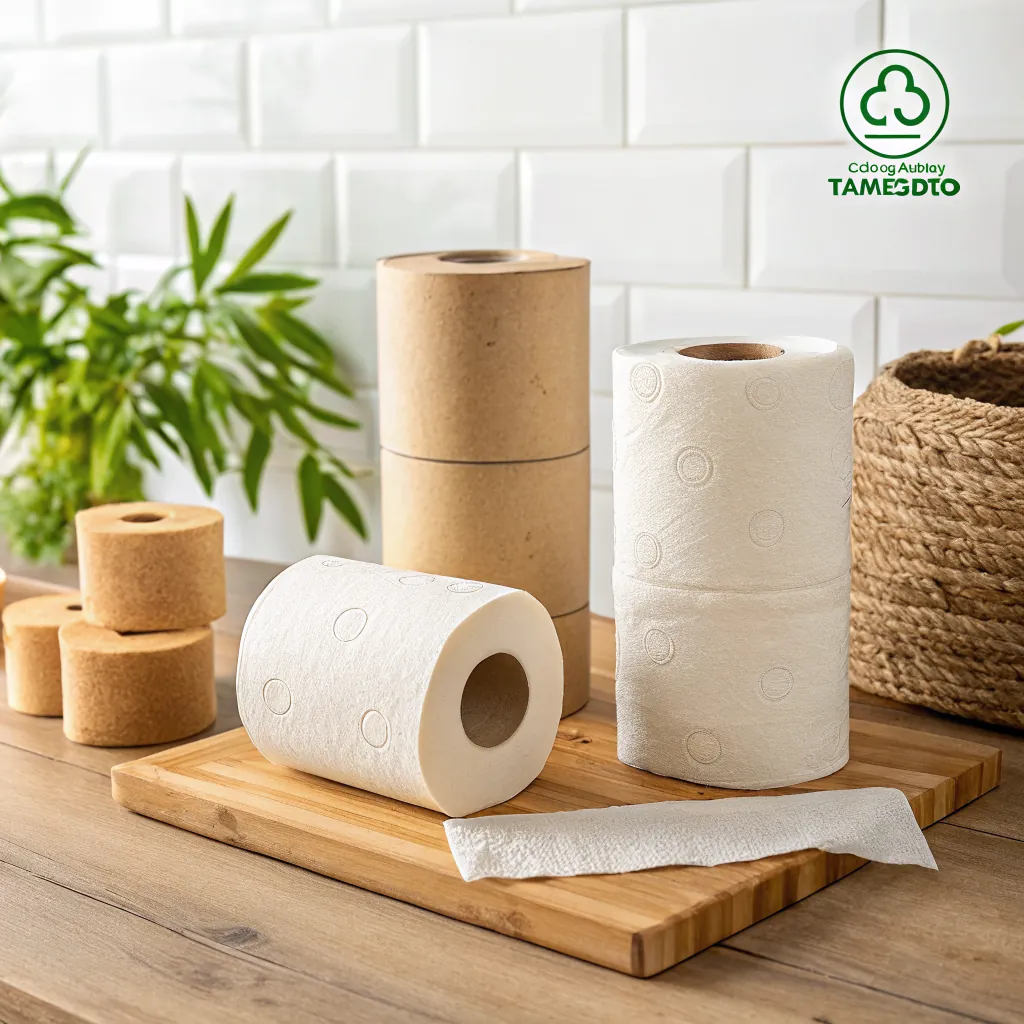
There are many brands that focus on producing toilet paper without chemical additives, fragrances, or bleach. These products are often made from recycled materials or sustainably sourced fibers like bamboo.
Brands like Who Gives A Crap, Seventh Generation, and certain bamboo-based companies emphasize chemical-free production, offering alternatives to traditional paper products.
Popular Brands to Consider
When looking for toilet paper free of harmful chemicals, consider the following brands:
| Brand | Features | Material | Price Range |
|---|---|---|---|
| Who Gives A Crap | Chemical-free, eco-friendly packaging | Bamboo, Recycled | Mid-High |
| Seventh Generation | 100% recycled, bleach-free | Recycled Paper | Mid-High |
| Green Forest | 100% post-consumer recycled paper | Recycled Paper | Low-Mid |
What to Look for on Labels
When purchasing toilet paper, check the labels to ensure they are free from chlorine bleach, formaldehyde, and other harmful chemicals. Also, look for certifications such as FSC, which ensures that the paper was sourced responsibly.
How Can I Check for Chemicals in Toilet Paper?
The easiest way to check for chemicals in toilet paper is by reading the product’s label or researching the company’s production practices.
You can find out about the chemicals in toilet paper by looking for eco-friendly certifications or reading reviews on trusted websites.
Certifications to Look For
Certifications ensure that the product adheres to specific environmental and health standards. Some important certifications to check for are:
- FSC (Forest Stewardship Council): Ensures that the paper comes from sustainable sources.
- ISO 9001: Indicates high standards in quality management.
- EcoLogo: Certifies products that meet specific environmental standards.
Researching the Brand
Before buying, it's important to do some research. Look up customer reviews, visit the company's website, and check if they are transparent about their production processes. If the brand doesn’t provide enough information about their ingredients or sourcing practices, it might be a red flag.
Conclusion
In conclusion, while formaldehyde can be present in toilet paper, it is usually in very low amounts and regulated by safety standards. For those who want to avoid chemicals, there are many options available from brands that prioritize eco-friendly materials and production processes. Always check for labels, certifications, and transparency before purchasing to ensure you're getting a safe product.