
Making toilet paper seems simple, but the process has hidden challenges that affect quality and cost. Understanding it helps businesses and consumers alike.
To manufacture toilet paper efficiently, factories combine raw materials, advanced machines, and quality controls to produce soft, strong, and consistent rolls suitable for global markets.
The following sections break down the process step by step and explore materials, machinery, and environmental considerations.
What are the main steps in toilet paper production?
Starting toilet paper production without proper planning can lead to waste and low-quality products. Each step matters to ensure strength, softness, and efficiency.
The main steps in toilet paper production include pulping, bleaching, mixing, forming sheets, drying, rolling, embossing, and cutting into final products.
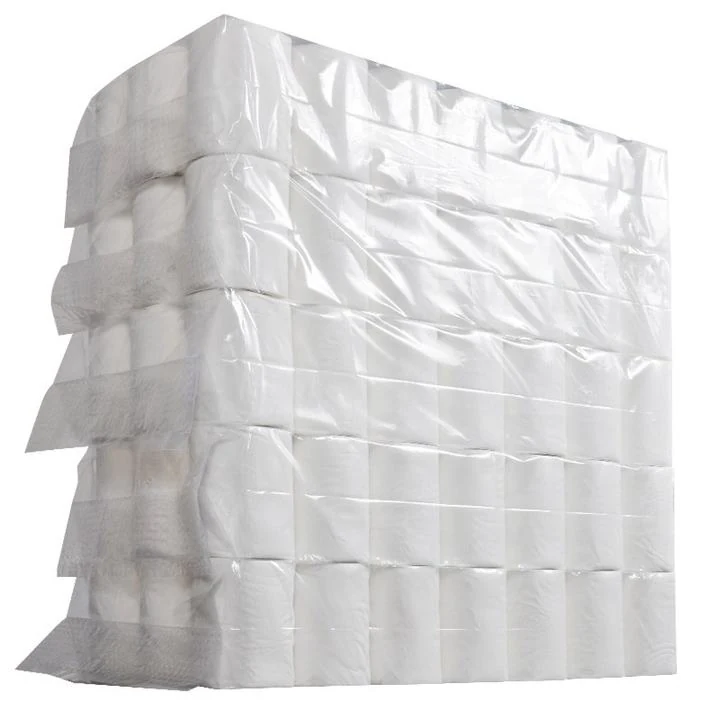
To understand the workflow, it helps to examine each stage. Pulping is the first step, where raw fibers are broken down into a slurry. Bleaching follows to remove color and impurities, creating a clean base. After that, additives like softeners or strength agents are mixed into the pulp. The pulp is then formed into thin sheets using large machines called paper machines. These sheets are dried on heated rollers to remove water, and then rolled onto large reels. Some factories add embossing to create patterns, which improves softness and appearance. Finally, the paper is cut into standard rolls and packaged for distribution.
Step-by-Step Production Table
| Step | Description | Purpose |
|---|---|---|
| Pulping | Raw materials mixed with water and processed into pulp | Break down fibers for uniformity |
| Bleaching | Chemicals used to remove color and impurities | Create clean, white paper |
| Mixing | Additives added for softness or strength | Improve texture and durability |
| Sheet forming | Pulp spread into thin sheets on a paper machine | Shape into final paper width |
| Drying | Heated rollers remove water | Prepare for rolling |
| Rolling | Large reels formed for storage or further processing | Compact storage and handling |
| Embossing | Patterns pressed into paper | Enhance appearance and softness |
| Cutting & Packaging | Rolls cut to size and wrapped | Ready for shipment and retail |
Each step requires careful control. For example, drying too fast can make the paper brittle. Rolling too tightly can cause uneven thickness. Good manufacturers monitor temperature, speed, and moisture closely. This process also allows flexibility for jumbo rolls, box tissue, and commercial-grade products.
What raw materials are used in manufacturing?
Choosing the wrong materials can result in rough, weak, or unsellable toilet paper. Quality depends largely on what fibers are used and how they are processed.
Common raw materials include virgin wood pulp, recycled paper, bamboo pulp, and sometimes additives to improve strength, softness, and absorbency.
Virgin wood pulp is popular for premium soft tissue. It provides long fibers that add strength. Recycled paper is more economical but may have shorter fibers, so manufacturers often mix it with virgin pulp. Bamboo pulp is gaining attention as a sustainable alternative. It grows quickly and has strong fibers, making it ideal for eco-friendly products. Additives like softening agents, lotions, or wet-strength chemicals can improve the feel and durability of the paper.
Raw Materials Table
| Material | Source | Characteristics |
|---|---|---|
| Virgin wood pulp | Trees (softwood, hardwood) | Long fibers, soft, strong |
| Recycled paper | Waste paper from offices, homes | Shorter fibers, cost-effective |
| Bamboo pulp | Bamboo stalks | Eco-friendly, strong fibers |
| Additives | Chemicals, lotions, softeners | Enhance softness, strength, absorbency |
Selecting raw materials is more than cost-saving. High-quality materials reduce defects during production. For example, bamboo pulp can reduce the need for chemical softeners while improving roll durability. Recycled content requires careful sorting and cleaning to avoid impurities that damage machinery or reduce paper quality.
How is toilet paper converted from pulp to rolls?
Even after creating pulp, making finished rolls is not automatic. Proper techniques ensure uniform thickness, softness, and packaging that customers expect.
Conversion involves forming sheets from pulp, drying them, rolling onto reels, embossing for texture, cutting into standard sizes, and packaging for shipment.

The conversion starts at the paper machine, where the wet pulp is spread into thin sheets. Water drains through a mesh belt, and the sheet passes over drying cylinders. Controlling drying speed is crucial; too much heat makes it brittle, too little leaves moisture. Once dried, large rolls called jumbo rolls are created. Embossing machines press patterns, improving texture and helping layers stick. Then rolls are rewound to retail sizes, cut, and packaged. Some factories add perforation for easier tearing.
Conversion Workflow Table
| Stage | Machine/Tool | Function |
|---|---|---|
| Sheet forming | Paper machine | Spread pulp into thin, uniform sheets |
| Drying | Heated cylinders | Remove water without weakening fibers |
| Rolling | Jumbo roll winder | Create large storage rolls |
| Embossing | Embossing roller | Add texture and softness |
| Rewinding | Roll cutter & rewinder | Convert jumbo rolls to consumer size |
| Packaging | Automatic wrapping machine | Ready for shipment and retail |
The production speed can reach several hundred meters per minute, but precision is key. Even small errors in tension or moisture can create rolls that are too soft, too rough, or tear easily. Manufacturers also monitor weight and diameter to ensure consistency across all rolls in a batch.
Is toilet paper production energy-intensive?
Many people do not realize how much energy goes into producing each roll. High energy use affects costs and sustainability.
Yes, toilet paper production consumes significant energy in pulping, drying, and running machines, but efficient systems and modern machinery can reduce consumption.
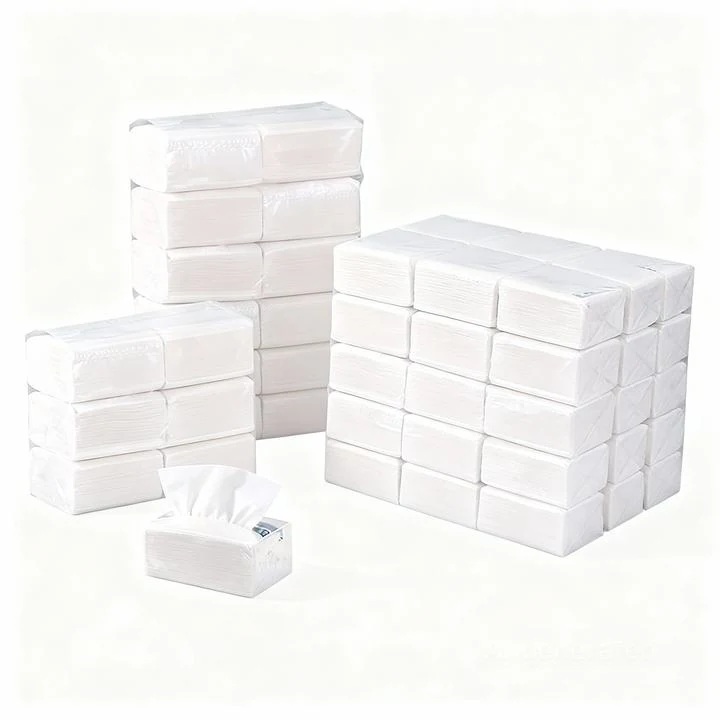
Energy is mainly used in three areas: mechanical pulping, chemical processing, and drying. Pulping uses electricity and sometimes steam to break down fibers. Chemical treatments like bleaching require heat and water circulation. Drying is the most energy-intensive step, with large heated cylinders consuming electricity or natural gas to remove moisture from paper sheets.
Energy Use Breakdown
| Production Stage | Energy Source | Energy Considerations |
|---|---|---|
| Pulping | Electricity, steam | High energy for fiber breakdown |
| Chemical treatment | Steam, water pumps | Heat for bleaching and mixing |
| Drying | Heated cylinders | Largest energy consumption; efficiency critical |
| Rolling & packaging | Electricity | Moderate; conveyors and wrapping machines |
Manufacturers use several methods to reduce energy use. Recovering heat from drying cylinders and using efficient motors lowers electricity consumption. Optimizing pulp concentration reduces water content, shortening drying time. Some factories invest in renewable energy sources like solar or biomass to further improve sustainability.
Even with energy-saving strategies, producing toilet paper remains resource-intensive, highlighting the importance of sourcing materials responsibly and improving machine efficiency.
Conclusion
Making toilet paper is a complex process combining raw materials, precise machinery, and careful quality control. Each step from pulp to roll affects softness, strength, and sustainability, requiring attention to detail at every stage.